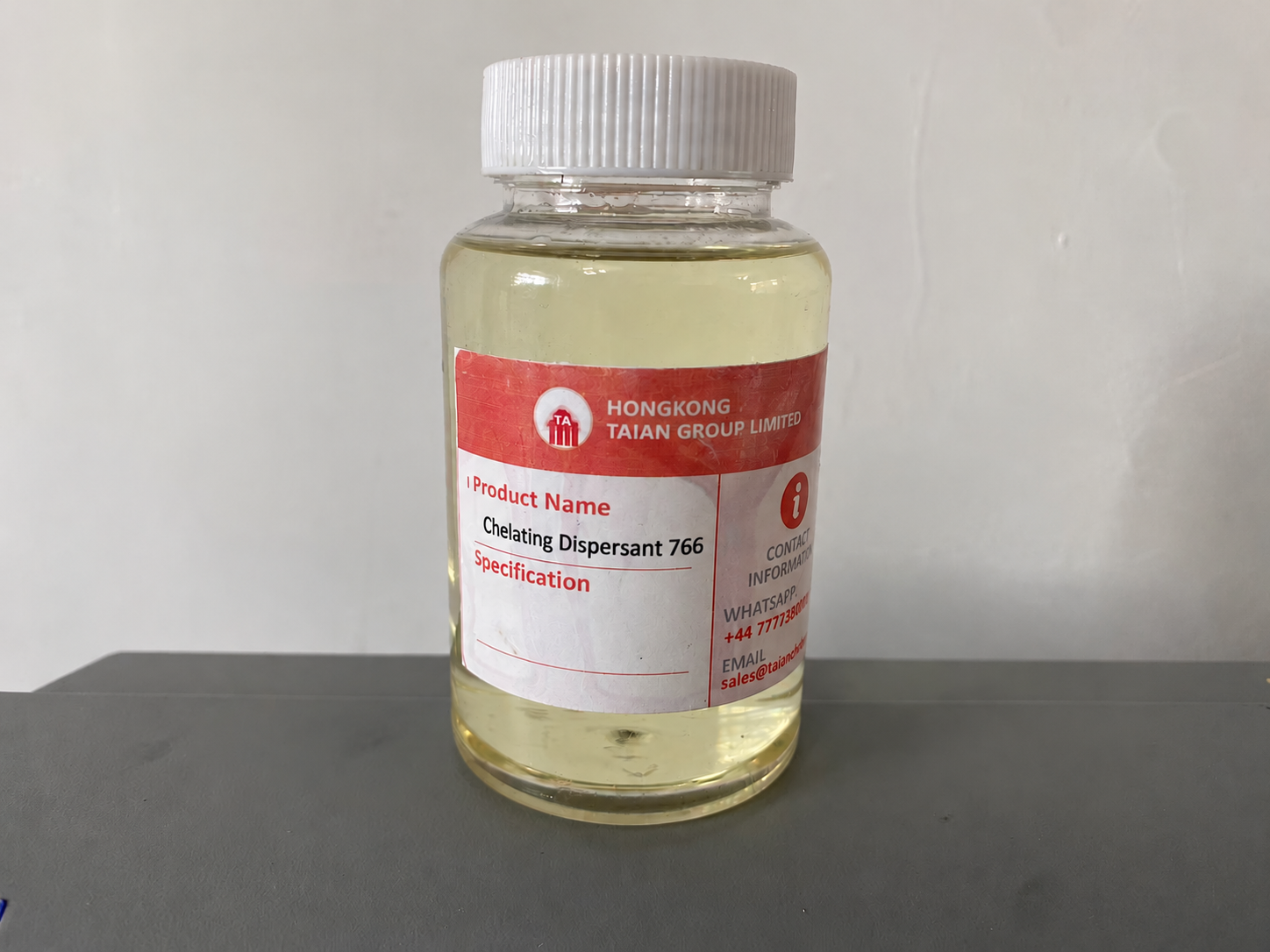
Textile Dyes and Chemicals: Essential Products Shaping Textile Manufacturing
Textile Dyes and Chemicals: Essential Products Shaping Textile Manufacturing
Textile Dyes and Chemicals form the backbone of modern textile manufacturing, encompassing a diverse range of formulations that drive every stage of textile production from fiber preparation to final finishing. These products are integral to enhancing the aesthetic appeal, functional performance, and durability of textiles, catering to the evolving demands of fashion, home textiles, and industrial applications. Textile Dyes and Chemicals include not only color-imparting agents but also auxiliary substances that optimize processing efficiency, and their quality directly determines the overall performance of the end textile products. Each penetrant, a key component within Textile Dyes and Chemicals systems, is developed to optimize liquid absorption into fibers, reduce processing time, improve cleaning efficiency, and create a uniform substrate for dyeing and finishing. Their ability to boost chemical accessibility and promote even treatment helps manufacturers achieve cleaner surfaces, deeper color uptake, and more efficient use of energy and chemicals throughout the production line.
Textile Dyes and Chemicals work in synergy with Textile Dyeing Chemicals to ensure high-quality coloration of textiles
Textile Dyeing Chemicals are specifically formulated to enhance the dye-fiber bond, improve color fastness to washing, light, and friction, and ensure uniform dye distribution. Within the broader spectrum of Textile Dyes and Chemicals, Textile Dyeing Chemicals such as leveling agents, fixing agents, and dispersants play critical roles in addressing common dyeing challenges, such as uneven shading and poor color retention. Whether for natural fibers like cotton and wool or synthetic fibers like polyester and nylon, Textile Dyeing Chemicals are tailored to match the chemical properties of both the dye and the fiber, ensuring consistent and long-lasting color results.
Textile Dyes and Chemicals also include Textile Printing Chemicals, which are essential for transferring intricate designs and patterns onto textile surfaces
Unlike dyeing, which imparts color uniformly across the entire fabric, printing requires precise control of color application, and Textile Printing Chemicals such as thickeners, binders, and emulsifiers enable this precision. These chemicals ensure that the print paste adheres properly to the fabric, prevents color bleeding, and maintains the clarity of the design. Textile Dyes and Chemicals used in printing are also adapted to various printing technologies, including screen printing, digital printing, and roller printing, making them versatile enough to meet the diverse design needs of the textile industry.
Textile Dyes and Chemicals are a major category of Chemical used in Textile production, covering all chemical substances that contribute to the processing and enhancement of textiles
Beyond dyes, dyeing, and printing chemicals, this broader category includes pre-treatment agents, softeners, and anti-static agents, all of which are critical for transforming raw fibers into usable textiles. Chemical used in Textile manufacturing, particularly those under the Textile Dyes and Chemicals umbrella, are designed to be compatible with different fiber types and processing conditions, ensuring that each step of the production process is efficient and effective. The development of these chemicals is closely aligned with the needs of textile manufacturers, focusing on improving processing efficiency, reducing environmental impact, and enhancing the functional properties of the final products.
Textile Dyes and Chemicals encompass Textile Finishing Chemicals, which are applied in the final stage of textile production to enhance the aesthetic and functional qualities of the fabric
Textile Finishing Chemicals include softeners that improve fabric hand feel, water-repellent agents that add protective properties, and anti-wrinkle agents that enhance fabric appearance. These chemicals are the final touch in textile manufacturing, elevating the value of the end product by meeting specific consumer needs, such as comfort, durability, and performance. Textile Dyes and Chemicals in the finishing stage are also increasingly focused on sustainability, with manufacturers developing eco-friendly formulations that reduce harmful emissions and waste.
In summary, Textile Dyes and Chemicals are indispensable to every aspect of textile manufacturing, from coloration and printing to finishing and functional enhancement. As the primary category of Chemical used in Textile production, they include specialized subcategories such as Textile Dyeing Chemicals, Textile Printing Chemicals, and Textile Finishing Chemicals, each tailored to specific production needs. The penetrants within Textile Dyes and Chemicals systems further optimize production efficiency by improving liquid absorption, reducing processing time, and ensuring uniform treatment. These products not only shape the aesthetic and functional qualities of textiles but also drive the efficiency and sustainability of the textile industry. As consumer demands for high-quality, sustainable textiles continue to grow, Textile Dyes and Chemicals will remain a focus of innovation, playing a crucial role in the ongoing development of the global textile sector.
Penetrating Agent & Textile Dyes and Chemicals FAQ
1. How does the penetrant improve the compatibility between textile dyes and chemicals?
The penetrant optimizes the interface between textile dyes and chemicals by reducing the surface tension of the treatment system. It helps textile dyes and chemicals spread evenly on the fiber surface and penetrate into the fiber gaps, thereby enhancing their mutual compatibility and avoiding issues such as uneven dyeing or chemical agglomeration. This optimized compatibility ensures that textile dyes and chemicals can exert their effects synergistically, improving the overall processing quality.
2. What role does the penetrant play in enhancing the effectiveness of textile dyes and chemicals?
The penetrant boosts the effectiveness of textile dyes and chemicals by promoting their uniform penetration and full contact with fibers. It shortens the time required for textile dyes and chemicals to interact with fibers, allowing them to achieve the desired dyeing and finishing effects in a shorter processing period. Additionally, the penetrant ensures that textile dyes and chemicals are utilized more efficiently, reducing waste and improving the cost-effectiveness of the production process.
3. Is the penetrant suitable for use with all types of textile dyes and chemicals?
The penetrant is compatible with most common types of textile dyes and chemicals, including reactive dyes, disperse dyes, direct dyes, and various auxiliary chemicals such as leveling agents and fixing agents. It does not react with textile dyes and chemicals or alter their chemical properties. However, for some special high-performance textile dyes and chemicals with unique molecular structures, it is recommended to conduct a small-scale compatibility test before large-scale application to ensure optimal results.
4. How does the penetrant help in reducing the consumption of textile dyes and chemicals?
By improving the penetration and utilization efficiency of textile dyes and chemicals, the penetrant effectively reduces their consumption. It ensures that textile dyes and chemicals can fully act on the fibers without being wasted on the surface of the fabric or in the treatment solution. The uniform distribution promoted by the penetrant also avoids the need for excessive addition of textile dyes and chemicals to compensate for uneven distribution, thus reducing the overall dosage while maintaining the desired processing effect.
5. Does the penetrant affect the color fastness of textile dyes and chemicals?
The penetrant does not negatively affect the color fastness of textile dyes and chemicals. On the contrary, it can help improve the color fastness to a certain extent. By ensuring that textile dyes penetrate deeply and evenly into the fibers, the penetrant enhances the binding force between the dyes and the fibers, thereby improving the washing fastness, rubbing fastness, and light fastness of the dyed fabrics. It maintains the stability of the dye-fiber combination without interfering with the chemical bonds formed by textile dyes and chemicals.