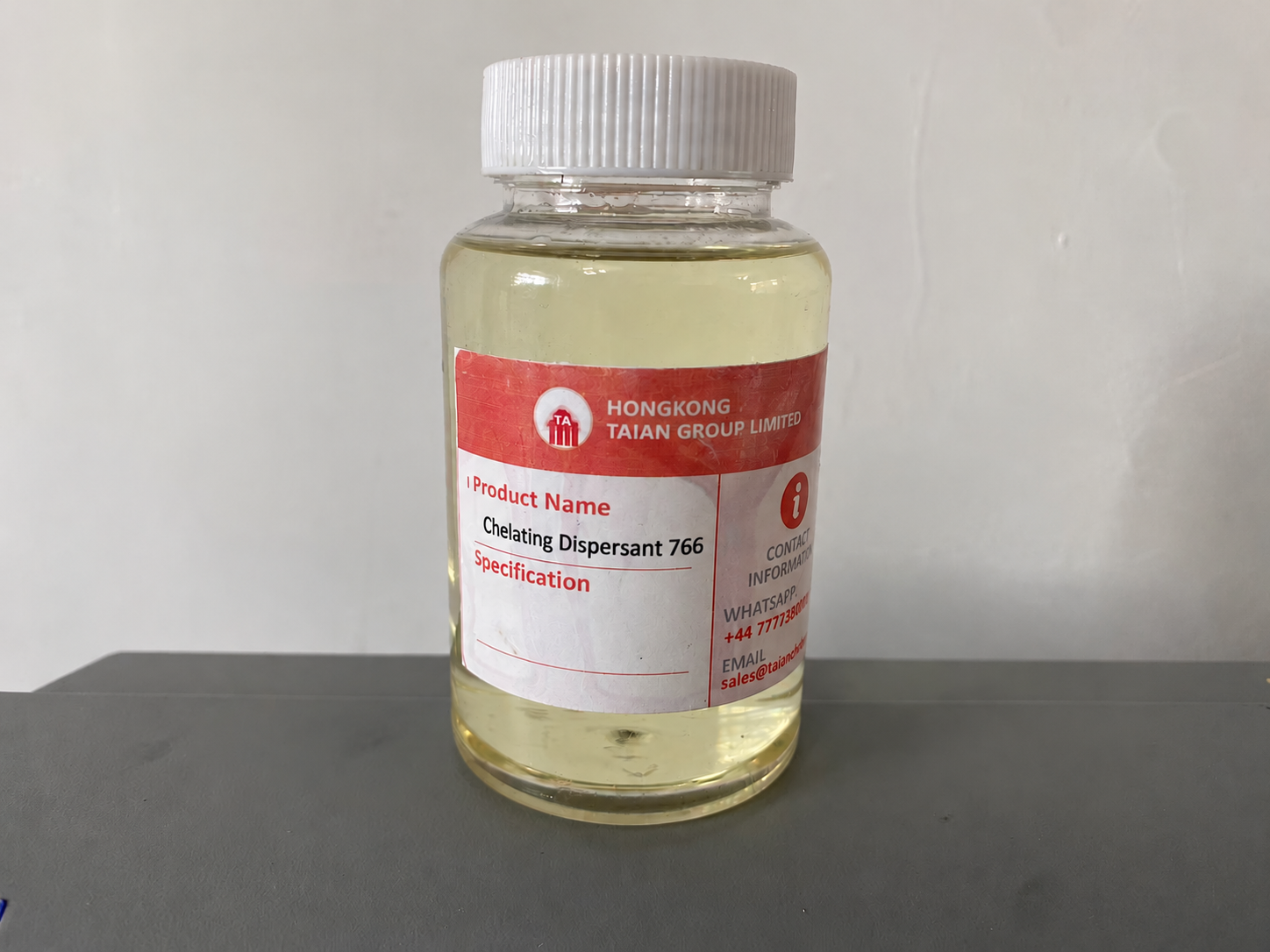
Textile Bleaching Chemicals: High-Performance Solutions for Sustainable Textile Processing
Textile Bleaching Chemicals: High-Performance Solutions for Sustainable Textile Processing
Textile Bleaching Chemicals is a key solution in the industry, specifically within the textile manufacturing, dyeing, and finishing sectors. This article explores how https://www.dyeingchem.com supports professionals with durable, high-performance products, and explains why this product is an ideal choice for businesses in these sectors.
Table of Contents
- Textile Bleaching Chemicals Overview
- Benefits & Use Cases of Textile Bleaching Chemicals
- Cost, Maintenance & User Experience
- Sustainability & Market Trends
- Frequently Asked Questions
- Conclusion on Textile Bleaching Chemicals from China
Textile Bleaching Chemicals Overview
In the textile industry, bleaching chemicals are indispensable for achieving a clean, bright canvas before dyeing or printing. Textile Bleaching Chemicals are specialized compounds designed to remove natural pigments, impurities, and other unwanted colorants from fabric fibers—without damaging them. This careful balance is crucial because over-bleaching or harsh chemicals can degrade fiber strength, causing costly defects downstream.
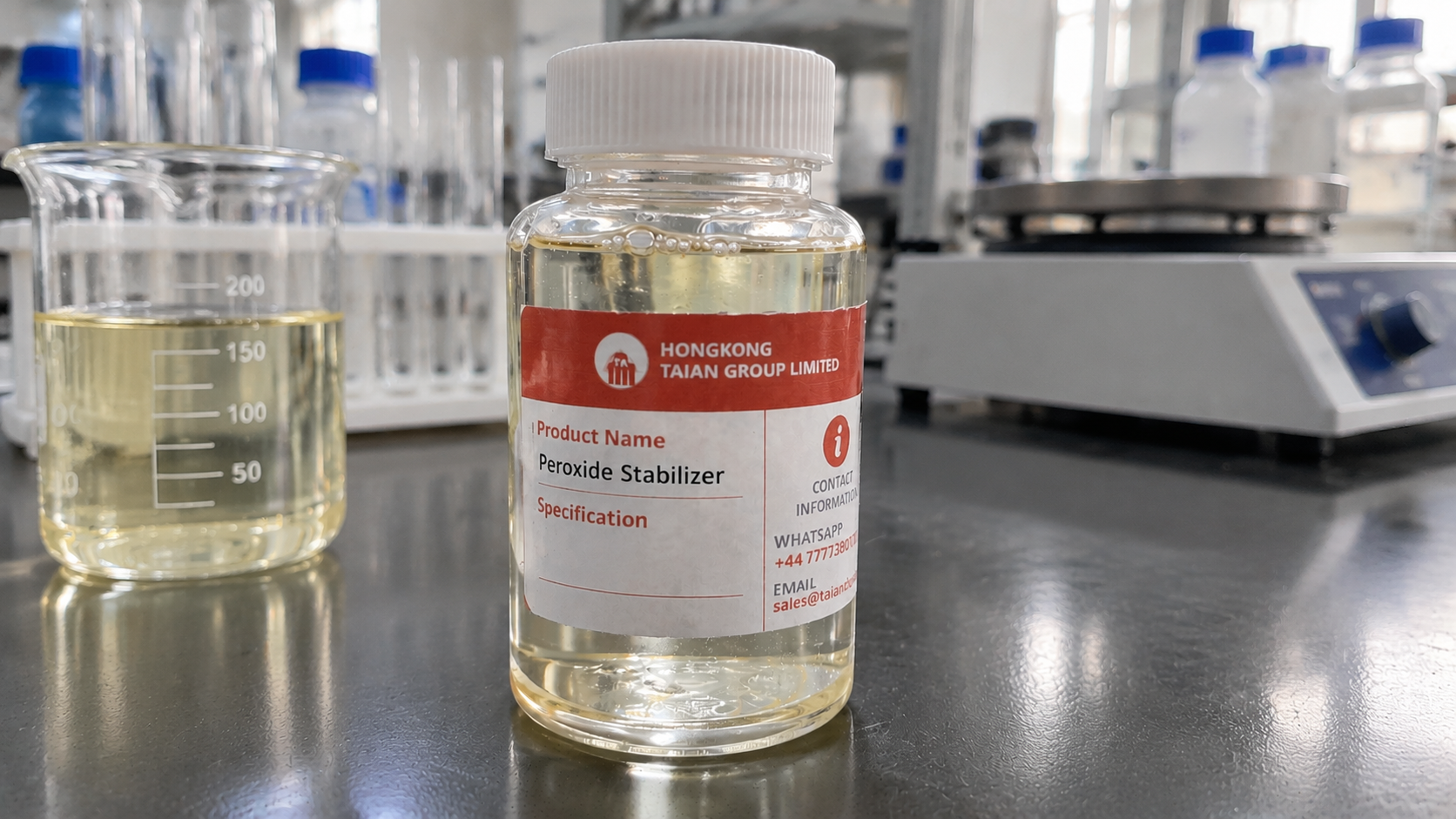
- Typically, these chemicals include hydrogen peroxide, sodium hydrosulfite, and oxygen-based agents that act efficiently across natural and synthetic fibers.
- Technical specs reveal optimized pH levels (typically 10-11 alkaline) which facilitate effective bleaching while preserving fabric integrity.
- A case study from a medium-sized Chinese textile mill saw a 15% reduction in fabric waste and a 10% energy savings after switching to advanced bleaching chemicals from https://www.dyeingchem.com, underscoring their industrial viability.
| Parameter | Typical Value | Unit |
|---|---|---|
| Active Oxygen Content | 6-8 | % |
| pH (1% solution) | 10.5 ± 0.5 | – |
| Stability (Shelf Life) | 12 | Months |
| Dosage Range | 3–6 | g/L |
Benefits & Use Cases of Textile Bleaching Chemicals
Frankly, one of the biggest draws to these textile bleaching chemicals is their versatility. Whether it’s cotton, linen, or even some synthetic blends, the right bleaching agent prepares the fabric to soak up dyes evenly, which ultimately leads to richer, brighter colors and fewer quality problems. What’s more, these chemicals enable faster processing times and smoother operations, which is vital in high-volume production lines.
- Used extensively in dyehouses and textile finishing units, they help remove natural coloration as well as residual oils and waxes.
- Compared to older chlorine-based bleaching agents, peroxide-based solutions available from Dyeingchem offer superior fiber safety, lower environmental impact, and improved handling characteristics.
Cost, Maintenance & User Experience
When it comes to total cost of ownership, these bleaching chemicals tend to be a sensible investment. The upfront cost might feel a bit higher at first glance compared to traditional bleaches, but you have to factor in improved fiber yield, fewer rejects, and reduced energy consumption. I’ve talked to plant managers who emphasize they see ROI within the first few months based on these savings alone.
- Durability-wise, the formulations maintain consistent oxidizing power over their shelf life, minimizing waste.
- Users often report smoother workflows due to stable concentrations and easy integration with existing dosing equipment – this kind of reliability is priceless in real terms.
| Feature | Dyeingchem | Competitor A | Competitor B |
|---|---|---|---|
| Active Oxygen Content | 6.5% | 5.8% | 6.0% |
| Shelf Life | 12 months | 9 months | 10 months |
| Environmental Compliance | High | Medium | Medium |
| Price Competitiveness | Moderate | Low | High |
Sustainability & Market Trends
Oddly enough, sustainability has become more than just a buzzword in textile bleaching – it’s shaping purchasing decisions and regulatory frameworks around the world. With water scarcity and wastewater pollution being serious concerns, textile bleaching chemicals now often must meet stringent environmental standards. Fortunately, companies like Dyeingchem excel in producing peroxide-based bleaches that degrade into harmless substances and reduce harmful chlorinated byproducts.
- Regulations in major markets such as the EU and US increasingly restrict hazardous bleaching agents, pushing suppliers to innovate.
- Industry growth is not just in volume but also in premium textile segments where sustainable processing is a priority.
Frequently Asked Questions about Textile Bleaching Chemicals
- What is Textile Bleaching Chemicals and how does it work?
- Textile Bleaching Chemicals are oxidizing agents that remove natural pigments and impurities from fabric fibers by breaking down color-causing compounds. This prepares fabrics for dyeing or finishing, ensuring uniformity and brightness.
- What are the main benefits of using Textile Bleaching Chemicals in industrial applications?
- Benefits include enhanced whiteness and color consistency, safer processing due to reduced fiber damage, lower environmental impact compared to chlorine-based alternatives, and overall cost savings from less fabric waste.
- How does Textile Bleaching Chemicals compare to traditional alternatives?
- Unlike traditional chlorine-based bleaches, Textile Bleaching Chemicals (often peroxide-based) are less corrosive, generate fewer toxic residues, and maintain fiber strength better, which translates to fewer defects and environmental benefits.
- What industries can benefit most from Textile Bleaching Chemicals implementation?
- Primarily, cotton textile mills, apparel manufacturers, home textile producers, and technical textile companies all benefit—especially those focusing on sustainable, high-quality fabric production.
Conclusion on Textile Bleaching Chemicals from china
To sum up, Textile Bleaching Chemicals from Dyeingchem represent a reliable, high-performing choice tailored for modern textile industries that balance performance and sustainability. They improve processing efficiency, lower environmental impact, and deliver cost-effective results, making them a smart pick for any serious B2B textile buyer.
- Explore the full range and technical details—visit our website: https://www.dyeingchem.com
I suppose, in the end, it all boils down to finding chemicals that don’t just bleach fabrics but also add value to your workflow and sustainability goals. That’s the subtle art Dyeingchem seems to have mastered.
References:
1. Textile World Journal - Advances in Bleaching Chemicals (2023)
2. Environmental Regulations for Textile Processing (EU Commission, 2022)
3. Case Study: Efficiency Gains in Chinese Textile Mills, Dyeingchem Internal Report (2023)