Optimizing Cleaning Power with Advanced Enzymes for Liquid Detergent Formulations
Optimizing Cleaning Power with Advanced Enzymes for Liquid Detergent Formulations
Optimizing Liquid Detergent Performance with Enzymes for Liquid Detergent
In the competitive landscape of laundry care, achieving superior cleaning performance is paramount. Enzymes for liquid detergent are increasingly vital for manufacturers seeking to enhance their formulations. These biological catalysts offer targeted stain removal and improved overall efficacy. This article explores the benefits, types, and applications of enzymes in liquid detergents, focusing on how they can elevate your product's performance and appeal to consumers. We’ll delve into the specifics of optimizing detergent formulations for maximum cleaning power, ensuring a competitive edge in the market.
The Power of Enzymes in Liquid Detergent Formulations
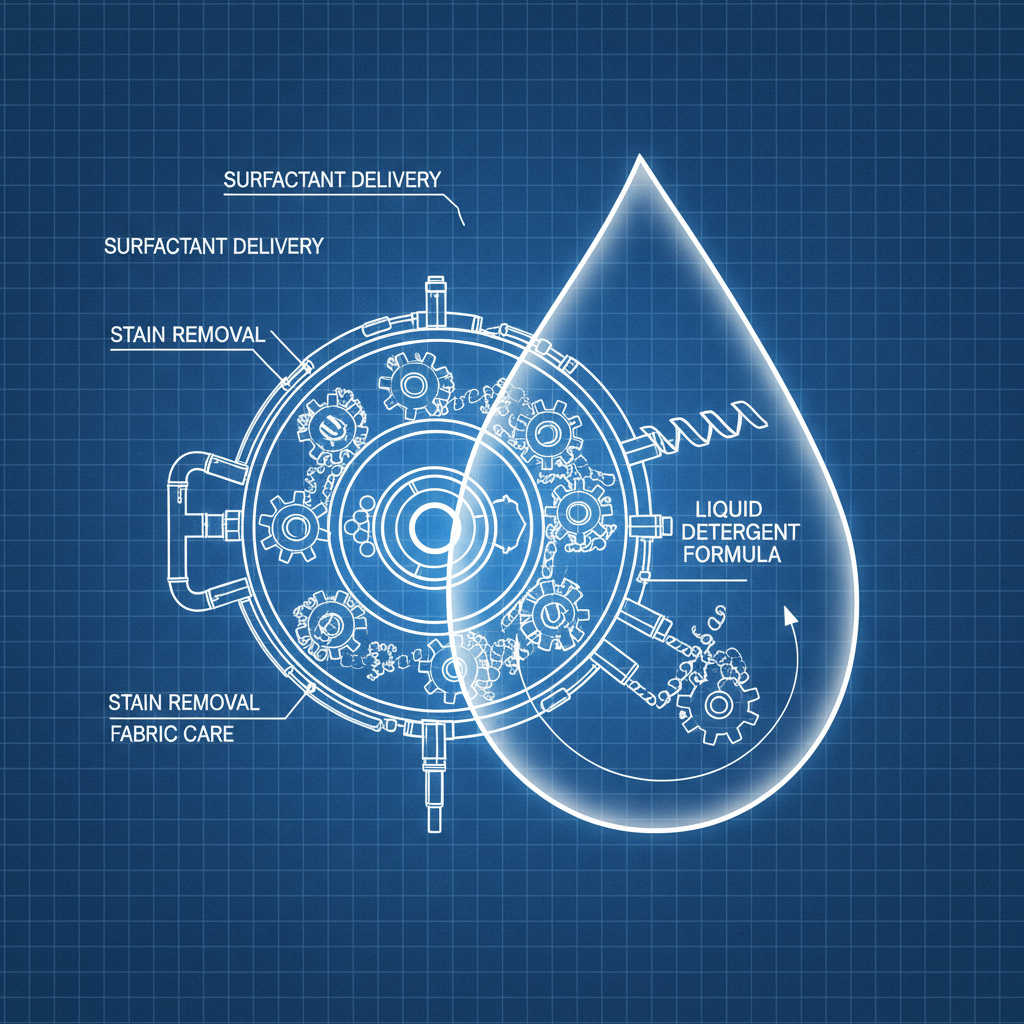
Enzymes act as biological catalysts, accelerating chemical reactions that break down stubborn stains. Unlike traditional detergent ingredients that rely on high temperatures and harsh chemicals, enzymes offer a more targeted and eco-friendly approach to cleaning. This is increasingly appealing to environmentally conscious consumers. The most commonly used enzymes in liquid detergents include proteases, amylases, lipases, cellulases, and mannanases, each targeting specific types of stains. Integrating these enzymes into liquid detergent formulations improves cleaning efficacy, reduces the need for harsh chemicals, and enhances the overall consumer experience. Dyeingchem provides high-quality enzyme solutions tailored to your detergent needs.
Key Benefits: Targeted stain removal, reduced chemical usage, enhanced cleaning efficacy, environmentally friendly, improved consumer satisfaction.
Different Types of Enzymes and Their Specific Roles
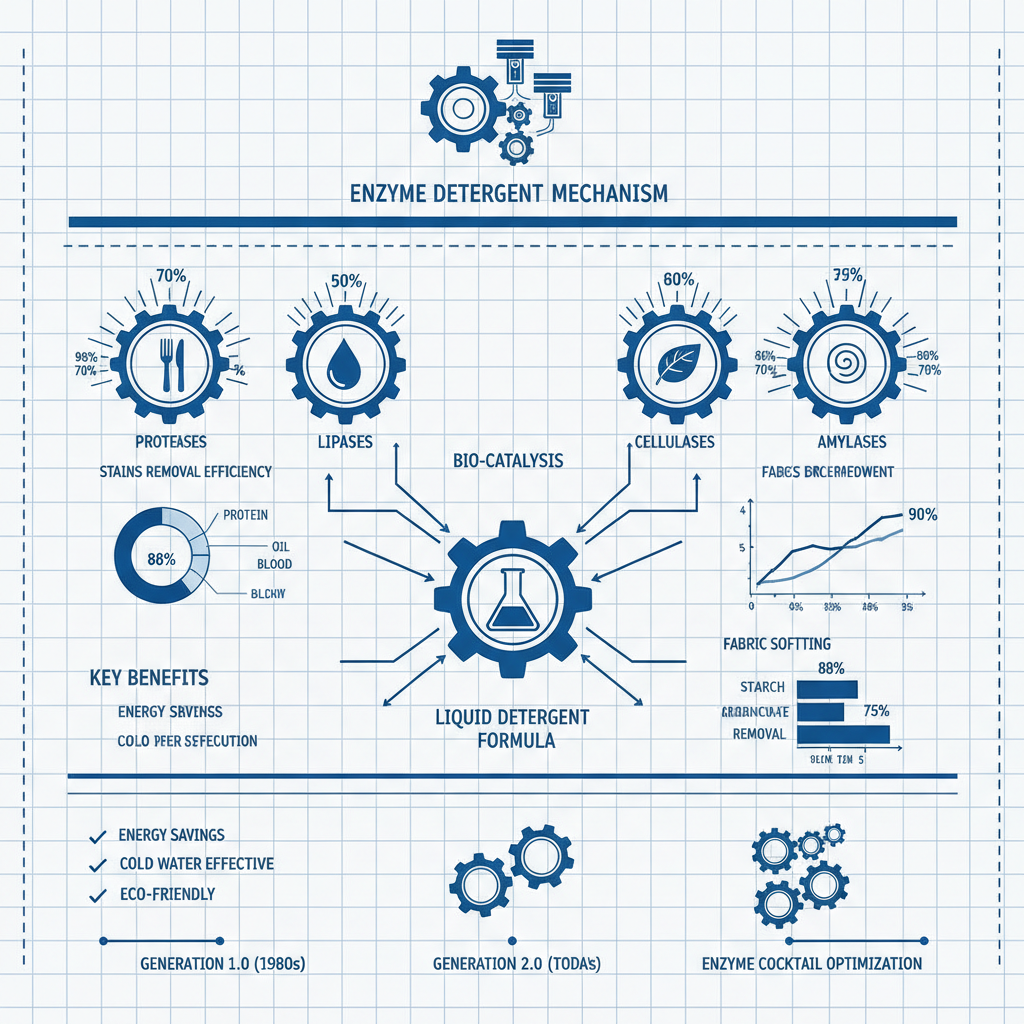
Understanding the specific function of each enzyme type is crucial for formulating effective liquid detergents. Proteases break down protein-based stains like blood and grass; amylases tackle starch-based stains such as pasta and potatoes; lipases dissolve fats and oils; cellulases help restore color and softness to cotton fabrics; and mannanases target stains from food and other polysaccharides. The optimal enzyme blend depends on the target market and the types of stains the detergent is designed to remove. Careful selection and precise ratios are key to maximizing cleaning performance.
Enzyme Roles in Detail:
• Proteases: Break down protein stains.
• Amylases: Remove starch-based stains.
• Lipases: Dissolve fats and oils.
• Cellulases: Restore color & softness.
• Mannanases: Target polysaccharide stains.
Optimizing Enzyme Dosage: A Comparative Analysis
Determining the correct enzyme dosage is critical for achieving optimal cleaning performance without compromising cost-effectiveness. Too little enzyme may result in insufficient stain removal, while too much can lead to fabric damage or increased formulation costs. The ideal dosage depends on factors such as the type of enzyme, the concentration of stains in the wash load, and the water hardness. Careful experimentation and rigorous testing are essential to establish the optimal enzyme levels for your specific detergent formulation.
Factors Influencing Enzyme Stability in Liquid Detergents
Maintaining enzyme stability is crucial for preserving their activity throughout the detergent’s shelf life. Factors such as pH, temperature, water hardness, and the presence of oxidizing agents can affect enzyme performance. Formulators must carefully select stabilizers, such as borates and calcium chloride, to protect enzymes from degradation. Proper encapsulation techniques can also enhance enzyme stability and prevent premature activation. Dyeingchem's enzyme products are designed for optimal stability in various detergent formulations.
Sourcing High-Quality Enzymes: Partnering with Dyeingchem
Selecting a reliable enzyme supplier is vital for ensuring consistent quality and performance. Dyeingchem offers a comprehensive range of high-quality enzymes specifically designed for liquid detergent applications. We provide technical expertise, customized formulations, and reliable supply chain management to help you optimize your detergent products. Our commitment to innovation and sustainability makes us a trusted partner for detergent manufacturers worldwide. Explore our extensive enzyme catalog and discover how we can enhance your detergent's cleaning power.
Conclusion: The Future of Liquid Detergents Lies in Enzymatic Power
The use of enzymes for liquid detergent is no longer a trend, but a necessity for manufacturers aiming for superior cleaning performance and sustainability. By harnessing the power of these biological catalysts, you can create detergents that are effective, eco-friendly, and appealing to today's discerning consumers. Partner with Dyeingchem to unlock the full potential of enzymatic cleaning.
Frequently Asked Questions (FAQs)
What is the impact of water hardness on enzyme activity?
Water hardness, specifically the presence of calcium and magnesium ions, can inhibit enzyme activity. These ions can bind to the enzyme, altering its structure and reducing its ability to catalyze reactions. Formulators often incorporate water softening agents, like citrates or phosphates, to mitigate this effect. The optimal dosage of these softening agents depends on the expected water hardness levels in the target market. Proper buffering systems can also help maintain enzyme activity in hard water conditions. Dyeingchem offers enzymes formulated for stability in varying water hardness levels.
Are enzymes biodegradable, and how does this contribute to sustainability?
Yes, enzymes are naturally biodegradable. They are proteins that are broken down by microorganisms in the environment, returning to their natural components. This biodegradability is a significant advantage over many traditional detergent ingredients, which can persist in the environment and contribute to pollution. By using enzymes, detergent manufacturers can reduce their environmental footprint and appeal to consumers who prioritize sustainable products. The production of enzymes also generally requires less energy and generates fewer harmful byproducts compared to the production of synthetic chemicals.
How do I ensure compatibility between different enzymes in a formulation?
Ensuring compatibility between different enzymes requires careful consideration of their optimal pH, temperature, and ionic strength. Some enzymes may inhibit the activity of others if their conditions aren't carefully balanced. It's essential to conduct compatibility studies to identify potential interactions and adjust the formulation accordingly. Adding stabilizers and chelating agents can also help maintain enzyme activity and prevent unwanted interactions. Dyeingchem can provide guidance on enzyme compatibility and formulation optimization.
What is the typical shelf life of liquid detergents containing enzymes?
The shelf life of liquid detergents containing enzymes typically ranges from 18 to 24 months, provided they are stored under recommended conditions – cool, dry, and away from direct sunlight. Enzyme activity can gradually decline over time, even with stabilizers. Packaging materials that protect against moisture and air exposure are also important for preserving enzyme stability. Accelerated stability testing can be conducted to determine the actual shelf life under specific storage conditions. Dyeingchem's enzymes are formulated for extended shelf life in detergent applications.