Exploring Sustainable Dyes for Textiles A Comprehensive Guide to Eco Friendly Solutions
Exploring Sustainable Dyes for Textiles A Comprehensive Guide to Eco Friendly Solutions
Sustainable Dyes for Textiles: A Comprehensive Guide
The textile industry is facing increasing pressure to adopt more sustainable practices. A crucial element of this transformation lies in the dyes used to color fabrics. Traditional dyeing processes often involve harsh chemicals and generate significant pollution. Fortunately, a growing range of sustainable dyes for textiles are emerging, offering environmentally friendly alternatives. This article will explore the benefits of these dyes, the various types available, and how they contribute to a more responsible fashion industry. We’ll delve into the key considerations for businesses looking to make the switch and highlight the innovative solutions Dyeingchem provides.

The Environmental Impact of Traditional Textile Dyes
Traditional textile dyeing is a significant contributor to environmental pollution. Many synthetic dyes contain heavy metals and other toxic chemicals that can contaminate waterways and harm ecosystems. The dyeing process itself often requires large amounts of water, and the wastewater generated is frequently discharged untreated, further exacerbating the problem. Furthermore, the production of synthetic dyes relies heavily on fossil fuels, contributing to greenhouse gas emissions. Switching to sustainable dyes is, therefore, a critical step towards mitigating these negative impacts.
Key Considerations: Traditional dyeing processes often involve harsh chemicals, large water usage and generate significant pollution. Switching to sustainable dyes is a critical step towards environmental responsibility.
Types of Sustainable Dyes for Textiles
Several types of sustainable dyes are gaining prominence in the textile industry. These include natural dyes derived from plants, insects, and minerals; low-impact synthetic dyes that require less water and energy to produce; and innovative dyes created through biotechnology. Each type offers unique advantages and disadvantages in terms of colorfastness, cost, and environmental impact. Dyeingchem specializes in providing a diverse portfolio of these options to meet specific customer needs.
Sustainable Dye Options:
• Natural Dyes: Derived from renewable sources.
• Low-Impact Synthetic Dyes: Reduced water and energy consumption.
• Biotechnology Dyes: Innovative and environmentally friendly.
Sustainable Dyes for Textiles: Natural vs. Synthetic
Choosing between natural and synthetic sustainable dyes involves considering several factors. Natural dyes are biodegradable and non-toxic, but they often have limited color ranges and may require mordants (fixatives) to improve colorfastness. Synthetic low-impact dyes, on the other hand, offer a wider color palette and generally exhibit better colorfastness. However, they still require careful handling and disposal to minimize environmental impact. The table below provides a detailed comparison.
Benefits of Switching to Sustainable Dyeing
Adopting sustainable dyes for textiles offers numerous benefits. These include a reduced environmental footprint, improved worker safety, enhanced brand reputation, and compliance with increasingly stringent regulations. Consumers are also becoming more conscious of the environmental impact of their clothing choices, and brands that prioritize sustainability are gaining a competitive edge. Dyeingchem can help companies navigate this transition and achieve their sustainability goals.
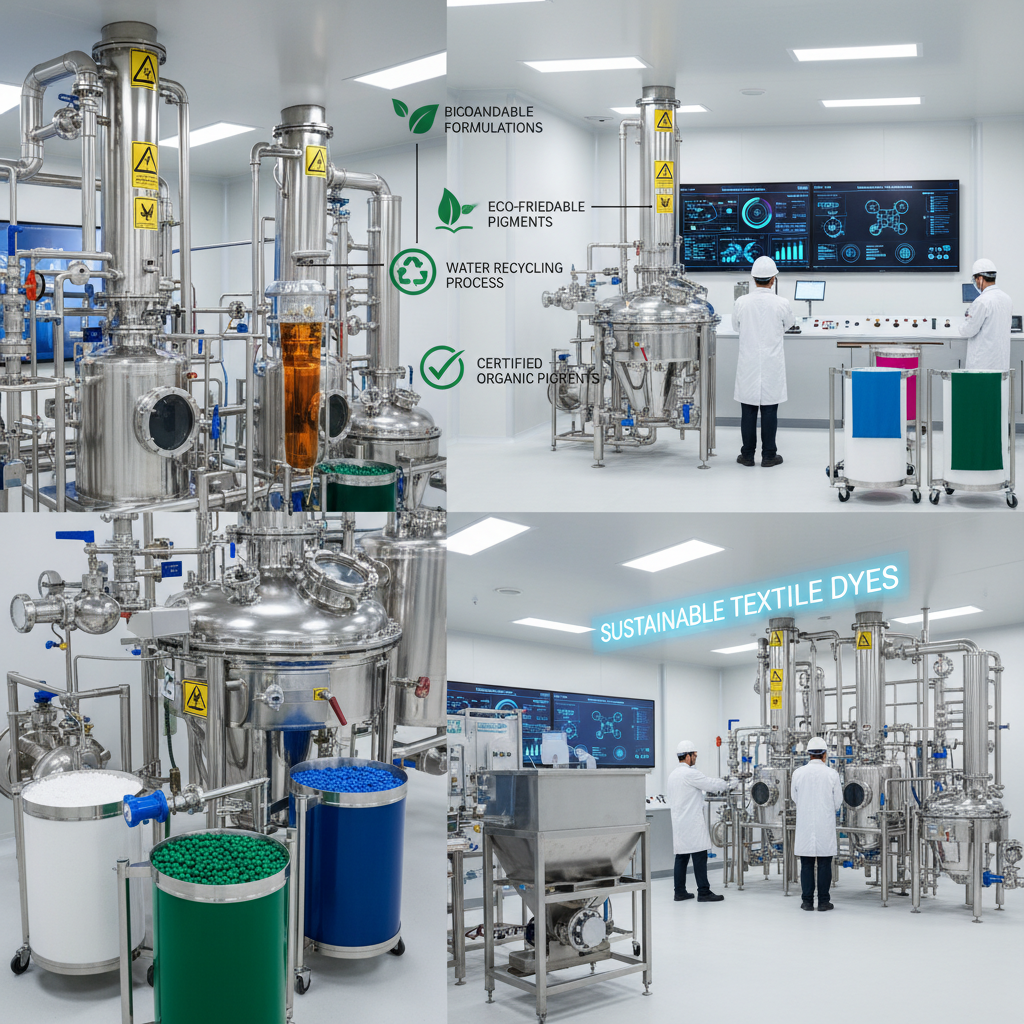
Dyeingchem: Your Partner in Sustainable Textile Dyeing
At Dyeingchem, we are committed to providing high-quality, sustainable dyes for textiles. We offer a comprehensive range of products, including natural dyes, low-impact synthetics, and innovative biotech solutions. Our team of experts can help you select the best dyes for your specific application and provide technical support throughout the dyeing process. We prioritize environmental responsibility and work closely with our customers to reduce their environmental impact.
Conclusion: Embrace Sustainability with Dyeingchem
Choosing sustainable dyes for textiles is no longer just an option; it's a necessity. By partnering with Dyeingchem, you can reduce your environmental footprint, improve your brand image, and contribute to a more sustainable future. Contact us today to learn more about our products and services.
Frequently Asked Questions (FAQs)
What are the main certifications to look for in sustainable dyes?
When sourcing sustainable dyes, look for certifications like GOTS (Global Organic Textile Standard), OEKO-TEX Standard 100, and Bluesign. GOTS ensures the dye meets strict environmental and social criteria throughout the entire supply chain. OEKO-TEX Standard 100 verifies that the dye doesn't contain harmful substances. Bluesign focuses on resource productivity and environmental impact reduction during the manufacturing process. These certifications provide assurance that the dyes meet recognized sustainability standards and are safe for both people and the planet.
How do sustainable dyes compare in cost to traditional dyes?
While initially, some sustainable dyes may have a slightly higher upfront cost compared to conventional dyes, the long-term benefits often outweigh this difference. Considerations include reduced wastewater treatment costs, lower energy consumption, and potential brand premium from eco-conscious consumers. Additionally, technological advancements and increased production of sustainable dyes are driving costs down, making them increasingly competitive. Dyeingchem offers cost-effective solutions tailored to diverse budgets.
What fabrics are best suited for sustainable dyes?
Natural fibers like cotton, linen, hemp, and silk generally respond well to both natural and low-impact synthetic dyes. However, synthetic fabrics like polyester can also be dyed using specialized sustainable dyes designed for those materials. The suitability depends on the specific dye and the fabric's composition. Dyeingchem can provide guidance on the best dye and fabric combinations for optimal results.
How can businesses reduce their water consumption during dyeing?
Businesses can significantly reduce water consumption by adopting techniques like low-liquor ratio dyeing, using dye carriers to improve dye uptake, and implementing efficient wastewater treatment and recycling systems. Investing in modern dyeing machinery designed for water conservation is also crucial. Dyeingchem offers dyes formulated for low-liquor ratio dyeing, helping businesses minimize their water footprint.