Exploring Reducing Agents in Organic Chemistry PDF A Comprehensive Guide
Exploring Reducing Agents in Organic Chemistry PDF A Comprehensive Guide
Reducing Agents in Organic Chemistry PDF
Understanding reducing agents is fundamental to success in organic chemistry. These substances play a critical role in various reactions by donating electrons, facilitating the conversion of one compound to another. This article delves into the world of reducing agents, covering their types, mechanisms, applications, and offering resources for further study, including where to find a comprehensive reducing agents in organic chemistry PDF. We'll explore key concepts and provide a practical understanding for students and professionals alike.
What are Reducing Agents?
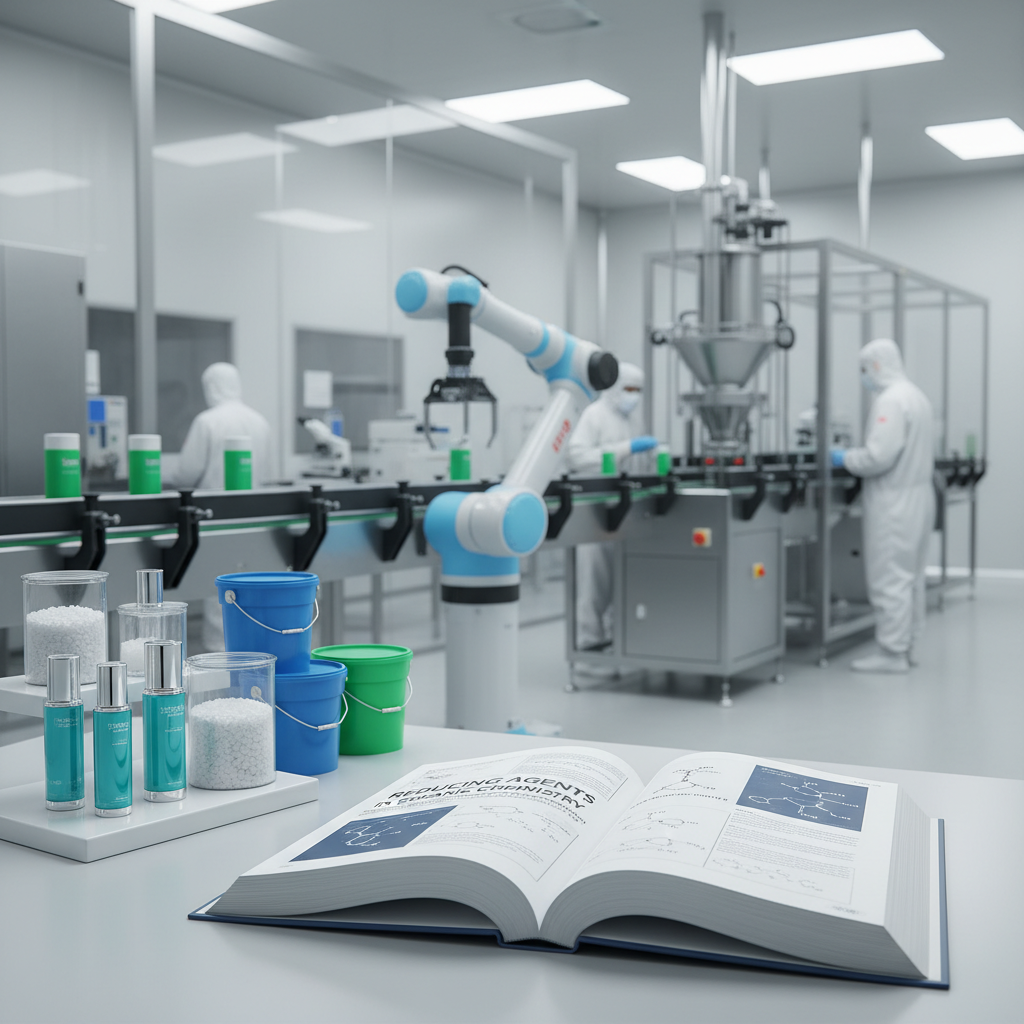
In organic chemistry, a reducing agent is a substance that donates electrons to another chemical species. This donation results in the reduction of the recipient compound (a decrease in its oxidation state) while the reducing agent itself becomes oxidized. Crucially, the concept of reduction and oxidation always occur together – one cannot happen without the other. Identifying strong reducing agents is vital for controlling the outcome of organic reactions. Common examples include metal hydrides like sodium borohydride (NaBH4) and lithium aluminum hydride (LiAlH4). These compounds are often used to reduce carbonyl groups (aldehydes and ketones) to alcohols.
Common Types of Reducing Agents
Reducing agents come in a variety of forms, each with its own strengths and weaknesses. Here's a look at some key categories:
- Metal Hydrides: Powerful reducing agents like LiAlH4 and NaBH4, widely used for carbonyl reductions.
- Boron-Based Reducing Agents: Such as catecholborane, used for selective reductions.
- Metal Reductions: Employing metals like zinc, iron, or tin in acidic conditions.
- Catalytic Hydrogenation: Using hydrogen gas (H2) with a metal catalyst (e.g., Pd, Pt, Ni).
- Dissolving Metals: Using alkali metals (Na, Li) in liquid ammonia.
A Comparison of Key Reducing Agents
The choice of reducing agent depends on the specific reaction and desired selectivity. The table below highlights a comparison of some commonly used reagents.
Applications of Reducing Agents in Organic Synthesis
Reducing agents are indispensable in a vast array of organic reactions. Some key applications include:
- Alcohol Synthesis: Converting aldehydes and ketones to alcohols.
- Amine Synthesis: Reducing nitriles or amides to amines.
- Alkane Synthesis: Complete reduction of carbonyl compounds to alkanes.
- Dehalogenation: Removing halogen atoms from alkyl halides.
- Reduction of Nitro Groups: Converting nitro compounds to amines.
The versatility of reducing agents makes them essential tools for chemists in academic research, pharmaceutical development, and industrial applications. For detailed protocols and specific examples, a reducing agents in organic chemistry PDF can be incredibly valuable.
Safety Considerations When Using Reducing Agents
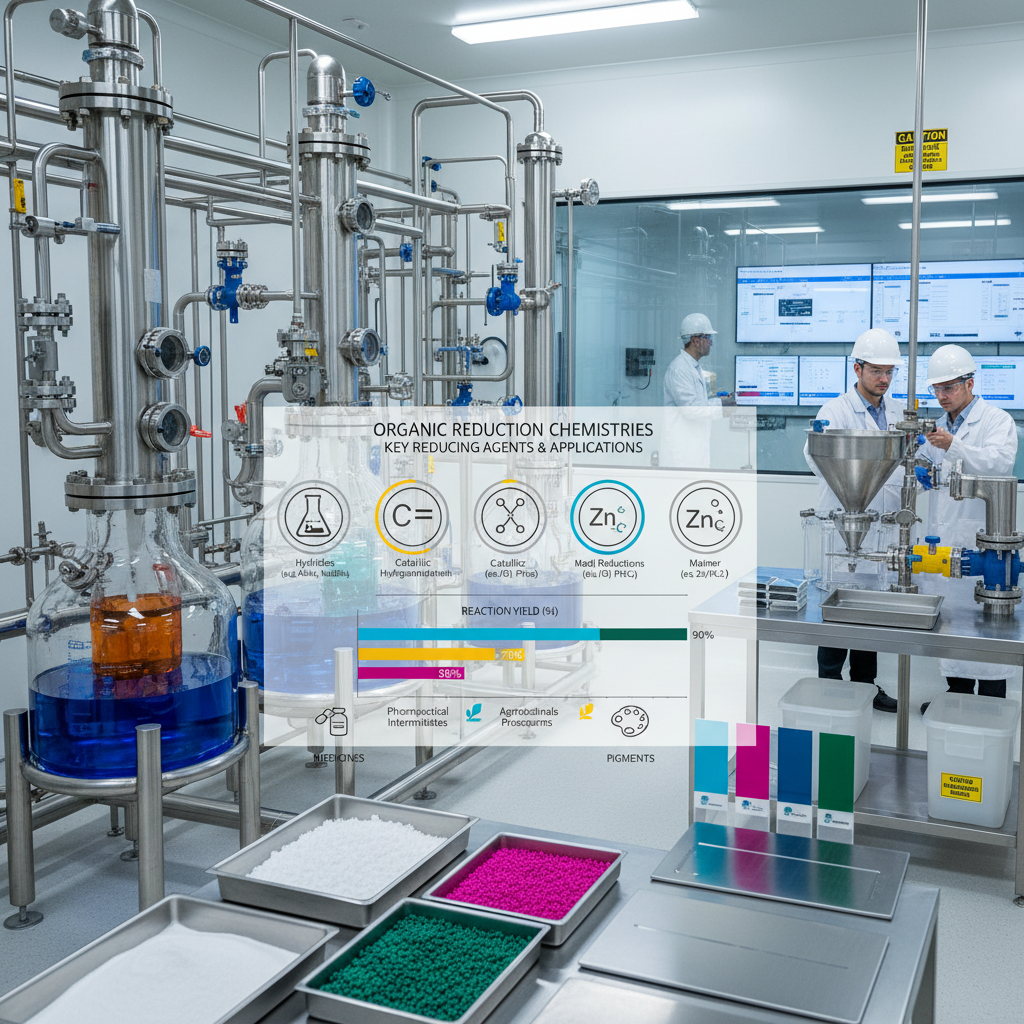
Many reducing agents are highly reactive and pose safety hazards. LiAlH4, for instance, reacts violently with water and protic solvents, releasing flammable hydrogen gas. NaBH4 is less reactive but can still generate hydrogen gas under acidic conditions. Always handle reducing agents under an inert atmosphere (nitrogen or argon) and use appropriate personal protective equipment (PPE), including gloves, goggles, and a lab coat. Always consult the Safety Data Sheet (SDS) before using any reducing agent. Proper waste disposal is also crucial; follow established laboratory protocols for disposing of spent reducing agents and reaction byproducts.
Conclusion
Understanding reducing agents is essential for any chemist. From selecting the appropriate reagent for a specific transformation to understanding the underlying chemical principles, this knowledge forms the bedrock of successful organic synthesis. DyeingChem provides valuable resources and information on a wide range of chemical compounds and processes, and a dedicated reducing agents in organic chemistry PDF is available for deeper study.
Frequently Asked Questions (FAQs)
What is the difference between a reducing agent and an oxidizing agent?
A reducing agent donates electrons, causing another substance to be reduced (gain electrons). Conversely, an oxidizing agent accepts electrons, causing another substance to be oxidized (lose electrons). They always work in pairs. Think of it like a seesaw – one goes up (reduction) while the other goes down (oxidation). The reducing agent itself is oxidized in the process, and the oxidizing agent is reduced. Recognizing these roles is key to understanding redox reactions.
How do I choose the right reducing agent for a specific reaction?
The choice depends on the functional group you want to reduce and the desired selectivity. Stronger reducing agents like LiAlH4 can reduce a wider range of functional groups, but may lack selectivity. Weaker reducing agents like NaBH4 are more selective and often preferred for reducing aldehydes and ketones without affecting other functional groups. Consider the reaction conditions (solvent, temperature, pH) and potential side reactions when making your selection. A reducing agents in organic chemistry PDF will provide guidance.
What are some common safety precautions to take when working with metal hydrides?
Metal hydrides are highly reactive and pose significant safety hazards. Always work under an inert atmosphere (nitrogen or argon) to prevent reaction with moisture. Wear appropriate PPE, including gloves, goggles, and a lab coat. Never add water directly to a metal hydride; instead, carefully quench the reaction with a protic solvent like isopropanol or ethanol. Be aware that hydrogen gas is produced during quenching, so ensure adequate ventilation. Consult the SDS for specific safety guidelines.