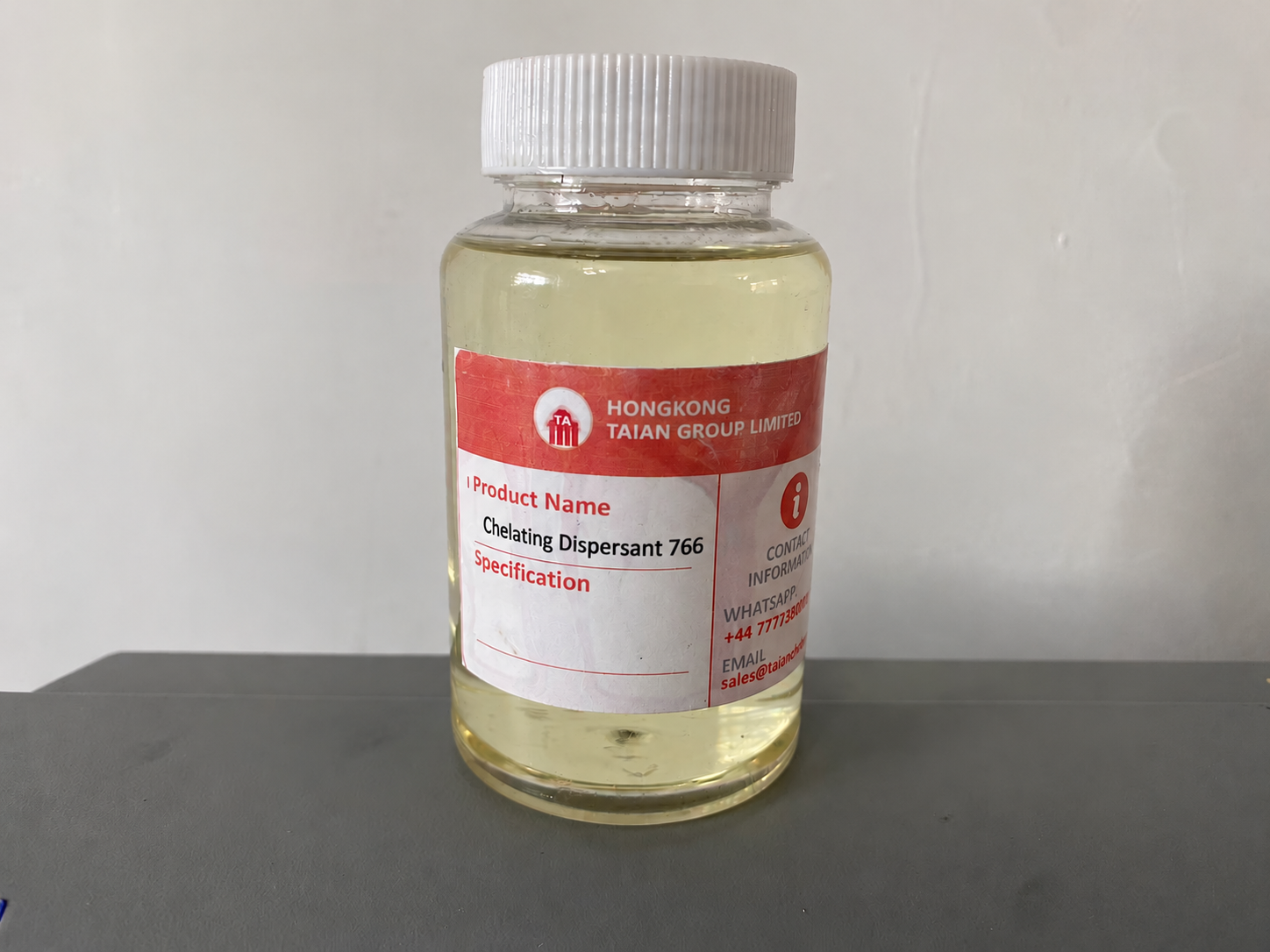
Desizing Enzyme: Advanced Solution for Textile Desizing Applications
Desizing Enzyme: Advanced Solution for Textile Desizing Applications
Desizing Enzyme is a cutting-edge bio-based product tailored to address critical textile desizing challenges, emerging as a superior alternative to traditional desizing methods in the textile industry. This enzyme-based solution specializes in fast and thorough starch hydrolysis, which is essential for removing sizing agents from textile fabrics— a key step in ensuring subsequent processing quality. Desizing Enzyme stands out for its ability to achieve efficient desizing with minimal fiber damage, protecting the inherent properties of fabrics while enhancing their overall quality. As the textile industry shifts toward sustainability and efficiency, Desizing Enzyme has become a preferred choice for manufacturers seeking to optimize their production processes without compromising on performance.
Desizing Enzyme delivers remarkable advantages over traditional chemical or high-temperature desizing methods, particularly in terms of fabric cleanliness and resource conservation
By leveraging the specificity of enzymatic reactions, Desizing Enzyme breaks down starch-based sizing agents into soluble components that can be easily washed away, resulting in cleaner fabrics with fewer residues compared to chemical desizing. Moreover, Desizing Enzyme reduces energy and water consumption significantly: unlike high-temperature desizing that requires substantial heat input, this enzyme can operate effectively under milder conditions, lowering energy costs, and its efficient starch hydrolysis minimizes the need for excessive water in rinsing processes.
Desizing Enzyme’s bio-based and biodegradable formulation aligns with global sustainability standards, making it an environmentally responsible choice for modern textile production
In an era where environmental regulations are becoming increasingly stringent, Desizing Enzyme helps manufacturers meet eco-friendly requirements without sacrificing desizing efficiency. This biodegradable nature also means that the enzyme does not leave harmful pollutants in wastewater, reducing the environmental impact of textile production. Additionally, Desizing Enzyme ensures excellent compatibility with subsequent dyeing and finishing processes, a critical feature that streamlines production workflows and maintains consistent product quality.
Desizing Enzyme exhibits broad temperature adaptability (45–95°C), a key characteristic that enhances its versatility across diverse textile production lines
This temperature range allows Desizing Enzyme to be integrated into various production processes, from low-temperature operations that further save energy to high-temperature workflows where its thermostable performance ensures consistent desizing results. The energy-saving low-temperature option of Desizing Enzyme is particularly valuable for manufacturers aiming to reduce their carbon footprint, while its thermostable high-temperature performance caters to high-volume production scenarios that demand reliability and efficiency.
Desizing Enzyme plays a vital role in Enzymatic Desizing processes, especially for cotton-based fabrics, making Enzymatic Desizing of Cotton Fabric a more efficient and gentle process
Cotton fabrics are widely used in the textile industry, and their desizing quality directly affects the final product’s appearance, hand feel, and durability. Desizing Enzyme is specifically optimized for Enzymatic Desizing of Cotton Fabric, as it effectively targets the starch sizing commonly used in cotton weaving without damaging the cotton fibers’ cellulose structure. This ensures that cotton fabrics retain their softness and strength after desizing, laying a solid foundation for subsequent dyeing and finishing.
Desizing Enzyme’s flexible solution design makes it suitable for diverse production lines, supporting consistent quality across both pure cotton and cotton blend fabrics
Whether processing lightweight cotton garments or heavy-duty cotton textiles, Desizing Enzyme can be adjusted to meet specific production requirements, ensuring uniform desizing results regardless of fabric type or thickness. This flexibility eliminates the need for multiple desizing agents for different fabric blends, simplifying inventory management and reducing production complexity for manufacturers.
In summary, Desizing Enzyme is a revolutionary product in the textile desizing sector, offering a comprehensive solution to critical desizing challenges through fast, thorough starch hydrolysis and minimal fiber damage. Compared to traditional methods, it enhances fabric cleanliness, reduces energy and water consumption, and meets global sustainability standards with its bio-based, biodegradable formulation. Its broad temperature adaptability, energy-saving options, thermostable performance, and compatibility with diverse production lines and fabrics—especially in Enzymatic Desizing of Cotton Fabric—make it an indispensable tool for modern textile manufacturers. As the industry continues to prioritize sustainability and efficiency, Desizing Enzyme is poised to play an increasingly important role in shaping eco-friendly and high-performance textile production processes.
Desizing Enzyme FAQ
1. What advantages does desizing enzyme offer in textile desizing processes?
Desizing enzyme provides significant advantages in textile desizing processes, primarily delivering fast and thorough starch hydrolysis while minimizing fiber damage. Compared to traditional chemical or high-temperature desizing methods, it enhances fabric cleanliness and reduces both energy and water consumption. Additionally, its bio-based and biodegradable formulation aligns with global sustainability standards, ensuring excellent compatibility with subsequent dyeing and finishing procedures.
2. What is the temperature adaptability range of desizing enzyme, and does it support low-temperature desizing?
Desizing enzyme features broad temperature adaptability, covering a range of 45–95°C. It supports energy-saving low-temperature desizing, which helps reduce energy consumption during production. Meanwhile, it maintains stable thermostable performance under high-temperature conditions, making it suitable for diverse production line requirements that involve different temperature settings.
3. Is desizing enzyme compatible with cotton fabrics and their blends?
Yes, desizing enzyme exhibits consistent quality performance across cotton fabrics and their blends. It can effectively hydrolyze starch sizes on these fabric types, achieving thorough desizing results without causing adverse effects on the fabric structure. This compatibility makes it a flexible solution for textile production lines that process a variety of cotton-based fabrics.
4. How does desizing enzyme contribute to the sustainability of textile production?
Desizing enzyme promotes sustainability in textile production through multiple aspects. Its bio-based and biodegradable formulation reduces environmental impact compared to chemical desizing agents. Moreover, it enables energy and water conservation by replacing high-energy-consuming traditional methods, and its compatibility with subsequent processes avoids additional environmental burdens from process adjustments, fully meeting global sustainability standards.
5. Can desizing enzyme adapt to diverse textile production lines?
Desizing enzyme is a flexible solution that can adapt to diverse production lines. Its broad temperature adaptability (45–95°C) allows it to integrate with different production temperature systems. It works effectively on various fabric forms and sizes, and its consistent performance on cotton and blends ensures stable desizing quality regardless of the specific production line configurations, meeting the diverse needs of textile manufacturers.