Deep Black Solutions for Modern Textiles
Deep Black Solutions for Modern Textiles
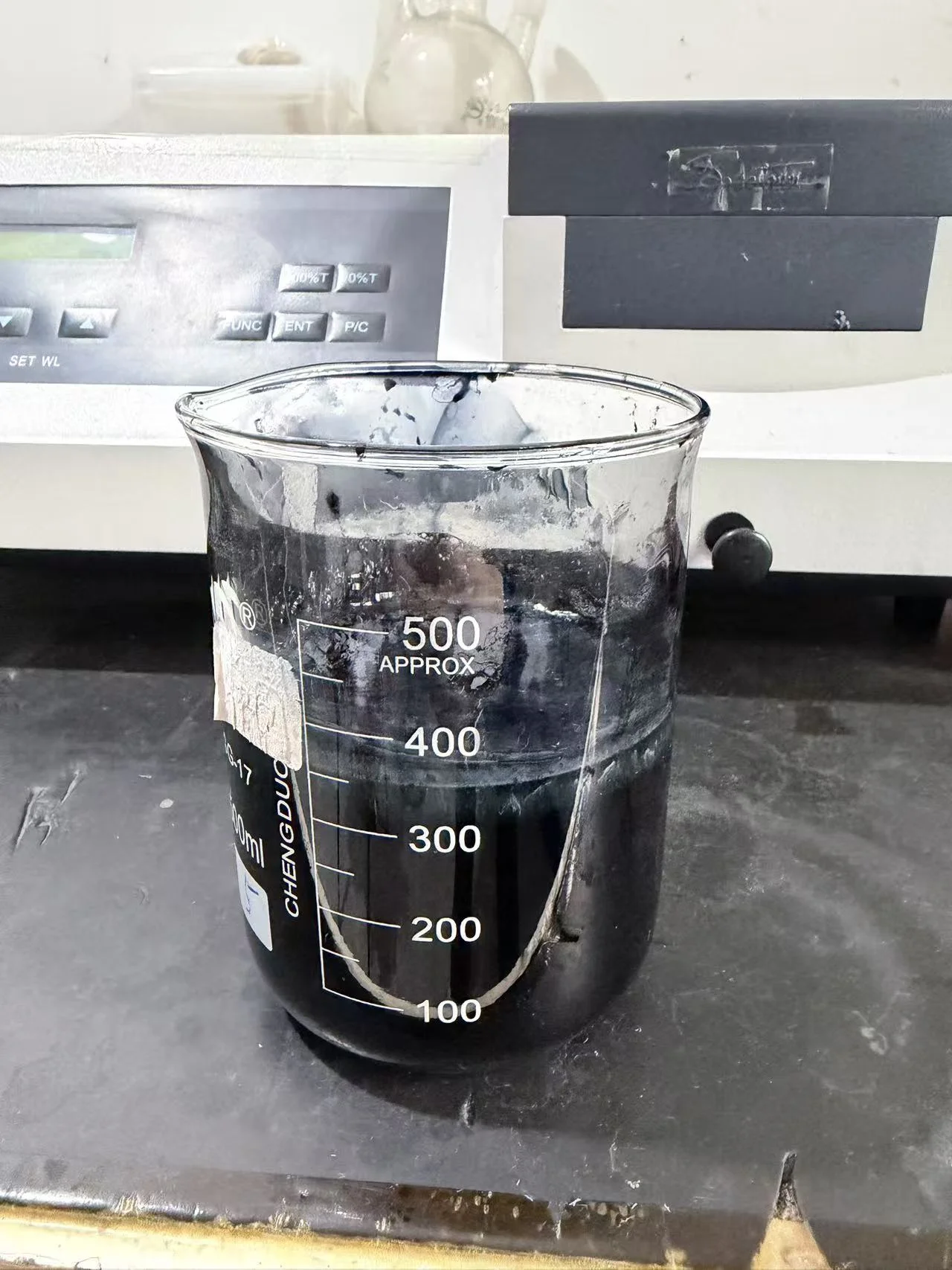
Achieving rich, deep black shades in textile production requires more than standard dyes. For cotton, viscose, and other cellulose fibers, the right choice of sulfur dye ensures consistent color strength and fastness. Unlike other dyes, sulfur dye penetrates fibers evenly, offering vibrant, long-lasting results ideal for high-volume textile production. Modern textile mills increasingly rely on sulfur dyes to meet the demanding color standards required by fashion, home furnishings, and industrial fabrics. Using a high-quality sulfur dye can reduce repeat dyeing, save resources, and maintain uniformity across large fabric batches.
Additionally, sulfur dye is versatile across different fabric weights and types, making it suitable for denim, shirting fabrics, and heavier canvas materials. With proper process control, sulfur dye ensures minimal color bleeding and excellent wash and light fastness, critical for end-users seeking high-quality products. Many manufacturers have reported that integrating sulfur dye into their production lines not only improves efficiency but also enhances customer satisfaction due to the deep, uniform color achieved.
Optimizing Fabric Quality with Dyeing Auxiliary
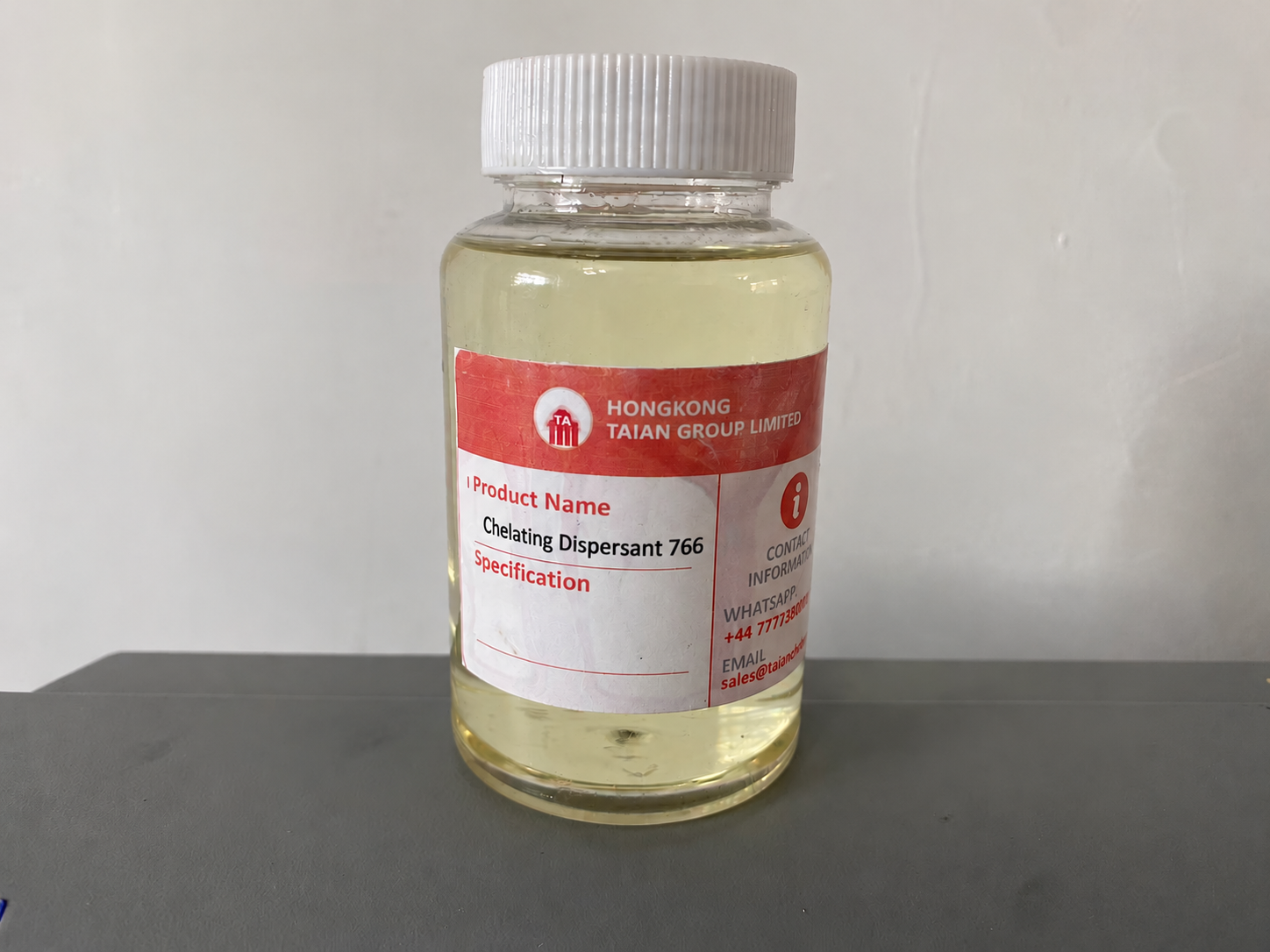
Textile manufacturers increasingly rely on dyeing auxiliary to improve dye uptake and fabric performance. These auxiliaries help control pH, disperse dye evenly, and reduce environmental impact during the dyeing process. Using high-quality dyeing auxiliary ensures fabrics maintain softness, strength, and uniform color, meeting stringent industry standards. In addition to enhancing dye absorption, dyeing auxiliary can prevent problems like uneven shades, streaks, or fabric damage during processing, making it an essential part of modern textile production.
Furthermore, dyeing auxiliary solutions today include eco-friendly formulations that minimize chemical discharge and water pollution. By integrating the right dyeing auxiliary into their workflow, textile mills can not only achieve superior dyeing quality but also align with global sustainability requirements. Professionals recommend testing different dyeing auxiliary types for specific fibers, ensuring compatibility and optimal results, especially when working with challenging dye classes such as sulfur black.
Sourcing Reliable Sulphur Dyes Manufacturers
Partnering with professional sulphur dyes manufacturers guarantees access to consistent and safe dye products. Experienced manufacturers provide technical guidance, quality assurance, and solutions tailored to specific fibers. Selecting the right sulphur dyes manufacturers can enhance production efficiency and reduce waste, a crucial factor in competitive textile markets. A reliable sulphur dyes manufacturers often offer detailed documentation on chemical composition, recommended application methods, and storage instructions, allowing mills to plan large-scale dyeing projects confidently.
Many textile producers have found that sourcing directly from trustworthy sulphur dyes manufacturers not only ensures product quality but also enables faster delivery, personalized support, and access to innovative dye formulations. Collaborating with the right sulphur dyes manufacturers can also help mills adapt to new fashion trends and meet customer-specific shade requirements without compromising performance.
Why Sulfur Dye Remains a Top Choice
Sulfur dye continues to dominate black and dark textile dyeing due to its cost-effectiveness and superior color fastness. Modern production methods allow sulfur dye to achieve uniform shades while minimizing chemical residues. This reliability makes it an essential product in textile mills worldwide. Textile engineers often prefer sulfur dye over reactive or direct dyes for deep black applications, as it delivers stronger color intensity and better resistance to washing and sunlight exposure.
In addition, sulfur dye is highly adaptable to both batch and continuous dyeing processes, which enhances its practicality for large-scale operations. Its affordability and efficiency make sulfur dye an ideal choice for manufacturers aiming to balance quality with production costs. Moreover, mills that integrate sulfur dye with proper auxiliaries can maintain high productivity while meeting customer expectations for rich, consistent color.
Innovations in Sulphur Dye Application
New techniques in applying sulphur dye allow for more sustainable processes, reducing water and energy consumption. Using optimized sulphur dye methods, manufacturers achieve better reproducibility and lower production costs while maintaining high-quality results suitable for fashion, home textiles, and industrial fabrics. Innovations include pre-reduced liquid forms of sulphur dye, which improve solubility and reduce processing time, as well as eco-conscious sulphur dye variants that minimize effluent load.
Additionally, combining sulphur dye with modern dyeing auxiliaries allows for enhanced penetration into fibers, improving color fastness and uniformity. Mills adopting these advanced sulphur dye application techniques report less chemical waste, reduced machine downtime, and higher consistency across fabric batches. Continuous research by sulphur dyes manufacturers ensures that dye formulations evolve with industry needs, offering mills new solutions that are both practical and environmentally responsible.
FAQs About Sulfur Dyes and Dyeing Auxiliary
What fibers are suitable for sulfur dye?
Sulfur dyes are best for cellulose fibers such as cotton, viscose, and blends, offering deep and fast black shades.
How does dyeing auxiliary improve textile quality?
Dyeing auxiliaries enhance dye penetration, stabilize pH levels, and prevent uneven coloring, ensuring consistent fabric quality.
Can I buy sulphur dyes directly from manufacturers?
Yes, partnering with professional sulphur dyes manufacturers provides direct access to bulk supplies and technical support.
Are sulfur dyes environmentally friendly?
While traditional sulfur dyes require careful handling, modern formulations and proper auxiliary use reduce environmental impact significantly.
What makes sulfur dye different from reactive or vat dyes?
Sulfur dye is particularly cost-effective for dark shades, offering strong color fastness with lower chemical costs, ideal for large-scale textile production.