Comprehensive Guide to the List of Chemicals Used in Textile Industry Processes
Comprehensive Guide to the List of Chemicals Used in Textile Industry Processes
List of Chemicals Used in Textile Industry
The textile industry relies on a vast array of chemicals throughout its production processes, from fiber preparation to finishing. These chemicals play vital roles in enhancing fabric properties like color, texture, durability, and performance. Understanding the list of chemicals used in textile industry is crucial for manufacturers, researchers, and environmental regulators. This article provides a comprehensive overview of commonly used chemicals, their applications, and considerations for sustainable practices. Choosing the right chemicals, responsibly, is key to producing high-quality textiles while minimizing environmental impact.
Fiber Processing Chemicals
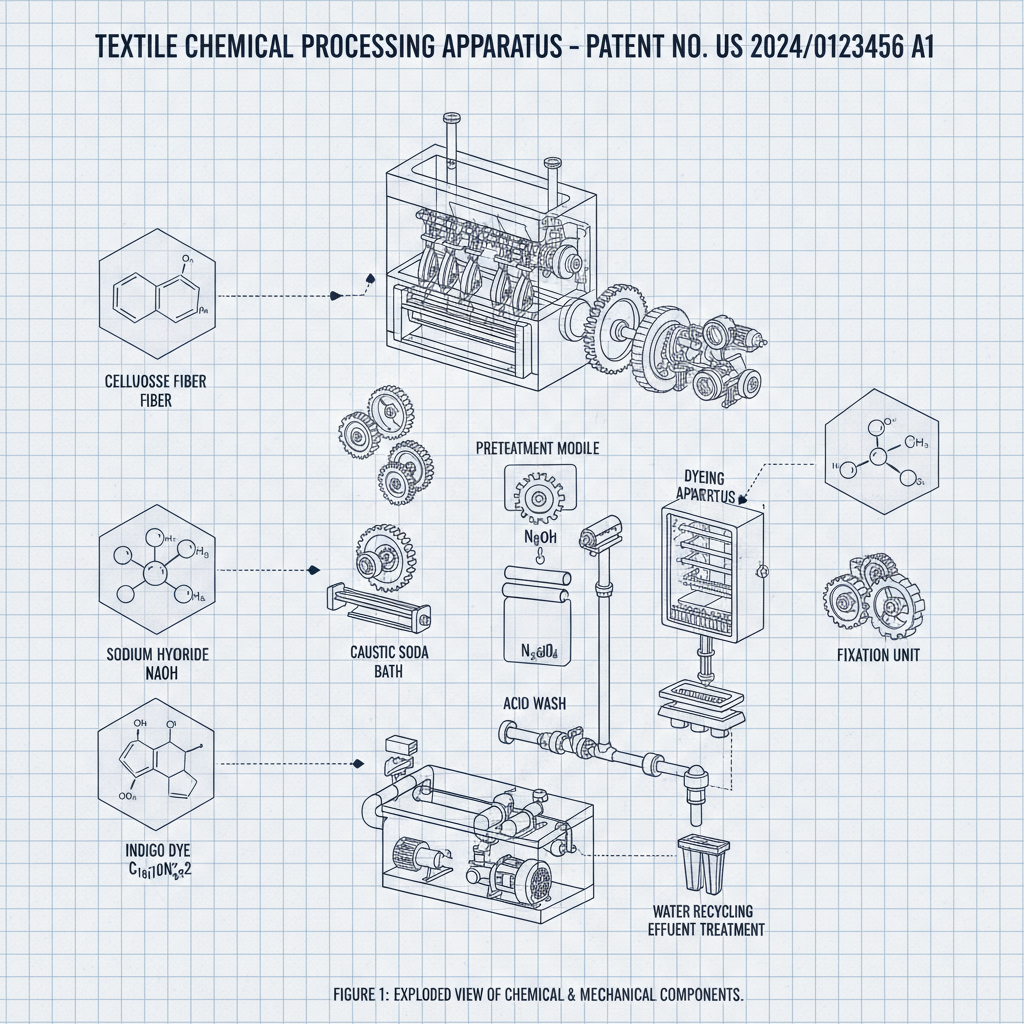
The initial stages of textile production involve preparing fibers for yarn formation. This often necessitates using chemicals for cleaning, lubrication, and modification. Scouring agents, like sodium hydroxide, remove impurities from natural fibers like cotton. Synthetic fibers often require antistatic agents to reduce friction during processing. Mercerization, a process used on cotton, employs sodium hydroxide to improve luster, strength, and dye affinity. These pre-treatment chemicals lay the foundation for subsequent stages and significantly impact the final product quality. The selection of these chemicals needs careful consideration to prevent fiber damage and ensure optimal results.
Key Highlights: Chemicals are vital for cleaning, lubricating and modifying fibers, improving their properties for yarn formation.
Dyeing and Printing Chemicals
Dyeing and printing are central to adding color and patterns to textiles. A wide range of dyes are used, including reactive dyes (for cotton), disperse dyes (for polyester), and acid dyes (for nylon). These dyes require auxiliary chemicals such as leveling agents, dispersing agents, and fixing agents to ensure uniform dye uptake and colorfastness. Printing processes utilize thickeners, binders, and other additives to create desired designs. The choice of dye and accompanying chemicals directly influences the vibrancy, durability, and environmental impact of the finished textile. Dyeingchem.com offers a wide selection of high-quality dyes and auxiliaries.
Dyeing & Printing Chemicals Benefits:
• Ensure uniform dye uptake and colorfastness.
• Influence vibrancy and durability of colors.
• Various dye types for different fiber types (cotton, polyester, nylon).
• Proper selection minimizes environmental impact.
Finishing Chemicals
Finishing treatments enhance the performance and aesthetic properties of textiles. Common finishes include wrinkle-resistant finishes (using formaldehyde-based resins or alternatives), water-repellent finishes (using fluorocarbons or waxes), and antimicrobial finishes (using silver nanoparticles or other biocides). Softeners improve the handle and drape of fabrics. Flame retardants enhance safety by reducing flammability. The application of these finishing chemicals requires careful control to ensure desired effects without compromising fabric strength or environmental safety. The demand for sustainable finishing options is increasing, driving innovation in eco-friendly chemical alternatives.
A Comparison of Traditional vs. Sustainable Finishing Chemicals
The textile industry is moving towards more sustainable practices. This includes replacing traditional finishing chemicals with environmentally friendly alternatives. Here’s a comparison:
Auxiliary Chemicals and Their Roles
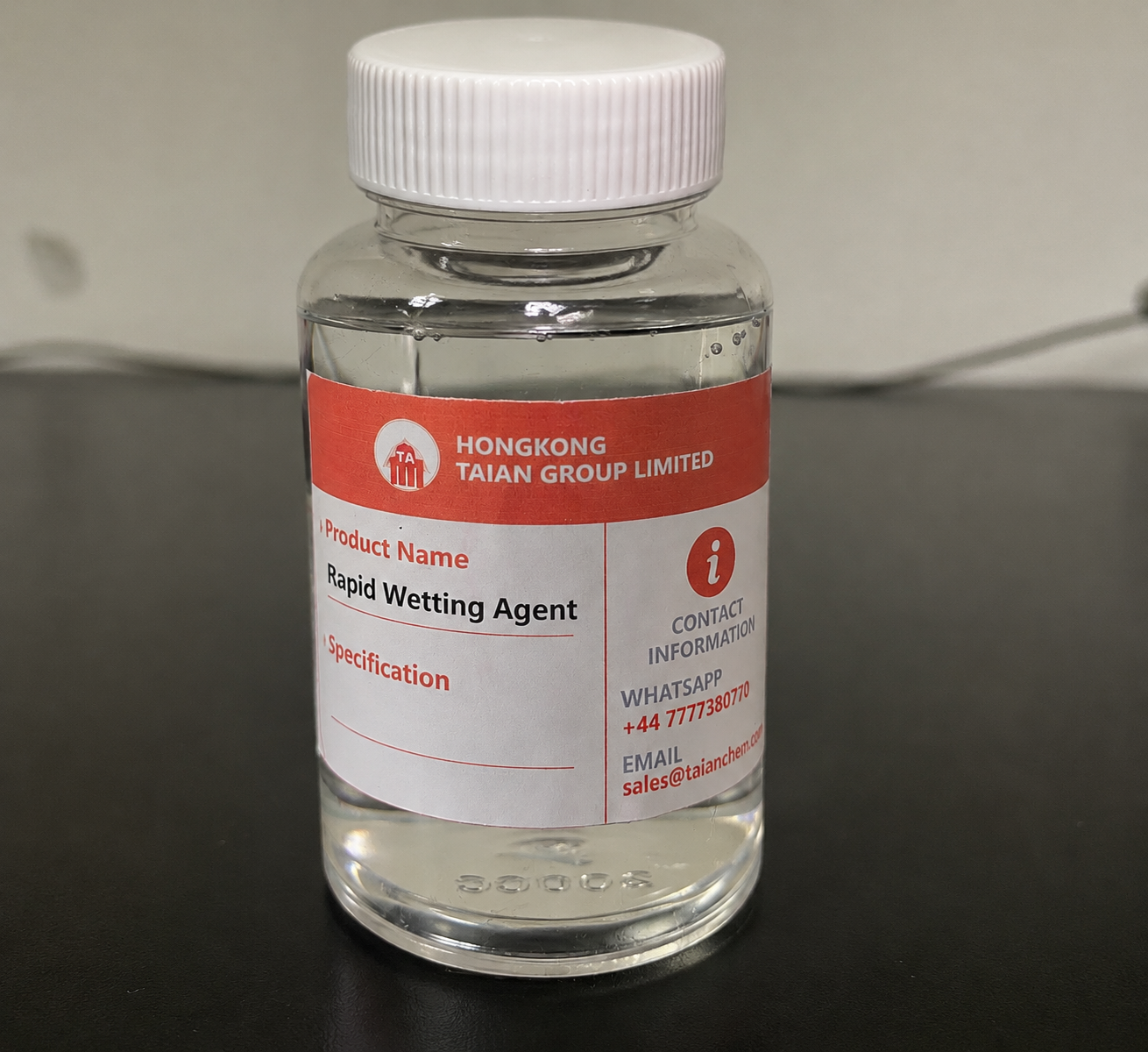
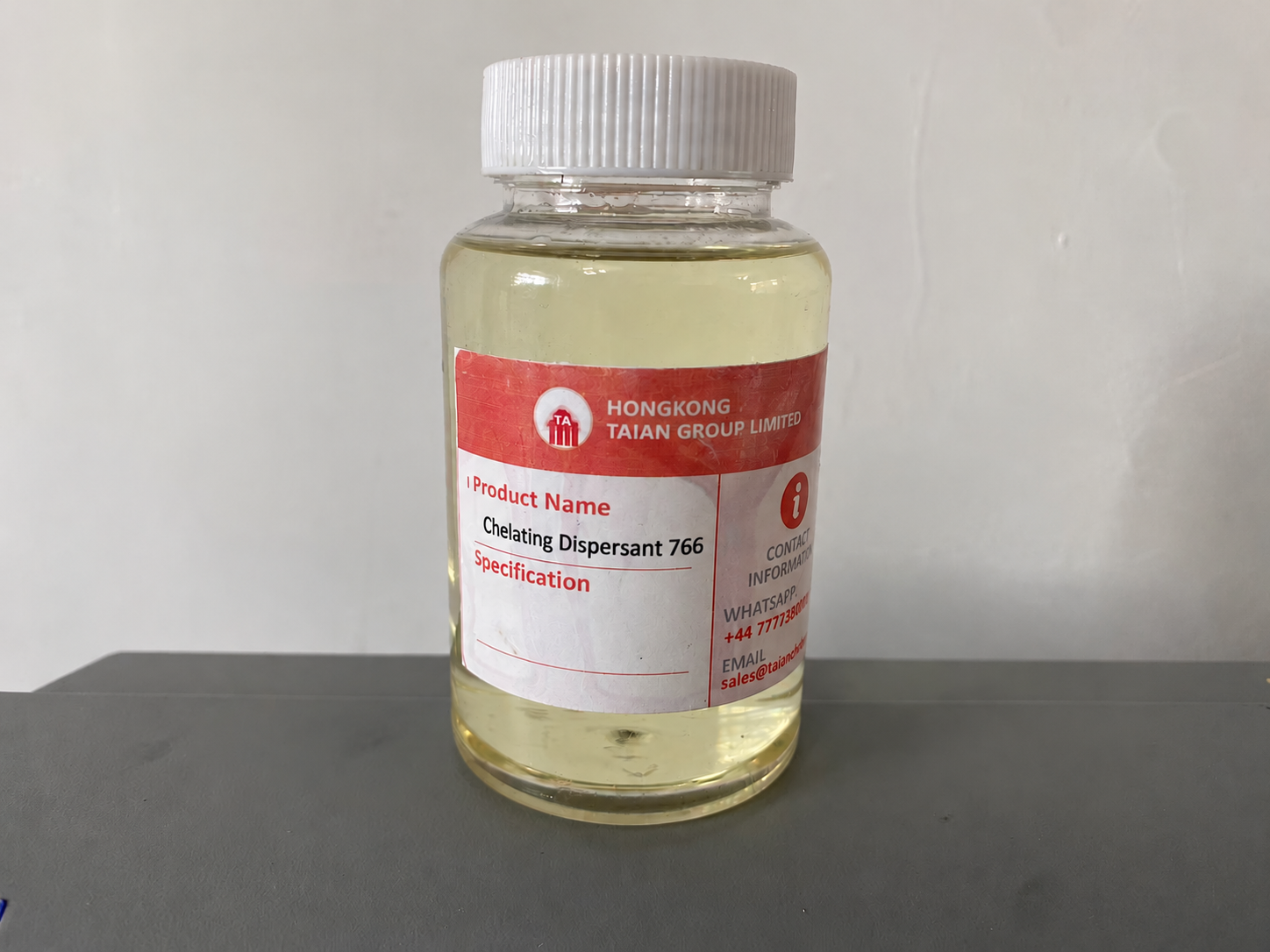
Beyond the primary chemicals, numerous auxiliary agents are essential for efficient textile processing. These include wetting agents (for improved dye penetration), sequestrants (to remove metal ions that can interfere with dyeing), and defoamers (to prevent foam formation during processing). Each auxiliary chemical plays a specific role in optimizing the performance of the main chemical processes, ensuring quality and reducing waste. Utilizing high-quality auxiliary chemicals can also contribute to reducing water and energy consumption in textile manufacturing.
Environmental and Safety Considerations
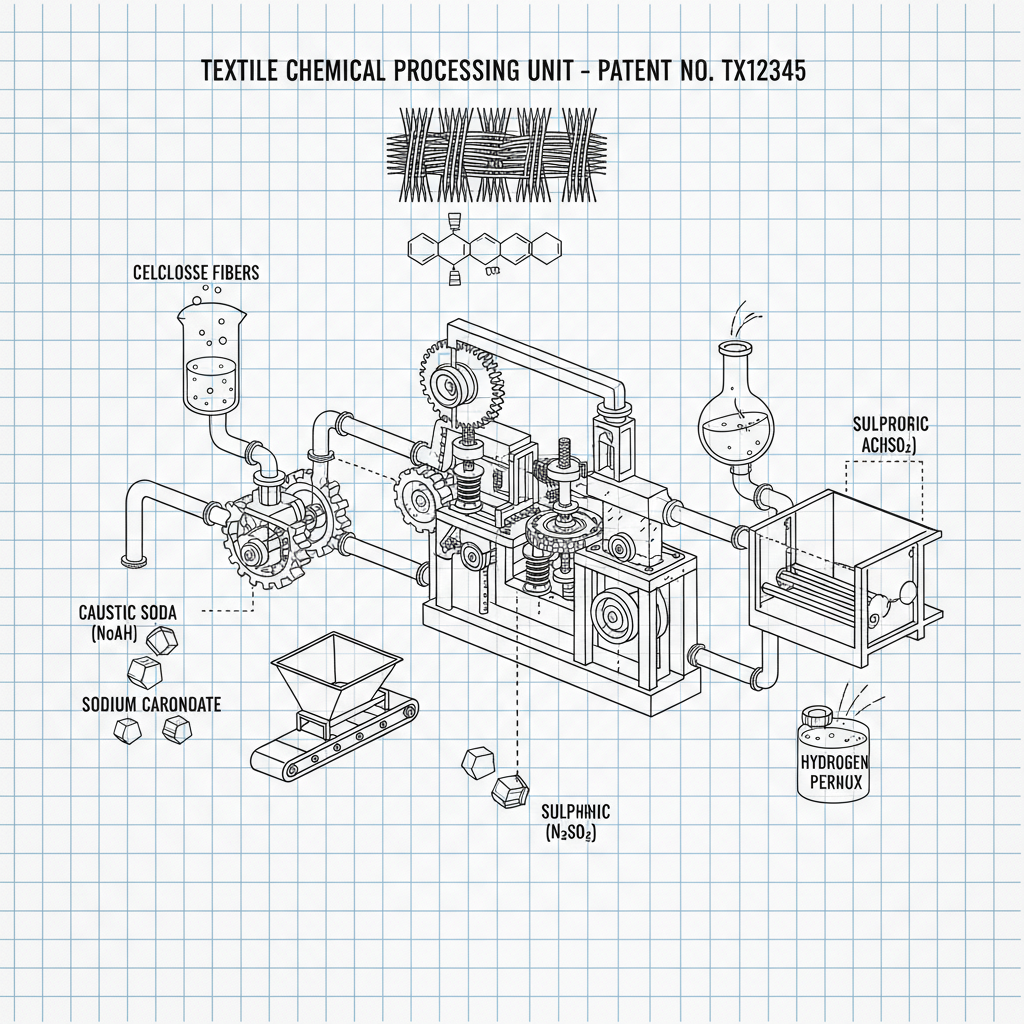
The use of chemicals in the textile industry raises significant environmental and safety concerns. Many traditional chemicals are persistent pollutants and can pose risks to human health and ecosystems. Wastewater treatment is crucial to remove harmful chemicals before discharge. Increasingly, companies are adopting cleaner production technologies, utilizing eco-friendly chemicals, and implementing closed-loop systems to minimize environmental impact. Stringent regulations and certifications like OEKO-TEX Standard 100 are promoting responsible chemical management in the textile supply chain.
Conclusion: Navigating the Chemical Landscape of Textiles
The list of chemicals used in textile industry is extensive and continuously evolving. Choosing the right chemicals, prioritizing sustainability, and adhering to safety regulations are paramount for responsible textile manufacturing. By embracing innovation and adopting cleaner technologies, the industry can minimize its environmental footprint and ensure a safer future for workers and consumers.
Frequently Asked Questions (FAQs)
What are the most common environmental concerns related to textile chemicals?
The most significant environmental concerns include water pollution from chemical discharge, the release of volatile organic compounds (VOCs) into the atmosphere, and the persistence of certain chemicals in the environment. Many traditional dyes and finishing agents contain hazardous substances that can bioaccumulate in the food chain and pose risks to aquatic ecosystems and human health. Microplastics released during washing synthetic textiles also contribute to environmental pollution. Implementing effective wastewater treatment systems and transitioning to eco-friendly alternatives are crucial for mitigating these concerns.
How can textile manufacturers reduce their reliance on hazardous chemicals?
Textile manufacturers can reduce reliance on hazardous chemicals through several strategies. These include adopting cleaner production technologies, substituting hazardous chemicals with safer alternatives, implementing closed-loop systems to recycle water and chemicals, and investing in research and development of innovative materials and processes. Utilizing certifications like OEKO-TEX Standard 100 and GOTS (Global Organic Textile Standard) can also guide chemical selection and ensure compliance with environmental standards.
What role does wastewater treatment play in minimizing the environmental impact of textile chemicals?
Wastewater treatment is crucial for removing harmful chemicals, dyes, and other pollutants from textile effluent before it is discharged into the environment. Effective wastewater treatment systems typically involve a combination of physical, chemical, and biological processes, such as sedimentation, coagulation, filtration, and biodegradation. Advanced treatment technologies, such as activated carbon adsorption and membrane filtration, can further enhance pollutant removal. Proper wastewater treatment is essential for protecting water resources and minimizing the ecological impact of textile manufacturing.
Where can I find more information about sustainable textile chemicals?
Several resources provide information about sustainable textile chemicals. Organizations like the Sustainable Apparel Coalition, the Zero Discharge of Hazardous Chemicals (ZDHC) Programme, and the Textile Exchange offer guidelines, certifications, and resources for promoting sustainable chemical management. Websites like Dyeingchem.com provide information about eco-friendly dyes and auxiliary chemicals. Furthermore, research publications and industry conferences offer insights into the latest advancements in sustainable textile chemistry.