Comprehensive Guide to Sulphur Dyeing Techniques and Textile Applications
Comprehensive Guide to Sulphur Dyeing Techniques and Textile Applications
Understanding Sulphur Dyeing: A Comprehensive Guide
Sulphur dyeing is a cost-effective and widely used method for coloring cellulosic fibers, particularly cotton. This process, known for its deep shades and excellent wash fastness, offers a unique approach to textile coloration. This article delves into the intricacies of sulphur dyeing, covering its principles, applications, advantages, disadvantages, and future trends. Understanding this technique is crucial for textile manufacturers and professionals seeking efficient and sustainable dyeing solutions.

The Chemistry Behind Sulphur Dyeing
Sulphur dyes aren't single compounds but complex mixtures formed by reacting organic compounds with sodium polysulphide. The resulting insoluble dye is applied to the fabric in a reducing alkaline bath, typically using sodium sulphide. The process involves the formation of leuco compounds (soluble reduced forms of the dye) that have an affinity for the fiber. Upon oxidation – usually by exposure to air – the leuco compounds are converted back to the insoluble coloured form, trapping the dye within the fiber. This oxidation step is critical for achieving colour development and wash fastness. Different organic compounds combined with polysulphides yield a wide spectrum of colors, predominantly blacks, browns, and navy blues.
Key Highlights: Sulphur dyes are known for their good wash and light fastness, especially on dark shades. They're also relatively inexpensive, making them a popular choice for large-scale textile production.
Sulphur Dyeing Process: A Step-by-Step Guide
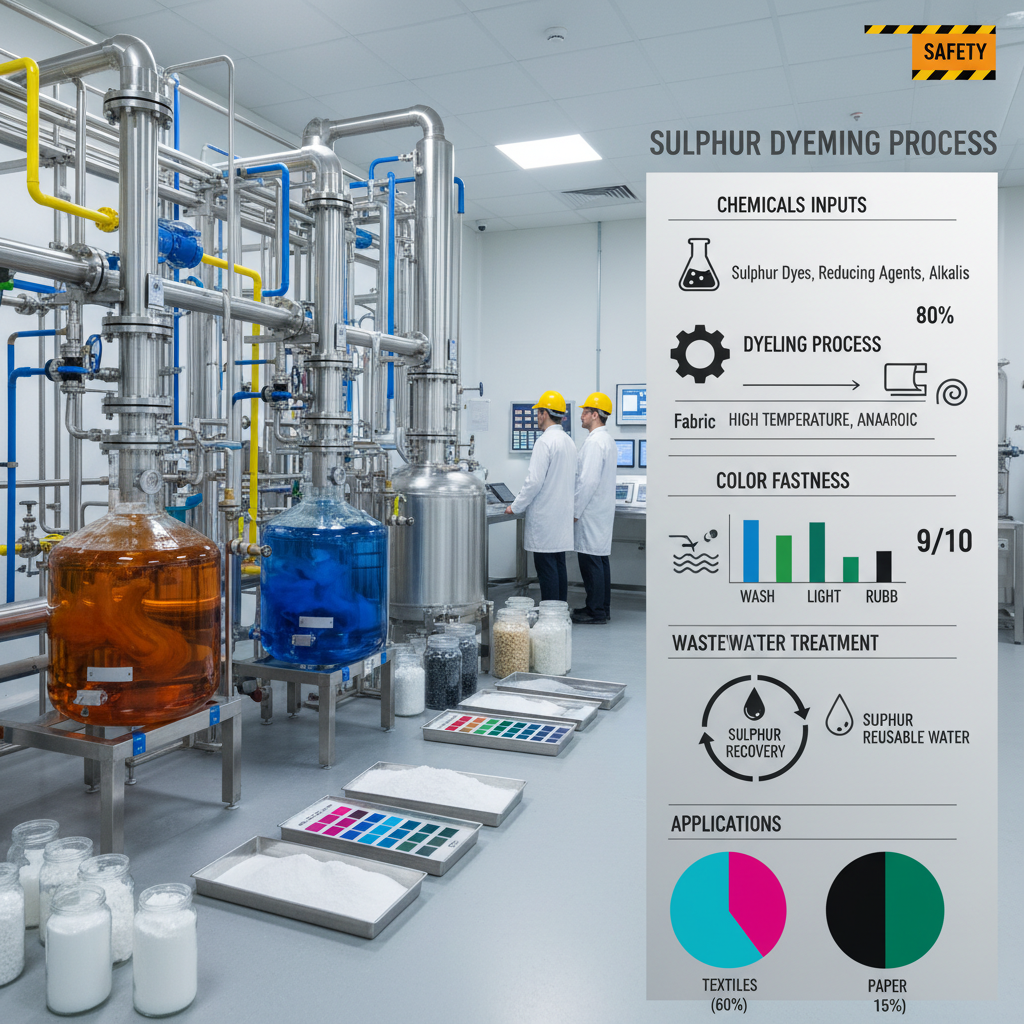
The sulphur dyeing process generally follows these key steps:
- Preparation: The fabric is scoured and bleached to remove impurities.
- Dyeing: The dye is dissolved in a reducing agent (sodium sulphide) and applied to the fabric in an alkaline bath.
- Steeping: The material is heated gradually to allow the dye to penetrate the fiber.
- Oxidation: The fabric is exposed to air or an oxidizing agent to develop the colour.
- Rinsing & Soaping: The fabric is rinsed thoroughly and soaped to remove excess dye and chemicals.
- Drying: The dyed fabric is dried.
Advantages and Disadvantages of Sulphur Dyeing
Like any dyeing process, sulphur dyeing has its own set of pros and cons. The primary advantages include its low cost, excellent wash fastness (particularly for dark shades), and suitability for cellulosic fibers. However, it also presents challenges such as prolonged dyeing times, the generation of odorous hydrogen sulphide gas, and potential environmental concerns related to wastewater treatment. The color range is limited primarily to darker shades, which can be a disadvantage for certain applications. Effective waste management and odour control systems are vital for responsible sulphur dyeing operations.
Sulphur Dyeing: Pros & Cons
• Advantages: Low cost, good wash fastness, suitable for cotton.
• Disadvantages: Limited color range, odour issues, wastewater concerns.
Sulphur Dyeing vs. Other Dyeing Methods
Compared to other dyeing techniques like reactive dyeing and vat dyeing, sulphur dyeing differs significantly in terms of cost, color range, and environmental impact. Reactive dyes offer a wider colour palette and brighter shades but are more expensive and can produce highly saline effluent. Vat dyeing provides excellent fastness properties but is more complex and costly than sulphur dyeing. Sulphur dyeing remains a viable option for achieving economical dark shades on cellulosic materials, but requires careful management of its environmental drawbacks.
Future Trends in Sulphur Dyeing
Research is ongoing to address the environmental concerns associated with sulphur dyeing. This includes the development of more efficient wastewater treatment methods, exploring alternative reducing agents to reduce hydrogen sulphide emissions, and investigating modified dyeing processes that minimize chemical usage. Furthermore, advancements in dye formulations aim to expand the colour range while maintaining the cost-effectiveness of this valuable dyeing technique. Dyeingchem is dedicated to providing innovative solutions in this field.
Conclusion: The Enduring Role of Sulphur Dyeing
Sulphur dyeing continues to play a significant role in the textile industry due to its economic advantages and ability to produce durable dark shades. While environmental challenges exist, ongoing research and innovative solutions are paving the way for a more sustainable future for this widely-used dyeing process.
Frequently Asked Questions (FAQs)
What fabrics are best suited for sulphur dyeing?
Sulphur dyeing is most effectively applied to cellulosic fibers, such as cotton, viscose rayon, and linen. These fibers have an inherent affinity for the dye molecules due to their chemical structure. The process is less effective on synthetic fibers like polyester or nylon, which require different dyeing techniques. The fiber needs to be adequately prepared – scoured and bleached – to ensure optimal dye uptake and even coloration.
What safety precautions should be taken when using sulphur dyes?
Sulphur dyes and the chemicals used in the process can be hazardous. It's crucial to wear appropriate personal protective equipment (PPE), including gloves, masks, and eye protection. Work in a well-ventilated area to avoid inhaling hydrogen sulphide gas, which is released during the dyeing process. Proper handling and disposal of chemicals are essential to minimize environmental and health risks. Consult the Safety Data Sheet (SDS) for detailed safety information.
How can the environmental impact of sulphur dyeing be minimized?
Minimizing the environmental impact involves several strategies. Efficient wastewater treatment is crucial to remove dyes, reducing agents, and other pollutants. Optimizing the dyeing process to reduce chemical usage and water consumption can also make a significant difference. Exploring alternative reducing agents and oxidation methods can help reduce the release of harmful gases. Responsible waste management practices, including proper disposal of sludge and by-products, are also essential.
Where can I source high-quality sulphur dyes?
Dyeingchem is a trusted supplier of high-quality sulphur dyes and related chemicals for the textile industry. We offer a comprehensive range of products and technical support to help you achieve optimal dyeing results. We are committed to sustainable practices and providing innovative solutions for our customers.