Comprehensive Guide to Sulphur Black Manufacturers and Dyeing Solutions
Comprehensive Guide to Sulphur Black Manufacturers and Dyeing Solutions
Sulphur Black Manufacturers: A Comprehensive Guide
Sulphur black is a vital dye in the textile industry, renowned for its deep, intense black shade and cost-effectiveness. Choosing a reliable sulphur black manufacturer is crucial for consistent quality, competitive pricing, and timely delivery. This article delves into the world of sulphur black dye, exploring its applications, manufacturing considerations, key suppliers, and factors to consider when selecting the best partner for your dyeing needs. We’ll cover everything from production methods to quality control, providing a comprehensive resource for textile professionals.
Understanding Sulphur Black Dye
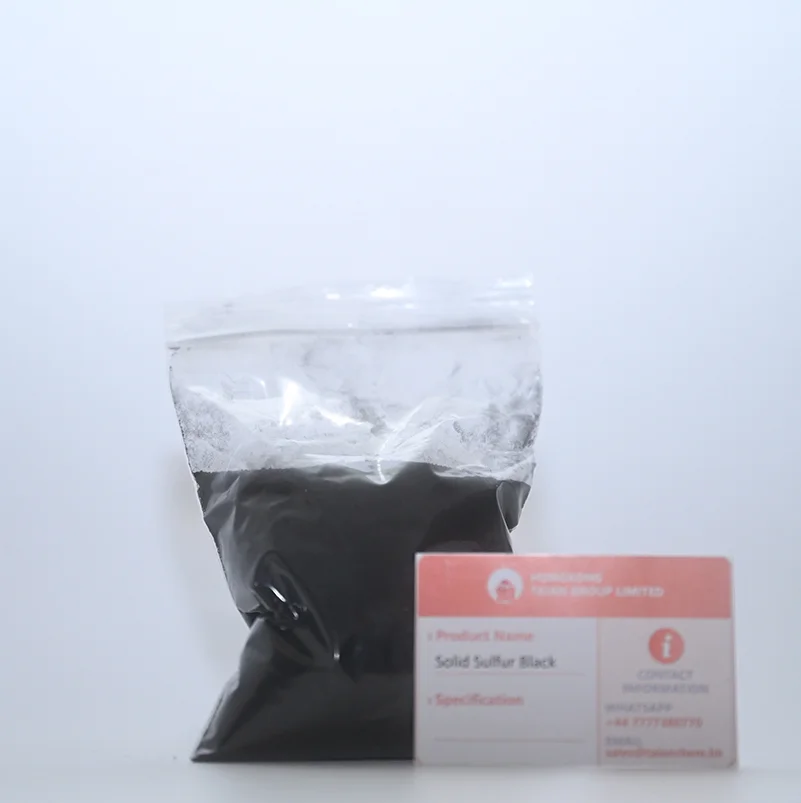
Sulphur black dye is an anionic dye commonly used to dye cellulose fibers like cotton, linen, and viscose rayon. Its popularity stems from its relatively low cost compared to other black dyes, such as reactive or vat dyes. The dye is applied through a reduction process, involving sodium sulfide as a reducing agent, which converts the insoluble dye into a soluble form capable of penetrating the fabric. It’s known for excellent wash fastness, though light fastness can be a concern in some formulations. Proper dye selection and application techniques are essential for achieving optimal results. Dyeingchem specializes in high-quality sulphur black dyes designed for consistent and reliable performance.
Key Highlights: Sulphur black is cost-effective, delivers excellent wash fastness, and is suitable for cellulose fibers. Proper application is critical for optimal light fastness.
Key Factors When Choosing Sulphur Black Manufacturers
Selecting the right sulphur black manufacturers requires careful consideration of several factors. Consistent dye quality is paramount, ensuring batch-to-batch uniformity for predictable dyeing results. A reputable manufacturer will have robust quality control procedures, including testing for purity, shade, and solubility. Production capacity is another important factor, especially for large-scale operations. Competitive pricing is essential, but it shouldn't come at the expense of quality. Finally, reliable logistics and timely delivery are crucial for maintaining production schedules. Look for manufacturers with certifications like ISO 9001 to ensure adherence to international quality standards.
Key Considerations:
• Consistent Dye Quality
• Robust Quality Control
• Sufficient Production Capacity
• Competitive Pricing
• Reliable Logistics
Sulphur Black Dye: Technical Specifications
Understanding the technical specifications of sulphur black dye is crucial for optimal application. Different grades of sulphur black are available, varying in shade, purity, and particle size. Here’s a typical specification sheet for a common grade:
Comparing Sulphur Black to Alternative Black Dyes
While sulphur black remains a popular choice, it’s important to understand its position relative to other black dye options. Reactive black dyes offer superior light fastness but are significantly more expensive. Vat dyes provide excellent fastness properties but require a more complex application process. Direct dyes are less expensive than reactive dyes but offer inferior wash fastness. The best choice depends on the specific requirements of the application, considering factors like budget, desired fastness properties, and fabric type. Dyeingchem’s experts can help you determine the most suitable dye for your needs.

Why Choose Dyeingchem as Your Sulphur Black Supplier?
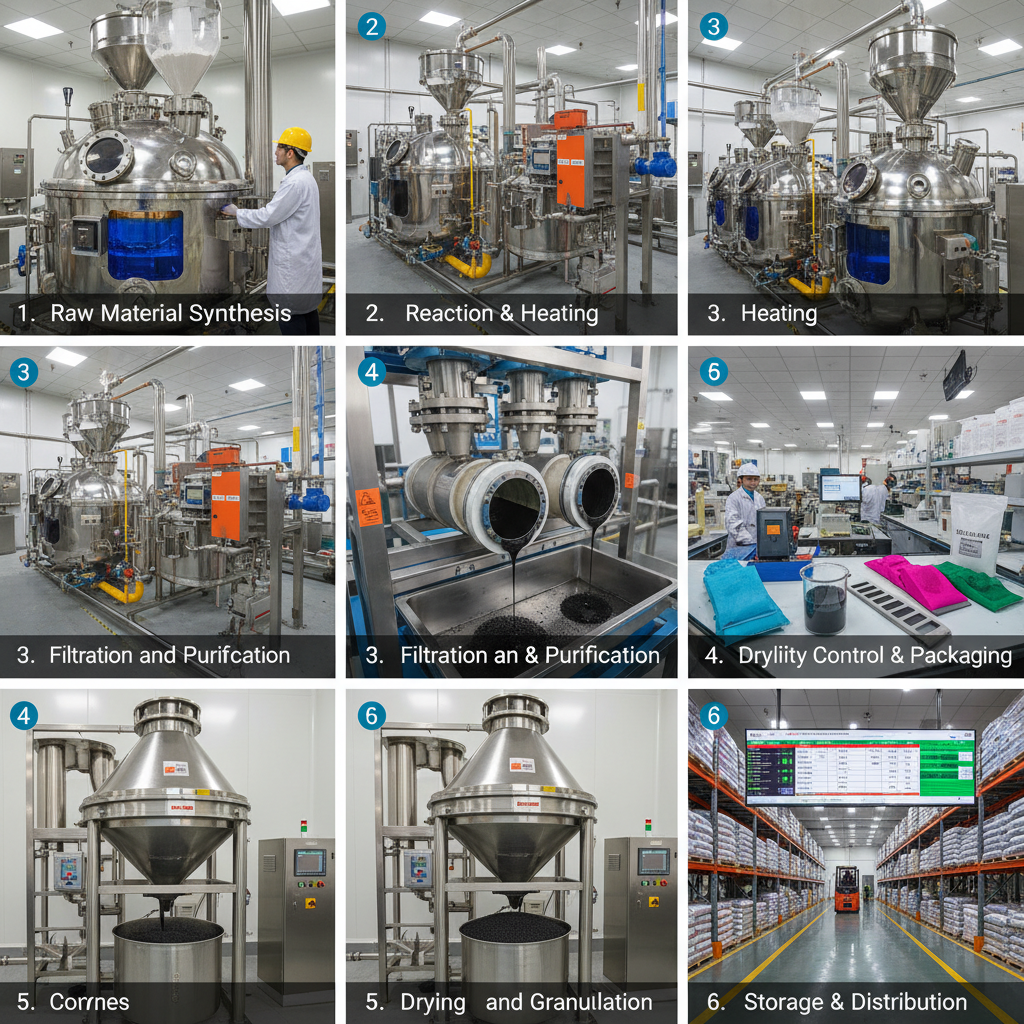
Dyeingchem stands out as a leading sulphur black manufacturer due to our commitment to quality, competitive pricing, and exceptional customer service. We have a state-of-the-art production facility, rigorous quality control procedures, and a dedicated team of experts. We offer a wide range of sulphur black grades to meet diverse application requirements. Furthermore, we provide comprehensive technical support and timely delivery, ensuring a seamless experience for our customers. We are dedicated to building long-term partnerships based on trust and mutual success.
Conclusion
Choosing the right sulphur black manufacturer is vital for textile dyeing success. Dyeingchem delivers consistent quality, competitive pricing, and reliable service, making us the ideal partner for your dyeing needs.
Frequently Asked Questions (FAQs)
What is the typical application process for sulphur black dye?
The application process involves dissolving the dye in warm water with sodium sulfide as a reducing agent. This creates a soluble leuco form of the dye. The fabric is then immersed in the dye bath, and oxidation is initiated by exposure to air or an oxidizing agent like hydrogen peroxide. This converts the leuco form back to the insoluble dye, which becomes fixed within the fiber. Thorough washing is essential to remove any residual dye and chemicals. The precise conditions, including temperature, pH, and dyeing time, will vary depending on the specific dye grade and fabric type.
What safety precautions should be taken when handling sulphur black dye?
Sulphur black dye can cause irritation to the skin and eyes. It’s crucial to wear appropriate personal protective equipment (PPE), including gloves, safety glasses, and a dust mask, when handling the dye. Avoid inhaling the dye dust and ensure adequate ventilation in the work area. In case of contact with skin or eyes, rinse immediately with plenty of water and seek medical attention if irritation persists. Follow all safety guidelines provided in the Safety Data Sheet (SDS) for the specific dye product.
Does sulphur black dye have any environmental concerns?
The dyeing process involving sulphur black can generate wastewater containing sulfides and other pollutants. Proper wastewater treatment is essential to minimize environmental impact. This often involves oxidation of sulfides to sulfates and removal of residual dye. Manufacturers like Dyeingchem are increasingly focused on developing more sustainable dyeing processes and reducing the environmental footprint of their products.