Comprehensive Guide to Sulphur Black Liquid for Textile Dyeing Applications
Comprehensive Guide to Sulphur Black Liquid for Textile Dyeing Applications
Sulphur Black Liquid: A Comprehensive Guide for Textile Dyeing
Sulphur black liquid is a widely used dye in the textile industry, renowned for its cost-effectiveness and ability to produce deep, rich black shades on cellulosic fibers like cotton. This article provides a detailed overview of sulphur black liquid, covering its properties, applications, dyeing process, safety considerations, and quality control. Whether you are a textile manufacturer, dyer, or involved in sourcing dyes, this guide will offer valuable insights. Explore our comprehensive range of dyeing chemicals at DyeingChem.com.
Understanding the Properties of Sulphur Black Liquid
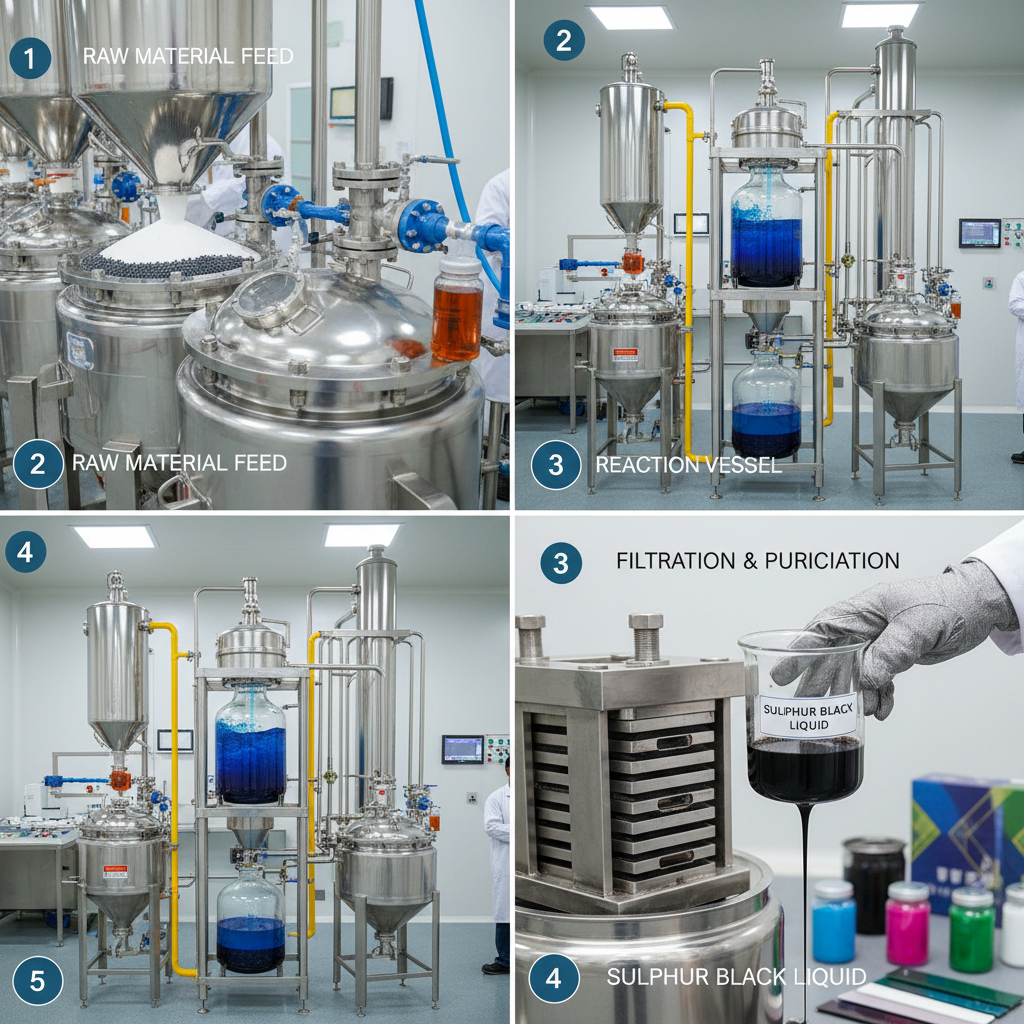
Sulphur black liquid is an anionic dye complex containing sulfur, carbon, and various organic components. Its primary characteristics include excellent wash fastness, moderate light fastness, and good affinity for cotton and other cellulosic materials. The dye is typically sold as a viscous liquid, making it easy to handle and disperse in the dye bath. Importantly, it requires a reduction process during dyeing to convert the insoluble form into a soluble leuco form that can penetrate the fibers. The colour yield and final shade intensity is highly dependent on the concentration used, dye bath temperature, and alkali content.
Key Highlights: Excellent wash fastness, good affinity for cellulosic fibers, readily soluble in reduced form, cost-effective dyeing solution.
Applications of Sulphur Black Liquid in Textile Dyeing
The primary application of sulphur black liquid is dyeing cotton, viscose, and other cellulosic fabrics. It is widely used for producing workwear, denim, military fabrics, and various apparel items where a durable, dark black color is essential. Due to its relatively low cost, it’s especially popular in mass-production scenarios. Furthermore, it can be blended with other dyes to achieve different shades and effects. The dye is also used in the dyeing of paper and leather. DyeingChem provides consistent quality sulphur black liquid for diverse applications.
Application Benefits:
• Cost-effective for large-scale dyeing
• Produces deep, rich black shades
• Excellent wash fastness for durable colors
• Suitable for a wide range of cellulosic fibers
Sulphur Black Liquid vs. Other Black Dyes: A Comparison
While several black dyes are available, sulphur black liquid differs significantly in terms of cost, application, and properties. Reactive dyes offer superior light fastness but are considerably more expensive. Vat dyes provide excellent fastness properties but require more complex dyeing procedures. Direct dyes are easy to apply but have limited wash fastness. The following table summarizes the key differences:
The Sulphur Dyeing Process: A Step-by-Step Guide
Dyeing with sulphur black liquid involves a specific process. First, the dye is dissolved in warm water with a reducing agent, typically sodium sulfide. This converts the insoluble dye into its soluble leuco form. The fabric is then immersed in the dye bath, maintained at a specific temperature (typically 80-90°C) and pH, with continuous stirring. After dyeing, the fabric undergoes oxidation, usually with hydrogen peroxide, to regenerate the insoluble dye within the fibers. Thorough washing is crucial to remove excess dye and chemicals, resulting in a durable and colourfast black shade.
Safety Considerations and Environmental Impact
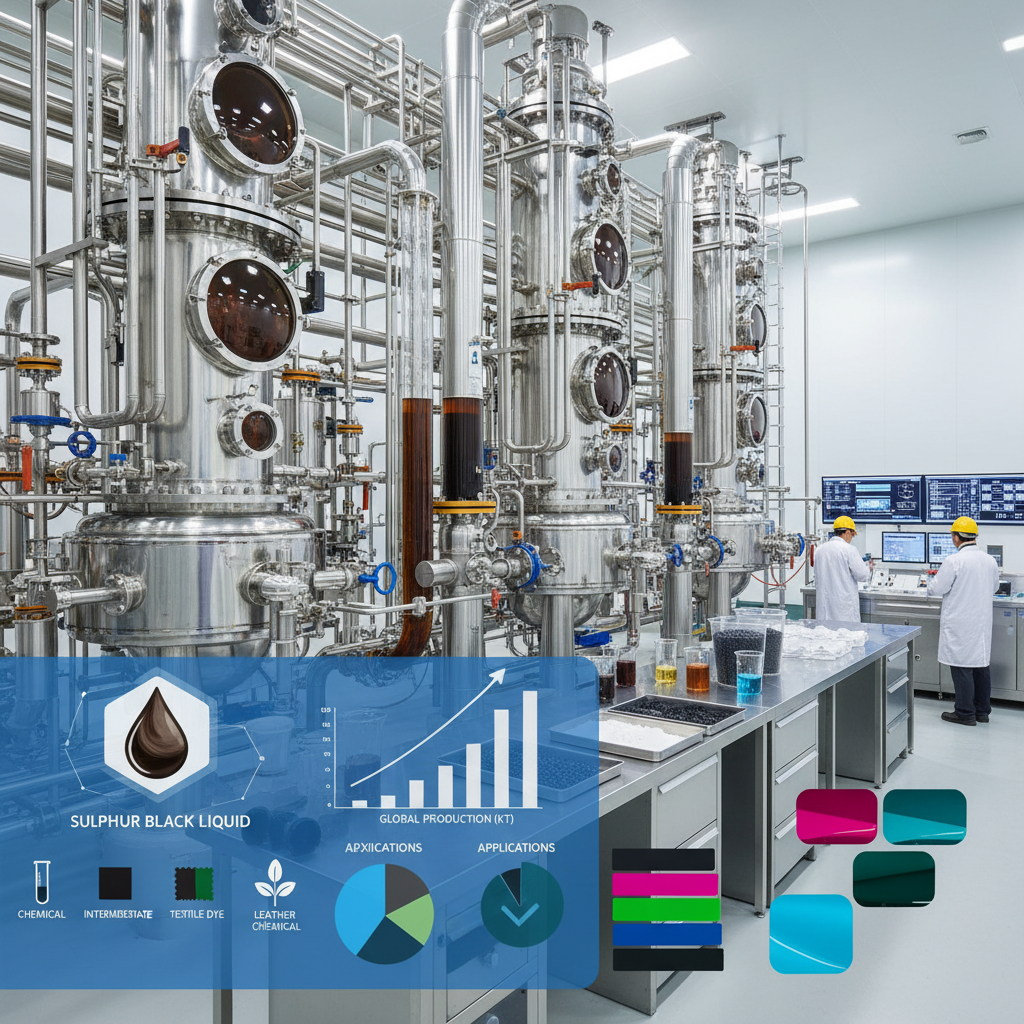
While sulphur black liquid is a widely used dye, handling it requires careful consideration. It contains sodium sulfide, which can release hydrogen sulfide, a toxic gas. Proper ventilation and personal protective equipment (PPE) are essential during the dyeing process. Furthermore, the wastewater from sulphur dyeing contains sulfides and other pollutants, necessitating appropriate wastewater treatment to comply with environmental regulations. DyeingChem.com is committed to promoting responsible dyeing practices and offers eco-friendly alternatives.
Conclusion: Mastering Sulphur Black Dyeing
Understanding the properties, application, and safety considerations of sulphur black liquid is crucial for achieving high-quality dyeing results. By choosing a reliable supplier like DyeingChem and implementing best practices, textile manufacturers can optimize their dyeing processes and minimize environmental impact.
Frequently Asked Questions (FAQs)
What is the recommended dye concentration for sulphur black liquid?
The optimal dye concentration depends on the desired shade depth, fabric type, and dyeing equipment. Generally, a concentration of 2-4% (owf - on weight of fabric) is recommended for achieving a deep black shade. It’s best to start with a lower concentration and gradually increase it until the desired colour is achieved. Always follow the dye manufacturer’s instructions and conduct lab dips to determine the ideal concentration for your specific application.
What is the role of sodium sulfide in sulphur dyeing?
Sodium sulfide acts as a reducing agent, converting the insoluble sulphur dye into its soluble leuco form. This process is essential for allowing the dye to penetrate the fibers effectively. Without sufficient reduction, the dye will not dissolve properly, resulting in uneven dyeing and poor colour yield. The amount of sodium sulfide used needs to be carefully controlled to ensure complete reduction without causing excessive sulfide pollution in the wastewater.
How can I improve the wash fastness of sulphur black dyed fabrics?
Several factors contribute to wash fastness. Ensuring thorough oxidation after dyeing is crucial for regenerating the insoluble dye within the fibers. A proper after-soaping process helps remove unfixed dye and enhances colour retention. Using a suitable fixing agent can also improve wash fastness. Furthermore, controlling the dyeing temperature, pH, and liquor ratio is essential for optimal dye penetration and fixation.
What are the environmental considerations when using sulphur black liquid?
Sulphur dyeing generates wastewater containing sulfides, reducing agents, and unreacted dye. This wastewater requires treatment to remove pollutants and comply with environmental regulations. Using optimized dyeing processes, minimizing chemical usage, and implementing effective wastewater treatment technologies are essential for reducing the environmental impact. Consider exploring eco-friendly alternatives and sustainable dyeing practices.