Comprehensive Guide to Industrial Dye Color Selection and Application Techniques
Comprehensive Guide to Industrial Dye Color Selection and Application Techniques
Understanding Industrial Dye Color Selection for Optimal Results
Selecting the right industrial dye color is crucial for achieving the desired aesthetic and performance characteristics in various applications, from textiles and plastics to leather and paper. This guide delves into the world of industrial dyes, covering key factors to consider, common dye classes, and how to choose the ideal color for your specific needs. At DyeingChem, we specialize in providing high-quality dyes and expert advice to help you achieve consistent and vibrant results. Choosing the right dye will dramatically impact the quality of your final product.
Key Considerations When Choosing Industrial Dye Colors
Before selecting a dye color, several factors must be considered. The substrate material (e.g., cotton, polyester, leather) dictates which dye classes are suitable. The desired color fastness – resistance to fading from washing, light exposure, and rubbing – is paramount. Application method (e.g., exhaust dyeing, continuous dyeing) influences dye selection. Finally, environmental regulations and safety considerations play a crucial role, pushing for eco-friendly and non-toxic dye options. Understanding these elements ensures optimal dye performance and longevity.
Key Highlights: Substrate material, color fastness, application method, environmental regulations and safety are critical factors influencing dye color choice.
Common Industrial Dye Classes and Their Applications
Several dye classes cater to different substrates and performance requirements. Reactive dyes are popular for cellulosic fibers like cotton, offering excellent wash fastness. Disperse dyes are primarily used for polyester, known for their bright shades. Acid dyes suit protein fibers like wool and silk, providing good leveling properties. Direct dyes offer a simpler application process but generally have lower wash fastness. Choosing the correct dye class is paramount for achieving desired results.
Dye Class Overview:
• Reactive Dyes: Cotton, excellent wash fastness
• Disperse Dyes: Polyester, bright shades
• Acid Dyes: Wool, silk, good leveling
• Direct Dyes: Simpler application, lower wash fastness
Comparing Dye Performance: Fastness Properties
Color fastness is a critical attribute. Different dyes exhibit varying degrees of resistance to washing, light, rubbing, and perspiration. Reactive dyes generally offer the best wash fastness on cotton, while disperse dyes are good for polyester. However, specific formulations and after-treatments can significantly enhance fastness properties. A thorough understanding of these differences helps in selecting the optimal dye for applications requiring high durability.
Environmental Considerations and Sustainable Dyeing
The dyeing industry is increasingly focused on sustainability. Choosing eco-friendly dyes, reducing water consumption, and minimizing waste are crucial steps. DyeingChem offers a range of environmentally responsible dye options, including low-impact dyes and dyes compliant with stringent environmental standards. Implementing efficient dyeing processes and utilizing innovative technologies can further minimize the environmental footprint of dyeing operations.
Product Specifications: Reactive Dye – Example
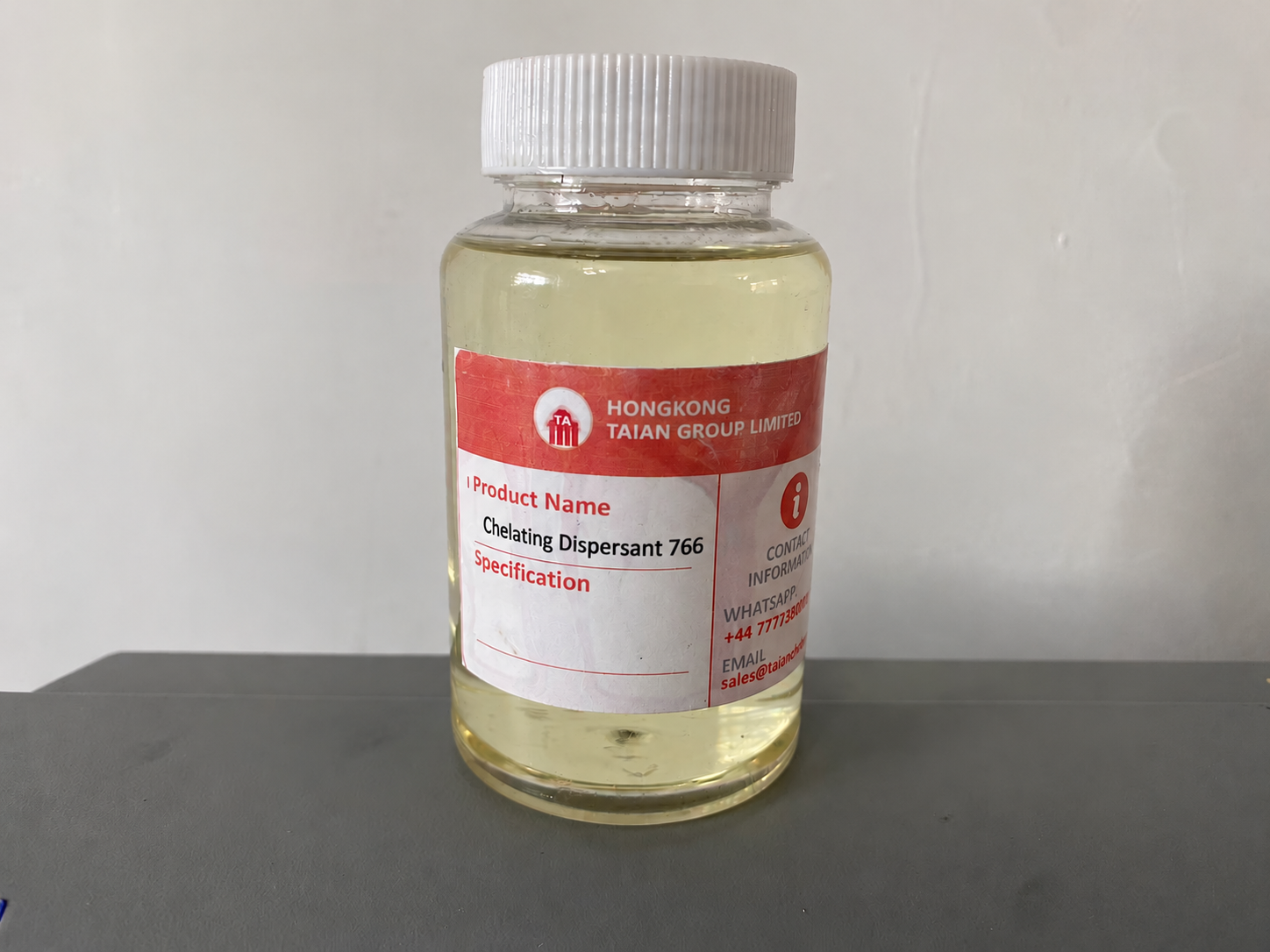
Here’s a sample specification sheet for a reactive dye, demonstrating the level of detail required for informed selection:
Conclusion: Mastering Industrial Dye Color Selection
Choosing the correct industrial dye color is a complex process, requiring careful consideration of substrate, fastness requirements, and environmental impact. DyeingChem provides not only high-quality dyes but also the expertise to guide you through this process, ensuring optimal results and sustainable practices. Partner with us to unlock the full potential of color in your applications.
Frequently Asked Questions (FAQs)
What are the main differences between reactive and disperse dyes?
Reactive dyes are best suited for cellulosic fibers like cotton, linen, and viscose, forming a covalent bond with the fiber for excellent wash fastness. They require alkaline conditions for dyeing. Disperse dyes, on the other hand, are designed for hydrophobic fibers like polyester and acetate. They are finely dispersed in the dye bath and penetrate the fiber structure. Disperse dyes generally have lower wash fastness than reactive dyes but offer brighter shades on synthetic materials. The choice depends heavily on the fiber content of the material you're dyeing.
How can I improve the light fastness of my dyed fabrics?
Several strategies can enhance light fastness. Using dyes with inherently higher light fastness ratings is the first step. Applying UV absorbers during the dyeing process or as a finishing treatment can significantly improve resistance to fading. Proper after-treatments, such as soaping and oxidation, also contribute to better light fastness. Finally, the choice of dye concentration and dyeing conditions plays a role; optimal dyeing conditions ensure proper dye fixation, which correlates with better light fastness.
What are some eco-friendly alternatives to traditional dyes?
Eco-friendly alternatives include natural dyes derived from plants, insects, and minerals, as well as low-impact synthetic dyes that require less water and energy during production and generate less waste. Dyes certified by organizations like OEKO-TEX® ensure they meet stringent environmental and safety standards. Furthermore, innovative dyeing technologies, like air dyeing and foam dyeing, minimize water usage and reduce the environmental impact of the dyeing process.
Where can I find detailed technical data sheets for your dyes?
Detailed technical data sheets (TDS) for all our dyes are readily available on the DyeingChem website. Each TDS provides comprehensive information about the dye's properties, including its chemical structure, strength, solubility, fastness properties, application methods, and safety guidelines. You can also contact our technical support team directly for assistance in interpreting the data sheets and selecting the best dye for your specific application.