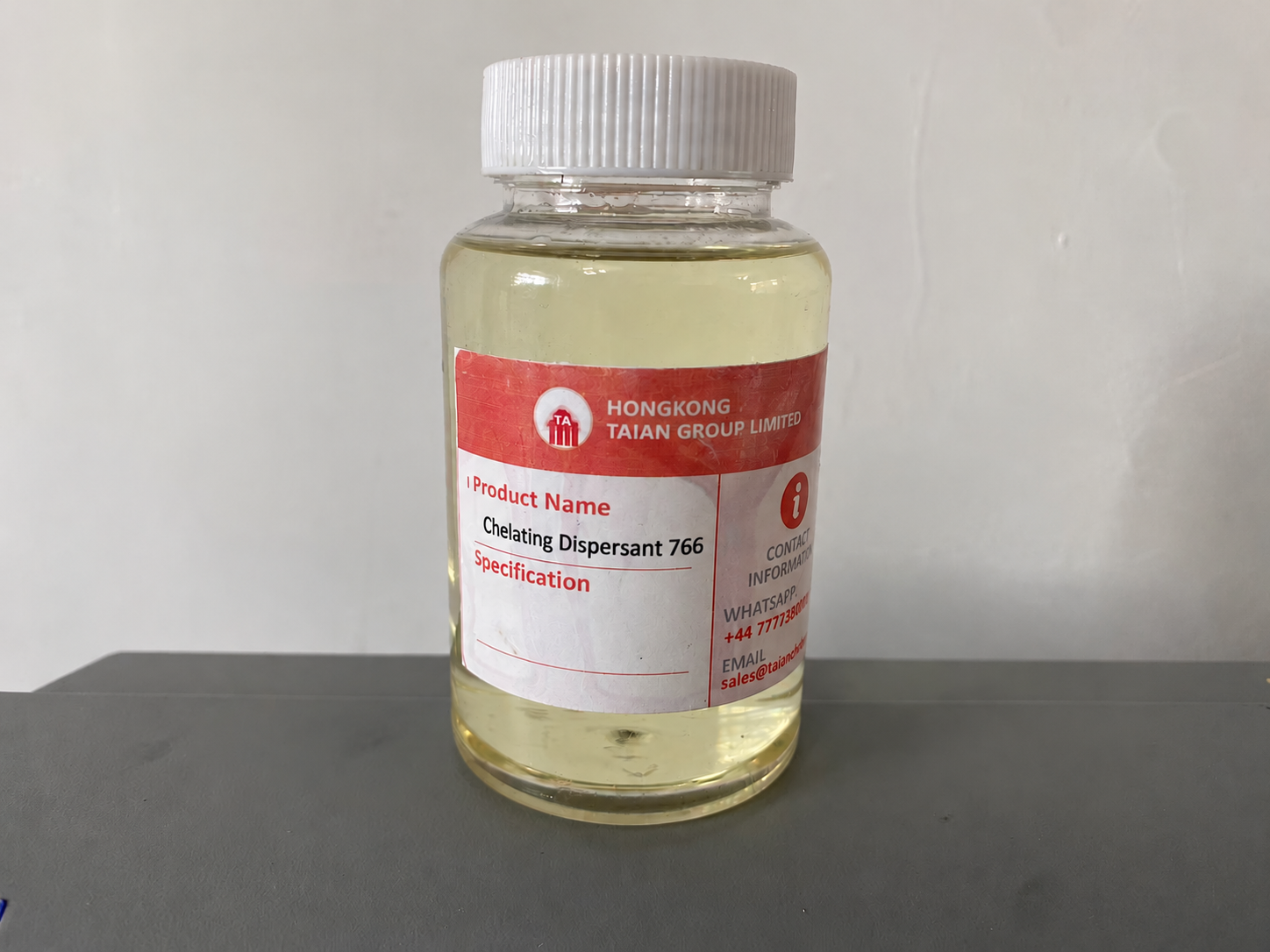
Comprehensive Guide to Dye Auxiliaries for Enhanced Textile Dyeing Processes
Comprehensive Guide to Dye Auxiliaries for Enhanced Textile Dyeing Processes
Understanding Dye Auxiliaries: A Comprehensive Guide
Dye auxiliaries are crucial components in the textile dyeing process, significantly impacting colorfastness, evenness, and overall quality. They’re substances added to the dye bath to enhance dye uptake, improve leveling, and solve issues like poor migration or inadequate fixation. Choosing the right dye auxiliaries is paramount for achieving consistent and vibrant results. This article will delve into the world of dye auxiliaries, exploring their types, functions, and applications, providing a comprehensive overview for textile professionals and anyone involved in the dyeing industry.
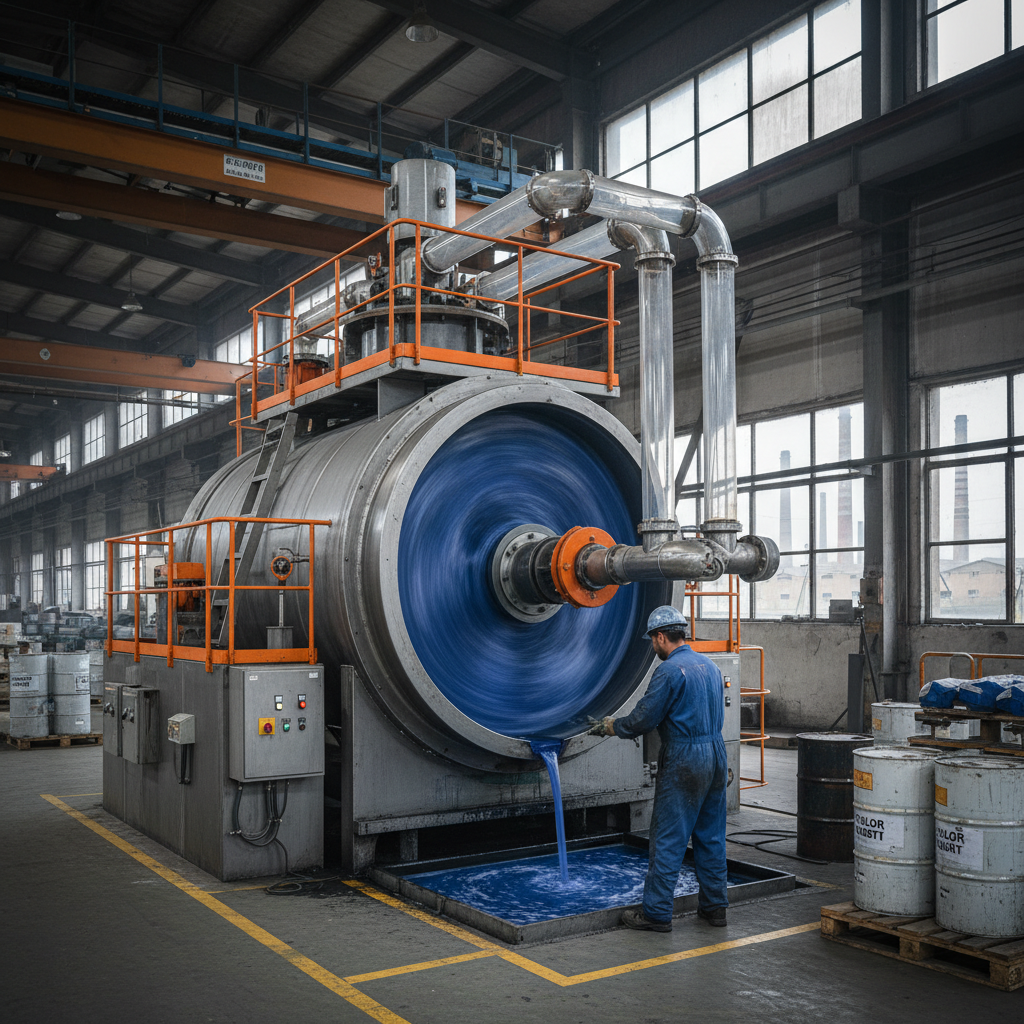
What are Dye Auxiliaries and Why are They Important?
Simply put, dye auxiliaries aren't dyes themselves – they are assisting chemicals. Their role is to optimize the dyeing process, ensuring the dye effectively bonds with the fiber. Without auxiliaries, achieving optimal color yield and quality can be incredibly difficult. They address challenges like poor solubility of dyes, insufficient dye migration, and low fixation rates. They also influence the environmental impact of dyeing by reducing water and energy consumption. A well-selected auxiliary package improves efficiency, reduces costs, and ensures consistent, high-quality dyeing.
Key Benefits: Improved dye uptake, enhanced colorfastness, reduced dyeing time, optimized resource utilization, and consistent dyeing results.
Common Types of Dye Auxiliaries
The world of dye auxiliaries is diverse, encompassing a range of chemicals designed for specific purposes. Here’s a breakdown of some key types: Wetting Agents: Reduce surface tension allowing the dye liquor to penetrate the fabric evenly. Dispersing Agents: Keep dyes finely dispersed in the dye bath, preventing aggregation. Leveling Agents: Promote uniform dye distribution, preventing uneven coloration. Fixing Agents: Enhance the bond between the dye and the fiber, improving wash fastness. Sequestering Agents: Prevent metal ions from interfering with the dyeing process. Defoamers: Eliminate foam formation, improving dye bath stability. The specific auxiliaries used will depend on the type of fiber, dye class, and desired dyeing effect.
Auxiliary Functionality Breakdown:
• Wetting Agents: Enhance dye penetration
• Dispersing Agents: Prevent dye aggregation
• Leveling Agents: Promote uniform coloration
• Fixing Agents: Improve wash fastness
Dye Auxiliaries for Different Fiber Types
The ideal auxiliary selection varies significantly based on the fiber being dyed. For instance, dye auxiliaries for cotton require different compositions compared to those for polyester or wool. Cotton typically benefits from auxiliaries that enhance dye exhaustion and leveling, while polyester dyeing requires auxiliaries that promote dye dispersion and leveling at higher temperatures. Wool requires auxiliaries that are pH neutral and minimize fiber damage. Selecting auxiliaries specifically formulated for the target fiber ensures optimal results and prevents undesirable effects like fiber weakening or color degradation. Dyeingchem.com offers a comprehensive range of auxiliaries tailored to various fiber types.
The Impact of Auxiliaries on Dyeing Costs and Sustainability
Choosing the right dye auxiliaries isn't just about quality; it also impacts cost-effectiveness and environmental sustainability. Using optimized auxiliary packages can reduce dye consumption, lower water and energy usage, and minimize waste discharge. For instance, highly efficient dispersing agents require lower concentrations, decreasing overall chemical costs. Moreover, auxiliaries designed for low-temperature dyeing can significantly reduce energy consumption. Dyeingchem.com is committed to providing sustainable and eco-friendly auxiliary solutions.

Selecting the Right Dye Auxiliary Supplier
Partnering with a reliable dye auxiliary supplier is essential. Look for a supplier with a comprehensive product portfolio, technical expertise, and a commitment to quality and sustainability. They should offer tailored solutions based on your specific needs and provide excellent technical support. Dyeingchem.com is a leading supplier of high-quality dye auxiliaries, serving the textile industry with innovative and sustainable solutions.
Conclusion: Mastering the Art of Dyeing with the Right Auxiliaries
Understanding and utilizing the right dye auxiliaries is fundamental to achieving exceptional dyeing results. By carefully selecting auxiliaries based on fiber type, dye class, and desired properties, textile professionals can optimize their processes, reduce costs, and enhance sustainability. Dyeingchem.com stands as a trusted partner in this journey, providing a comprehensive range of high-quality auxiliaries and expert support.
Frequently Asked Questions (FAQs)
What is the typical dosage range for leveling agents?
The dosage of leveling agents varies depending on the dye class, fiber type, and desired leveling effect. Generally, a dosage range of 0.5% to 2% (owf – on weight of fabric) is common. However, it's crucial to follow the supplier’s recommendations and conduct trials to determine the optimal dosage for your specific dyeing process. Overdosing can lead to poor fastness properties, while underdosing may result in uneven dyeing.
Are dye auxiliaries environmentally friendly?
Many modern dye auxiliaries are designed with environmental considerations in mind. Manufacturers are increasingly developing biodegradable and low-VOC (volatile organic compound) formulations. However, it's important to check the product specifications and certifications to ensure compliance with environmental standards. Choosing auxiliaries from reputable suppliers committed to sustainability is a key step towards minimizing the environmental impact of the dyeing process.
How do I store dye auxiliaries properly?
Proper storage is crucial to maintain the effectiveness of dye auxiliaries. Store auxiliaries in a cool, dry, and well-ventilated area, away from direct sunlight and extreme temperatures. Keep containers tightly closed to prevent contamination and moisture absorption. Always refer to the product's safety data sheet (SDS) for specific storage instructions. Following these guidelines will help preserve the quality and performance of your auxiliaries.