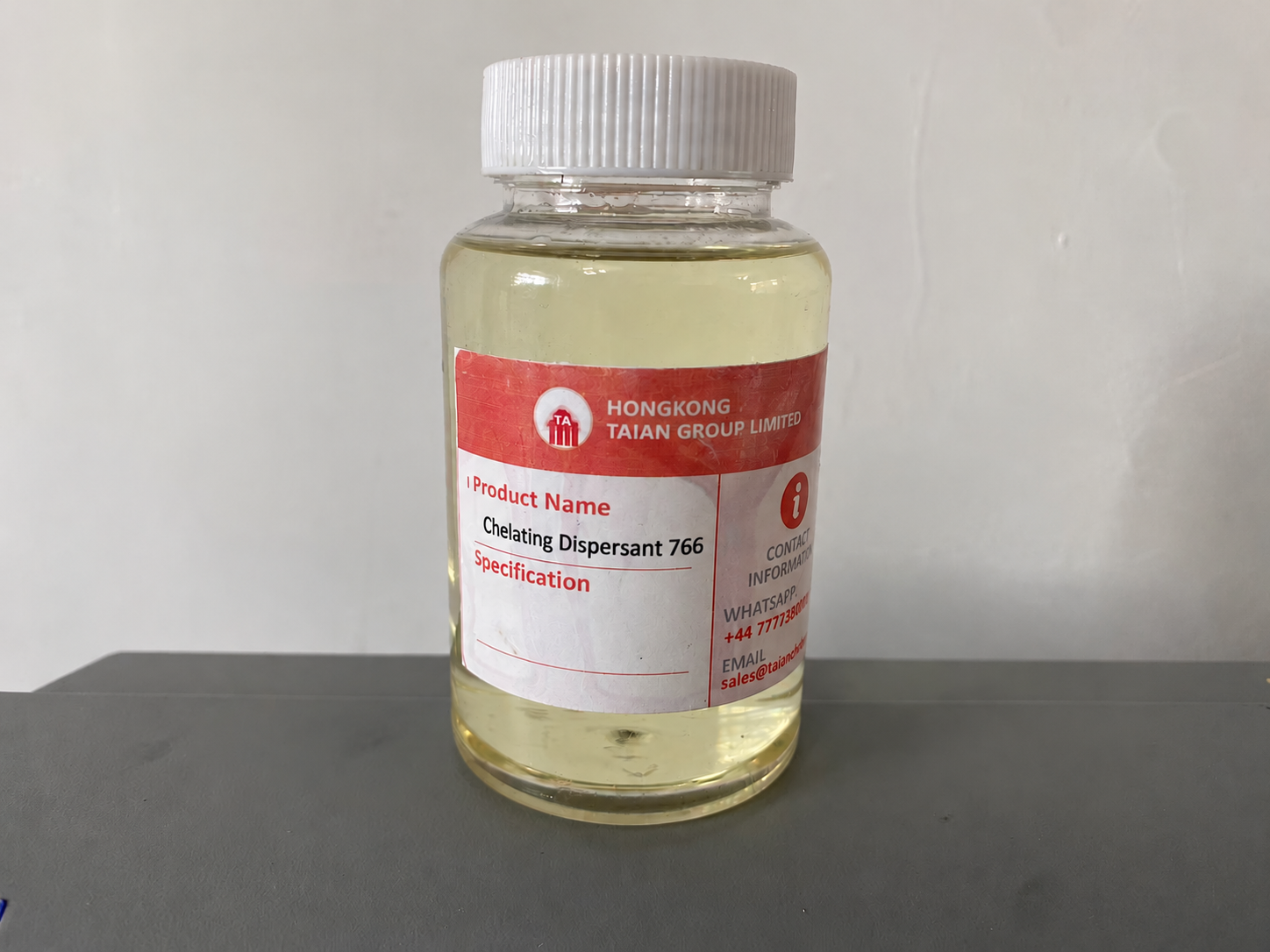
Achieving a Flawless Finish with Black Leather Dye for Handbags
Achieving a Flawless Finish with Black Leather Dye for Handbags
Choosing the Right Black Leather Dye for Handbags
Restoring and recoloring a leather handbag can breathe new life into a cherished item. Selecting the correct black leather dye for handbags is critical for achieving professional-looking results. This guide will explore different types of dyes, application techniques, and key considerations for successfully dyeing your handbag. From understanding leather types to achieving a durable finish, we’ll cover everything you need to know to transform your bag. Investing in the right dye and knowing how to use it ensures your handbag looks its best for years to come.
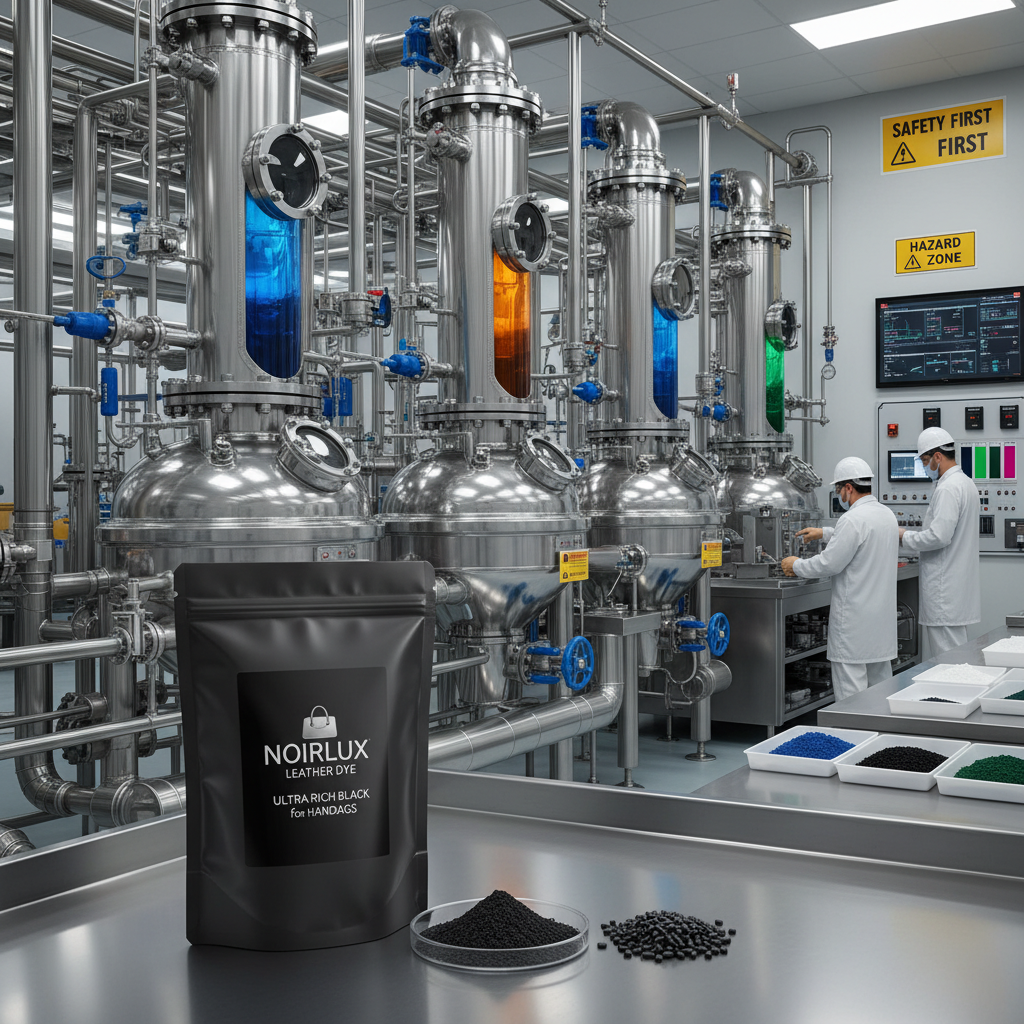
Understanding Leather Types and Dye Compatibility
Before you begin, it's essential to identify the type of leather your handbag is made from. Different leather types require different dyes for optimal results. Common leather types include full-grain, top-grain, split leather, and bonded leather. Full-grain and top-grain leathers are more porous and readily absorb dyes, making them ideal candidates for recoloring. Split leather and bonded leather are less receptive to dyes and may require specialized treatments. Using the wrong dye can result in uneven color, poor adhesion, or a faded finish. Dyeingchem provides a wide range of dyes suitable for various leather types, ensuring you find the perfect match for your project.
Key Takeaway: Correct leather identification is crucial for successful dyeing. Always test the dye on an inconspicuous area before applying it to the entire handbag.
Types of Black Leather Dye for Handbags
Several types of black leather dye are available, each with its unique properties and applications. These include aniline dyes, semi-aniline dyes, and pigment dyes. Aniline dyes penetrate the leather deeply, providing a rich, natural color and allowing the leather’s grain to show through. Semi-aniline dyes offer a balance between penetration and coverage, resulting in a more uniform color while still preserving some of the leather’s natural character. Pigment dyes create a durable, opaque finish, ideal for covering imperfections or changing the leather’s color dramatically. Choosing the right dye depends on the desired aesthetic and the leather’s condition.
Dye Type Comparison:
• Aniline Dyes: Deep penetration, natural look.
• Semi-Aniline Dyes: Balanced penetration and coverage.
• Pigment Dyes: Durable, opaque finish.
Application Techniques for a Professional Finish
Proper application is crucial for achieving a professional-looking result. Begin by thoroughly cleaning the handbag to remove dirt, oils, and any existing finishes. Use a leather cleaner specifically designed for this purpose. Once clean, apply the dye in thin, even coats using a sponge, cloth, or spray applicator. Allow each coat to dry completely before applying the next. Multiple thin coats are better than one thick coat, as they provide more even coverage and prevent cracking. After dyeing, apply a leather conditioner to restore the leather’s moisture and flexibility, ensuring a soft and supple finish. Dyeingchem offers comprehensive application guides and tools to help you achieve optimal results.
Black Leather Dye for Handbags: Product Specifications
Here's an overview of our popular black leather dye, specifically formulated for handbags:
Conclusion: Revitalize Your Handbag with Confidence
Choosing the right black leather dye for handbags and applying it correctly can significantly extend the life and beauty of your cherished accessories. With the right tools and techniques, you can achieve professional results and enjoy your revitalized handbag for years to come. Don't hesitate to explore the extensive range of dyes and resources available at Dyeingchem to embark on your leather restoration journey.
Frequently Asked Questions (FAQs)
How do I prepare my handbag before dyeing?
Proper preparation is crucial for a successful dye job. Begin by emptying the handbag completely and removing any detachable straps or hardware. Clean the leather thoroughly with a dedicated leather cleaner to remove dirt, oils, and any previous finishes. Allow the handbag to dry completely before proceeding. For stubborn stains or old finishes, you may need to use a leather deglazer. Finally, lightly sand the surface of the leather to create a slightly roughened texture, which will help the dye adhere better. Remember to always test the cleaner and deglazer on an inconspicuous area first.
What should I do if the dye is uneven after application?
Uneven dye application can occur due to inconsistent application, insufficient preparation, or the leather's uneven porosity. If you notice unevenness, allow the dye to dry completely. Then, apply another thin coat of dye, focusing on the areas that appear lighter. Avoid applying too much dye at once, as this can worsen the problem. If the unevenness persists after the second coat, consider consulting a professional leather restoration specialist. Preventative measures, such as thorough cleaning and proper surface preparation, can significantly reduce the risk of uneven dyeing.
How do I protect the dyed leather after application?
After the dye has completely dried, it’s essential to protect the leather to maintain its color and appearance. Apply a high-quality leather conditioner to restore moisture and flexibility. Follow up with a leather protector spray or wax to create a barrier against water, stains, and UV damage. Regularly condition the leather to prevent it from drying out and cracking. Store the handbag in a dust bag when not in use and avoid exposing it to direct sunlight or extreme temperatures.
Can I dye synthetic leather handbags?
Dyeing synthetic leather (pleather or vegan leather) is generally more challenging than dyeing genuine leather. Traditional leather dyes may not adhere well to synthetic materials. However, specialized dyes formulated for synthetic leather are available. These dyes typically contain acrylic polymers that bond to the plastic surface. Before dyeing, test the dye on an inconspicuous area to ensure compatibility and adhesion. Be aware that the color may not be as vibrant or durable as with genuine leather.