Understanding Sulphur Black HS Code: Global Trade, Applications & Future Trends
Understanding Sulphur Black HS Code: Global Trade, Applications & Future Trends
What Exactly Is Sulphur Black HS Code and Why It Matters
At first blush, the term sulphur black HS code might seem overly technical or even obscure. But in the world of global trade, especially chemicals and dyes, it’s a little beacon that keeps commerce well-lit and properly categorized. Essentially, it’s the customs classification code assigned to sulphur black dye products, enabling streamlined tariffs, regulations, and international shipping processes.
Why should anyone outside trade logistics care? Well, sulphur black dyes themselves serve a pivotal role in textile manufacturing, especially in coloring cotton fabrics affordably and sustainably. Because countries differ wildly in tariffs and safety regulations, understanding and using the correct HS code ensures smooth supply chains. In a world increasingly focused on sustainable textile production and globalized markets, this tidbit of classification unlocks efficient cross-border exchange.
Mini takeaway: The sulphur black HS code isn’t just a line of digits — it’s a key that opens doors for smoother, more transparent international textile trade, supporting billions in industry revenue worldwide.
The Global Landscape of Sulphur Black HS Code
Global trade volumes for textile dyes are immense — billions of tons annually, exceeding USD 12 billion in value (UN COMTRADE stats, 2022). Among these, sulphur black dyes represent a huge slice due to their optimal mix of affordability and durability. Across Asia, Europe, and the Americas, they underpin everything from basic apparel to industrial fabrics.
The challenge? Without proper HS code use, shipments risk delays, fines, or even rejections — problems for manufacturers and humanitarian relief organizations alike. The UN’s Harmonized System (HS) helps standardize naming and codes (sulphur black hs code reference), but the nuances can lead to confusion, especially for newcomers or small exporters.
On one hand, industries want fast, inexpensive access to dyes to meet soaring global fashion demands; on the other, customs authorities want safety, environmental compliance, and tax fairness—often, a tricky balance.
Mini takeaway: The sulphur black HS code’s global role is a linchpin for balancing industry growth with regulatory compliance in the complex web of modern trade.
Breaking Down Sulphur Black HS Code: What It Really Means
Put simply, the HS code for sulphur black identifies these specific chemical dyes within the international tariff and customs frameworks. It is a numeric system developed by the World Customs Organization (WCO) that categorizes traded goods into chapters and subheadings.
For sulphur black dyes, the code falls under Chapter 32 — dyes and tanning extracts — with a more precise code depending on the exact chemical type. This classification means when a shipment labeled with this code arrives at customs, the officials know exactly what kind of dye it is, how to handle it safely, and what duties apply.
Importantly, this classification doesn’t just ease paperwork — it ties these dyes to safety data sheets, environmental regulations, and even humanitarian standards where applicable (for instance, dyes used in donation fabric manufacturing or disaster relief textiles).
Mini takeaway: The sulphur black HS code serves as the industry’s shorthand, linking the dye’s chemical nature with regulatory safety and trade facilitation all around the world.
Core Aspects of Sulphur Black Classification and Its Practical Impact
1. Regulatory Clarity and Safety
The right HS code ensures sulphur black dyes move internationally with relevant safety protocols—especially important as sulphur dyes contain sulfur compounds that need careful handling. It links shipped goods to MSDS (Material Safety Data Sheets) and environmental standards.
2. Trade Duty and Cost Efficiency
Correct classification impacts tariffs and import duties. A mismatch may hike costs unintentionally or cause legal headaches, slowing production and increasing storage fees at ports.
3. Environmental Compliance
Many regions have tightening controls on dye effluents and contamination. The HS code classification ties into these laws, ensuring importers and exporters adhere to sustainable practices.
4. Quality Assurance in Textile Manufacturing
Using sulphur black dyes identified by their proper HS code helps manufacturers source consistent, high-grade products essential for producing fade-resistant and durable fabrics.
5. Logistics and Supply Chain Tracking
In today’s digital customs systems, the HS code supports tracking goods’ movement worldwide, revealing supply chain efficiencies or bottlenecks.
6. Support for Humanitarian and Industrial Applications
The classification facilitates the global distribution of sulphur black dyes used in specialized textiles—from durable workwear in industrial zones to affordable clothing in humanitarian aid.
Mini takeaway: This code is no mere number; it’s a linchpin weaving through safety, tariffs, environment, quality, and logistics for practical industry functioning.
Global Applications & Real-World Examples
- Textile Manufacturing Hubs: South Asia, notably India and Bangladesh, exports massive quantities of dyed cotton fabrics, depending on precise HS codes to keep trade flowing.
- Industrial Workwear: Europe and North America source sulfur dyes for heavy-duty uniforms needing cost-efficient dark colors with high durability.
- Humanitarian Aid Textiles: In post-disaster relief scenarios, NGOs importing fabrics stabilized with sulphur black dye rely on correct classification to expedite shipments to camps.
- Fashion Supply Chains: Fast fashion brands use sulphur black-dyed fabrics for budget lines, necessitating speed and compliance in cross-border logistics.
Mini takeaway: From sweatshops in Dhaka to disaster relief tents, the sulphur black HS code enables vital flows of textile materials that touch millions of lives.
Advantages and Long-Term Benefits of Understanding Sulphur Black HS Code
It really boils down to a few key benefits for all stakeholders:
- Cost savings via optimized tariffs and avoidance of customs fines.
- Improved supply chain trust through consistent documentation and classification.
- Environmental sustainability by linking dyes with regulatory frameworks that reduce pollution.
- Social impact through enabling fast deployment of dyed textiles for humanitarian efforts, increasing dignity and safety.
- Innovation facilitation — supports new eco-friendly sulphur dye variants under evolving HS subcategories.
Mini takeaway: The sulphur black HS code is much more than dusty paper logs — it’s the foundation of trustworthy, green, and socially responsible dye trade.
Future Trends: What’s Next for Sulphur Black and Its HS Codes?
Framing the future, many industry insiders predict further classification refinements reflecting eco-conscious dye variants, including lower-impact sulphur blacks and blends.
Digitization of customs and the rise of blockchain traceability will make HS codes part of real-time logistics monitoring. Automation in textile factories will increasingly rely on accurate trade data embedded with HS coding for just-in-time sourcing.
Plus, with global focus on sustainable textiles (ISO 14000 and beyond), newer sulphur dyes categorized under updated HS codes will drive cleaner manufacturing.
Mini takeaway: The sulphur black HS code looks set to evolve from a simple trade tool into a dynamic enabler of high-tech, sustainable textile production and monitoring.
Facing the Challenges: Limitations and Smart Solutions
One nagging issue is the occasional misclassification due to chemical complexity or inconsistent paperwork, resulting in costly shipment delays. International exporters sometimes struggle with constantly updated codes and local regulatory nuances.
Thankfully, expert consultancy, automated customs declaration tools, and improved training help reduce errors. Industry-wide adoption of digital HS code databases accessible via APIs enhances speed and reliability.
On the environmental front, new chemistry research aims to develop sulphur black dyes with fewer ecological hazards, easing regulatory pressures connected to HS categories.
Mini takeaway: While hurdles exist, technological and procedural innovations continue to smooth the path for sulphur black dye trade.
Frequently Asked Questions About Sulphur Black HS Code
- What exactly is the sulphur black HS code used for?
- The sulphur black HS code is used by customs and trade authorities worldwide to categorize sulphur black dyes for textile manufacturing. It determines applicable duties, safety regulations, and helps streamline international shipment processing.
- How can companies ensure the right HS code for sulphur black dyes?
- Companies should consult the latest WCO Harmonized System updates, cross-check chemical classifications, and potentially use professional customs brokers to confirm the correct HS code for their specific dye products.
- Is the sulphur black HS code linked to environmental regulations?
- Yes, since sulphur black dyes involve sulfur compounds, their HS classification ties into environmental safety laws, packaging, and handling standards, ensuring compliance with local and international pollution control policies.
- How does the sulphur black HS code affect import/export costs?
- Using the correct HS code ensures accurate tariffs and duty rates are applied. Misclassification can result in unnecessary fees, shipment delays, or fines, raising overall trade costs unexpectedly.
- Can NGOs use the sulphur black HS code for importing relief textiles?
- Absolutely. NGOs sourcing sulphur black dyed textiles for humanitarian aid benefit from the correct HS code to speed customs clearance and reduce costs during urgent shipment of fabrics and clothing.
Technical Specifications of Sulphur Black Dyes
| Specification | Details |
|---|---|
| Chemical Type | Sulphur Black (C.I. Sulphur Black 1) |
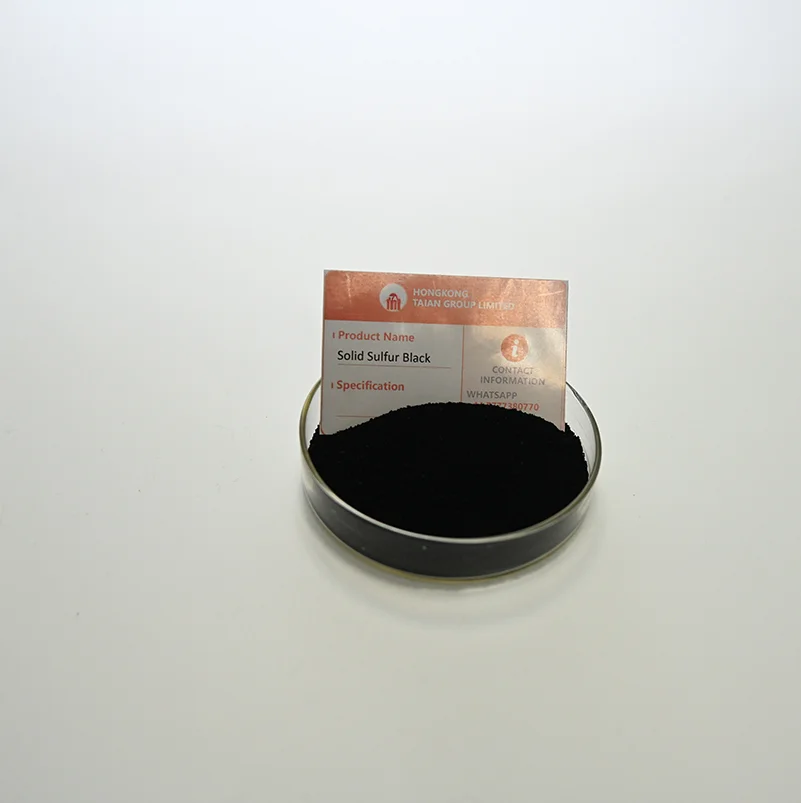
| Appearance | Dark brown to black powder |
| Solubility | Insoluble in water, soluble in alkaline solutions |
| Applications | Cotton, viscose textile dyeing |
| Fastness Properties | Good wash and light fastness |
| HS Code Reference | 3204.12 (Typical - consult local tariff) |
Vendor Comparison: Leading Suppliers of Sulphur Black Dyes
| Vendor | Country | Product Purity | Price (per kg) | Certifications |
|---|---|---|---|---|
| DyeChem Global | India | ≥ 98% | $3.50 | ISO 9001, REACH |
| TexDyes Co. | China | ≥ 96% | $3.20 | Oeko-Tex, ISO 14001 |
| ColorLab Europe | Germany | ≥ 99% | $4.10 | REACH, GOTS |
| South Dyestuffs Ltd. | South Korea | ≥ 97% | $3.75 | ISO 9001, Oeko-Tex |
Wrapping Up
So, what’s the bottom line? The sulphur black HS code might seem like minutiae to some, but in the vast machinery of global textile trade, it’s a crucial cog. Using it right not only smooths out cross-border shipping and customs compliance but also supports quality manufacturing, environmental responsibility, and even humanitarian relief efforts.
If you’re involved in the dye or textile space — or just curious about how a tiny numeric code helps billions of garments hug the world — understanding this HS code is a smart move.
For further information and to stay updated on sulphur black dyes and their international trade classification, visit https://www.dyeingchem.com.