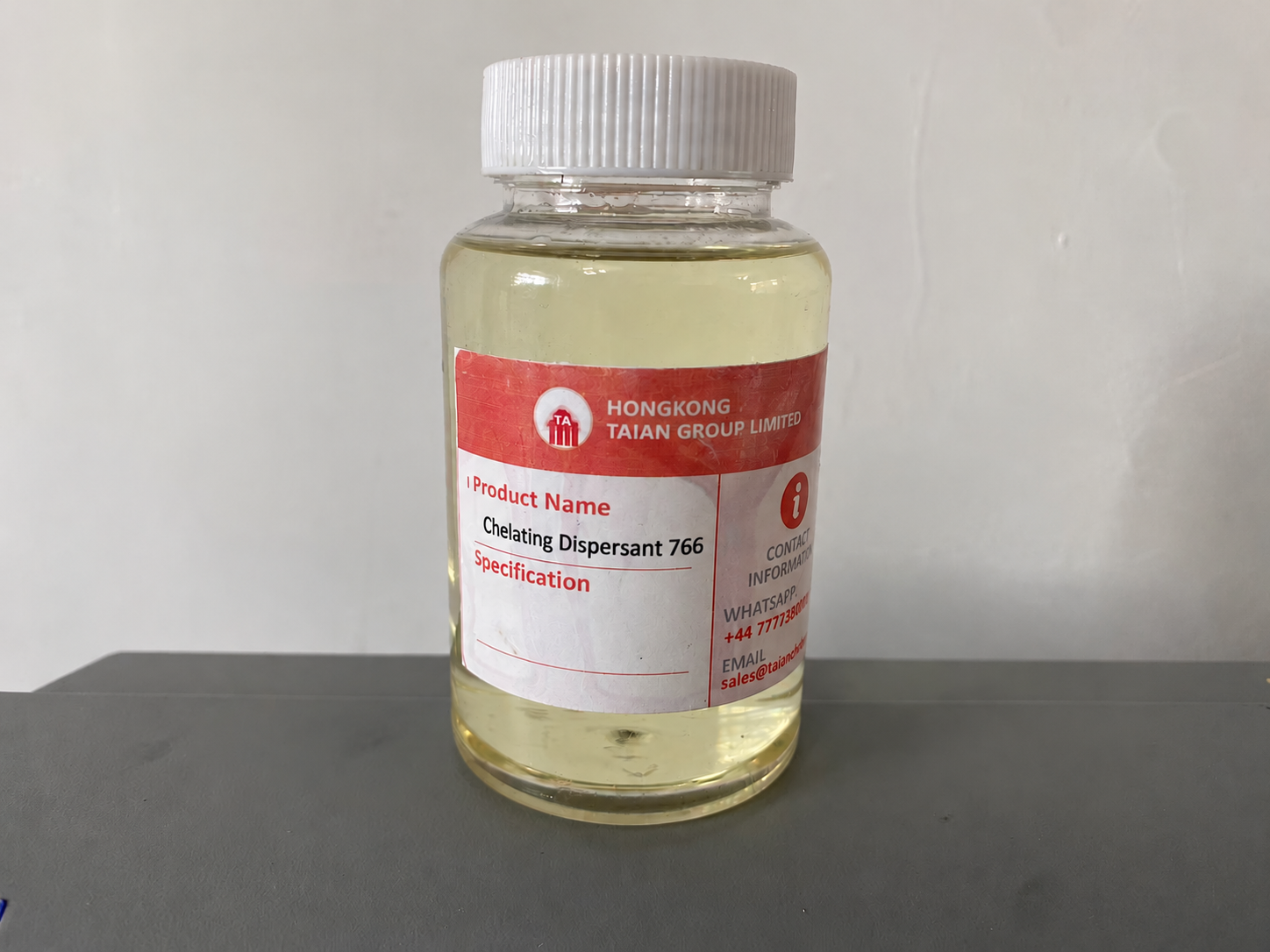
Comprehensive Guide to Bio Zyme: Sustainable Enzyme Solutions for Industry
Comprehensive Guide to Bio Zyme: Sustainable Enzyme Solutions for Industry
Understanding Bio Zyme: A Key to Sustainable Innovation
Bio zyme might sound like a niche or highly specialized term, but it actually sits at the intersection of biotechnology, industrial innovation, and environmental stewardship. Globally, as industries seek green alternatives and sustainable solutions, bio zyme is becoming a cornerstone technology — especially in sectors ranging from agriculture to textile processing. In this article, we’ll unpack what bio zyme is, why it matters in today's eco-conscious world, and the practical benefits it offers for businesses and communities alike.
Bio Zyme: Addressing Global Challenges with Biotech Precision
It’s no secret that the world faces rising challenges like soil degradation, increasing chemical pollution, and resource scarcity. According to the United Nations’ Food Systems Summit, sustainable agricultural practices are crucial to ensure food security for an estimated 9.7 billion people by 2050. Bio zyme products use enzymes derived from biological sources to catalyze natural processes, reducing reliance on harsh chemicals and energy-intensive methods.
Industries worldwide — from dyeing chemicals to wastewater treatment — use bio zyme to improve process efficiency and reduce their environmental footprint. Oddly enough, while enzymes have been used for centuries in traditional practices, the modern bio zyme formulation is delivering precise, measurable outcomes that align perfectly with circular economy goals.
What Exactly Is Bio Zyme?
In simple terms, a “bio zyme” is a bio-catalyst: an enzyme or enzyme complex produced by living organisms such as bacteria, fungi, or plants, tailored for specific industrial uses. These enzymes accelerate chemical reactions in ways that are eco-friendly and highly efficient. You’ll find bio zymes commonly employed in organic fertilizer production, textile processing, animal feed enhancement, and even in bioremediation.
The gist is that bio zymes harness natural processes while offering a scalable and controllable approach to traditional industrial tasks — often replacing toxic chemicals or reducing energy requirements.
Core Components and Characteristics of Bio Zyme Products
1. Specificity
Bio zymes act specifically on certain substrates, which means they can target precise steps in industrial processes. This specificity lowers by-products and unwanted reactions — quite different from generic chemical agents.
2. Environmentally Friendly
The enzymatic reactions occur under mild conditions (ambient temperature and pressure), greatly reducing carbon footprint and toxic waste, which is a huge plus for sustainability.
3. Cost Efficiency
While initial bio zyme formulations might be pricier, the resulting efficiency in production time, raw material savings, and lower waste treatment costs often lead to considerable savings.
4. Scalability
Modern bio zymes can be produced in large volumes via fermentation technology and are adaptable to both small-scale lab operations and massive industrial plants.
5. Stability and Shelf Life
Advances in enzyme stabilization allow many bio zyme products to retain activity over months, sometimes years, making logistics and storage manageable.
6. Versatility
Bio zymes cover a broad spectrum of applications such as cellulose degradation in paper manufacturing, protein modification in feed, and color fixing in textile dyeing.
Bio Zyme in Action: Global Application Highlights
- Agricultural Sector: Farmers increasingly use bio zyme-based soil enhancers to improve nutrient uptake and reduce synthetic fertilizer use — common in Asia and parts of Africa.
- Textile Industry: In countries like India and Bangladesh, enzymatic bio zymes help reduce water consumption and toxic effluent discharge via bio-catalyzed dye fixation.
- Wastewater Treatment: Municipalities from Europe to South America employ bio zymes to speed up organic waste breakdown with less energy input.
- Animal Feed: Livestock producers across North America use bio zymes that improve digestion and nutrient absorption, enhancing growth rates naturally.
In a nutshell: bio zymes are everywhere — from fragile ecosystems in Africa where they help restore soils, to large manufacturing hubs looking to shrink their environmental impact.
Advantages and Long-Term Benefits of Bio Zyme
Using bio zymes is not just a tech upgrade — it aligns with an ethical commitment to sustainability and social equity. Here's why:
- Economic Savings: Reduced energy and chemical consumption lead to lower operational costs over time.
- Environmental Stewardship: Less toxic discharge, lower greenhouse gas emissions, and protection of ecosystems.
- Improved Safety: Safer working environments result from replacing hazardous chemicals with bio-friendly enzymes.
- Innovation Driver: Many companies gain a competitive edge by adopting cutting-edge bio zyme solutions.
- Social Impact: Sustainable methods improve community health and livelihoods, particularly in vulnerable regions.
Product Specification Table for a Typical Bio Zyme Offer
| Feature | Spec | Details |
|---|---|---|
| Enzyme Type | Cellulase Complex | Targets cellulose breakdown for textile and paper industries |
| Optimal pH Range | 4.5 - 6.5 | Mild acidic conditions for best activity |
| Operating Temperature | 30-50°C | Suitable for most industrial fermenters and baths |
| Stability (Shelf Life) | 12 months | Stored in sealed containers at 4-25°C |
| Formulation | Powder/Liquid Concentrate | Customizable for diverse industrial needs |
Comparing Leading Bio Zyme Vendors
| Vendor | Range of Enzymes | Application Focus | Pricing | Sustainability Commitment |
|---|---|---|---|---|
| BioZyme International | Wide (cellulase, protease, lipase) | Agriculture, animal feed, textile | Mid-range | ISO 14001 certified, carbon offset programs |
| Greenzyme Solutions | Focus on cellulase and amylase | Wastewater treatment, bio-remediation | Premium | Zero-waste manufacturing, renewable energy powered |
| EcoEnzyme Corp | Protease, cellulase, pectinase | Food, pharmaceuticals, agrochemical | Economical | Focus on biodegradable packaging and minimal water use |
Future Trends & Innovations in Bio Zyme Technology
The bio zyme industry is turning heads with recent advancements: automated enzyme screening via AI, gene editing to enhance enzyme efficiency, and integration with green energy sources for production. Digital transformation has made customizing enzymes easier, allowing quicker adaptation for emerging industrial challenges.
Moreover, bio zymes contribute heavily to the biodegradability focus in product design, offering industries a pathway to circular economy compliance and net-zero aspirations. It’s fascinating how tiny enzyme molecules pave the way for a greener future...
Challenges & Practical Solutions
Despite its promise, bio zyme technology faces bottlenecks: product consistency can vary with raw material sourcing; some enzymes lose activity outside narrow ranges; and cost barriers exist for smaller companies trying to scale. But techniques such as enzyme immobilization to improve stability and shared manufacturing platforms are gaining traction.
In the end, knowledge sharing and partnerships between biotech firms and industries are key to overcoming these hurdles.
FAQ: Frequently Asked Questions About Bio Zyme
- What makes bio zyme products better than synthetic chemicals?
- Bio zyme products operate under mild, environmentally safe conditions, without harsh chemicals or excessive energy needs. They’re biodegradable and produce fewer harmful byproducts, making them safer for workers and ecosystems alike.
- How long do bio zymes last in industrial applications?
- Most bio zymes retain optimal activity for 12 months under proper storage (cool, dry conditions). When applied in-process, their active lifespan varies but is generally sufficient for complete substrate transformation.
- Are bio zyme solutions cost-effective for small businesses?
- Though initial costs might seem higher, many small companies reduce long-term expenses by decreasing waste disposal fees and enhancing product quality, often leading to a quick ROI.
- How can international NGOs procure bio zyme solutions for humanitarian projects?
- NGOs can source bio zymes via global suppliers offering export-friendly packaging and certifications. Collaborating with local bio-technology firms often streamlines import and compliance issues.
Conclusion: Bio Zyme, A Sustainable Cornerstone for Industry
Ultimately, bio zyme technology illustrates a compelling blend of nature and innovation. By incorporating bio zymes, industries reduce environmental impact, lower costs, and enhance safety — a triple win that fits perfectly with today’s sustainability call. For businesses and organizations eager to explore bio zyme solutions, looking into trusted providers like bio zyme is a good first step.
Ready to innovate responsibly? Visit https://www.dyeingchem.com for expert bio zyme products tailored to your needs.
Mini takeaway: Bio zyme is quietly revolutionizing industries by marrying biology with eco-conscious manufacturing — and its story is just beginning.