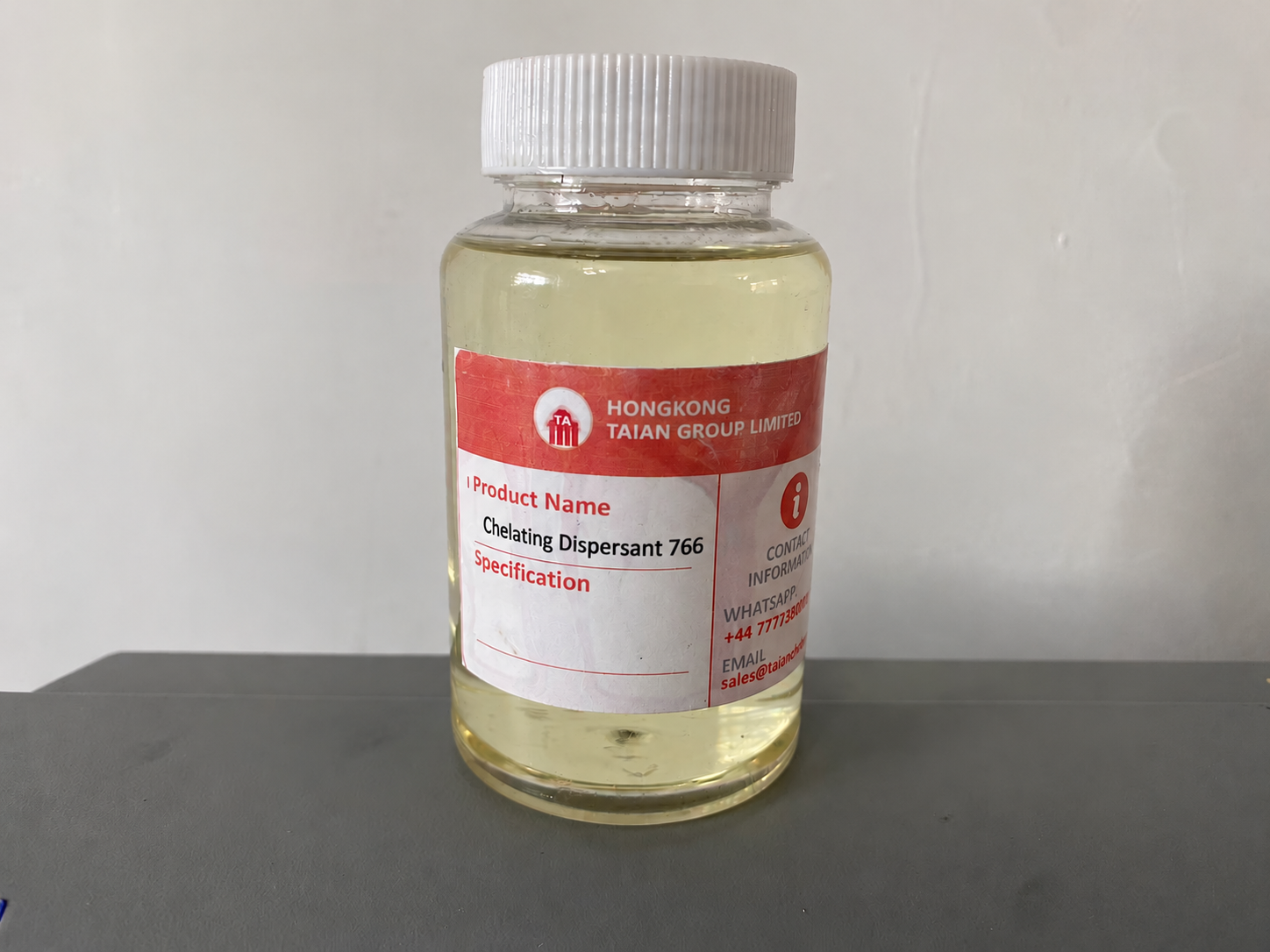
Comprehensive Guide to Chemical Used In Textile for B2B Industry Professionals
Comprehensive Guide to Chemical Used In Textile for B2B Industry Professionals
Chemical Used In Textile is a key solution in the industry, specifically within textile manufacturing and finishing processes. This article explores how https://www.dyeingchem.com supports professionals with durable, high-performance products, and explains why this product is an ideal choice for businesses in these sectors.
Table of Contents
Chemical Used In Textile Overview
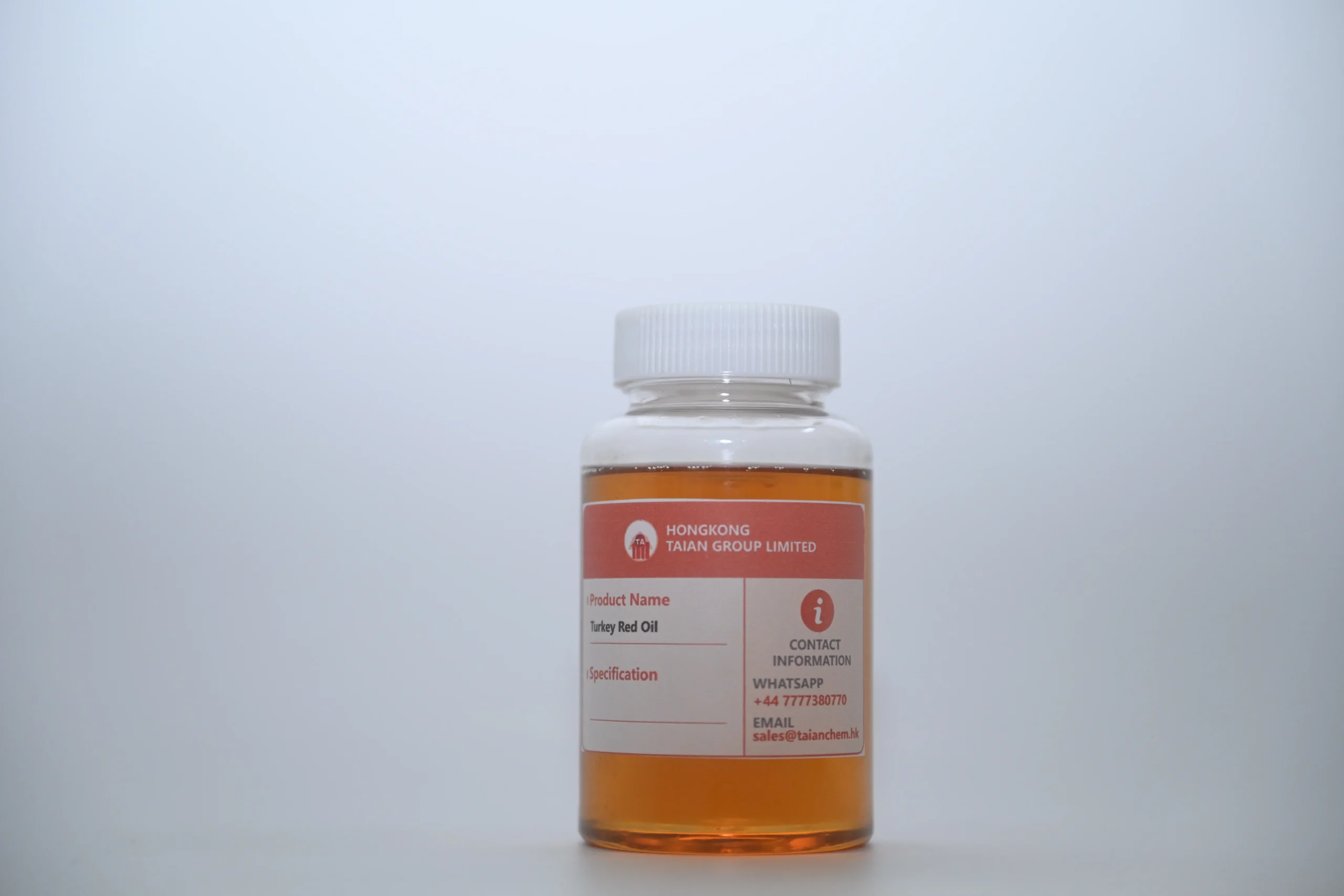
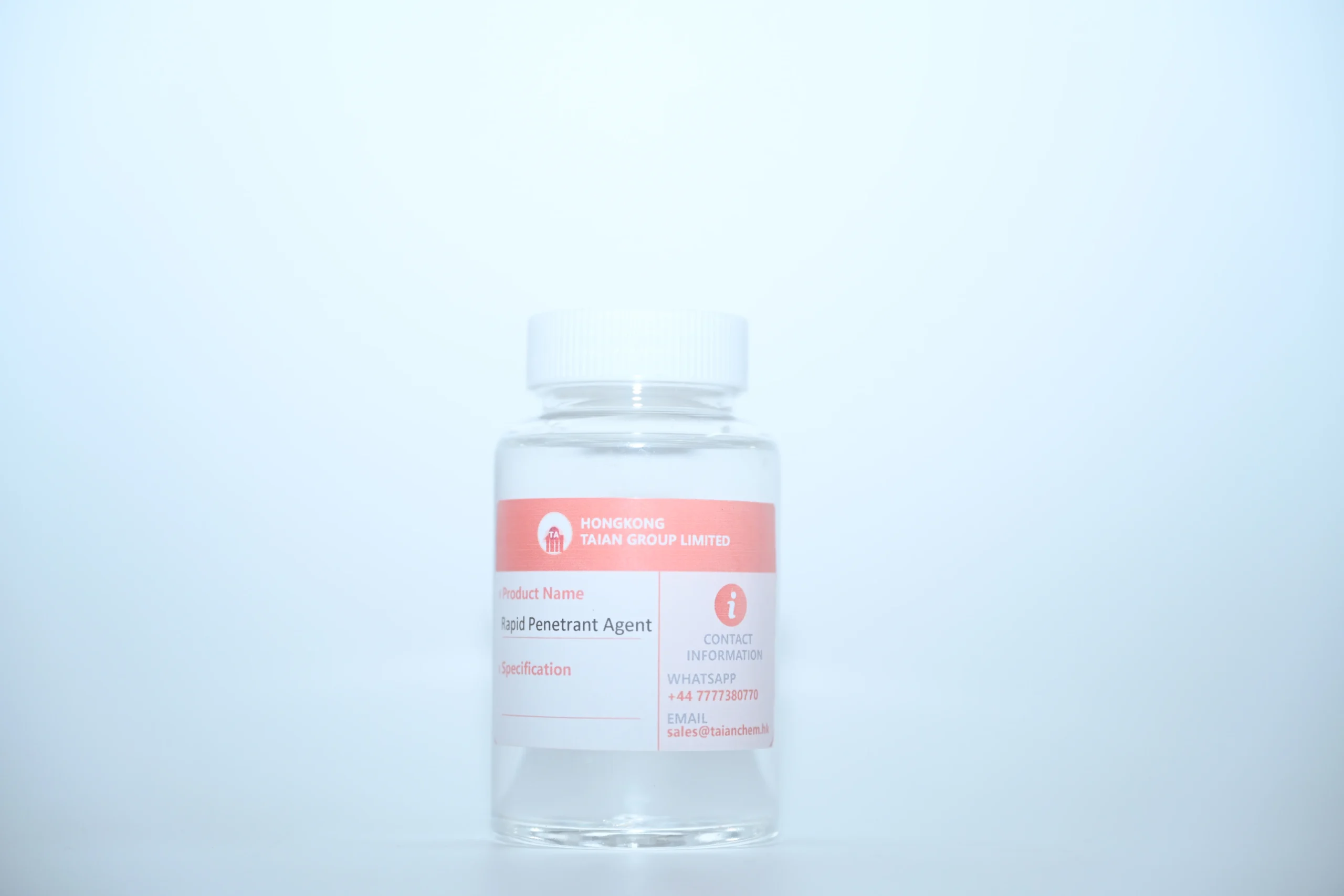
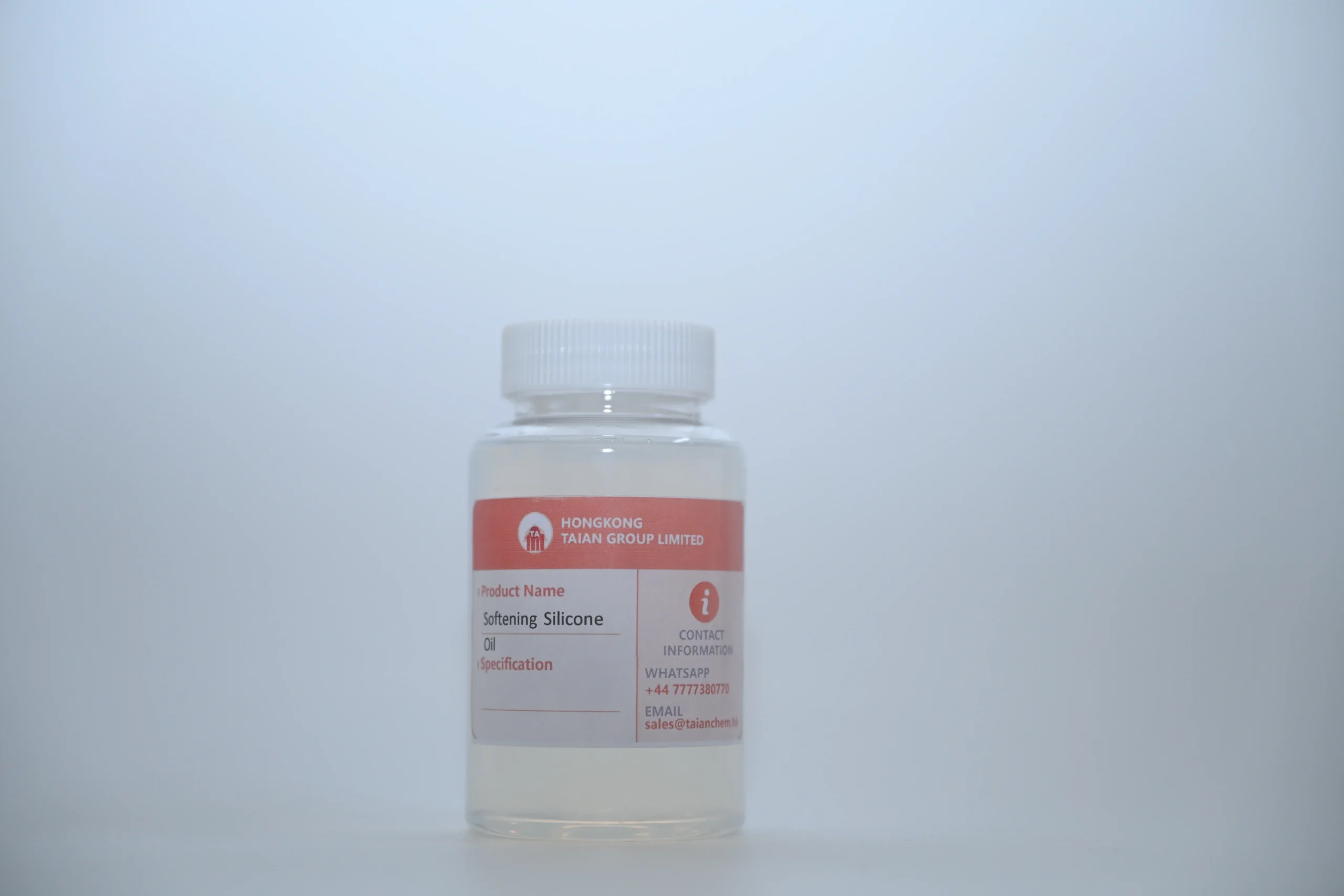
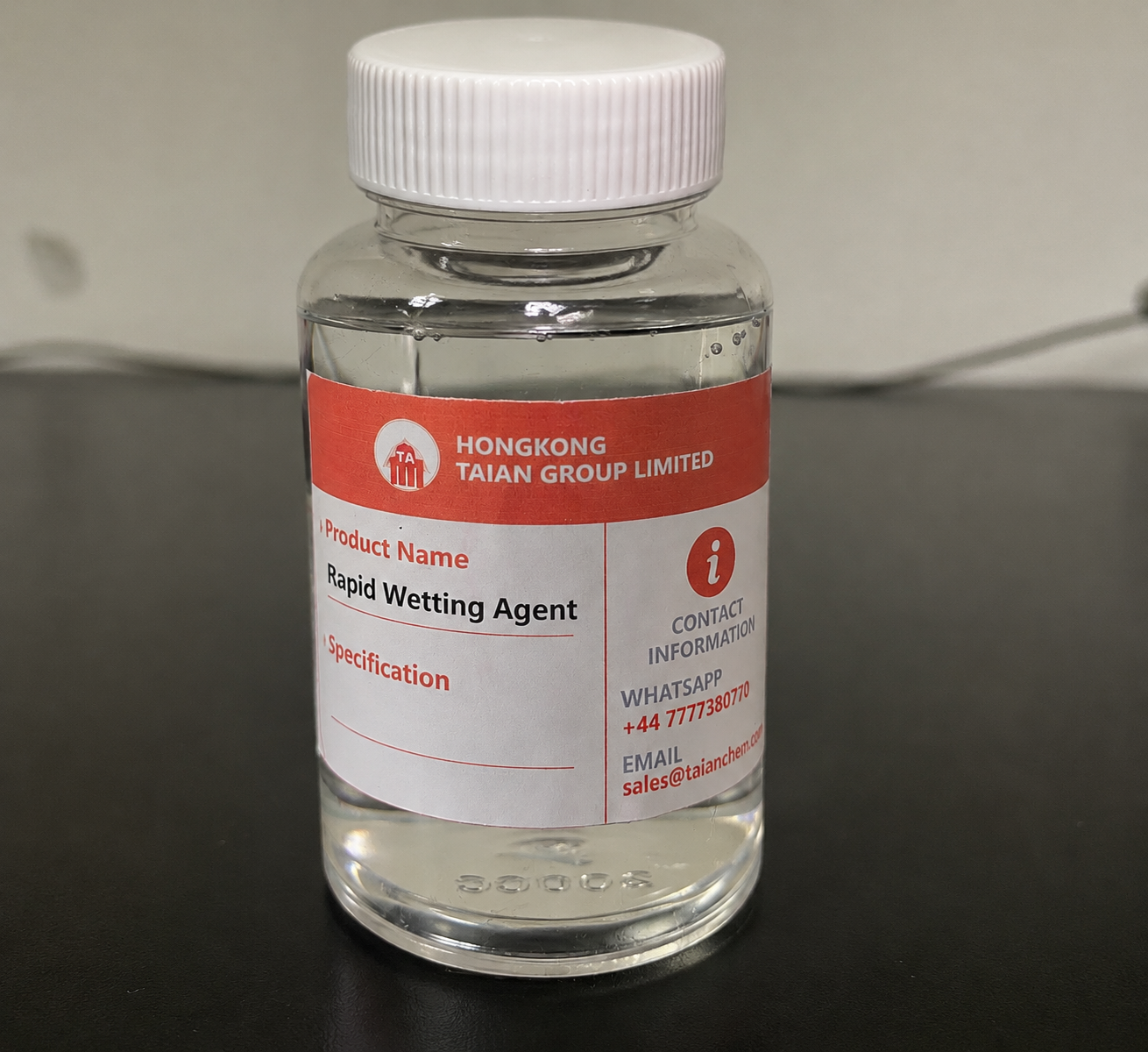
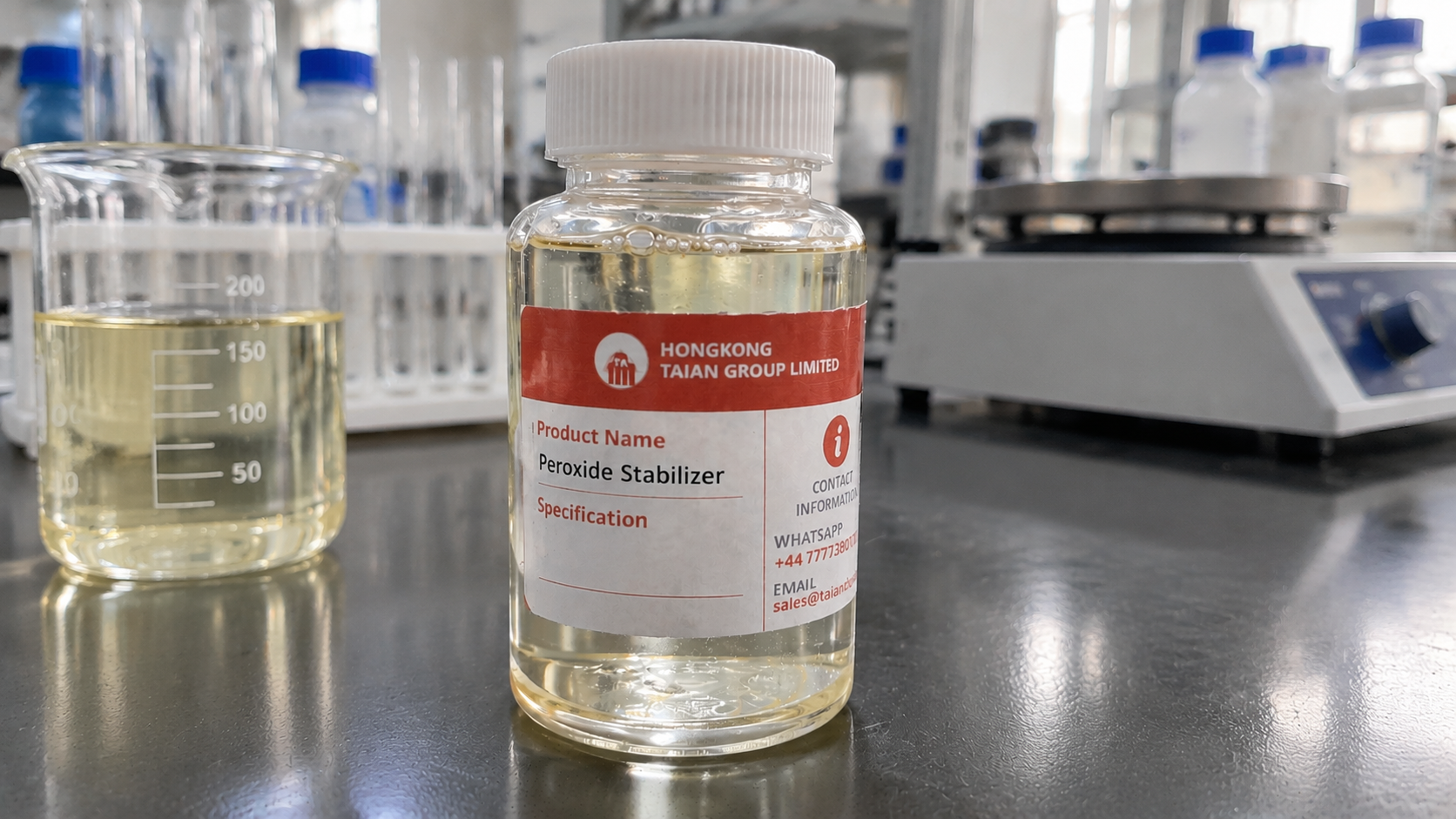
So, what exactly are these chemicals used in textile production? Simply put, they are specially formulated compounds applied during various stages—dyeing, printing, finishing—to enhance fabric properties like colorfastness, softness, and resistance to stains or shrinkage. Frankly, the textile industry wouldn’t thrive without them.
From reactive dyes to leveling agents, and from anti-foaming reagents to softeners, these chemicals perform technical feats behind the scenes. At DyeingChem, for instance, their products meet stringent industrial standards—supporting fabrics that maintain quality even after multiple washes. A recent case study in a mid-sized apparel manufacturer showed a 15% reduction in production defects when switching to their chemical additives.
Popular Product Specifications
| Product Type | Active Ingredient (%) | pH Range | Application Stage |
|---|---|---|---|
| Reactive Dye Fixing Agent | 95% | 6.5 - 8.5 | Post-dyeing |
| Fabric Softener | 85% | 4.0 - 6.0 | Finishing |
| Anti-Foaming Agent | 90% | 7.0 - 9.5 | Dyeing |
Benefits & Use Cases of Chemical Used In Textile
When it comes to real-world applications, these chemicals work wonders—improving the efficiency and quality of textile outputs. You’ll find them integral in fashion manufacturing, upholstery, technical textiles, and even automotive fabrics. Their features often include remarkable color brightening, enhanced water repellency, and minimized environmental impact.
One notable edge is their formulation flexibility. DyeingChem’s portfolio, for instance, allows clients to adjust concentrations or combine agents for tailored effects, which many engineers appreciate since “one size doesn’t fit all,” as they say. This versatility ensures not only performance but also compatibility with various fabric types—from cotton to polyester blends.
Vendor Comparison Table
| Vendor | Product Range | Customization | Typical Lead Time | Sustainability Focus |
|---|---|---|---|---|
| DyeingChem | Extensive (30+ products) | Yes, bespoke formulations | 2-3 weeks | High, eco-chemical lines |
| Competitor A | Limited (10 products) | No | 4-6 weeks | Moderate |
| Competitor B | Moderate (20 products) | Limited | 3-4 weeks | Basic compliance |
Cost, Maintenance & User Experience
Looking beyond initial price tags, the total cost of ownership for chemicals used in textile industries can be quite compelling. DyeingChem’s products are known for their consistent durability, which means less frequent reprocessing and fewer rejects — something middle managers often praise for saving time and money.
Customer feedback often emphasizes how these chemicals integrate smoothly into existing workflows without demanding extra maintenance or complex equipment changes. That simplicity, coupled with reliable performance, translates to faster turnaround times and reduced troubleshooting headaches — a real bonus in fast-paced manufacturing.
Sustainability & Market Trends
Now, sustainability is no longer a buzzword but a driving force in textile chemistry. Regulations worldwide push manufacturers toward eco-friendly chemicals that minimize waste and avoid harmful residues. DyeingChem, for example, invests heavily in green chemistry—offering biodegradable and low-impact solutions that help customers meet tough environmental standards without sacrificing quality.
Market growth is steady, reflecting increased demand for performance-enhancing agents that reduce water and energy use. Oddly enough, more companies seem willing to pay a bit extra upfront for chemicals that deliver long-term benefits, especially as consumers care more about the environmental footprint of garments.
Frequently Asked Questions about Chemical Used In Textile
- What is Chemical Used In Textile and how does it work?
- Chemicals used in textiles are substances applied at different process stages to modify fabric properties. They work by interacting with fibers or dyes—for example, fixing dyes onto fabric or enhancing softness—ensuring performance and durability in finished textiles.
- What are the main benefits of using Chemical Used In Textile in industrial applications?
- The key benefits include improved product quality, consistent color and texture, resistance to wear, and often more sustainable processing. Cost-effectiveness and ease of use also make them attractive choices in large-scale manufacturing.
- How does Chemical Used In Textile compare to traditional alternatives?
- Modern chemical agents tend to be more efficient and environmentally friendly than older options. Innovations focus on reduced water usage, biodegradability, and tailored performance, which traditional chemicals often lack.
- What industries can benefit most from Chemical Used In Textile implementation?
- Primarily fashion and apparel, home furnishings, automotive textiles, and technical fabrics sectors. Each benefits from customized solutions improving fabric function—for instance, automotive seat covers require stain resistance and durability that these chemicals provide.
Conclusion on Chemical Used In Textile from china
To sum it up, Chemical Used In Textile solutions are indispensable in modern textile production—balancing technical performance, cost efficiency, and sustainability. If you’re a decision-maker looking to improve your manufacturing outcomes, considering products from DyeingChem is definitely worth your time.
Recap the value of Chemical Used In Textile.
In reflecting on the evolving industry, it’s clear that chemicals used in textile production are not just additives but pivotal tools enabling innovation and sustainability — the real quiet heroes behind every soft fabric and vibrant color.
Industry Textile Chemicals Report, Textile World, 2023.
DyeingChem Corporate Sustainability Whitepaper, 2024.
Case Studies in Textile Manufacturing, Journal of Fabric Science, 2023.