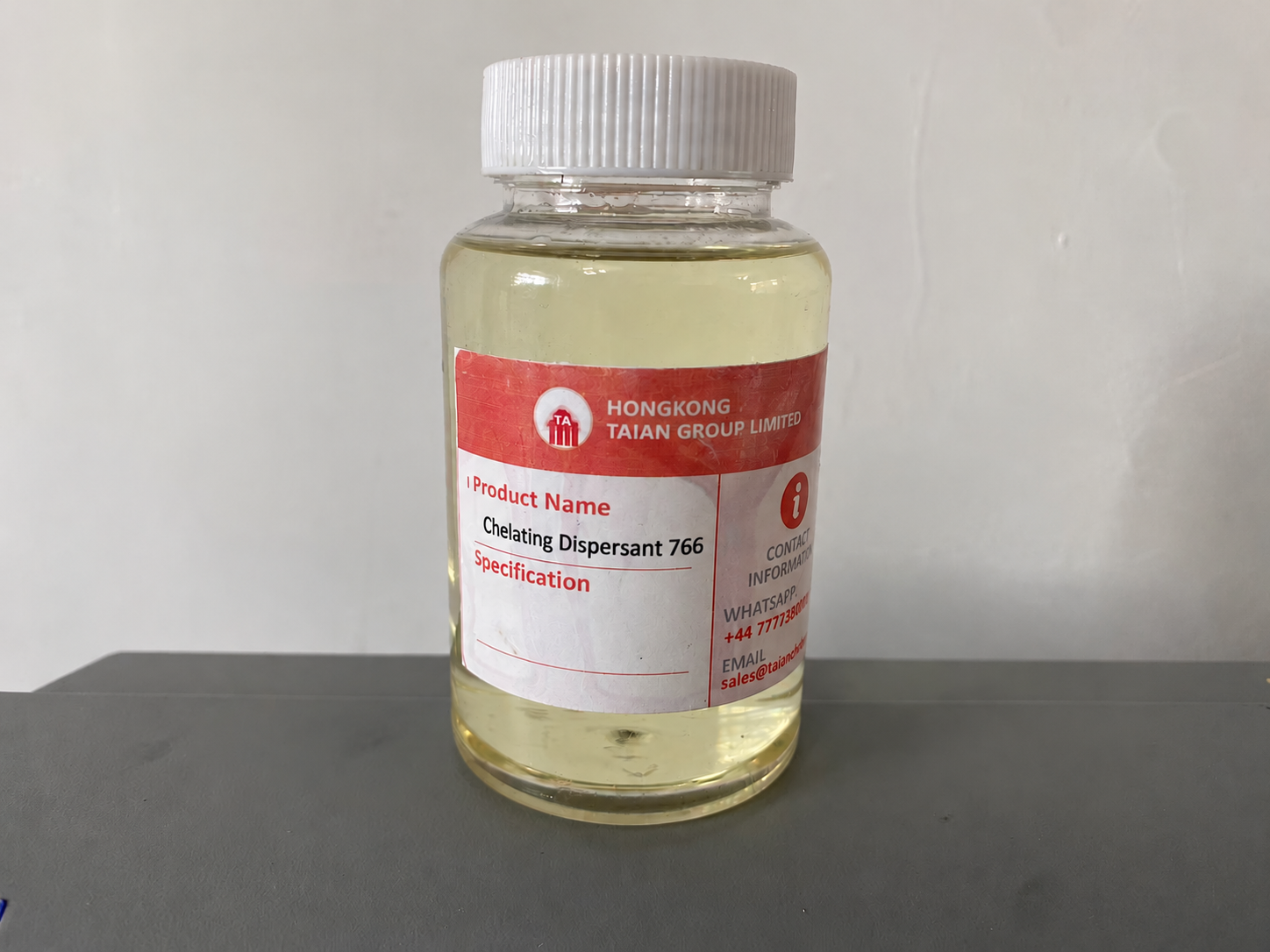
Comprehensive Guide to Textile Printing Chemicals for B2B Decision Makers | DyeingChem
Comprehensive Guide to Textile Printing Chemicals for B2B Decision Makers | DyeingChem
Textile Printing Chemicals is a key solution in the industry, specifically within . This article explores how https://www.dyeingchem.com supports professionals with durable, high-performance products, and explains why this product is an ideal choice for businesses in these sectors.
Table of Contents
- Textile Printing Chemicals Overview
- Benefits & Use Cases of Textile Printing Chemicals
- Cost, Maintenance & User Experience
- Sustainability & Market Trends
Textile Printing Chemicals Overview
In the world of fabric production and fashion, the role of textile printing chemicals can’t be overstated. These specialized substances are central to transferring vivid colors, sharp lines, and intricate designs onto fabrics, ensuring not just beauty but also durability. Frankly, it’s a fascinating blend of chemistry and art. Technically, they consist of colorants, binders, thickeners, and auxiliaries that work in tandem to achieve vibrant prints that withstand washing and wear. For instance, disperse dyes combined with suitable fixing agents allow synthetic fibers like polyester to hold prints firmly without bleeding or fading. A small note—while the chemistry can get complex, the practical takeaway is simple: these chemicals enable fabric designs to last in the real world.
- Specialized blends optimize color fastness and application ease.
- Incorporates binders, thickeners, wetting agents for controlled print quality.
| Specification | Typical Value | Notes |
|---|---|---|
| pH Range | 6.5 - 8.5 | Optimal for fiber compatibility |
| Viscosity | 1500 - 2500 cP | Key for print sharpness and coverage |
| Drying Time | 2-5 minutes at 120°C | Depends on fabric type and heat |
Benefits & Use Cases of Textile Printing Chemicals
When we talk business, it’s really about reliability and efficiency. Textile printing chemicals help industries achieve both. Their applications range widely: from fashion brands wanting sharp logos to home textile manufacturers printing complex patterns. I’ve noticed that sectors like sportswear favor chemicals that ensure color vibrancy even after repeated wash cycles— which is a big deal. What sets top-tier products from https://www.dyeingchem.com apart is their customization options, allowing clients to optimize for different fabrics—cotton, blends, or synthetics. Plus, these formulations reduce ink consumption without sacrificing depth. There’s also a stronger performance against UV light, meaning outdoor textiles keep their color longer, a feature often overlooked but highly valued. Competitive advantage? They combine eco-conscious raw materials with industrial robustness—so you get that sweet spot of cost and quality.
- Wide compatibility with diverse fabric types.
- Improved color fastness and reduced ink waste.
- Tailored formulations for niche industrial needs.
Cost, Maintenance & User Experience
Let’s get real: cost and practicality are what decision-makers keep front and center. Textile printing chemicals from https://www.dyeingchem.com tend to provide excellent ROI because they enhance print durability and reduce the number of reprints or rejects. Oddly enough, some clients mention that while the upfront unit cost might be slightly higher than generic alternatives, the gains in quality pay back quickly—like within a few production runs. Maintenance-wise, these chemicals simplify machine cleaning routines due to lower residue buildup, which means less downtime and costs saved on solvents or labor. User feedback indicates fewer clogging issues too, which print technicians greatly appreciate. When you add it all up, it feels like the whole process—from printing to finishing—runs smoother.
- Improved durability lowers waste and rework costs.
- Easier machine maintenance and less downtime.
- Positive feedback from manufacturing floor operators.
Vendor Comparison: Textile Printing Chemicals
| Vendor | Product Quality | Pricing | Customization | Sustainability Efforts |
|---|---|---|---|---|
| DyeingChem.com | High, consistent | Moderate | Extensive | Strong |
| Competitor A | Medium | Low | Limited | Weak |
| Competitor B | High | High | Moderate | Moderate |
Sustainability & Market Trends
The textile printing chemicals market is undergoing a subtle but important shift. Sustainability is front and center now—consumers care, governments regulate, and frankly, it just makes sense economically. Suppliers like https://www.dyeingchem.com increasingly offer eco-friendlier formulas based on biodegradable or less toxic materials, aiming to reduce effluent pollution. Oddly enough, these green advances often come with improved performance, not a sacrifice. Another interesting trend is digital textile printing rising fast, which demands chemicals with faster drying and lower environmental impact. Industry growth in Asia and Europe hinges partly on these innovations. Also, regulations like REACH in the EU place pressure on manufacturers to disclose and reduce hazardous substances, pushing for cleaner chemistry. For B2B decision-makers, aligning with suppliers who keep this in focus is not just responsible but smart business.
- Eco-friendly chemical formulations are gaining traction.
- Rising demand driven by digital printing technology.
- Regulations like REACH influencing supplier choices.
Frequently Asked Questions about Textile Printing Chemicals
- What is Textile Printing Chemicals and how does it work?
- Textile printing chemicals are special compounds that assist in applying colors and patterns onto fabrics. They enable dyes and pigments to bond firmly to textile fibers, improve color-fastness, and ensure the prints endure washing and usage. The chemicals control viscosity, adhesion, and drying, affecting print sharpness and durability.
- What are the main benefits of using Textile Printing Chemicals in industrial applications?
- Their key benefits include enhanced print quality, improved color fastness, lower ink consumption, and easier processing. Using quality chemicals can reduce waste, reprint rates, and machine downtime, making production more efficient and cost-effective.
- How does Textile Printing Chemicals compare to traditional alternatives?
- Compared to older, generic chemicals, modern textile printing chemicals offer better consistency, tailored formulations for different fabrics, and greater sustainability. They often contain biodegradable ingredients and are optimized for digital printing, outperforming traditional solutions in both eco-friendliness and performance.
- What industries can benefit most from Textile Printing Chemicals implementation?
- Industries like fashion apparel, home textiles, sportswear, and industrial fabrics benefit significantly. Brands focusing on quality prints and durability rely on these chemicals to meet consumer expectations and regulatory standards, as seen with customers who have boosted production efficiency after switching to DyeingChem’s products.
Conclusion on Textile Printing Chemicals from china
To wrap this up: Textile Printing Chemicals remain a backbone for industries aiming to produce vivid, long-lasting prints efficiently. The evolving market favors products that blend performance with sustainability, and providers like https://www.dyeingchem.com are steps ahead by delivering not only quality but tailored, eco-friendly solutions. For B2B decision-makers looking to enhance print quality while optimizing costs and regulatory compliance, these chemicals represent a smart investment.
- High value through improved durability and reduced waste
- Visit our website: https://www.dyeingchem.com
Ultimately, investing in specialized textile printing chemicals feels like preparing fabric for the future—brighter, cleaner, and smarter. You get the science, the art, and the green edge all in one.