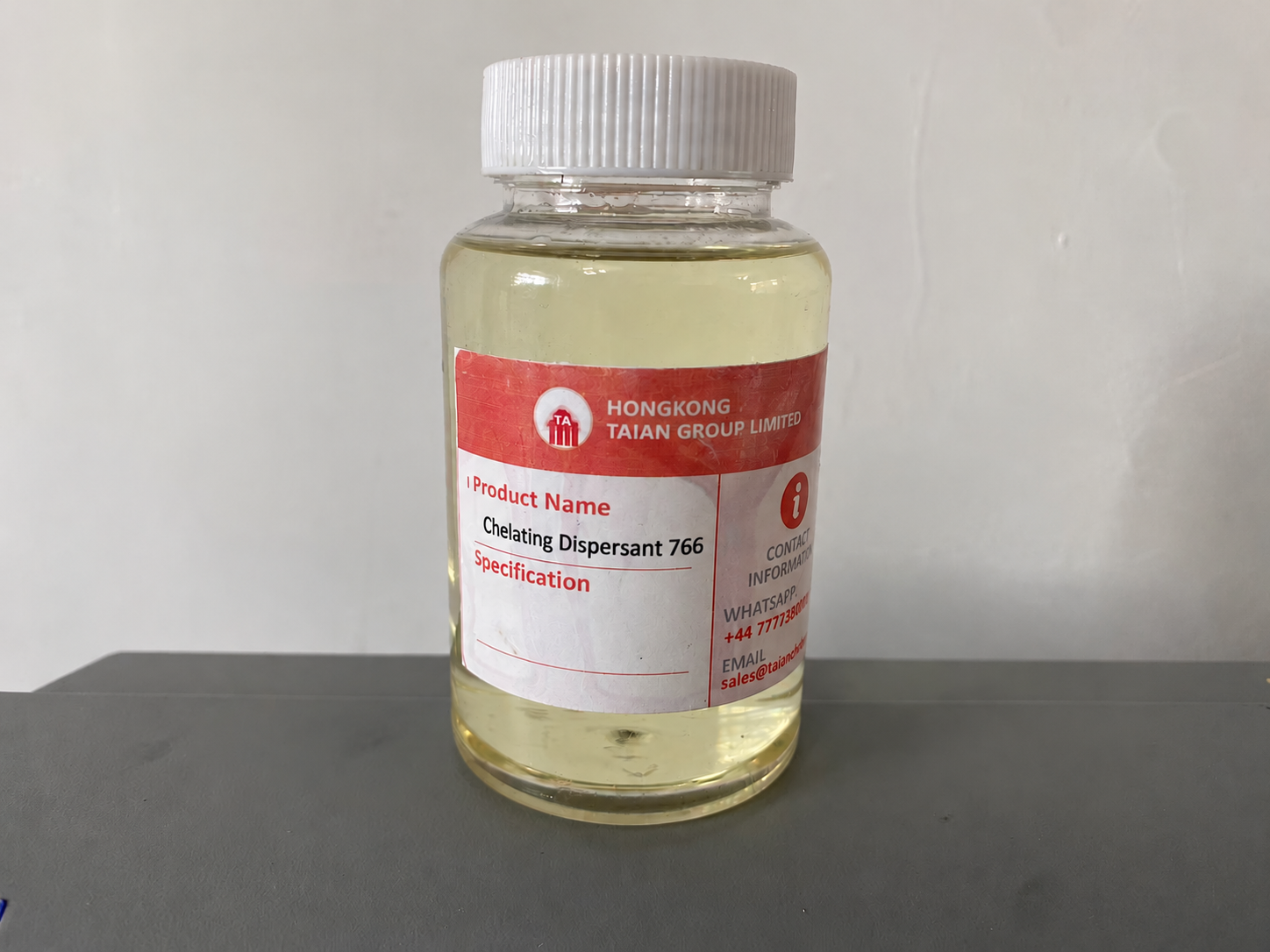
Textile Dyes And Chemicals – Durable Color Solutions for Industrial Textile Production
Textile Dyes And Chemicals – Durable Color Solutions for Industrial Textile Production
Textile Dyes And Chemicals is a key solution in the industry, specifically within textile manufacturing and finishing processes. This article explores how https://www.dyeingchem.com supports professionals with durable, high-performance products, and explains why this product is an ideal choice for businesses in these sectors.
Table of Contents
- Textile Dyes And Chemicals Overview
- Benefits & Use Cases of Textile Dyes And Chemicals
- Cost, Maintenance & User Experience
- Sustainability & Market Trends
- Frequently Asked Questions about Textile Dyes And Chemicals
- Conclusion on Textile Dyes And Chemicals from China
Textile Dyes And Chemicals Overview
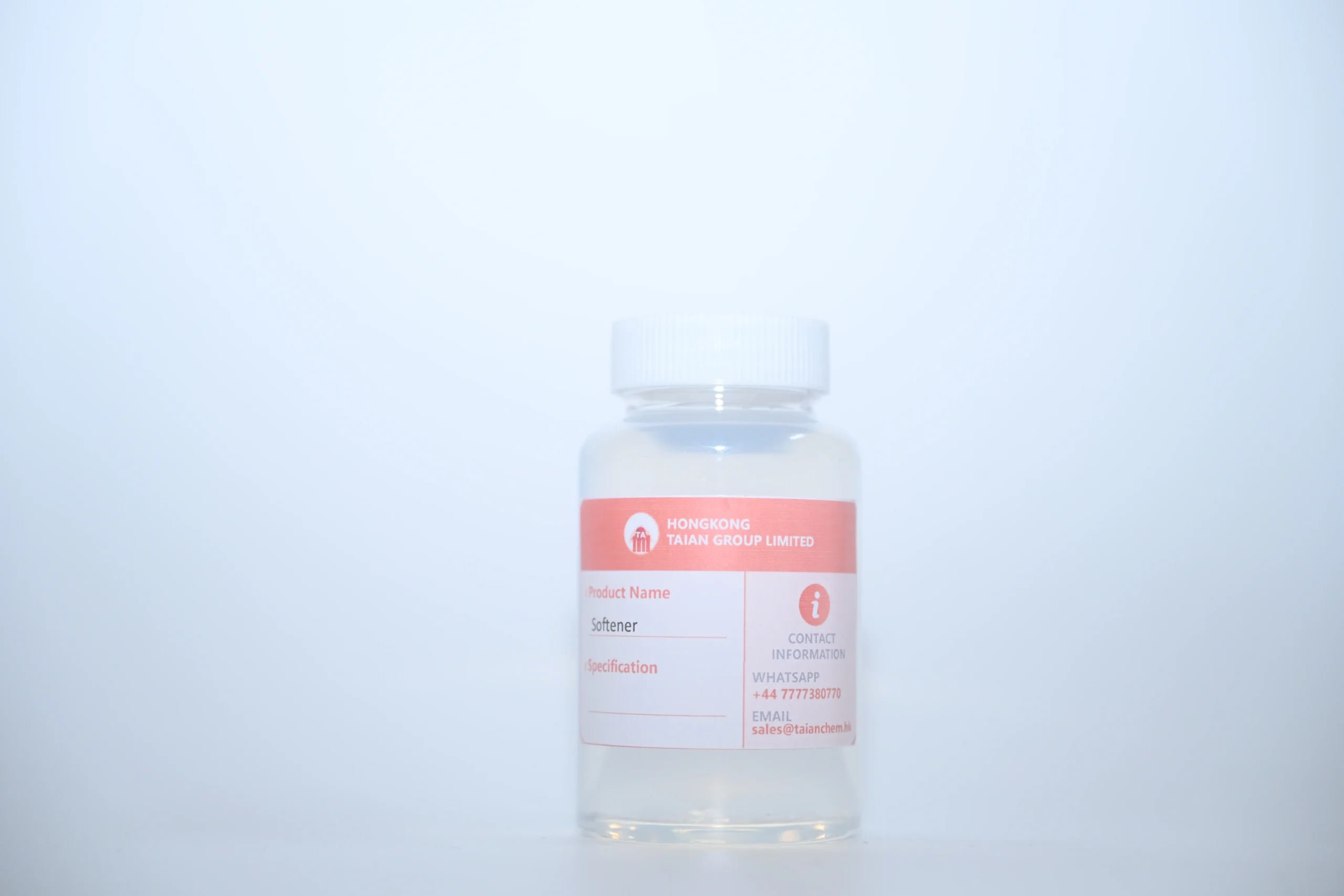
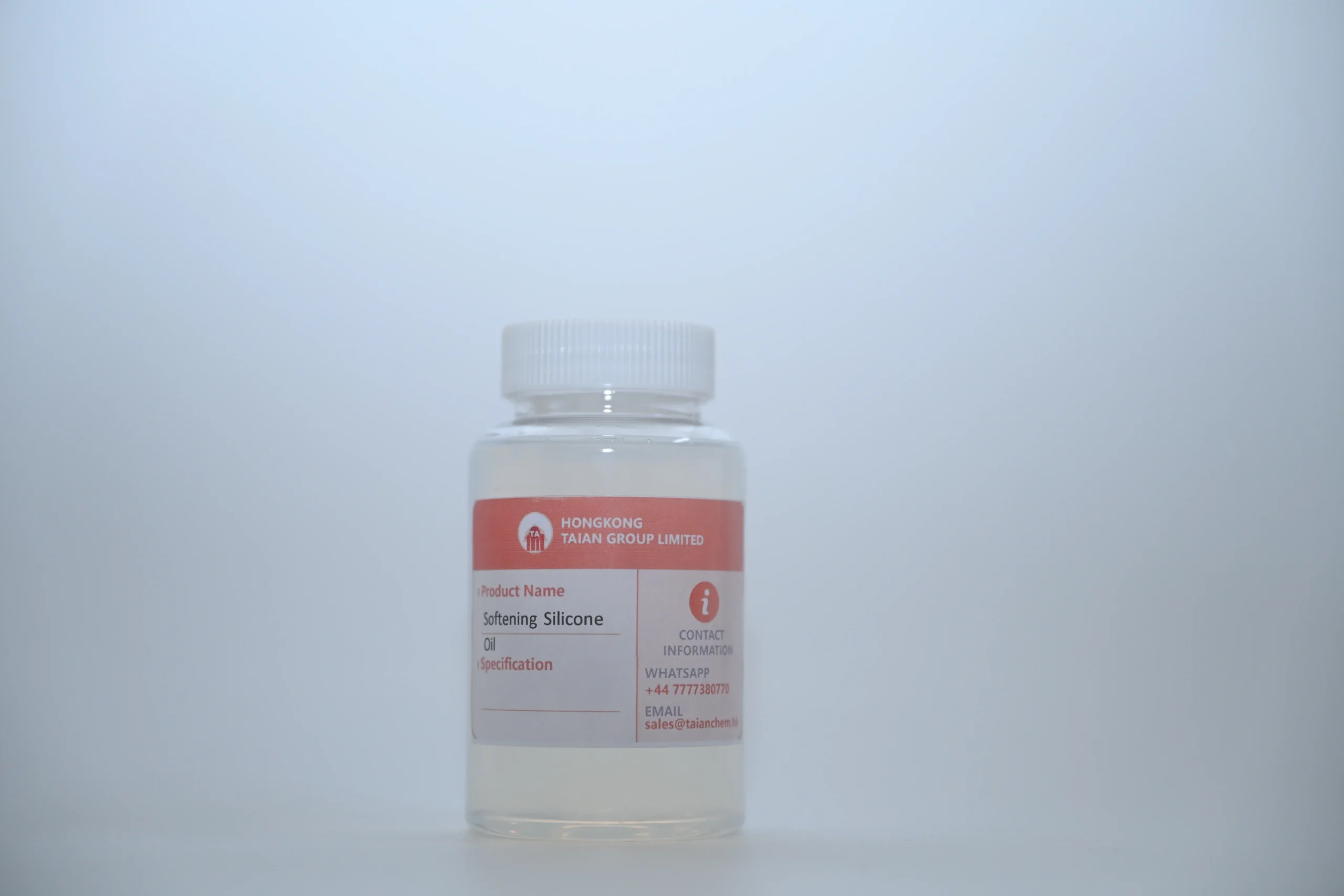
So, what exactly are Textile Dyes And Chemicals? At their core, these are specialized products designed to impart vibrant, lasting colors and enhance fabric properties during manufacturing. They’re not just about color — they include auxiliaries that improve fixation, add softness, or boost durability. Frankly, without these chemicals, achieving consistent and brilliant textile finishes would be a serious challenge. The formulation usually varies by fiber type — cotton, polyester, nylon — and the precise requirements of the end product.
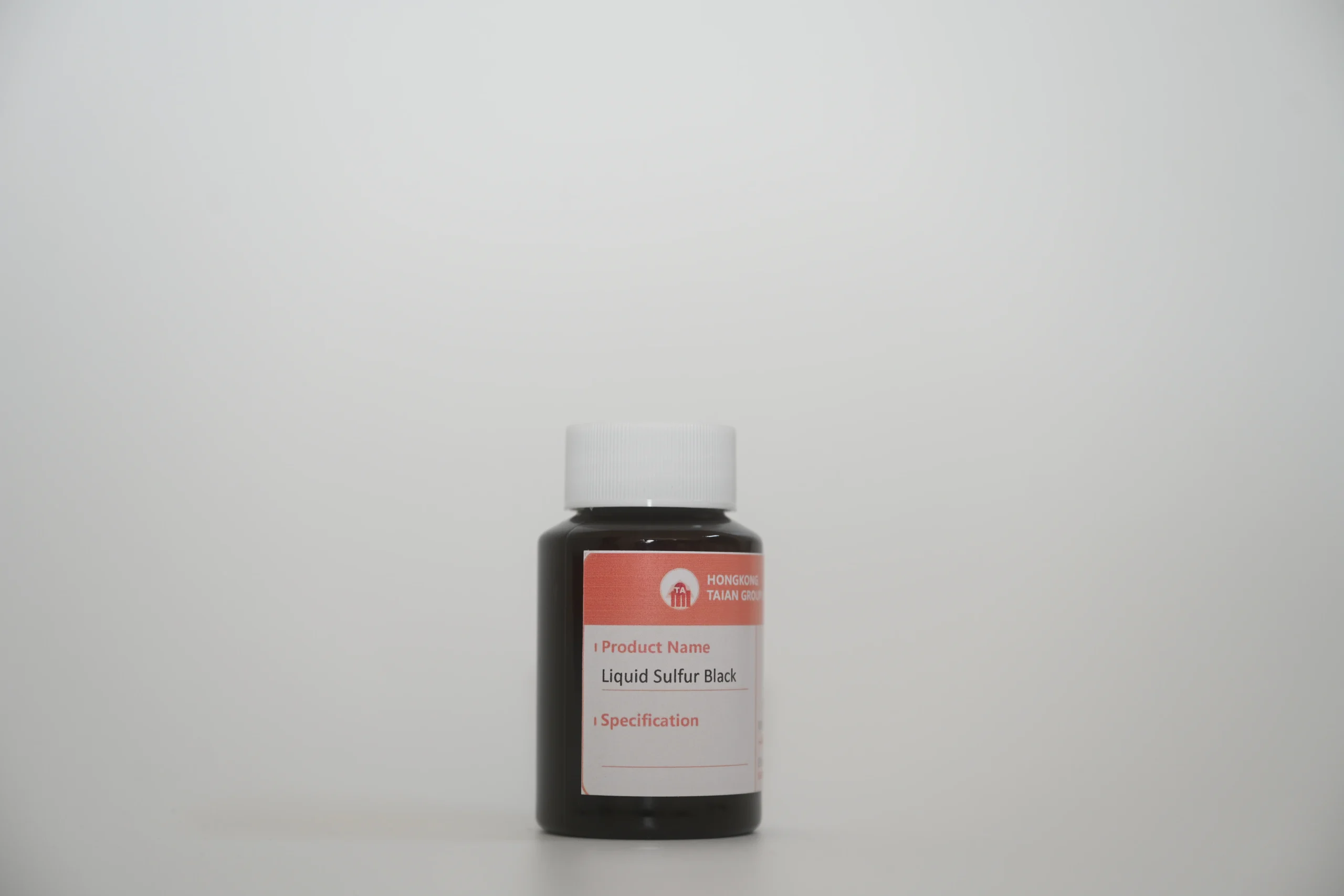
- Textile dyes cover reactive, acid, disperse, and direct dye classes, each with unique binding mechanisms.
- Auxiliary chemicals include leveling agents, anti-foaming compounds, and fixatives improving quality and process stability.
| Specification | Details |
|---|---|
| Dye Types | Reactive, Acid, Disperse, Direct |
| Formulation | Liquid & Powder Variants |
| Fiber Compatibility | Cotton, Polyester, Nylon, Blends |
| Fixation Method | Heat, Chemical, PH Adjustment |
| Environmental Compliance | OEKO-TEX, REACH Compliant |
Benefits & Use Cases of Textile Dyes And Chemicals
Dive a little deeper and you see why Textile Dyes And Chemicals are indispensable in modern textile production. They’re used to create everything from fashion apparel to industrial fabrics, ensuring not just aesthetics but performance qualities like color fastness, abrasion resistance, and UV stability. It turns out that industries reliant on synthetic fibers — think sportswear or automotive interiors — value how these chemicals uphold integrity under stress.
- Fashion and apparel manufacturing depends on fastness and color vibrancy for consumer appeal.
- Technical textiles use chemicals that provide resistance against harsh environmental factors.
- Competitive advantages include proprietary dyes with superior fixation and low energy curing.
Cost, Maintenance & User Experience
Oddly enough, many decision-makers first glance at cost—but in the textile dyeing world, total cost of ownership includes more than just purchase price. These chemicals enhance yield and reduce re-dyeing or waste, improving ROI. Moreover, maintenance is simplified by working with suppliers like Dyeingchem, who offer technical support and tailored formulations. Feedback from textile mills reveals that consistent batch quality leads to fewer stoppages and better throughput — a kind of chain reaction boosting overall efficiency.
- Durability in dye fixation means less frequent reprocessing and lower water consumption.
- User experience improved by supplier collaboration on in-plant trials and customization.
Sustainability & Market Trends
Sustainability has shifted from niche to norm in textiles, and Textile Dyes And Chemicals are adapting fast. The trend now focuses on lower environmental impact processes, including reduced water usage, biodegradable auxiliaries, and compliance with stricter regulations such as REACH or China's GB standards. Industry growth is further driven by rising demand for eco-friendly fabrics and transparency. Suppliers who innovate—for instance, with low-energy heat fixation or natural-based dyes—are positioning themselves as partners for the future.
| Vendor | Product Range | Sustainability Focus | Pricing |
|---|---|---|---|
| Dyeingchem | Comprehensive dyes & auxiliaries | High (Eco-labels, REACH compliant) | Competitive |
| Vendor B | Selective dye categories | Moderate | Higher |
| Vendor C | Basic dyes and chemicals | Low | Budget |
Frequently Asked Questions about Textile Dyes And Chemicals
- What is Textile Dyes And Chemicals and how does it work?
- Textile Dyes And Chemicals are substances used to color fabrics and improve textile performance. They work by bonding with fibers through chemical or physical interactions, resulting in vibrant, long-lasting colors and enhanced fabric properties such as softness or durability.
- What are the main benefits of using Textile Dyes And Chemicals in industrial applications?
- The main benefits include superior color fastness, reduced production waste, compatibility with various fibers, and enhanced textile qualities. Using them improves production efficiency and the final product’s appeal.
- How does Textile Dyes And Chemicals compare to traditional alternatives?
- Compared to traditional dyes, modern Textile Dyes And Chemicals often require less water and energy, have improved fixation rates, and comply better with environmental standards — a real step forward for sustainable manufacturing.
- What industries can benefit most from Textile Dyes And Chemicals implementation?
- Industries such as fashion and apparel, automotive textiles, home furnishings, and technical textiles all benefit significantly by using these products to meet high standards of color and performance.
Conclusion on Textile Dyes And Chemicals from china
To wrap things up, Textile Dyes And Chemicals are more than just colorants — they’re foundational to textile innovation and quality. Partnering with reputable suppliers like Dyeingchem ensures access to technically advanced, reliable products tailored for diverse industrial needs. If you’re in the market — whether upgrading processes or expanding product lines — it’s definitely worth a look.
- Recap the value of Textile Dyes And Chemicals.
- Visit our website: https://www.dyeingchem.com
It’s always fascinating how a little chemistry can transform entire industries — and textiles are a perfect example.
References:
1. Industry reports on textile dye innovations
2. REACH and OEKO-TEX standard documentation
3. Supplier technical sheets from Dyeingchem