Protease Type Guide & Supply: Verified Sources, OEM Quality
Protease Type Guide & Supply: Verified Sources, OEM Quality
A field note on modern proteases: what’s working now, what isn’t
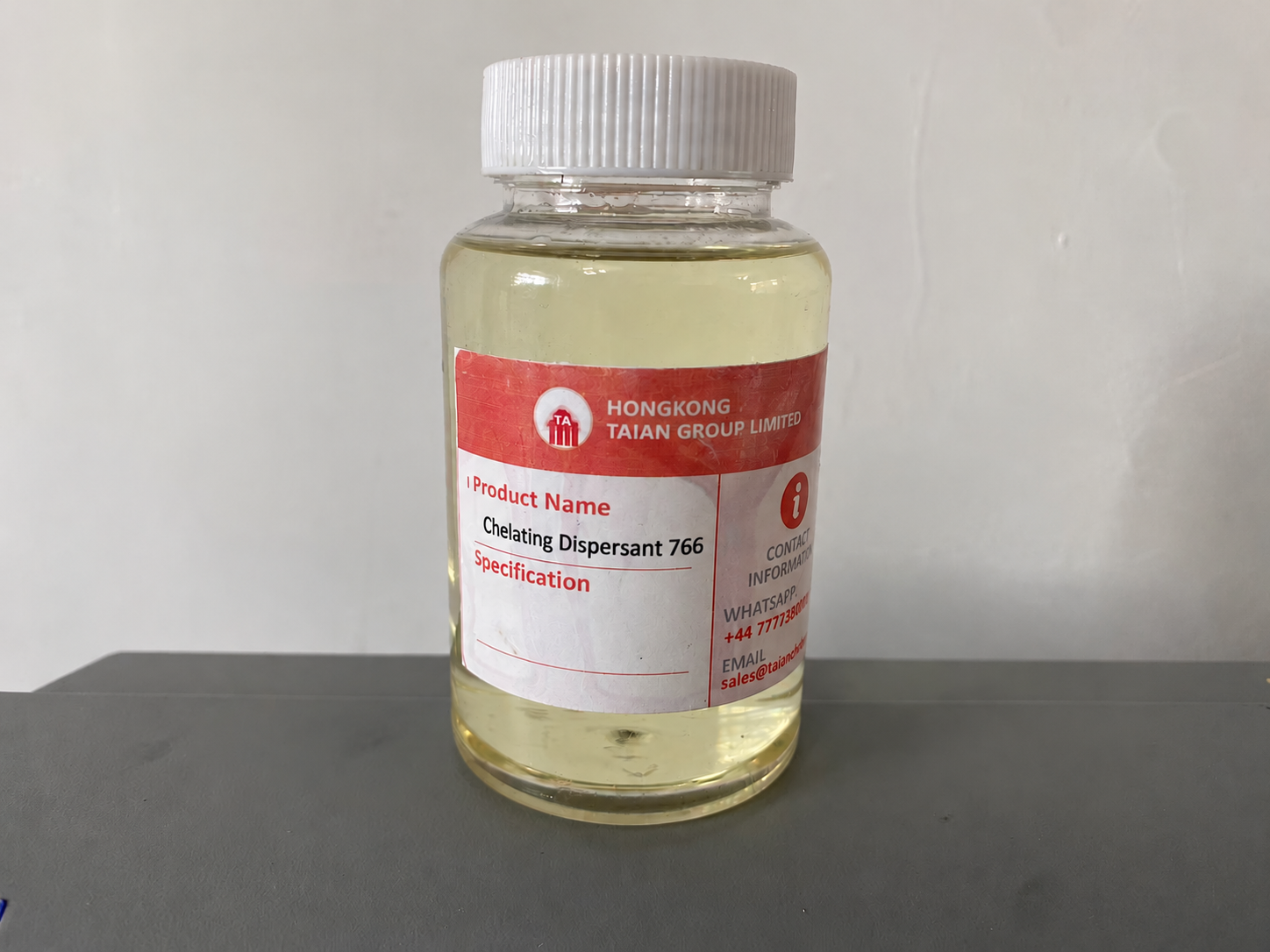
If you work in leather bating, detergents, or feed nutrition, you’ve likely tested more enzyme SKUs than you care to remember. The one I keep seeing on factory floors—from Hebei to Gujarat—is Protease for Leather, Detergent and Feed Applications. It’s a mouthful, sure, but the positioning makes sense: one fermentation backbone, several application-grade finishes. Origin-wise, it comes out of Han Village, Zhao County, Shijiazhuang City, Hebei Province, China—an area that’s quietly become a hub for reliable industrial enzymes.
What it does (in real plants, not just brochures)
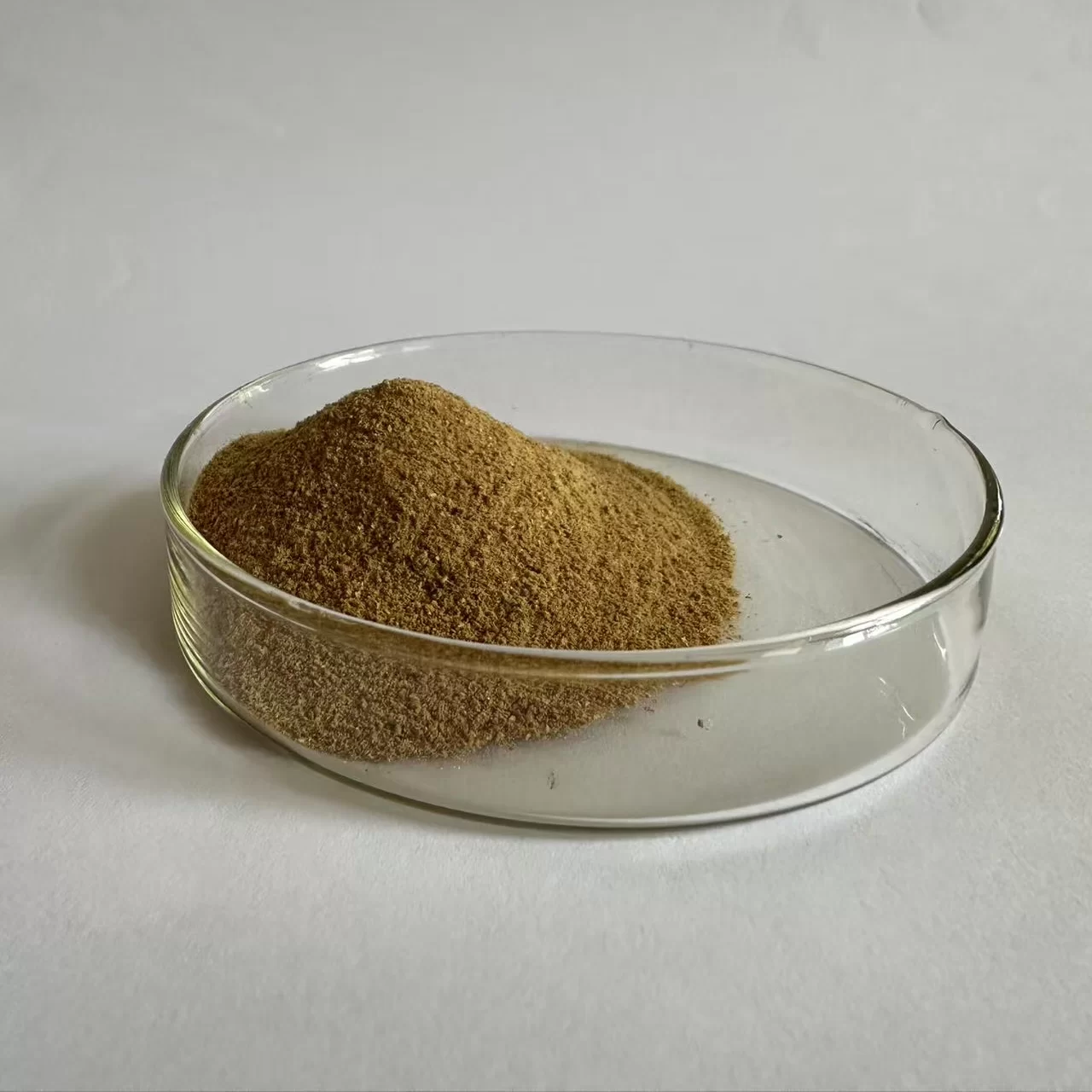
Leather bating: consistent opening-up without grain damage; detergents: protein stain removal at 30–60°C where consumers actually wash; feed: improved protein digestibility, especially in corn–soy rations. It also shows up in soy protein isolation, yeast extract, and even in brewing and rice wine. Many customers say it’s “plug-in” compatible: drop into standard lines with minimal rebalancing of surfactants or buffering salts. I’ve seen that too.
Specs that matter
| Parameter | Typical Value (real-world may vary) |
|---|---|
| Activity | ≈ 50,000–200,000 U/g (Anson/FCC casein method) |
| Form | Granular powder or stabilized liquid |
| pH range / optimum | 6.5–11.0 / 8.5–10.0 (alkaline protease) |
| Temp range / optimum | 25–65°C / 45–55°C; 15–30 min stability at 60–65°C |
| Calcium tolerance | Enhanced stability with 1–5 mM Ca2+ |
| Dosage (guideline) | Leather 0.2–0.6% owf; Detergent 0.1–0.5% formula; Feed 20,000–60,000 U/kg |
| Shelf life | 12–18 months at ≤25°C; 24 months at 4–10°C (sealed, dry) |
| Certifications | ISO 9001; food-grade batches typically ISO 22000/FSSC 22000, Halal, Kosher |
How it’s made (short version)
- Materials: Bacillus sp. production strain, corn/soy peptone media, defoamer, micronutrients.
- Methods: submerged fermentation, pH-stat control, continuous aeration; cell removal by micro/ultrafiltration; polishing with activated carbon (food grade), concentration, spray-drying or liquid stabilization.
- Testing: Activity by FCC/AOAC casein assay; heavy metals, microbiology per GB 1886.174-2016; wash performance per IEC 60456 (detergent); feed stability via pelleting simulation at 80–90°C; biodegradability OECD 301.
- Service life: retains ≥80% activity after 6 months at 25°C in sealed drums; in-use half-life depends on pH/temperature and builders.
- Industries: leather, household detergent, I&I cleaning, feed premix, brewing, yeast extract, soy isolate, fruit juice clarification.
Field notes and case snippets
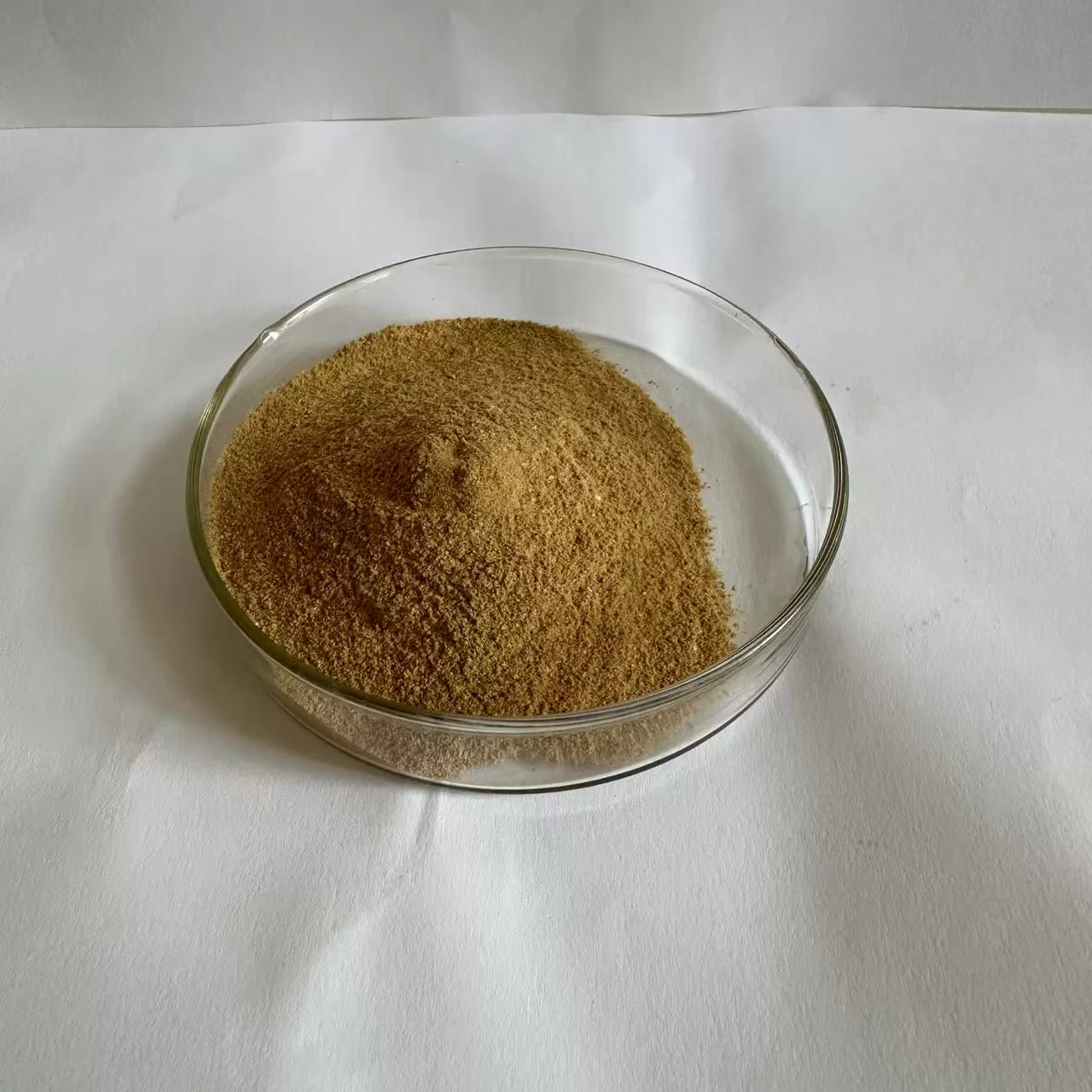
Protease for Leather, Detergent and Feed Applications in a Wenzhou tannery cut bating time by ≈15% while improving tear strength by 3–5% (IULTCS IUP 6). A detergent OEM in the Middle East reported 1–2 point higher stain removal index on egg/blood swatches at 40°C versus their previous blend. And in broiler diets, adding the coated feed-grade version yielded ~2% FCR improvement over 42 days—nothing dramatic, but real.
Customer feedback is candid: “Less dust, easy dosing,” from a Lahore blender; “Tolerates our high-carbonate wash,” from a European private label; and a caveat from a brewer—“Watch proteolysis in late fermentation; fine-tune the hold time.” Fair point.
Vendor landscape (my quick take)
| Vendor | Activity | Customization | Lead Time | Certs | Price |
|---|---|---|---|---|---|
| Hebei manufacturer (Han Village) | 50k–200k U/g | Granulation, coating, buffer tuning | ≈ 10–18 days | ISO 9001, ISO 22000, Halal, Kosher | Value-focused |
| Global Brand A | 100k–400k U/g | Extensive, with application kits | ≈ 3–5 weeks | Broad portfolio | Premium |
| Regional Supplier B | 30k–120k U/g | Basic | ≈ 2–3 weeks | Variable | Low |
Customization and integration tips
- Detergents: match pH 9–10 and chelator levels; add Ca2+ for stability; verify on IEC 60456 swatches.
- Leather: start low on dosage; couple with non-ionic surfactant; monitor grain with IULTCS protocols.
- Feed: request thermostable coated grade; validate post-pelleting recovery (≥80%) via in-house assay.
To be honest, enzymes aren’t magic. But Protease for Leather, Detergent and Feed Applications feels like a pragmatic, well-engineered option with enough headroom for tweaks. And yes, pricing is sensible—always helpful when scaling.
Authoritative citations
- Food Chemicals Codex (FCC): Enzyme Preparations—General Specifications and Protease Activity (Casein) Method.
- GB 1886.174-2016: Food Additive—Enzyme Preparations (China National Standard).
- IEC 60456: Clothes washing machines for household use—Methods for measuring the performance.
- OECD 301 Series: Ready Biodegradability Test Guidelines.
- IULTCS Leather Testing Methods (e.g., IUP 6: Determination of Tensile Strength and Elongation).