Choosing the Best Sulphur Black Manufacturer for Textile Dyeing
Choosing the Best Sulphur Black Manufacturer for Textile Dyeing
Choosing the Right Sulphur Black Manufacturer for Premium Textile Dyeing
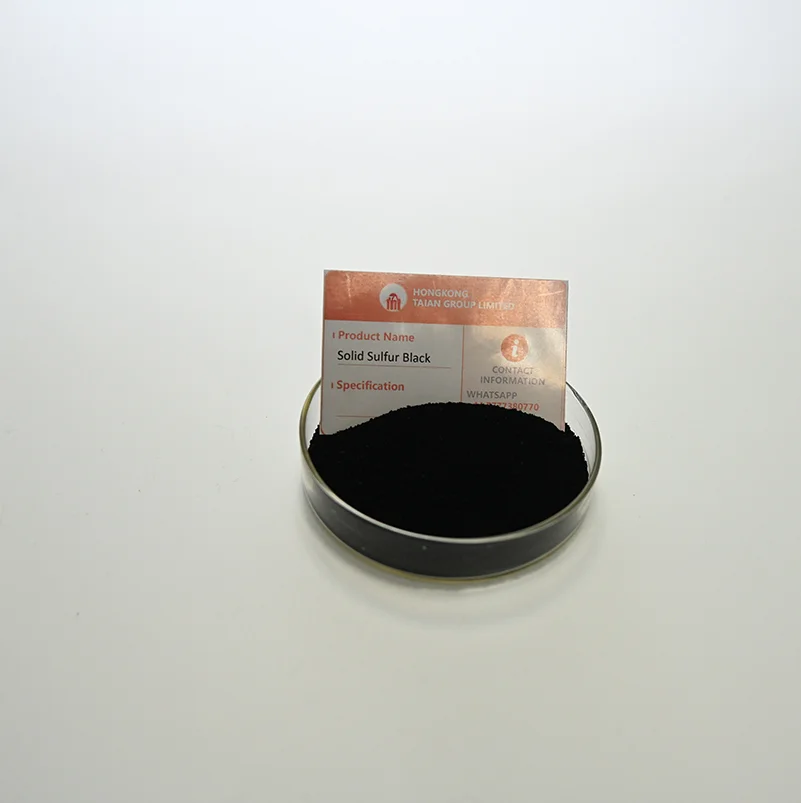
In the competitive world of textile production, achieving a deep, consistent, and durable black hue is a fundamental challenge. Finding a reliable sulphur black manufacturer is essential for brands that prioritize color fastness and cost-efficiency. Sulphur dyes are renowned for their excellent wash fastness and affordability, making them the go-to choice for denim and heavy cotton fabrics. This guide will explore the technical nuances of sulphur black dyes and how to identify a manufacturing partner that meets international quality standards to ensure your fabrics maintain their elegance over time.
The Role of a Professional Sulphur Black Manufacturer in Quality Control
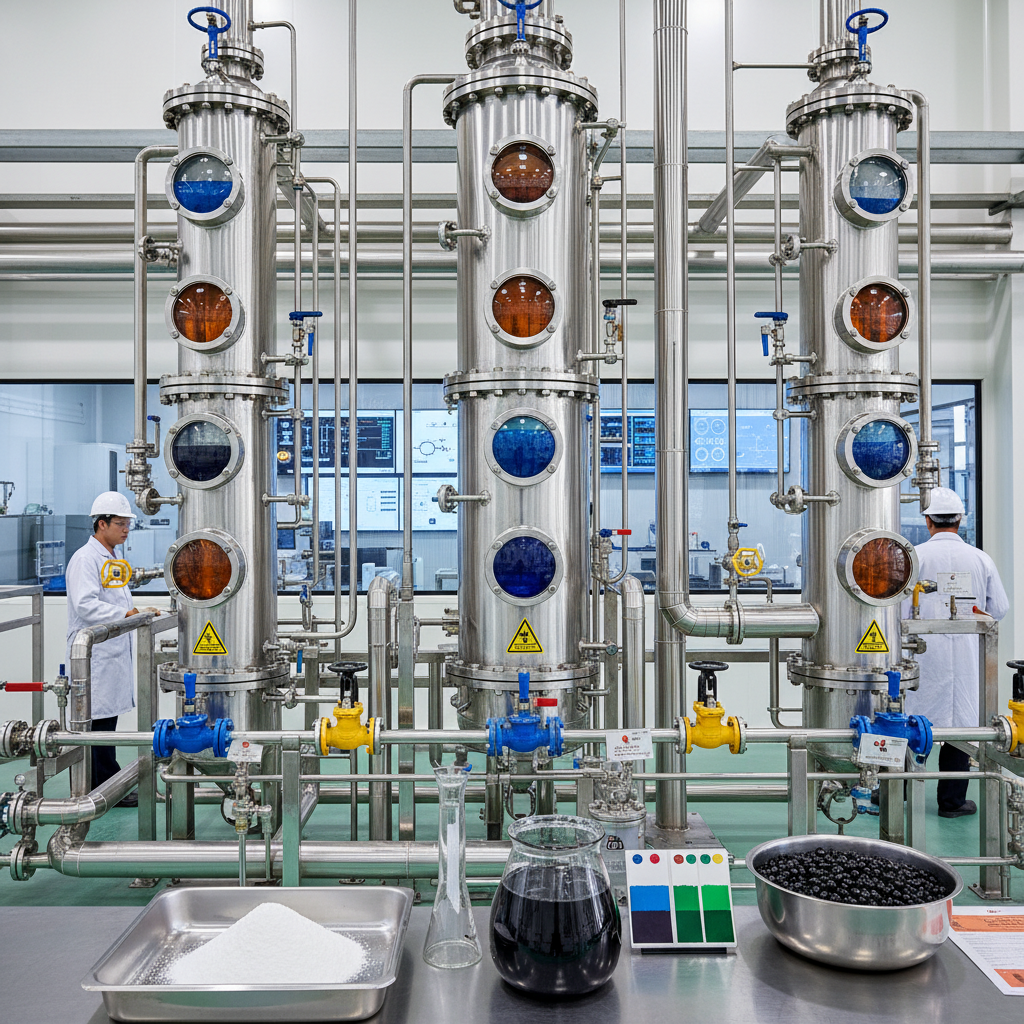
A professional sulphur black manufacturer does more than just produce pigment; they ensure chemical stability and consistency across batches. The production of sulphur black involves complex chemical reactions that, if not managed precisely, can lead to uneven shading or "bronzing" of the fabric. Top-tier manufacturers utilize advanced filtration and purification processes to eliminate impurities, ensuring that the dye dissolves uniformly in the dye bath. By partnering with an expert, textile mills can reduce waste and minimize the need for re-dyeing, which significantly lowers production costs and environmental impact.
Industry Insight: High-quality sulphur black is characterized by its high purity and fine particle size, which directly influences the penetration depth and the overall saturation of the textile fibers.
Technical Advantages of Using High-Grade Sulphur Black
When sourcing from a leading sulphur black manufacturer, the technical advantages become evident in the final product's performance. Unlike some synthetic dyes, sulphur black offers a unique balance of deep penetration and strong binding to cellulose fibers. This results in a fabric that resists fading even after multiple heavy-duty washes. Furthermore, modern manufacturing techniques have reduced the odor typically associated with sulphur dyes, making the end-product more appealing to consumers. The ability to achieve a "true black" without an unwanted reddish or greenish undertone is the hallmark of a superior chemical formulation.
Performance Benefits:
• Exceptional wash fastness for denim and workwear
• High cost-effectiveness compared to reactive dyes
• Strong affinity for cotton, viscose, and linen
• Consistent depth of shade across large production lots
Sulphur Black vs. Reactive Black: Which One to Choose?
Deciding between sulphur and reactive dyes depends on the intended use of the garment. While reactive dyes offer superior light fastness, a sulphur black manufacturer provides a solution that is far more economical for mass-market industrial textiles. Sulphur dyes are particularly preferred for denim because they allow for the characteristic "fading" effect that consumers desire. The following table provides a clear comparison to help you determine the best fit for your textile project.
Evaluating Your Sulphur Black Manufacturer's Standards
When selecting a sulphur black manufacturer, it is critical to look beyond the price tag. Environmental compliance is now a non-negotiable factor in global trade. Leading manufacturers implement advanced wastewater treatment systems to manage the effluent generated during the production of sulphur dyes. Additionally, you should request certifications such as ISO or OEKO-TEX to ensure the dyes are free from harmful banned amines. A transparent supplier will provide detailed Technical Data Sheets (TDS) and Material Safety Data Sheets (MSDS) to ensure safe handling and precise application in your facility.
Product Specifications and Application Guidelines
To achieve the best results, the application process must follow the precise specifications provided by the sulphur black manufacturer. Because sulphur dyes are insoluble in water, they must be reduced to a soluble "leuco" form using sodium sulphide or sodium hydrosulphite. The pH and temperature of the dye bath must be monitored strictly to prevent the dye from oxidizing too quickly, which would lead to patchy coloring. Below are the standard specifications typically found in premium sulphur black products.
Conclusion: Partnering with a Reliable Sulphur Black Manufacturer
Choosing the right sulphur black manufacturer is a strategic decision that impacts both the quality of your textile products and your bottom line. By focusing on purity, environmental compliance, and technical support, you can ensure that your fabrics achieve a professional, deep black finish that stands the test of time. Whether you are producing high-fashion denim or industrial workwear, the stability and efficiency of your dye source are paramount. Invest in a partner who understands the chemistry of color and the demands of the modern global market.
Frequently Asked Questions (FAQs)
How do I ensure color consistency across different batches from my manufacturer?
To ensure consistency, you should work with a sulphur black manufacturer that provides standardized "master batches" and detailed certificates of analysis (CoA) with every shipment. It is recommended to perform a lab-scale sample test before moving to bulk production. By controlling the concentration of the dye and the reduction agents strictly, you can maintain the same depth of shade. If variations occur, checking the purity of the dye and the water hardness in your facility is the first step toward rectification.
Is sulphur black dye environmentally friendly?
Traditional sulphur dyeing can be challenging for the environment due to the use of strong reducing agents. However, a modern, responsible sulphur black manufacturer implements strict effluent treatment plants (ETP) to neutralize chemicals before they enter the water system. Many industry leaders are now developing "low-salt" or "low-sulphide" alternatives to reduce the ecological footprint. When sourcing, always ask for the manufacturer's wastewater management protocols and their compliance with international environmental standards to ensure your supply chain remains sustainable.
What causes the "sulphur smell" in dyed fabrics, and can it be removed?
The characteristic smell is caused by residual sulphur compounds that remain on the fiber after the dyeing process. This is typically managed through a process called "after-treatment" or "oxidation." A high-quality sulphur black manufacturer will recommend a thorough soaping-off process and the use of mild oxidizing agents (like hydrogen peroxide) during the final rinse. Proper aeration and drying of the fabric also help in dissipating the scent, ensuring the final garment is consumer-ready and odorless.
Can sulphur black be used on polyester blends?
Sulphur dyes are specifically designed for cellulosic fibers like cotton, linen, and viscose. They do not have an affinity for polyester. If you are dyeing a blend (e.g., Poly-Cotton), the sulphur black will only color the cotton portion of the fiber, resulting in a "heathered" or "melange" look. To achieve a solid black on polyester blends, you would need a two-stage dyeing process: using disperse dyes for the polyester and sulphur or reactive dyes for the cotton. Consult with your manufacturer to determine the best dye combination for your specific fabric blend.