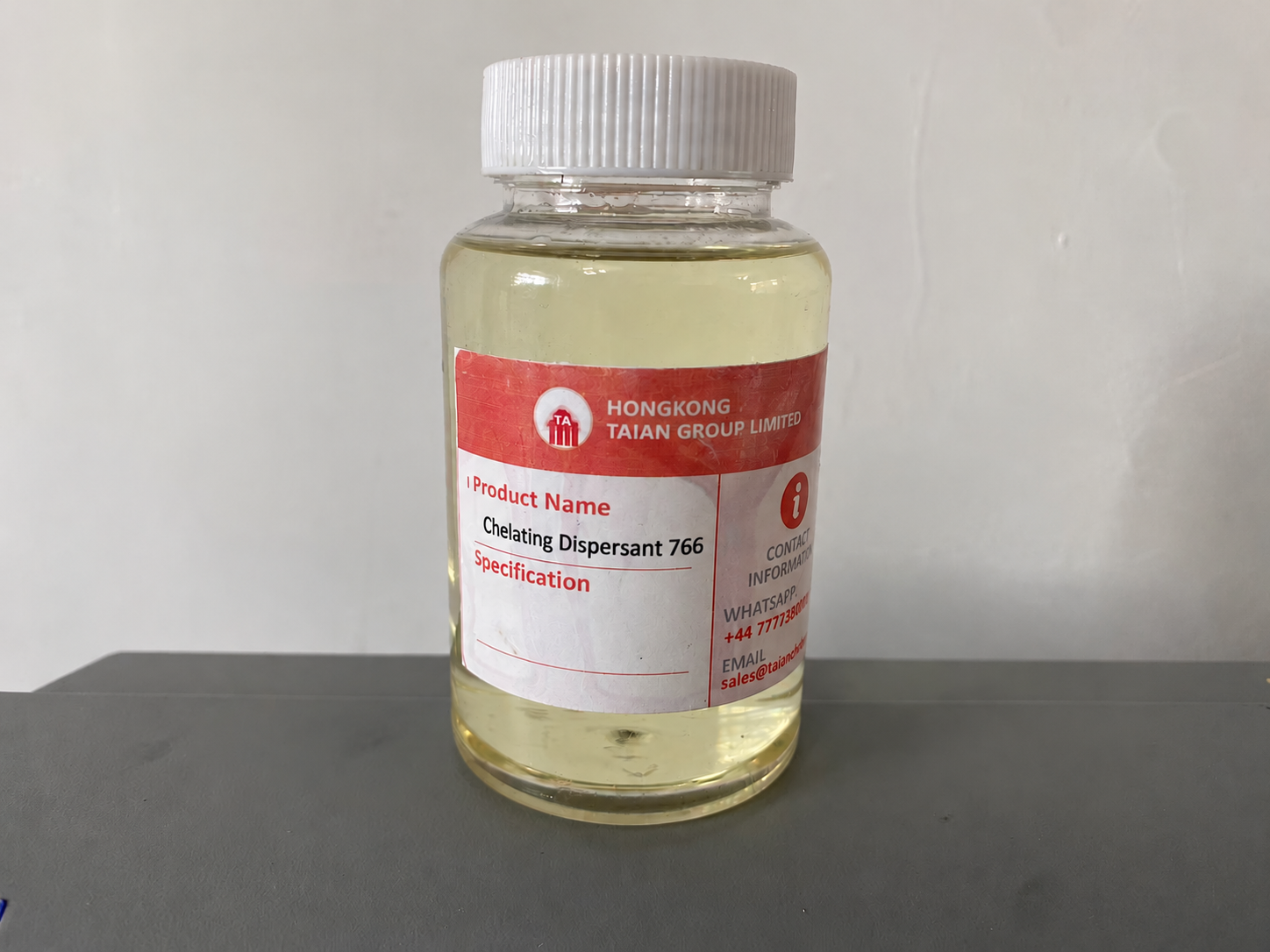
Comprehensive Guide to Textile Dye Selection and Application Techniques
Comprehensive Guide to Textile Dye Selection and Application Techniques
Understanding Textile Dye: A Comprehensive Guide
Textile dyes are essential components in the fashion and textile industries, providing the vibrant colors we see in clothing, home furnishings, and more. Choosing the right textile dye is crucial for achieving desired aesthetics, durability, and sustainability. This article will explore the different types of textile dyes, their applications, factors to consider when selecting a dye, and emerging trends in the industry. We’ll delve into how to select the optimal dye for your specific needs, and connect you to resources to learn more. Explore our range of high-quality textile dyes at Dyeingchem.com.
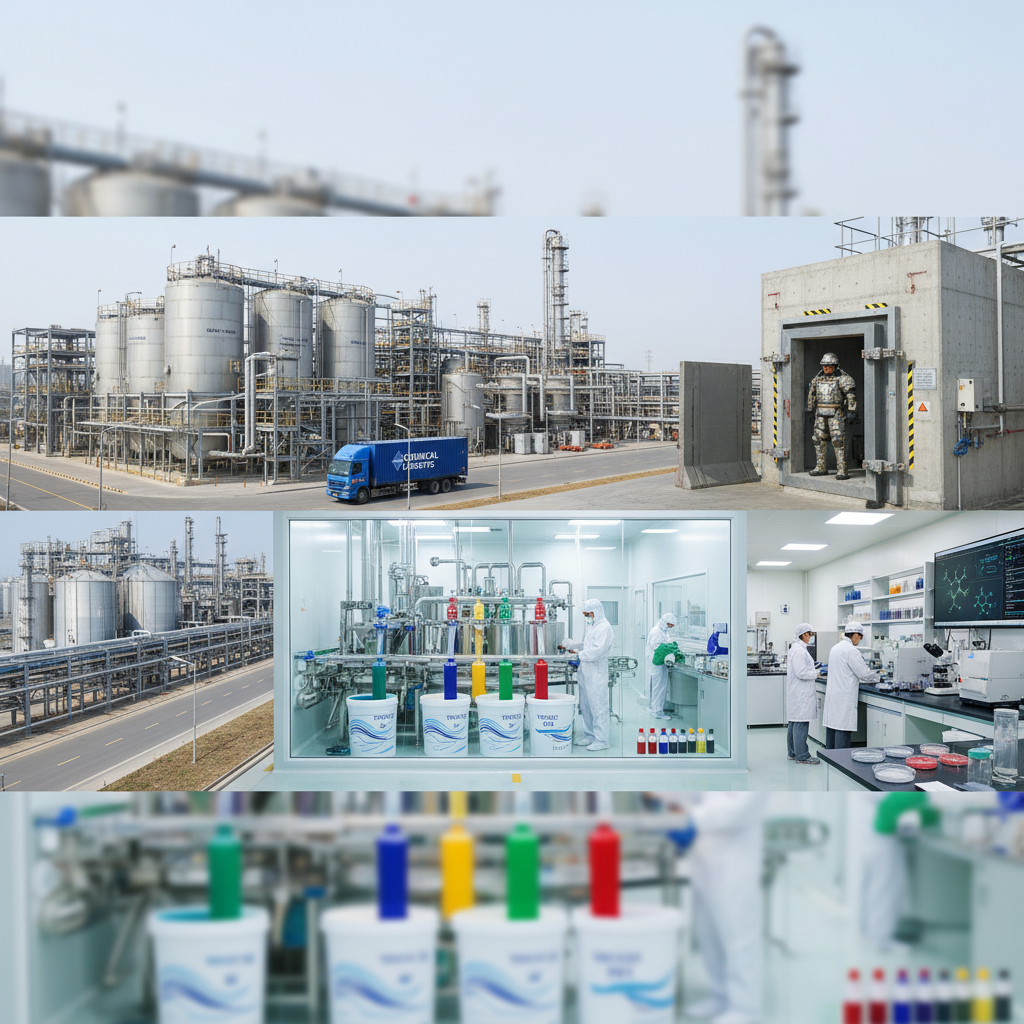
Types of Textile Dyes
Textile dyes are classified based on their chemical composition and application method. Common types include reactive dyes, direct dyes, acid dyes, disperse dyes, vat dyes, and sulfur dyes. Each dye type possesses unique characteristics in terms of colorfastness, washability, and suitability for different fibers. Reactive dyes, for example, form a chemical bond with the fiber, resulting in excellent wash fastness, making them popular for cotton. Disperse dyes are used for synthetic fibers like polyester, and acid dyes are commonly used for wool and silk. Understanding the strengths and weaknesses of each dye type is essential for making informed decisions.
Key Takeaway: Selecting the right dye depends on the fiber content of the fabric and the desired performance characteristics.
Factors to Consider When Choosing a Textile Dye
Several factors influence the selection of a textile dye. The fiber content of the fabric is paramount; different dyes are designed for specific fibers. Colorfastness, or the dye's resistance to fading or bleeding, is another critical consideration, especially for garments intended for frequent washing. Environmental impact is increasingly important, driving demand for eco-friendly dyes and sustainable dyeing processes. Cost, availability, and the required equipment also play a role in the decision-making process. Furthermore, the desired shade and depth of color will dictate the quantity of dye required and potential mixing with other dyes.
Essential Considerations:
• Fiber content
• Colorfastness requirements
• Environmental impact
• Cost and availability
A Comparison of Common Textile Dyes
Understanding the differences between dye types is key to selecting the best option for your project. The following table provides a comparative overview of some common textile dyes:
Emerging Trends in Textile Dyeing
The textile dyeing industry is evolving, driven by sustainability concerns and technological advancements. Natural dyes, derived from plants, insects, and minerals, are gaining popularity as eco-friendly alternatives. Digital textile printing, offering precise color control and reduced water usage, is also on the rise. Furthermore, research into innovative dyeing techniques, such as plasma dyeing and supercritical fluid dyeing, promises to minimize environmental impact and enhance dye efficiency. These emerging trends showcase a commitment to a more responsible and sustainable future for the textile industry.
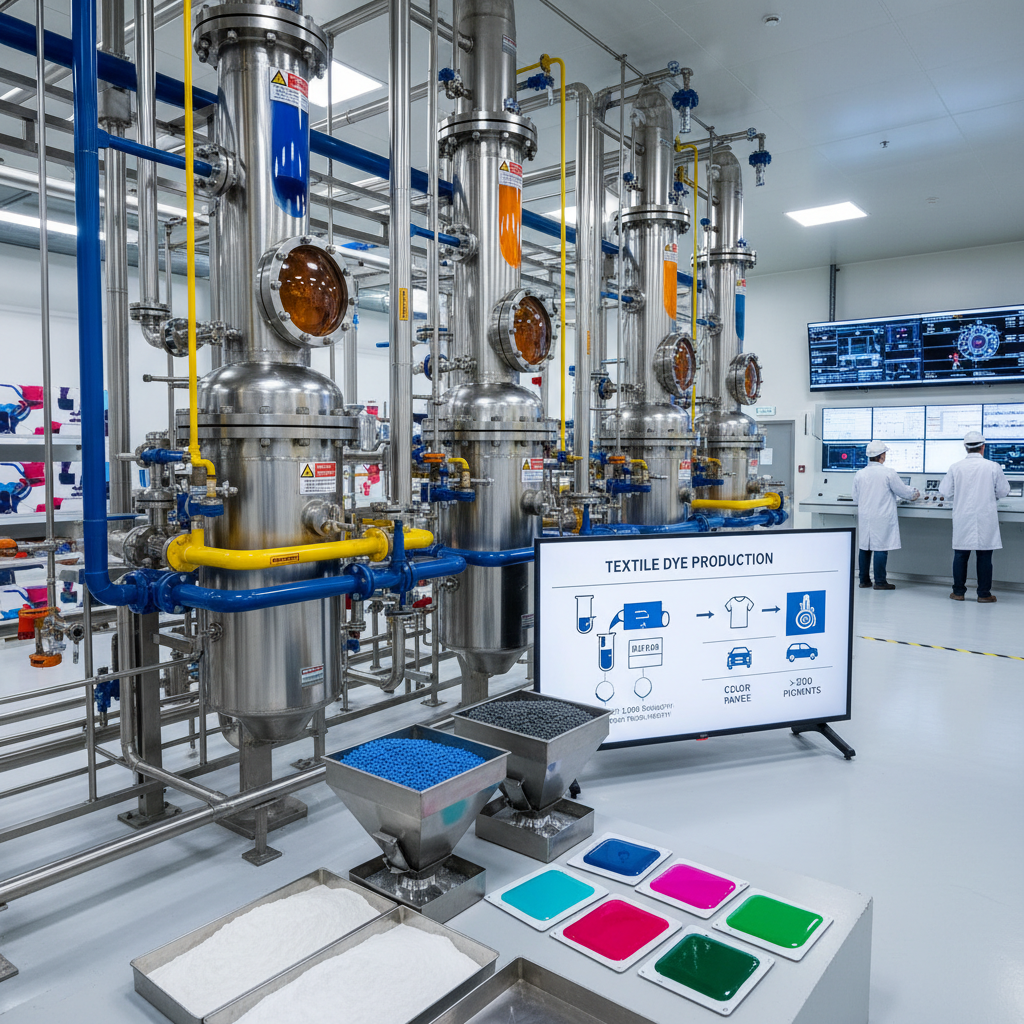
Product Specifications: Reactive Dye Blue 19
Here's a sample product specification for one of our most popular dyes:
Conclusion: Choosing the Right Textile Dye
Selecting the appropriate textile dye requires careful consideration of fiber type, desired colorfastness, environmental impact, and cost. By understanding the characteristics of different dye classes and staying abreast of emerging trends, you can make informed decisions that optimize performance and minimize environmental footprint. Explore our comprehensive range of textile dyes at Dyeingchem.com for all your dyeing needs.
Frequently Asked Questions (FAQs)
What are the environmental concerns associated with textile dyeing?
Textile dyeing can have significant environmental impacts, primarily due to water pollution from dye effluent. Many traditional dyes contain heavy metals and other harmful chemicals. The dyeing process also consumes large amounts of water and energy. However, the industry is increasingly adopting sustainable practices, such as using eco-friendly dyes, implementing water recycling systems, and optimizing dyeing processes to reduce waste. Choosing dyes with lower environmental impact certifications, like OEKO-TEX, is a crucial step towards sustainability.
How does fiber preparation affect dye uptake?
Proper fiber preparation is critical for achieving uniform and optimal dye uptake. Fibers must be thoroughly cleaned to remove impurities like oils, waxes, and sizing agents, which can hinder dye penetration. Pretreatment processes, such as scouring, bleaching, and mercerization, enhance dyeability and improve colorfastness. Insufficient fiber preparation can lead to uneven dyeing, poor color yield, and reduced fabric quality.
What is the role of auxiliaries in textile dyeing?
Auxiliaries are chemical substances added during the dyeing process to enhance dye uptake, improve leveling, and achieve desired effects. They include dispersing agents, wetting agents, leveling agents, and fixing agents. Dispersing agents help to keep the dye particles evenly dispersed in the dye bath. Wetting agents improve the fabric's wettability, allowing for better dye penetration. Leveling agents promote uniform dye distribution, while fixing agents enhance colorfastness. Selecting the appropriate auxiliaries is essential for achieving optimal dyeing results.
Where can I source high-quality textile dyes?
You can source high-quality textile dyes from reputable suppliers like Dyeingchem.com. We offer a wide range of dyes, pigments, and auxiliaries, with comprehensive technical support. Ensure that the supplier provides certificates of analysis and adheres to strict quality control standards. Consider factors like price, delivery time, and customer service when choosing a supplier.