A Comprehensive Guide to Understanding and Utilizing Reducing Reagent Chemistry
A Comprehensive Guide to Understanding and Utilizing Reducing Reagent Chemistry
Understanding Reducing Reagents: A Comprehensive Guide
In the realm of chemistry, reducing reagents are vital components, playing a critical role in numerous chemical processes. These substances donate electrons to other species, facilitating reduction reactions. From organic synthesis to analytical chemistry, understanding the nuances of reducing reagents is essential. This article provides a detailed exploration of reducing reagents, encompassing their types, applications, safety considerations, and how to select the optimal reagent for your specific needs. Properly utilizing reducing reagents enhances efficiency and precision in a wide range of scientific and industrial applications.
Types of Reducing Reagents
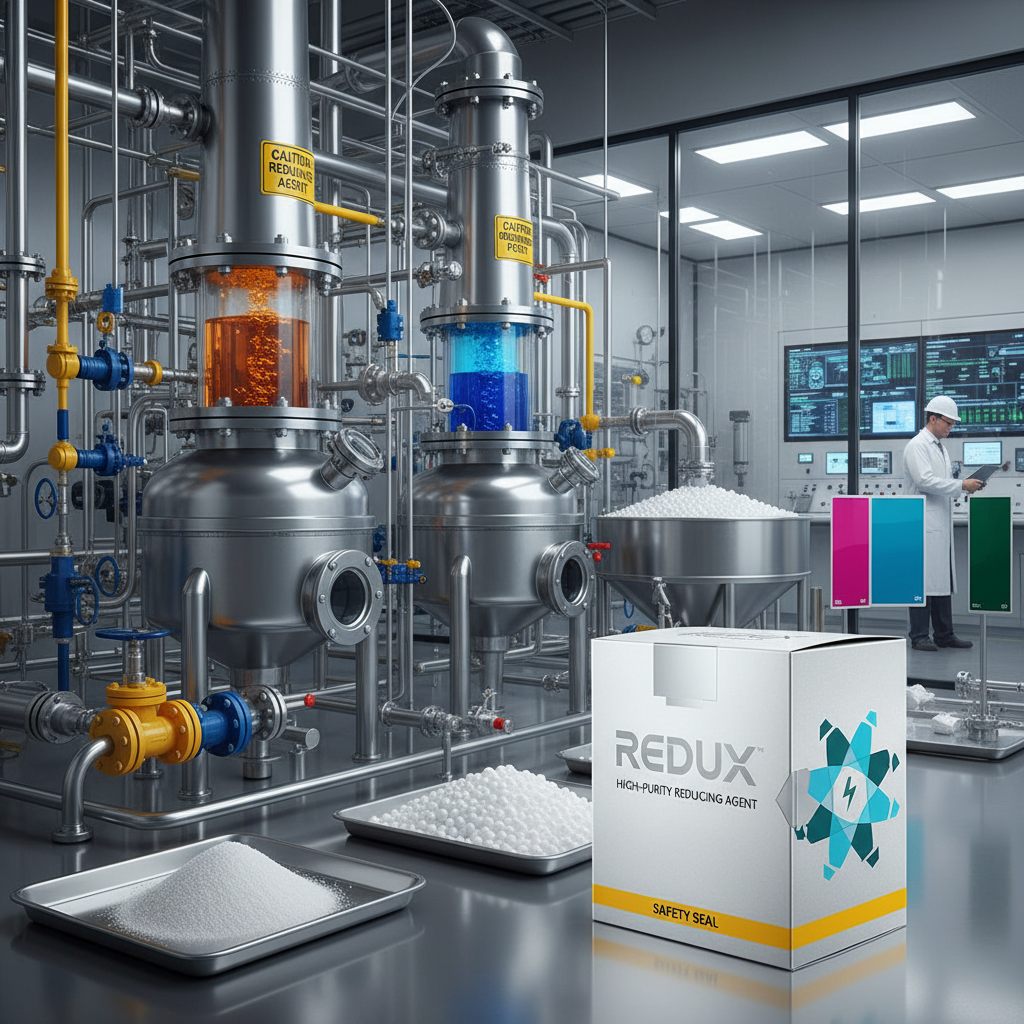
Reducing reagents come in a diverse array, each with unique properties and applications. Some common types include metal hydrides like sodium borohydride (NaBH₄) and lithium aluminum hydride (LiAlH₄), which are powerful reducing agents often used to reduce aldehydes, ketones, and carboxylic acids. Other important categories include catalytic hydrogenation using metals like palladium or platinum, and dissolving metal reductions employing metals like zinc or iron in acidic solutions. The choice of reagent depends on the functional group being reduced, the desired selectivity, and the reaction conditions. Understanding these differences is crucial for achieving successful reductions.
Key Considerations: Selecting the right reducing reagent involves assessing reactivity, selectivity, cost, and safety. Careful planning is essential for optimal results.
Reducing Reagent Applications
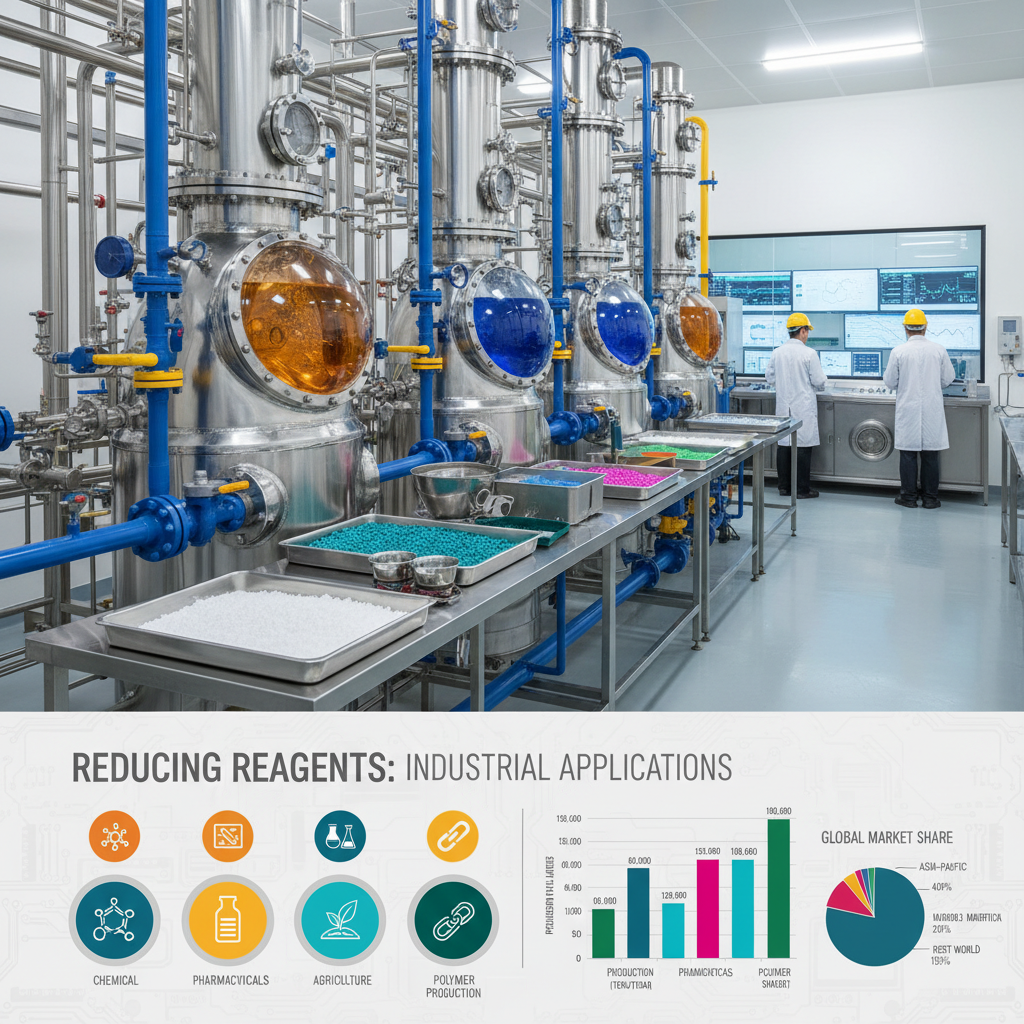
The applications of reducing reagents are incredibly broad. In organic chemistry, they are used extensively for converting functional groups, such as reducing nitro compounds to amines, or alkynes to alkenes. In analytical chemistry, reducing agents are employed in titrations and the determination of various substances. Industrial processes heavily rely on reducing reagents for metal refining, polymer synthesis, and the production of various chemicals. The pharmaceutical industry utilizes these reagents in the synthesis of drug molecules and intermediates.
Application Areas:
• Organic Synthesis
• Analytical Chemistry
• Industrial Metal Refining
• Pharmaceutical Manufacturing
A Comparison of Common Reducing Reagents
Selecting the appropriate reducing reagent often requires a careful comparison of their strengths and weaknesses. LiAlH₄ is a strong reducing agent capable of reducing a wide range of functional groups, but is also highly reactive and requires anhydrous conditions. NaBH₄ is milder and can be used in protic solvents, making it more convenient for some applications. Catalytic hydrogenation offers high selectivity, but requires specialized equipment and may be sensitive to poisoning. The following table summarizes key features of these reagents.
Safety Considerations When Using Reducing Reagents
Many reducing reagents are highly reactive and pose potential hazards. LiAlH₄ reacts violently with water, releasing flammable hydrogen gas. NaBH₄ can generate hydrogen gas in acidic solutions. Catalytic hydrogenation requires careful handling of flammable hydrogen gas and potentially pyrophoric catalysts. Always wear appropriate personal protective equipment (PPE) such as gloves, goggles, and a lab coat. Work in a well-ventilated area or a fume hood. Always follow established safety protocols and consult the safety data sheet (SDS) for specific reagent hazards and handling procedures.
Choosing the Right Reducing Reagent for Your Application
Selecting the optimal reducing reagent depends on the specific functional group to be reduced, the desired selectivity, and the reaction conditions. Consider the reactivity of the reagent, its compatibility with the solvent, and its safety profile. For sensitive functional groups, milder reagents like NaBH₄ are preferred. For complete reduction of challenging substrates, stronger reagents like LiAlH₄ may be necessary. Consulting chemical literature and considering the reaction mechanism can guide the selection process. DyeingChem offers a comprehensive range of high-quality reducing reagents to suit diverse needs.
Conclusion: Mastering the Art of Reduction
Understanding reducing reagents is fundamental to success in various chemical disciplines. By carefully considering the type of reagent, its application, safety considerations, and the specific requirements of your reaction, you can achieve efficient and precise results. Whether you are a researcher, a chemist, or a student, a thorough grasp of reducing reagents is invaluable for advancing your work.
Frequently Asked Questions (FAQs)
What are the main safety precautions when handling LiAlH₄?
Lithium aluminum hydride (LiAlH₄) is a powerful reducing agent that reacts violently with water, alcohols, and other protic solvents, releasing flammable hydrogen gas. It is also corrosive. Key safety precautions include: working in a dry, inert atmosphere (e.g., under nitrogen or argon), wearing appropriate PPE (gloves, goggles, lab coat), and avoiding contact with moisture. In case of a spill, do NOT use water to extinguish it; use a Class D fire extinguisher specifically designed for metal fires. Proper disposal procedures must be followed to neutralize any remaining reagent.
How can I determine the appropriate amount of reducing reagent to use?
Determining the correct amount of reducing reagent involves stoichiometry. First, calculate the number of moles of the functional group you intend to reduce. Then, based on the balanced chemical equation for the reduction reaction, determine the required mole ratio of the reducing reagent. It's often beneficial to use a slight excess of the reducing reagent to ensure complete conversion. However, excessive use can lead to side reactions and complicate purification. Careful monitoring of the reaction progress is crucial.
What is the difference between catalytic hydrogenation and metal hydride reduction?
Catalytic hydrogenation uses hydrogen gas (H₂) in the presence of a metal catalyst (like palladium or platinum) to reduce unsaturated bonds, such as alkenes and alkynes. It is generally highly selective and produces clean products. Metal hydride reduction, using reagents like LiAlH₄ or NaBH₄, directly transfers hydride ions (H⁻) to the substrate. Metal hydride reductions are often faster but can be less selective and require careful control of reaction conditions. The choice depends on the specific functional group and desired outcome.
Can reducing reagents be used to reduce other compounds besides organic molecules?
Yes, reducing reagents have applications beyond organic chemistry. In inorganic chemistry, they are used for reducing metal ions, such as reducing silver ions to metallic silver. In environmental chemistry, reducing agents can be used for removing pollutants like nitrates from water. Even in some industrial processes, reducing reagents are utilized to recover metals from ores. The principles of electron transfer apply broadly across these diverse applications.