Optimizing Textile Production Through Strategic Dyeing Assistant Selection
Optimizing Textile Production Through Strategic Dyeing Assistant Selection
Choosing the Right Dyeing Assistant for Optimal Textile Production
In the intricate world of textile manufacturing, the efficiency and quality of the dyeing process are paramount. A crucial component often overlooked is the dyeing assistant. These chemical compounds play a vital role in enhancing dye uptake, leveling, and overall fabric finish. Selecting the appropriate dyeing assistant can significantly impact production costs, colorfastness, and the environmental footprint of your operations. At Dyeingchem, we offer a comprehensive range of dyeing assistants designed to meet diverse textile needs. Understanding the types and functions of these assistants is key to achieving superior dyeing results.
What are Dyeing Assistants?
Dyeing assistants, also known as dyeing auxiliaries, are chemicals added to the dye bath to improve the dyeing process. They don't directly impart color but significantly influence how effectively the dye binds to the fabric. These agents can address a range of challenges, including poor dye solubility, uneven dye distribution, and insufficient colorfastness. Different types of dyeing assistants serve specific purposes, making it crucial to select the right one for your fabric type, dye class, and desired outcome. From leveling agents to dispersing agents, each plays a unique role in optimizing the dyeing process.
Key Benefits of Using Dyeing Assistants: Enhanced dye uptake, improved color leveling, increased colorfastness, reduced dyeing time, and minimized environmental impact.
Types of Dyeing Assistants and Their Functions
The world of dyeing assistants is diverse. Here’s a breakdown of some common types and their specific functions:
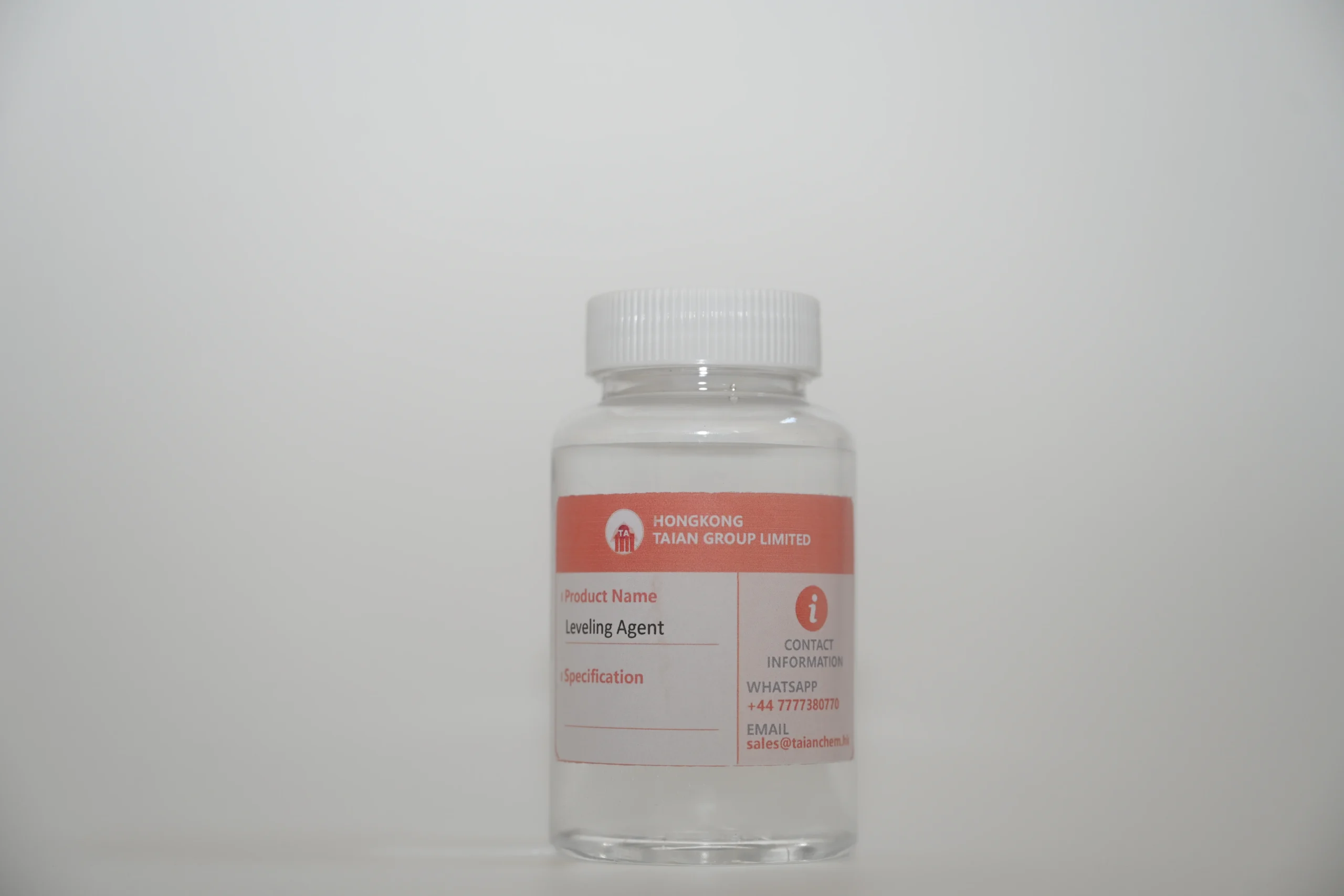
- Leveling Agents: Promote even dye distribution, preventing uneven coloration and blotchiness.
- Dispersing Agents: Help keep insoluble dyes finely dispersed in the dye bath, improving dye penetration.
- Wetting Agents: Reduce surface tension, allowing the dye bath to penetrate the fabric more easily.
- Fixing Agents: Improve colorfastness by forming a stronger bond between the dye and the fiber.
- Sequestering Agents: Bind to metal ions in the water, preventing them from interfering with the dyeing process.
- Defoamers: Prevent excessive foaming, which can hinder dye penetration and cause uneven dyeing.
Selecting the Right Dyeing Assistant: A Comparative Overview
Choosing the optimal dyeing assistant depends on several factors, including the fiber type (cotton, polyester, nylon, etc.), the dye class (reactive, direct, disperse, etc.), and the desired shade and fastness properties. Using the wrong assistant can lead to poor dye uptake, uneven coloration, or reduced colorfastness.
Dyeing Assistant Product Range at Dyeingchem
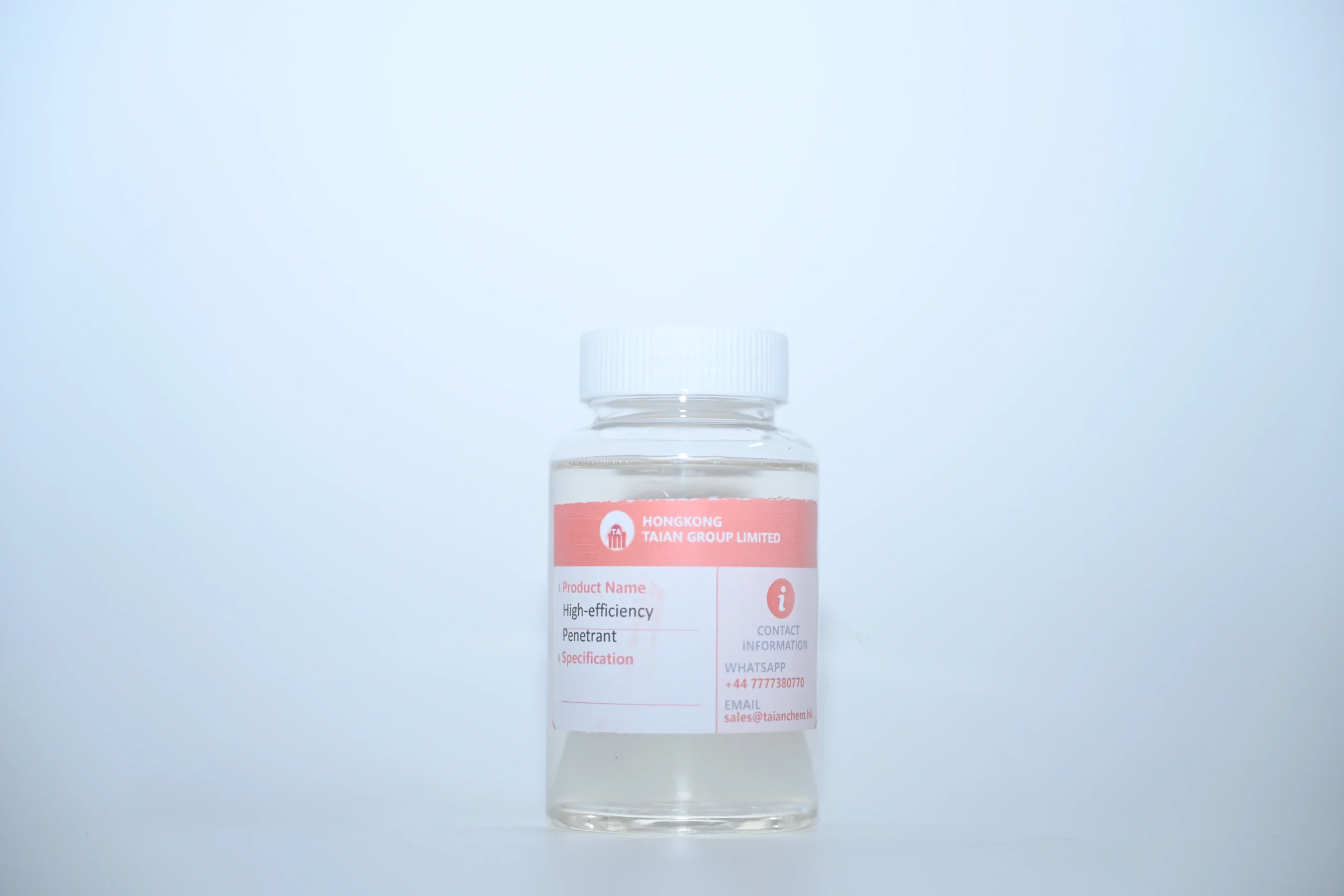
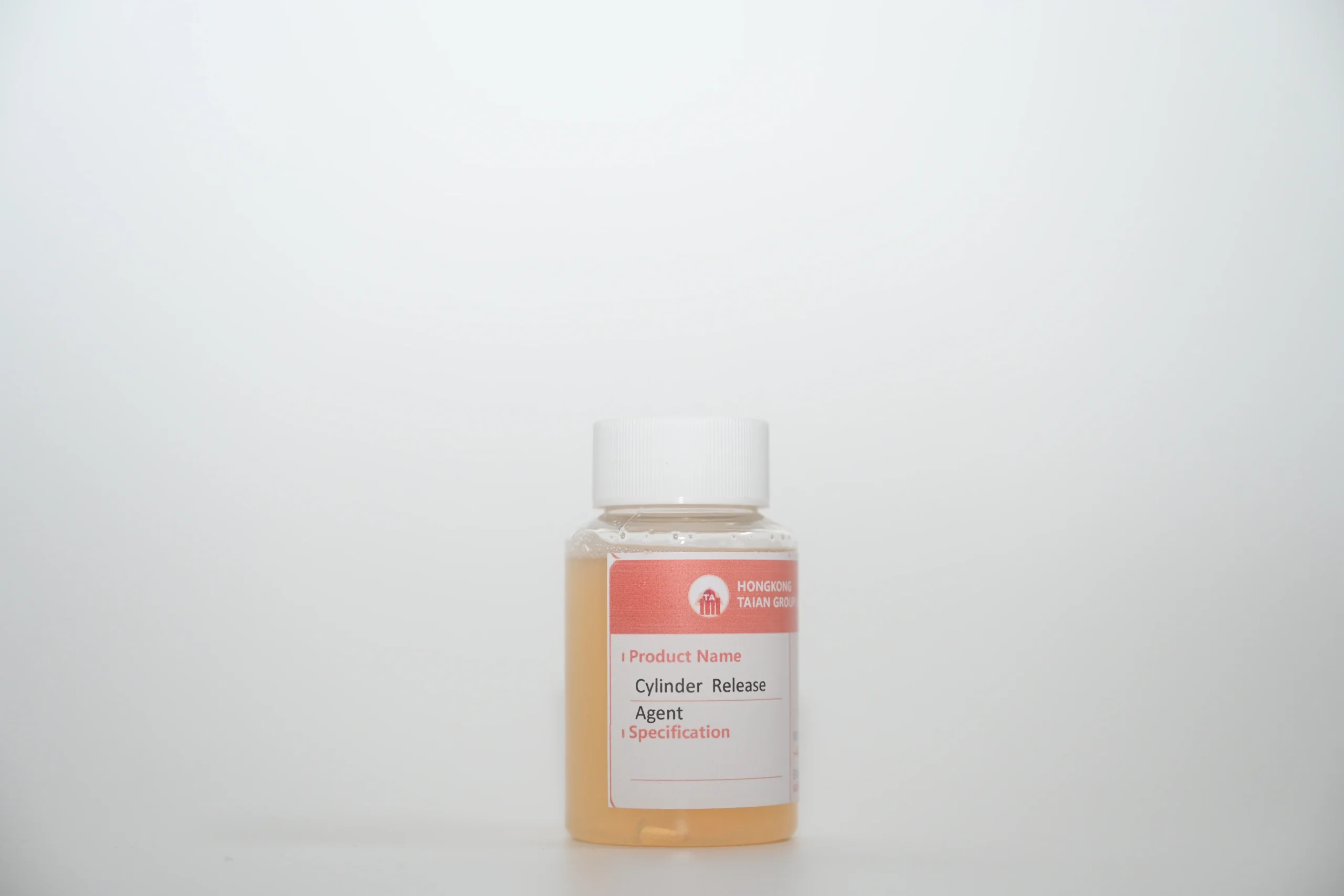
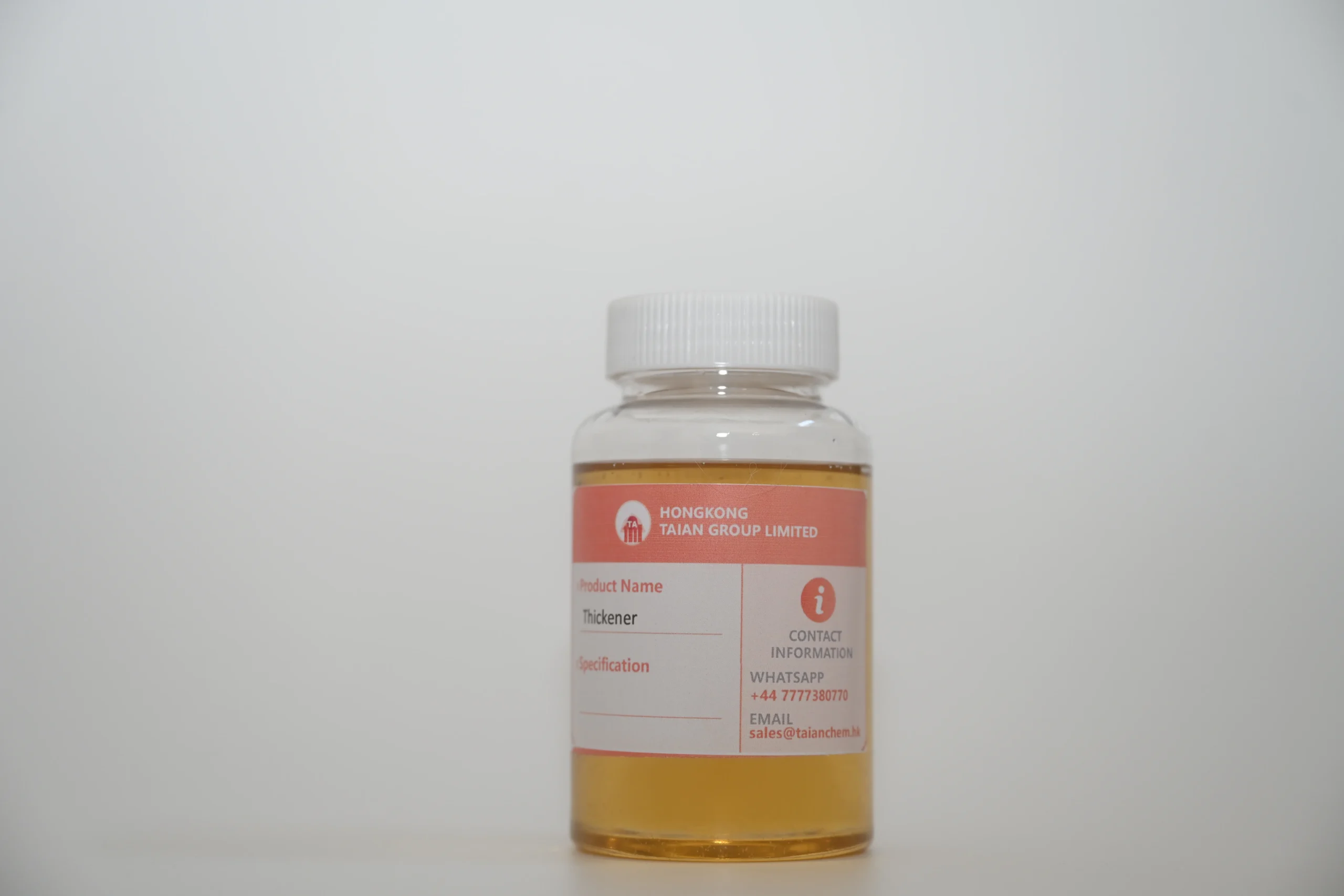
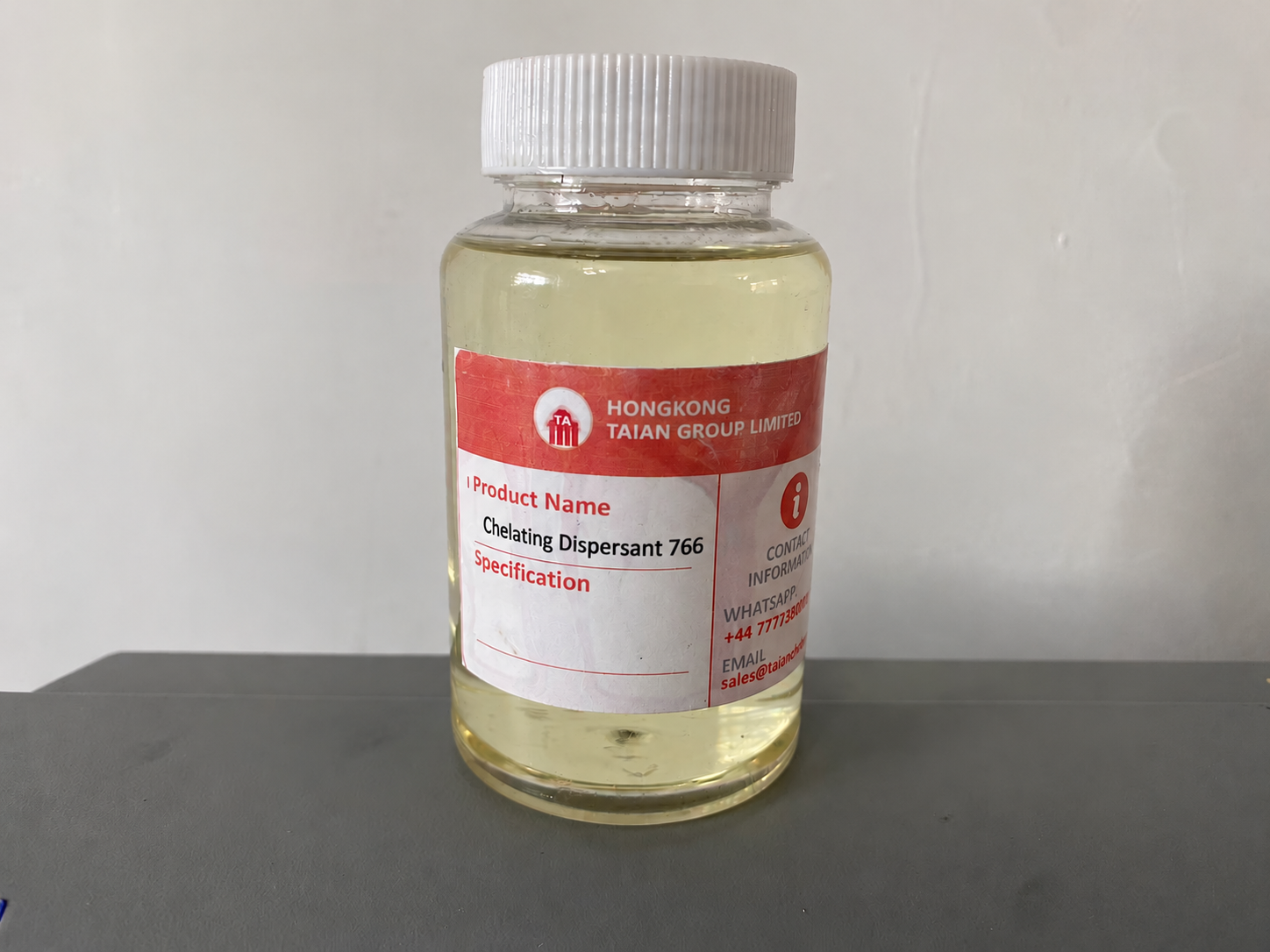
At Dyeingchem, we offer a comprehensive portfolio of high-quality dyeing assistants. Our products are meticulously formulated to deliver optimal performance and meet stringent quality standards. We provide solutions for a wide range of textile applications, helping you achieve vibrant, durable, and environmentally responsible dyeing results. Here's a glimpse of our product offering:
Environmental Considerations and Sustainable Dyeing
The textile industry is increasingly focused on sustainability. Choosing environmentally friendly dyeing assistants is crucial for minimizing the ecological impact of your operations. We offer a range of eco-friendly options that are biodegradable, low in VOCs, and free from harmful chemicals. Sustainable dyeing practices not only benefit the environment but also enhance your brand image and meet growing consumer demand for eco-conscious products. We are committed to providing solutions that balance performance with environmental responsibility.
Conclusion: Optimize Your Dyeing Process with the Right Assistants
Selecting the appropriate dyeing assistant is a critical step towards achieving superior textile dyeing results. By understanding the different types of assistants and their functions, and by choosing a reliable supplier like Dyeingchem, you can optimize your dyeing process, reduce costs, and minimize your environmental impact. Don't compromise on quality – invest in the right dyeing assistants for your specific needs.
Frequently Asked Questions (FAQs)
What is the typical dosage range for a leveling agent?
The dosage of a leveling agent varies depending on the fabric type, dye class, and desired leveling effect. Generally, the dosage ranges from 0.5% to 3% owf (on weight of fabric). It's crucial to follow the manufacturer's recommendations and conduct trials to determine the optimal dosage for your specific application. Overdosing can lead to poor dye fixation and reduced colorfastness, while underdosing may result in uneven dyeing.
Are all dispersing agents compatible with all dye classes?
No, not all dispersing agents are universally compatible. Different dye classes require specific dispersing agents optimized for their chemical structure and solubility. For instance, a dispersing agent designed for disperse dyes may not be effective for reactive dyes. Always consult the product data sheet to ensure compatibility with your chosen dye class. Using an incompatible dispersing agent can lead to dye aggregation, poor dye uptake, and uneven coloration.
How can I determine if I need a sequestering agent in my dye bath?
If your water source contains high levels of metal ions (e.g., calcium, magnesium, iron), a sequestering agent is highly recommended. These ions can react with dyes, forming insoluble complexes that reduce dye yield and cause staining. You can test your water for metal ion content using a water analysis kit. If levels are high, adding a sequestering agent will prevent these interactions and ensure optimal dyeing results.