Comprehensive Guide to Achieving Perfect Black Colour Dye for Clothes
Comprehensive Guide to Achieving Perfect Black Colour Dye for Clothes
Black Colour Dye for Clothes: A Comprehensive Guide
Achieving the perfect black shade on fabrics can be surprisingly complex. Choosing the right black colour dye for clothes is crucial for vibrant, long-lasting results. This article will explore the different types of black dyes available, factors to consider when selecting a dye, application methods, and tips for achieving professional-quality black clothing. We’ll cover everything from natural dyes to synthetic options, ensuring you have the knowledge to tackle any dyeing project.
Understanding Different Types of Black Dyes
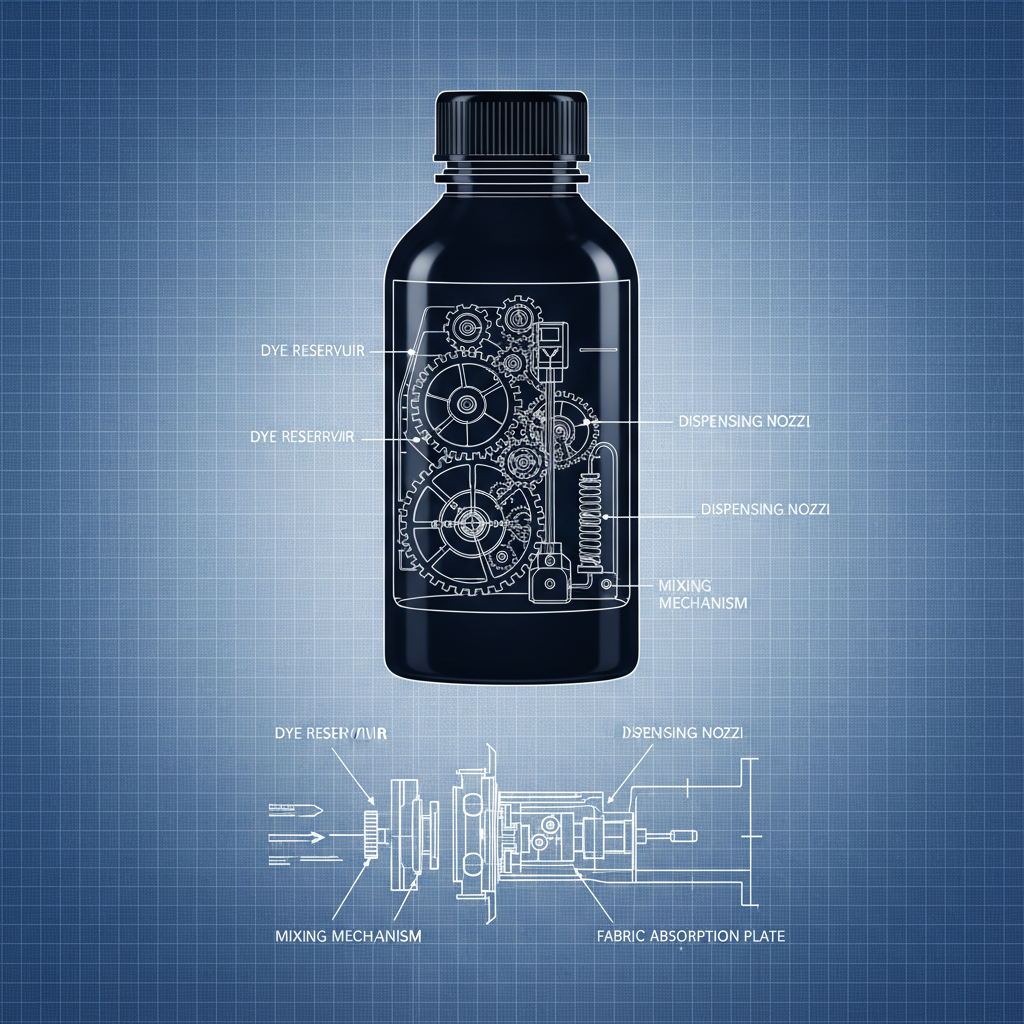
Black dyes come in various forms, each with its own characteristics and best-suited applications. Common types include reactive dyes, acid dyes, disperse dyes, and sulfur dyes. Reactive dyes are excellent for cotton and other cellulose fibers, offering good wash fastness. Acid dyes work well with protein fibers like wool and silk, producing bright shades. Disperse dyes are used for synthetic fabrics like polyester, requiring heat for fixation. Sulfur dyes are economical but typically result in less vibrant blacks and lower lightfastness. Choosing the right dye type is paramount for achieving the desired results and ensuring the dye adheres properly to the fabric.
Key Highlights: Selecting the correct dye type directly impacts color vibrancy, wash fastness, and the longevity of the dyed fabric.
Factors to Consider When Choosing a Black Dye
Several factors influence the best black colour dye for clothes. First, consider the fabric type – cotton, silk, polyester, or a blend? The dye must be compatible with the fiber content. Second, evaluate the desired wash fastness – how often will the garment be washed, and how important is it that the color remains vibrant? Third, think about lightfastness – will the garment be exposed to sunlight, and how important is it that the color doesn’t fade? Finally, consider the dyeing process you plan to use – hand dyeing, machine dyeing, or exhaust dyeing.
Key Considerations:
• Fabric type and fiber content
• Desired wash fastness
• Lightfastness requirements
• Dyeing process
Black Dye Comparison: Reactive vs. Disperse
Reactive and disperse dyes are two of the most commonly used black dyes. Reactive dyes excel on natural fibers like cotton, linen, and viscose, forming a strong chemical bond with the fiber for excellent wash fastness. Disperse dyes are designed for synthetic fabrics such as polyester, nylon, and acetate, requiring high temperatures to dissolve and penetrate the fibers. Here’s a comparison to help you decide which is best for your project:
Dyeing Methods: Achieving the Best Black
The dyeing method significantly impacts the final result. Common methods include exhaust dyeing (in a dye bath), continuous dyeing (for large-scale production), and garment dyeing (dyeing the finished garment). Exhaust dyeing is versatile and suitable for smaller batches. Continuous dyeing is efficient for large volumes but requires specialized equipment. Garment dyeing is ideal for achieving a vintage or worn look. Proper preparation of the fabric, including scouring and bleaching, is essential for even dye penetration. DyeingChem provides expert guidance on selecting the optimal method for your specific needs.
Product Spotlight: DyeingChem's Premium Black Dyes
At DyeingChem, we offer a comprehensive range of high-quality black dyes to suit diverse applications. Our dyes are rigorously tested to ensure exceptional color fastness, vibrancy, and consistency. We provide technical support to assist you in selecting the optimal dye for your specific fabric and dyeing process. Here's a quick overview of some of our popular black dye options:
Conclusion: Achieving the Perfect Black with DyeingChem
Choosing the right black colour dye for clothes requires careful consideration of fabric type, desired fastness properties, and dyeing method. DyeingChem offers a comprehensive selection of high-quality dyes and expert technical support to help you achieve professional-quality results. Don't settle for anything less than perfect black – choose DyeingChem for all your dyeing needs.
Frequently Asked Questions (FAQs)
What is the best way to prevent uneven dyeing?
Uneven dyeing is often caused by inadequate fabric preparation or insufficient dye agitation. Ensure the fabric is thoroughly scoured to remove any oils or waxes. Use a leveling agent to promote even dye uptake. Stir the dye bath consistently throughout the dyeing process to ensure uniform dye distribution. Proper water hardness and temperature control also play a crucial role in achieving even results. Finally, avoiding overcrowding the dye bath will help prevent localized dye concentration.
How can I improve the wash fastness of black dyed clothes?
To improve wash fastness, choose a dye with inherently good wash fastness properties (like reactive dyes for cotton). Ensure proper dye fixation according to the dye manufacturer’s instructions. After dyeing, thoroughly rinse the fabric to remove any excess dye. Consider using a dye fixative to enhance color retention. Avoid harsh detergents and wash dyed garments in cold water to minimize color bleed.
What safety precautions should I take when dyeing clothes?
Always wear gloves and a mask when handling dyes to protect your skin and respiratory system. Work in a well-ventilated area. Avoid contact with eyes and skin. Keep dyes out of reach of children and pets. Dispose of dye waste responsibly according to local regulations. Refer to the dye manufacturer’s safety data sheet (SDS) for detailed safety information.
Can I dye polyester black at home?
Yes, you can dye polyester black at home, but it requires a disperse dye specifically formulated for polyester and a high-temperature dyeing process. You'll need a stainless steel pot and a heat source capable of maintaining a consistent temperature of around 130°C (266°F). Following the dye manufacturer's instructions carefully is essential for successful results. It's important to note that achieving a deep, even black on polyester can be challenging, and professional dyeing services may yield better results.