Choosing the Right Black Color Dye for Clothes A Comprehensive Guide
Choosing the Right Black Color Dye for Clothes A Comprehensive Guide
Choosing the Right Black Color Dye for Clothes: A Comprehensive Guide
Finding the perfect black color dye for clothes can be a surprisingly complex process. Different fabrics, desired shades, and wash-fastness requirements all play a crucial role. This guide will walk you through the key considerations, types of dyes available, and best practices for achieving professional-looking results. We’ll cover everything from natural to synthetic dyes, and help you select the optimal solution for your specific needs. Whether you're refreshing a faded garment or embarking on a creative dyeing project, understanding your options is essential.
Understanding Dye Types: A Spectrum of Choices
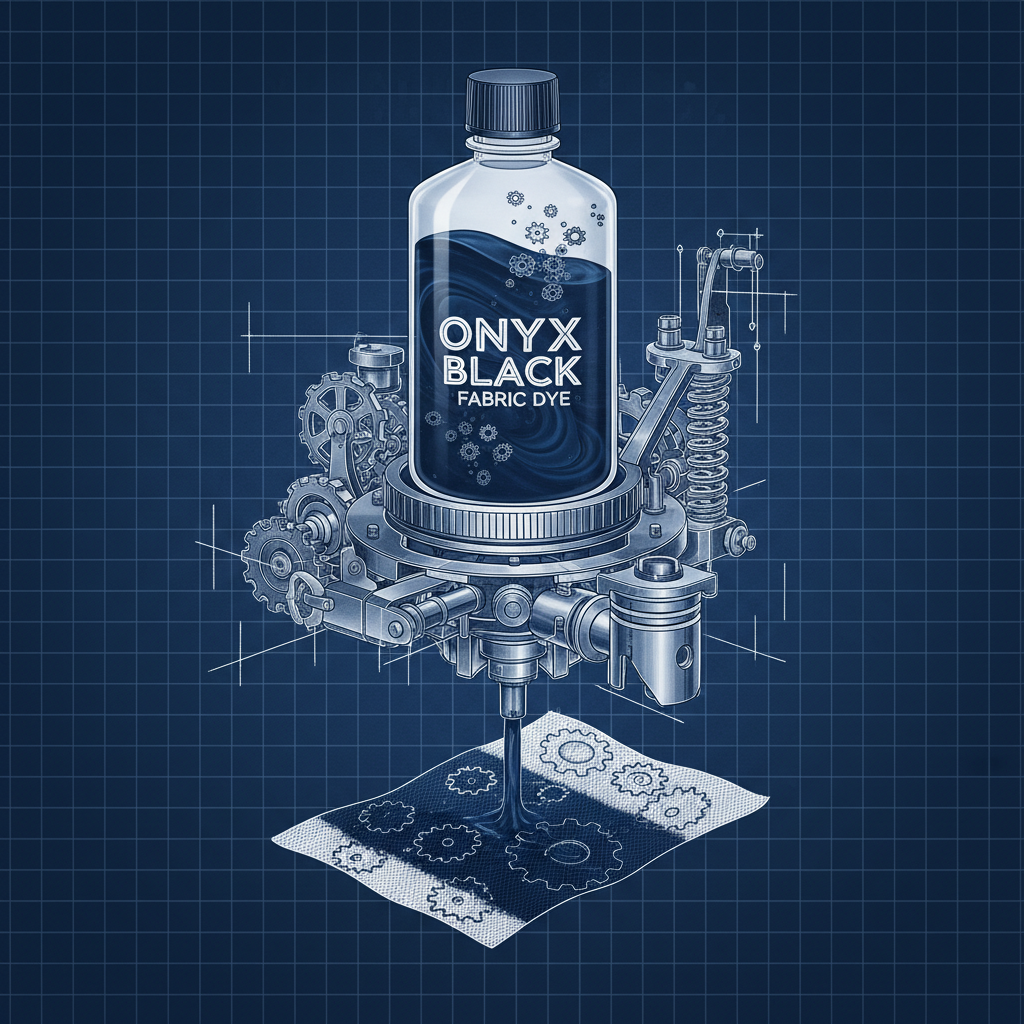
The world of textile dyes is broad, with options ranging from natural pigments to highly engineered synthetic compounds. The best choice for your project depends heavily on the fabric you're dyeing. Common dye types include Fiber Reactive Dyes (ideal for cotton, linen, and rayon), Acid Dyes (perfect for wool, silk, and nylon), and Disperse Dyes (used for polyester and other synthetics). Each dye type interacts differently with the fibers, resulting in varying degrees of colorfastness and vibrancy. Understanding these differences is crucial for achieving lasting results. Dyeingchem offers a comprehensive range of dyes to suit all your needs.
Key Considerations: Fabric type, desired colorfastness, washing instructions, and environmental impact are key factors when selecting a dye.
Fiber Reactive Dyes: The Gold Standard for Natural Fabrics
Fiber reactive dyes are renowned for their exceptional colorfastness and vibrancy on cellulosic fibers like cotton, linen, and rayon. These dyes form a chemical bond with the fabric, resulting in colors that resist fading and bleeding even after repeated washing. They require a specific application process involving soda ash (sodium carbonate) to activate the dye and ensure proper bonding. While slightly more complex to use than some other dye types, the superior results make them a popular choice for professional dyers and serious hobbyists. The shade range for these dyes is extensive, allowing for beautiful, rich blacks.
Fiber Reactive Dye Benefits:
• Exceptional colorfastness
• Vibrant, long-lasting colors
• Ideal for natural fibers
• Wide range of available shades
Black Color Dye Comparison: Finding the Right Shade
Not all "black" dyes are created equal. Different formulations will produce varying shades, from cool, bluish-blacks to warmer, brownish-blacks. The dye concentration and application method also significantly influence the final result. Consider the existing color of the fabric you're dyeing; lighter fabrics will generally require more dye to achieve a deep, opaque black. Dyeingchem provides detailed color charts and recommendations to help you choose the perfect black dye for your project.
Essential Tips for Successful Black Dyeing
Achieving a deep, even black requires careful preparation and execution. Always pre-wash your fabric to remove any sizing or finishes. Use a mordant (if required by the dye type) to help the dye bond to the fibers. Ensure proper dye dissolution and even distribution during application. Pay close attention to temperature and timing, following the manufacturer's instructions. A thorough rinsing after dyeing is essential to remove excess dye and prevent bleeding. Finally, properly drying your dyed fabric will help set the color and ensure long-lasting results. Explore Dyeingchem’s resources for detailed tutorials and expert advice.
Product Specifications & Available Options
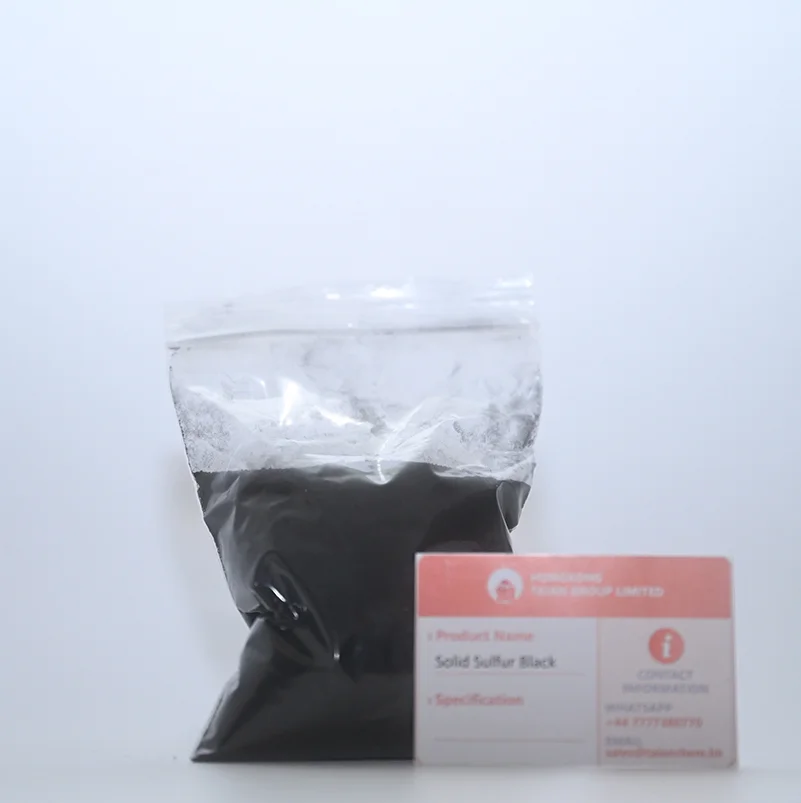
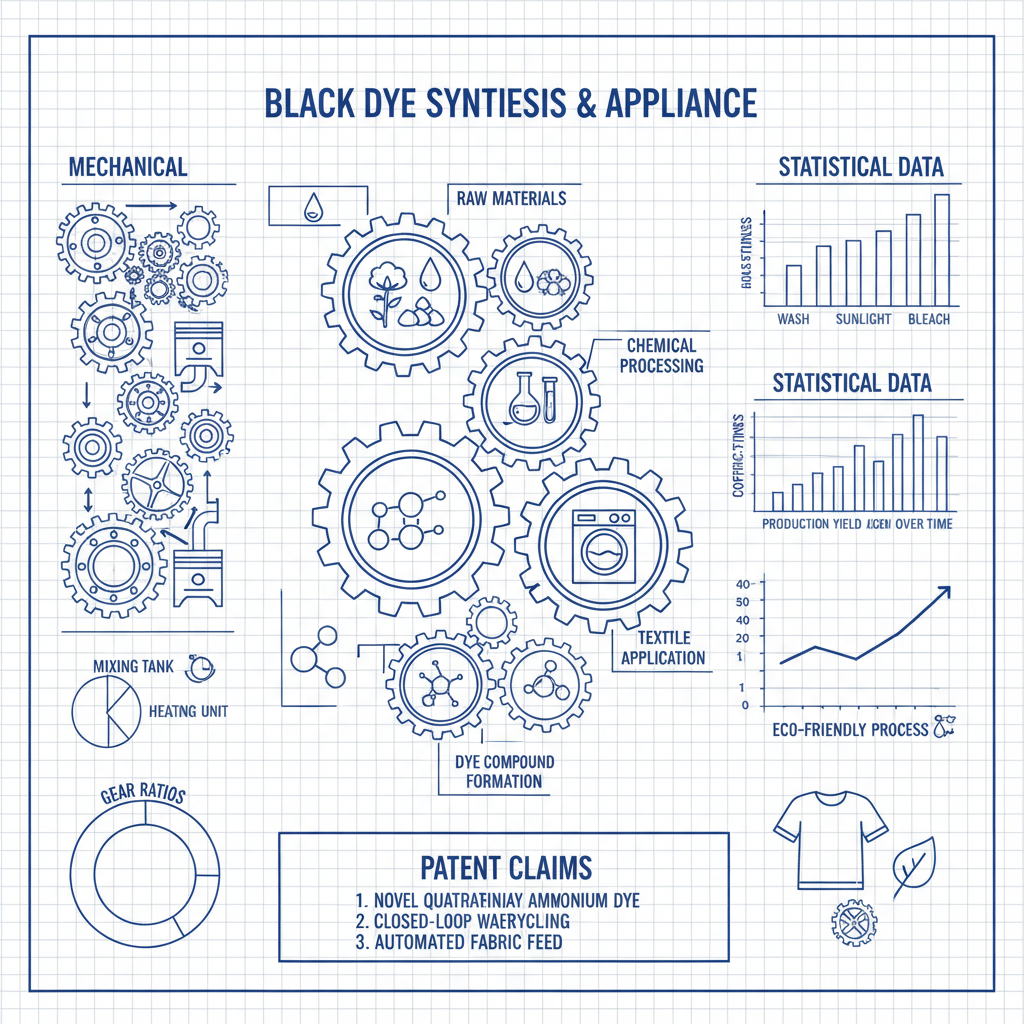
At Dyeingchem, we offer a wide range of high-quality black dyes to meet your specific needs. Here's a glimpse of our popular options:
Conclusion: Unlock Your Dyeing Potential with Dyeingchem
Choosing the right black color dye for clothes is an investment in vibrant, long-lasting color. With the information provided in this guide, and the high-quality products available at Dyeingchem, you're well-equipped to achieve stunning results.
Frequently Asked Questions (FAQs)
Will dyeing black cover existing colors in the fabric?
Black dye, particularly fiber reactive dyes, generally has excellent coverage. However, the success depends on the original color and its intensity. Lighter colors are easier to cover than darker ones. You may need to use a higher concentration of dye or multiple dye baths to achieve a completely opaque black on brightly colored fabrics. A pre-treatment to strip the existing color can also improve the result. Always test a small sample first to ensure the desired outcome. Consult Dyeingchem’s resources for specific guidance on covering various colors.
What is the best way to prevent dye from bleeding after washing?
Proper rinsing is crucial to remove excess dye. Rinse the fabric repeatedly until the water runs clear. A color fixative can be used to further prevent bleeding. Wash the dyed garment separately for the first few washes, and use cold water. Avoid using harsh detergents or bleach, as these can strip the dye. For fiber reactive dyes, a post-dye wash with a mild detergent can help remove loose dye particles. Always follow the dye manufacturer’s instructions.
Are there eco-friendly black dye options available?
Yes, there are! Natural dyes derived from plants or minerals can be used to create black shades, though they may require more complex application processes and may not achieve the same level of colorfastness as synthetic dyes. Dyeingchem also offers synthetic dyes that are formulated with reduced environmental impact, minimizing harmful chemicals and waste.
What fabrics are the most difficult to dye black?
Polyester and other synthetic fabrics are notoriously difficult to dye black effectively with conventional dyes. They require disperse dyes and typically require higher temperatures and longer dyeing times. Acrylics also pose challenges. Fabrics with a high percentage of synthetic fibers will not achieve the same deep, rich black as natural fabrics. Always check the fabric composition before selecting a dye and follow the manufacturer's instructions carefully.