Comprehensive Guide to Mercerization Enhancing Cotton Properties and Textile Quality
Comprehensive Guide to Mercerization Enhancing Cotton Properties and Textile Quality
Understanding Mercerization: A Deep Dive into Cotton Treatment
Mercerization is a crucial treatment applied to cotton yarns and fabrics to enhance their properties, resulting in increased strength, luster, and dye affinity. This process, discovered by John Mercer in 1844, involves treating cotton with a caustic soda solution under tension. This article provides a comprehensive overview of mercerization, exploring its process, benefits, applications, and the role of chemicals from Dyeingchem in optimizing the treatment. Understanding this process is vital for textile manufacturers looking to produce high-quality cotton products.
The Mercerization Process: A Step-by-Step Guide
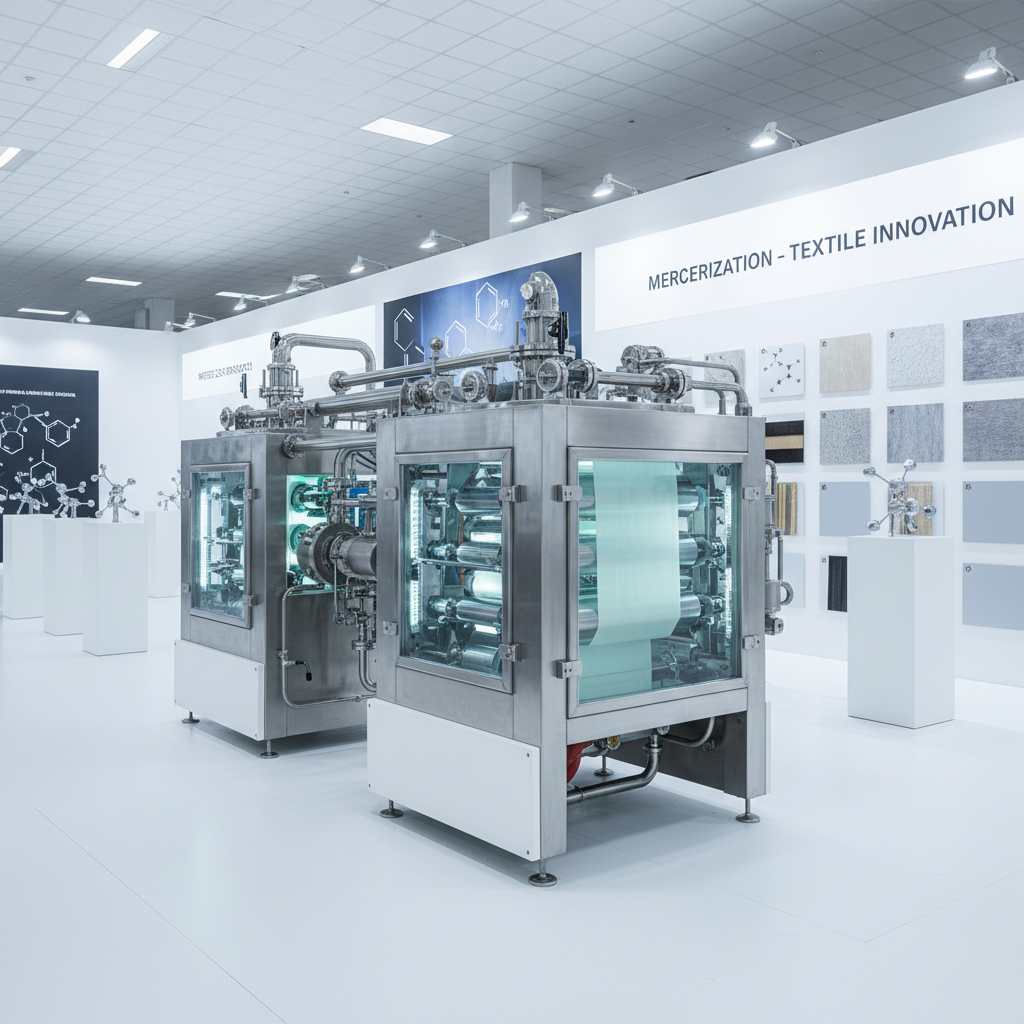
The mercerization process typically involves three key stages: wetting, causticization, and washing. Initially, the cotton material is thoroughly wetted to ensure even penetration of the caustic soda solution. The material is then treated with a concentrated solution of sodium hydroxide (NaOH), usually between 20-30%, while being held under tension. This tension is critical to prevent shrinkage and facilitate structural changes within the cotton fibers. Finally, the cotton is carefully washed to remove all traces of the caustic soda, neutralized with a weak acid, and dried. Precise control over temperature, concentration, and tension is essential for achieving optimal results. The chemicals sourced from Dyeingchem can ensure the purity and effectiveness of the caustic soda used in this process.
Key Highlights: Precise control over temperature, concentration, and tension is essential for achieving optimal mercerization results. High-quality caustic soda from reputable suppliers like Dyeingchem ensures effective treatment.
Benefits of Mercerized Cotton
Mercerization significantly improves several key properties of cotton. Firstly, it increases strength by up to 30%. Secondly, it imparts a noticeable luster and sheen, enhancing the aesthetic appeal of the fabric. Thirdly, it improves dye uptake and colorfastness, resulting in brighter, more durable colors. Additionally, mercerized cotton exhibits enhanced dimensional stability, reducing shrinkage and distortion after washing. These improvements make mercerized cotton highly desirable for a wide range of applications. The quality of the chemicals used, like those available from Dyeingchem, directly impacts the degree of these improvements.
Mercerization Benefits:
• Increased strength (up to 30%)
• Enhanced luster and sheen
• Improved dye uptake and colorfastness
• Enhanced dimensional stability
Mercerization: Comparing Conventional and Liquid Ammonia Mercerization
While conventional mercerization using sodium hydroxide is the most common method, liquid ammonia mercerization offers unique advantages. Liquid ammonia mercerization results in fabrics with even higher luster and improved smoothness. However, it requires specialized equipment and handling due to the hazardous nature of ammonia. The choice between these methods depends on the desired fabric characteristics and production capabilities. Here's a comparison:
Applications of Mercerized Cotton
Mercerized cotton finds diverse applications in the textile industry. It's widely used in high-quality shirting fabrics, creating a smooth, lustrous, and durable finish. It’s also popular for producing premium knitwear, providing enhanced drape and softness. Furthermore, mercerized cotton is often used in the production of sewing threads, offering increased strength and reduced breakage. The enhanced dyeability of mercerized cotton makes it ideal for creating vibrant and long-lasting colors in apparel and home textiles. Chemicals from Dyeingchem contribute to achieving these superior coloring results.
Key Chemicals Used in Mercerization and Sourcing from Dyeingchem
The primary chemical used in mercerization is sodium hydroxide (NaOH), also known as caustic soda. The quality and purity of the NaOH significantly impact the effectiveness of the process. Dyeingchem offers high-purity caustic soda specifically formulated for textile processing, ensuring consistent and reliable results. Other essential chemicals include wetting agents to promote even penetration of the caustic soda and neutralizing agents like acetic acid to neutralize the solution after treatment. Sourcing these chemicals from a trusted supplier like Dyeingchem ensures optimal performance and minimizes the risk of fabric damage.
Conclusion: Maximizing Cotton Quality with Mercerization
Mercerization is a vital process for enhancing the properties of cotton textiles. By leveraging high-quality chemicals from suppliers like Dyeingchem and adhering to precise process control, manufacturers can produce superior cotton fabrics with enhanced strength, luster, and dyeability. Investing in mercerization is a key step towards delivering high-quality textile products that meet the demands of discerning consumers.
Frequently Asked Questions (FAQs)
What factors affect the degree of mercerization?
Several factors significantly influence the effectiveness of mercerization. These include the concentration of the caustic soda solution, the temperature during treatment, the tension applied to the cotton material, and the duration of exposure. Using high-quality caustic soda, like those offered by Dyeingchem, is crucial. Precise control over these parameters is essential for achieving optimal results. Inconsistent tension or incorrect concentration can lead to uneven mercerization and compromised fabric quality.
Is mercerization environmentally friendly?
The environmental impact of mercerization depends on how the process is managed. The use of caustic soda presents challenges related to effluent treatment. However, advancements in technology allow for efficient recovery and reuse of the caustic soda solution, minimizing waste. Choosing environmentally responsible chemical suppliers, like Dyeingchem, who adhere to strict environmental standards, is crucial for reducing the process's ecological footprint.
What types of cotton are best suited for mercerization?
Long-staple cotton varieties, such as Pima and Egyptian cotton, are particularly well-suited for mercerization. These cottons have longer fibers, which contribute to a smoother fabric surface and enhanced luster after treatment. While shorter-staple cottons can also be mercerized, the results are generally less pronounced. The quality of the raw cotton significantly impacts the final outcome of the mercerization process.
What is the role of wetting agents in mercerization?
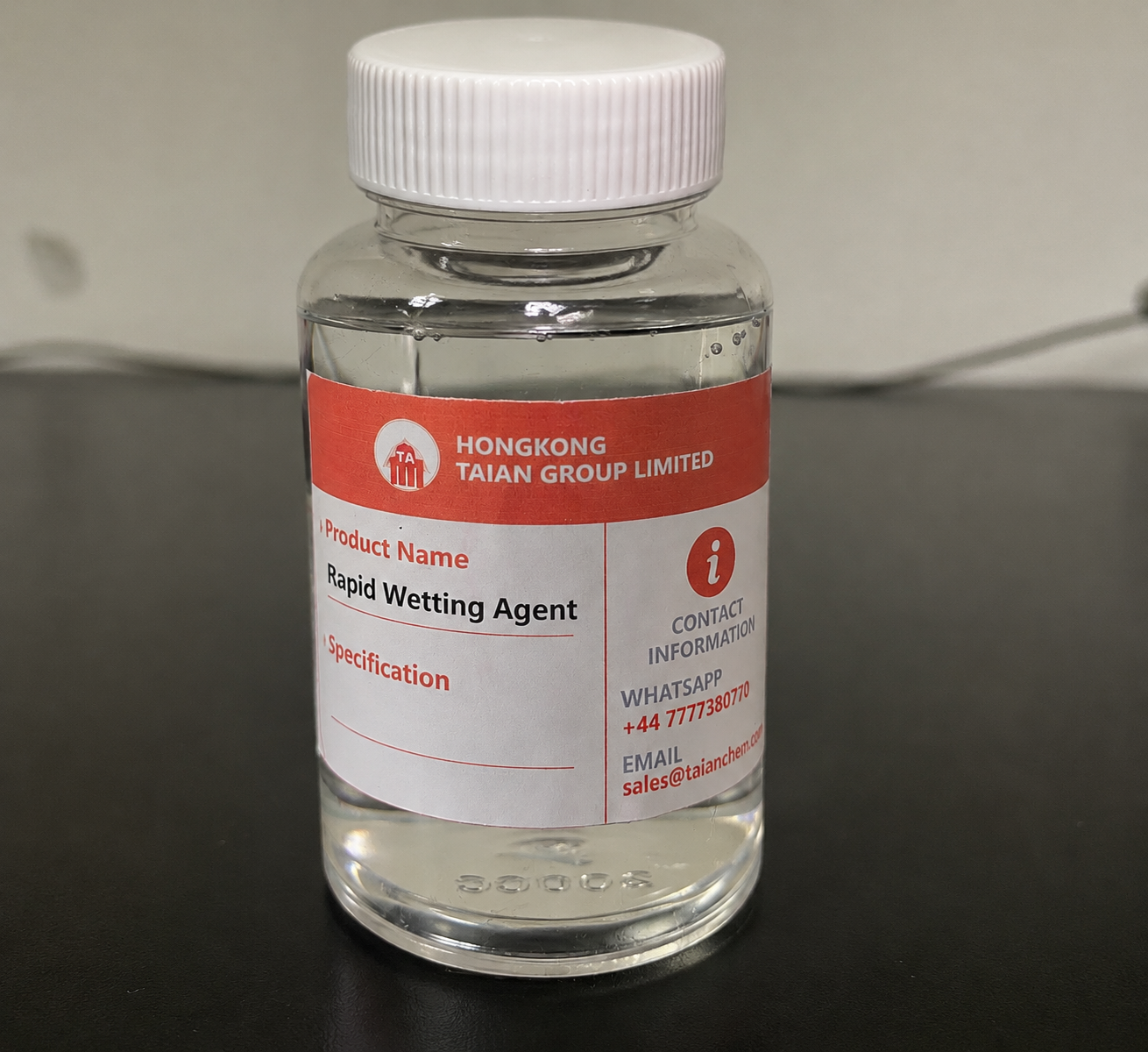
Wetting agents are crucial for ensuring uniform penetration of the caustic soda solution into the cotton fibers. Cotton, being naturally hydrophobic, resists wetting. Wetting agents reduce the surface tension of the solution, allowing it to spread evenly and effectively throughout the fabric. This results in consistent mercerization and prevents uneven shrinkage or damage. The use of high-quality wetting agents, available from suppliers like Dyeingchem, is essential for optimal results.