Optimizing Industrial Processes with Advanced Penetrant Wetting Agent Solutions
Optimizing Industrial Processes with Advanced Penetrant Wetting Agent Solutions
Understanding Penetrant Wetting Agents for Enhanced Performance
In various industrial processes, achieving thorough wetting of surfaces is critical for optimal results. This is where penetrant wetting agents play a pivotal role. These specialized chemicals reduce surface tension, allowing liquids to spread more evenly and effectively. This article will delve into the science behind these agents, their diverse applications, key considerations for selection, and the benefits they offer to your operations. Effective wetting is crucial for processes like dyeing, coating, and cleaning, directly impacting product quality and efficiency. Dyeingchem offers a comprehensive range of solutions tailored to specific industrial needs.
What are Penetrant Wetting Agents?
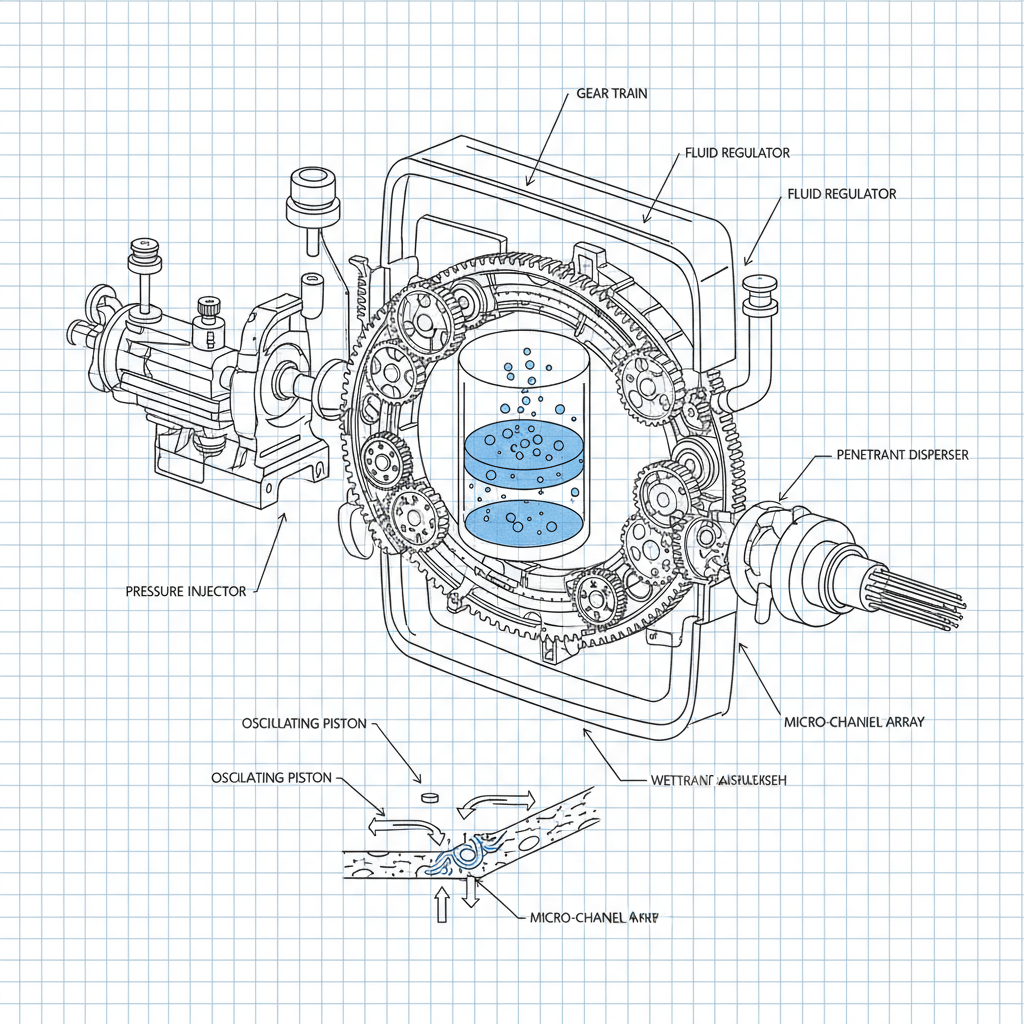
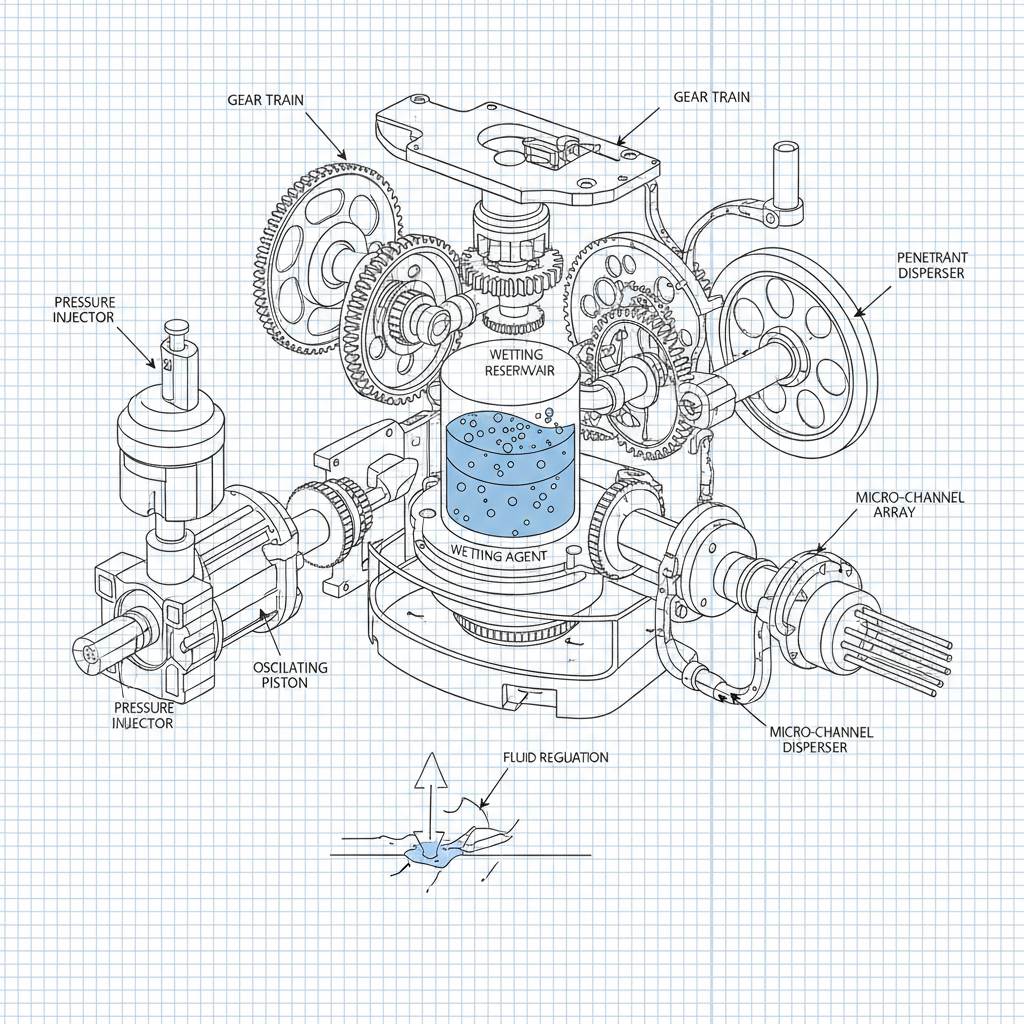
Penetrant wetting agents are surface-active substances that lower the surface tension of a liquid, enabling it to spread more easily across a solid surface. They work by accumulating at the liquid-air interface, disrupting the cohesive forces within the liquid and allowing it to "wet" the surface more effectively. This is especially important for surfaces that are hydrophobic (water-repelling) or have microscopic irregularities. The ability to penetrate into small crevices and pores is a defining characteristic of these agents. These agents are crucial components in formulations used across a broad spectrum of industries, improving process efficiency and product quality.
Key Benefits: Improved spreading, enhanced penetration, reduced surface defects, increased efficiency, and improved overall product quality.
Applications of Penetrant Wetting Agents
The versatility of penetrant wetting agents leads to a wide range of applications. In the textile industry, they ensure uniform dye uptake. In paints and coatings, they promote adhesion and prevent surface defects like craters and orange peel. Cleaning formulations benefit from their ability to lift and remove contaminants. They are also utilized in agriculture for pesticide and herbicide applications, ensuring better coverage and effectiveness. Other significant areas of application include metalworking fluids, paper manufacturing, and adhesive formulations. These agents are critical to optimize performance across these diverse industrial processes.
Industries Utilizing Penetrant Wetting Agents:
• Textiles
• Paints and Coatings
• Cleaning Formulations
• Agriculture
• Metalworking
Choosing the Right Penetrant Wetting Agent
Selecting the most effective penetrant wetting agent requires careful consideration of several factors. The nature of the surface being wetted (hydrophilic vs. hydrophobic), the properties of the liquid, and the specific application are all crucial. Different chemical compositions, such as non-ionic, anionic, and cationic surfactants, offer varying levels of performance. Compatibility with other ingredients in the formulation is also essential to prevent unwanted interactions. Factors like temperature stability, pH sensitivity, and foam characteristics also need to be considered. Dyeingchem's expert team can provide guidance on selecting the optimal agent for your specific needs.
The Role of Penetrant Wetting Agents in Dyeing Processes
In the dyeing industry, effective wetting is paramount for achieving level and vibrant colors. Penetrant wetting agents overcome the inherent repellency of many textile fibers, allowing the dye molecules to penetrate evenly throughout the fabric. This results in consistent color saturation and minimizes defects like uneven dyeing or spotting. The choice of wetting agent is crucial, as different fibers (cotton, polyester, nylon, etc.) require different formulations. These agents also play a role in improving dye solubility and stability, enhancing the overall dyeing process. Dyeingchem specializes in formulating wetting agents specifically designed for the textile industry.
Product Spotlight: Dyeingchem's Wetting Agent Series
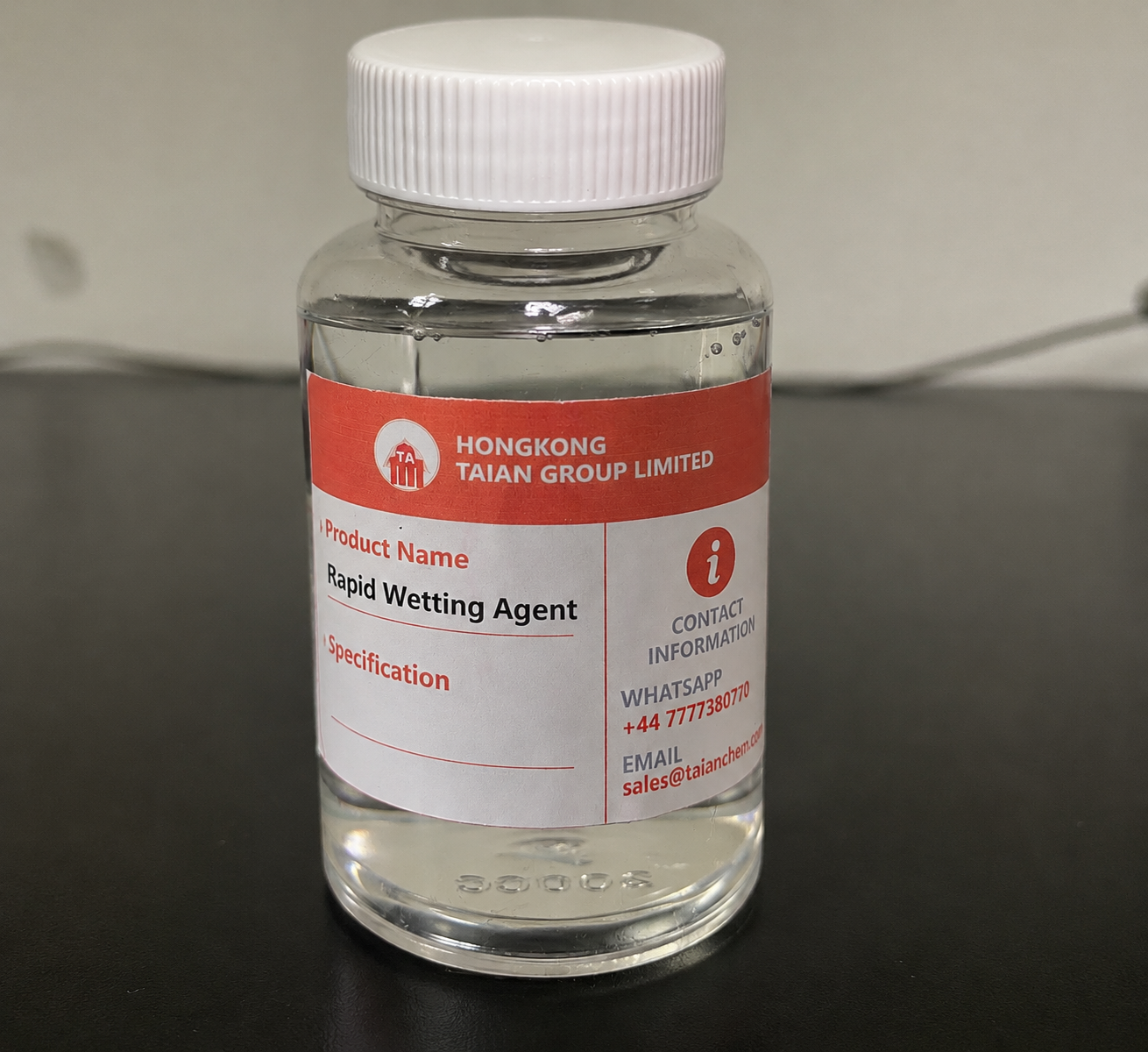
Dyeingchem offers a comprehensive range of penetrant wetting agents, tailored to meet diverse industrial needs. Here’s a sample of our key product lines:
Conclusion: Optimizing Processes with Effective Wetting
Achieving optimal wetting is fundamental to enhancing process efficiency and product quality across numerous industries. Dyeingchem's range of penetrant wetting agents, combined with our technical expertise, provides tailored solutions to address your specific challenges. Contact us today to discover how we can help you optimize your operations and achieve superior results.
Frequently Asked Questions (FAQs)
What is the difference between wetting agents and detergents?
While both wetting agents and detergents are surfactants, they have different primary functions. Wetting agents primarily focus on reducing surface tension to improve the spread of liquids on surfaces. Detergents, on the other hand, are designed to emulsify oils and dirt, lifting them away from surfaces. Detergents often contain wetting agents as a component, but a wetting agent doesn't necessarily have the cleaning power of a detergent. The key distinction lies in their purpose: wetting for spreading, and detergency for cleaning.
How much wetting agent should I use?
The optimal concentration of wetting agent depends on several factors, including the surface tension of the liquid, the surface energy of the substrate, and the specific application. Generally, concentrations range from 0.1% to 5% by weight. It’s crucial to perform preliminary testing to determine the ideal concentration for your specific formulation and process. Using too little may result in inadequate wetting, while using too much can lead to foaming or other undesirable effects. Consulting with a technical expert at Dyeingchem can help you determine the optimal dosage.
Are penetrant wetting agents environmentally friendly?
The environmental impact of wetting agents varies depending on their chemical composition. Dyeingchem offers a range of environmentally friendly, biodegradable wetting agents designed to minimize environmental impact. These agents are formulated to break down more readily in the environment, reducing their persistence and potential harm to ecosystems. Look for products that are certified according to recognized environmental standards.