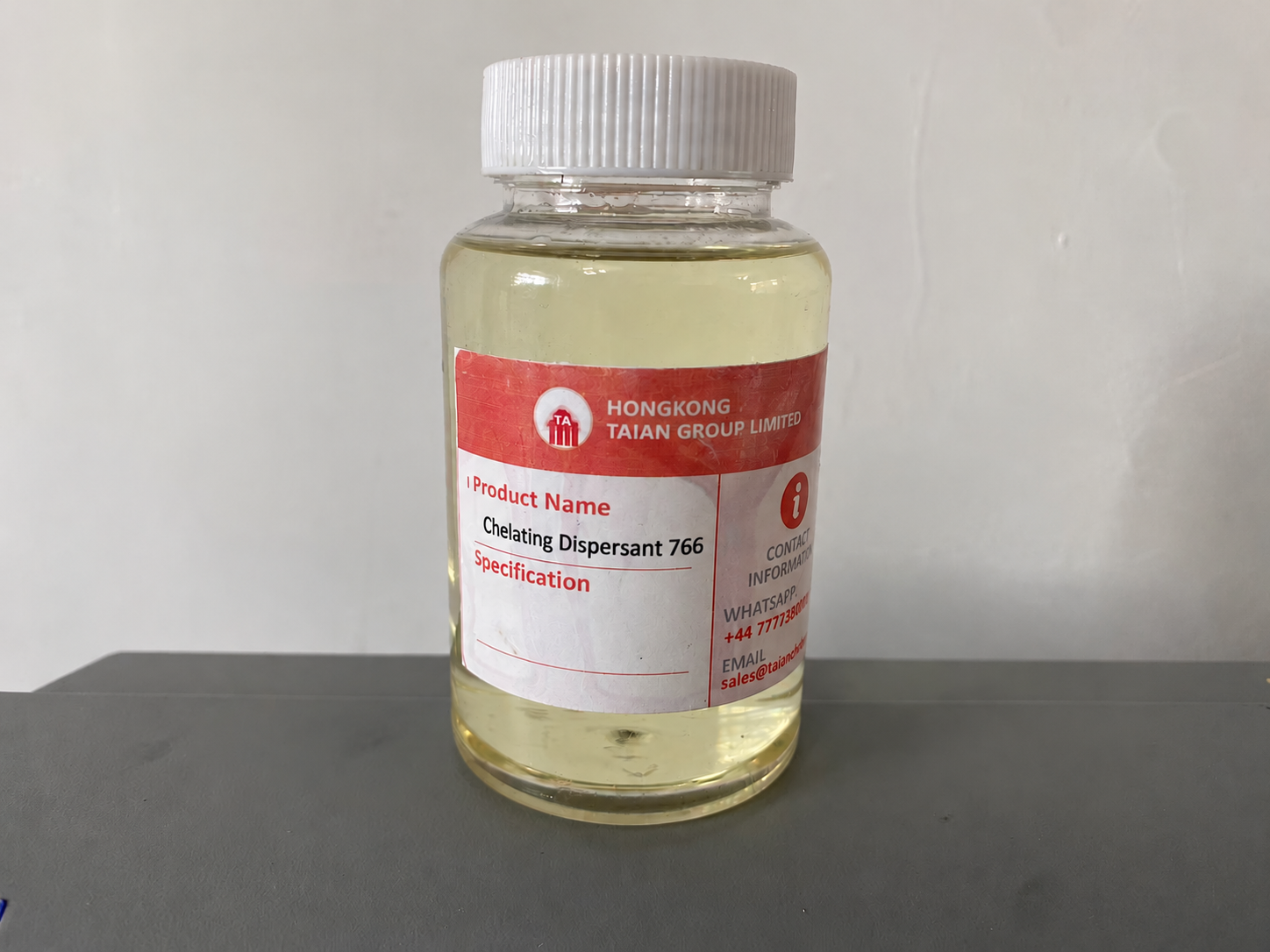
Enhancing Textile Properties with Cationic Softener for Textile Applications
Enhancing Textile Properties with Cationic Softener for Textile Applications
Cationic Softener for Textile: A Comprehensive Guide
In the textile industry, achieving a desirable handle and improved fabric properties are crucial. Cationic softeners for textile play a vital role in enhancing these qualities. This article provides a detailed overview of cationic softeners, their benefits, applications, and selection criteria. We will explore how these chemicals contribute to superior textile finishing and improved product performance. Understanding the nuances of these softeners can significantly enhance your textile production process and final product quality.
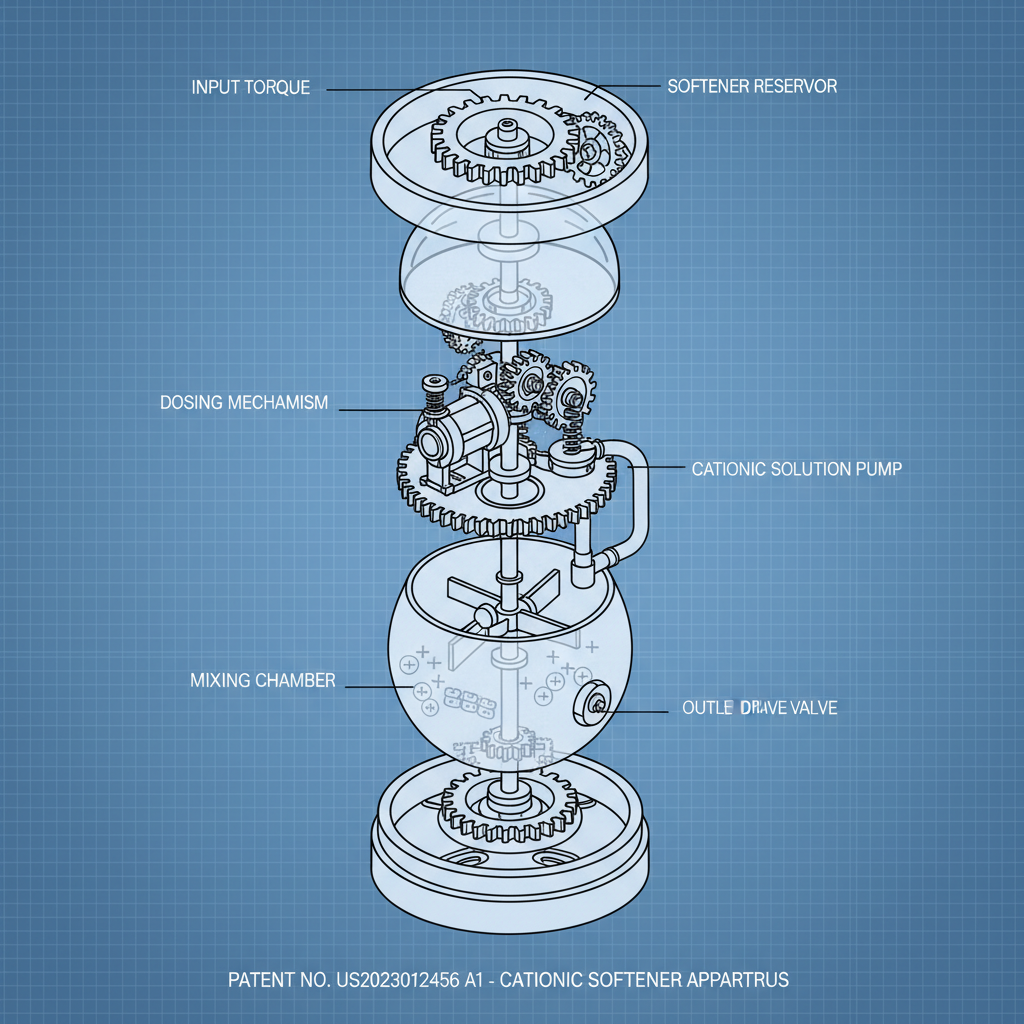
Understanding Cationic Softeners
Cationic softeners are a class of textile finishing agents that impart a soft, smooth, and pleasant handle to fabrics. They work by depositing onto the fiber surface, lubricating the yarns and reducing friction. This results in improved drape, enhanced comfort, and a luxurious feel. Unlike anionic or non-ionic softeners, cationic softeners possess a positive charge, making them particularly effective on negatively charged fibers like cotton, rayon, and linen. They also provide excellent static control and improve the sewability of fabrics. The effectiveness of a cationic softener is directly related to its chemical structure and concentration.
Key Benefits: Improved fabric softness, enhanced drape, reduced friction, excellent static control, and improved sewability.
Applications of Cationic Softeners in the Textile Industry
The versatility of cationic softeners makes them applicable across a wide range of textile products. They are commonly used in finishing fabrics for apparel, home textiles (such as towels, bedding, and curtains), and industrial textiles. In apparel, they contribute to the comfort and aesthetic appeal of garments. For home textiles, they enhance the softness and absorbency of items like towels. Industrial applications include improving the handling and performance of non-woven fabrics. Choosing the right cationic softener for textile depends on the specific fabric type and desired end-use properties.
Common Textile Applications:
• Apparel fabrics (cotton, rayon, blends)
• Home textiles (towels, bedding, curtains)
• Knitwear
• Non-woven fabrics
Cationic Softener for Textile: Types and Comparison
Several types of cationic softeners are available, each offering unique characteristics and performance. These include quaternary ammonium compounds, tertiary amine salts, and silicone-based softeners. Quaternary ammonium compounds are widely used due to their excellent softening effect and cost-effectiveness. Tertiary amine salts offer good compatibility with other finishing agents. Silicone-based softeners provide a luxurious, silky feel but may have lower wash fastness. Here’s a comparison:
Selecting the Right Cationic Softener
Choosing the optimal cationic softener requires careful consideration of several factors. These include the fiber content of the fabric, the desired level of softness, the required wash fastness, and the overall cost. It's crucial to assess the compatibility of the softener with other finishing agents used in the process. Conducting laboratory tests to evaluate the performance of different softeners on your specific fabric is highly recommended. Furthermore, considering environmental factors and selecting eco-friendly softeners is increasingly important.
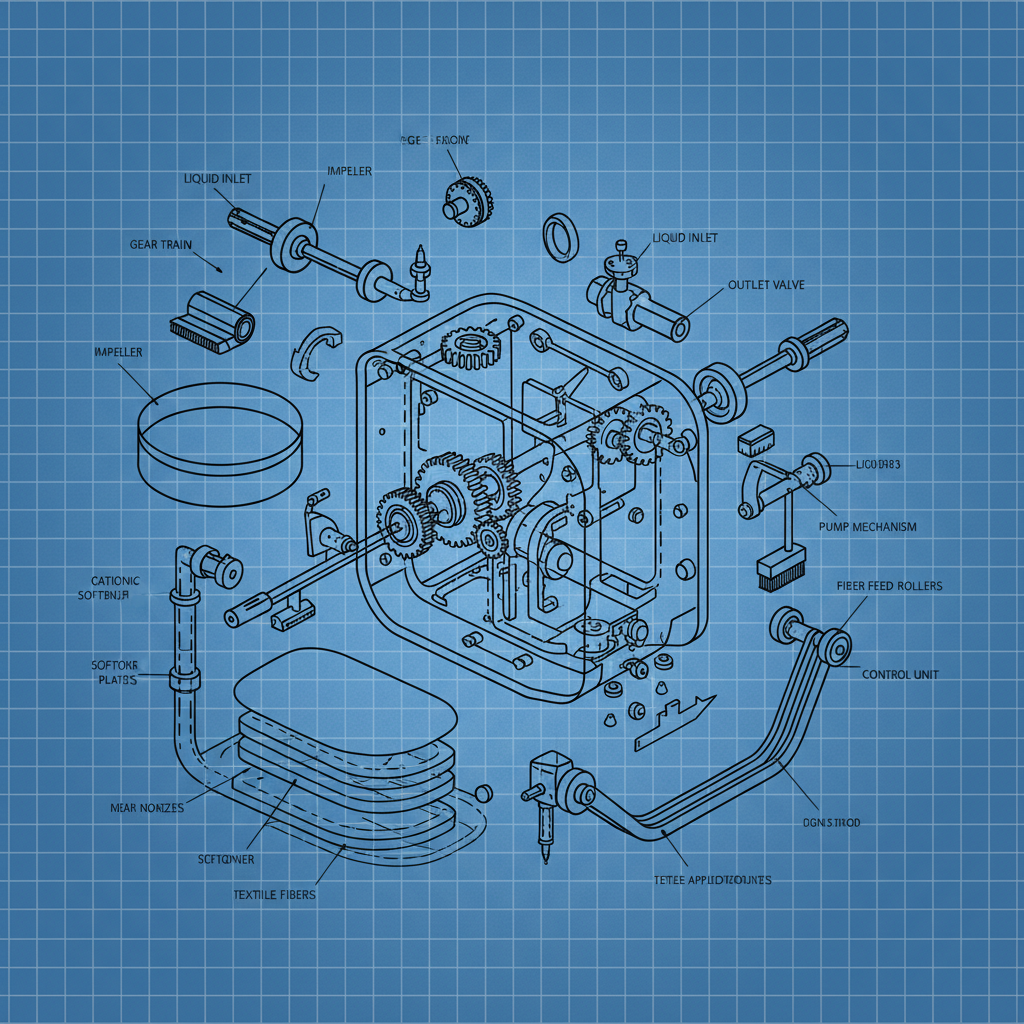
Product Specifications from Dyeingchem
Dyeingchem offers a wide range of high-quality cationic softeners tailored to meet diverse textile requirements. Our products are designed to deliver exceptional softness, enhanced drape, and superior performance. Below is a sample specification of one of our popular products:
Conclusion
Investing in high-quality cationic softeners for textile is essential for achieving superior fabric properties and enhancing product performance. At Dyeingchem, we provide a comprehensive range of solutions tailored to meet your specific textile finishing needs. Contact us today to learn more about how our products can benefit your business.
Frequently Asked Questions (FAQs)
What is the recommended dosage of a cationic softener?
The ideal dosage of a cationic softener varies depending on the fabric type, desired softness, and application method. Generally, a dosage range of 0.5% to 2.0% (owf – on weight of fabric) is recommended. However, it's crucial to conduct trials to determine the optimal dosage for your specific process. Excessive dosage can lead to stickiness or reduced wash fastness. Refer to the product’s technical datasheet and consult with a textile chemist for guidance.
Are cationic softeners compatible with all textile finishing agents?
Cationic softeners are generally compatible with most non-ionic and anionic finishing agents. However, incompatibility can occur with certain chemicals, particularly strongly anionic agents. It’s important to check the compatibility of the softener with all other chemicals used in the finishing process to avoid issues such as precipitation or reduced performance. Conducting a jar test to assess compatibility before full-scale application is recommended.
What are the environmental considerations when using cationic softeners?
Some cationic softeners can have environmental impacts due to their persistence in wastewater. Therefore, it's crucial to select biodegradable and eco-friendly options whenever possible. Consider softeners with low aquatic toxicity and ensure proper wastewater treatment to minimize environmental pollution. Dyeingchem offers a range of environmentally responsible cationic softeners designed to meet stringent sustainability standards.