High-Efficiency Penetrant in Textile Auxiliary Applications
High-Efficiency Penetrant in Textile Auxiliary Applications
Textile auxiliary products are the backbone of modern textile processing. They not only support dyeing and finishing operations but also directly influence fabric quality, uniformity, and hand feel. Among these auxiliaries, the high-efficiency penetrant plays a pivotal role in pre-treatment stages such as scouring, refining, and bleaching. During these early stages, fibers carry natural impurities like wax, oils, pectin, and dust, which can hinder later dye absorption. Fabrics that are poorly wetted may show patchy bleaching, uneven finishing, or inconsistent dye uptake. By significantly lowering surface tension, the high-efficiency textile auxiliary ensures that treatment baths spread evenly across all fibers, enabling faster and deeper penetration. This is particularly important for dense woven fabrics or those containing hydrophobic fibers like polyester blends, where traditional water-based treatments may struggle to penetrate.
In practical industrial scenarios, textile mills processing cotton or blended fabrics often face challenges with consistent wetting. Fabrics may develop white streaks after bleaching or uneven color after dyeing, resulting in rejected batches or reprocessing costs. Incorporating a high-efficiency penetrant as part of the textile auxiliary package allows mills to maintain uniformity while reducing chemical consumption. By improving the interaction between fibers and treatment baths, the penetrant also accelerates processing times, making production lines more efficient.
Improving Pre-Treatment with Dyeing Auxiliary
In the textile industry, dyeing auxiliary chemicals are crucial for ensuring the even removal of natural and added impurities. These auxiliaries, which include scouring agents, bleaching aids, and wetting agents, prepare fibers to fully accept dyes. Without effective pre-treatment, even premium dyes cannot achieve the desired depth or shade, resulting in patchiness or color inconsistency. A well-formulated dyeing auxiliary wetting agent ensures that water and chemical baths evenly coat and penetrate the fabric, maximizing the removal of waxes, oils, and pectins.
For example, in a cotton dyeing plant, applying a high-quality dyeing auxiliary before indigo or reactive dye treatment ensures that all fibers absorb dye uniformly. In blended fabrics containing polyester or viscose, dye penetration can be particularly challenging due to the hydrophobic nature of some fibers. Here, the dyeing auxiliary plays a crucial role in breaking down surface tension, allowing treatment baths to wet the fibers completely. This results in more consistent color and reduces the need for repeated processing, lowering both labor and energy costs.
Deep Penetration with Wetting Agent
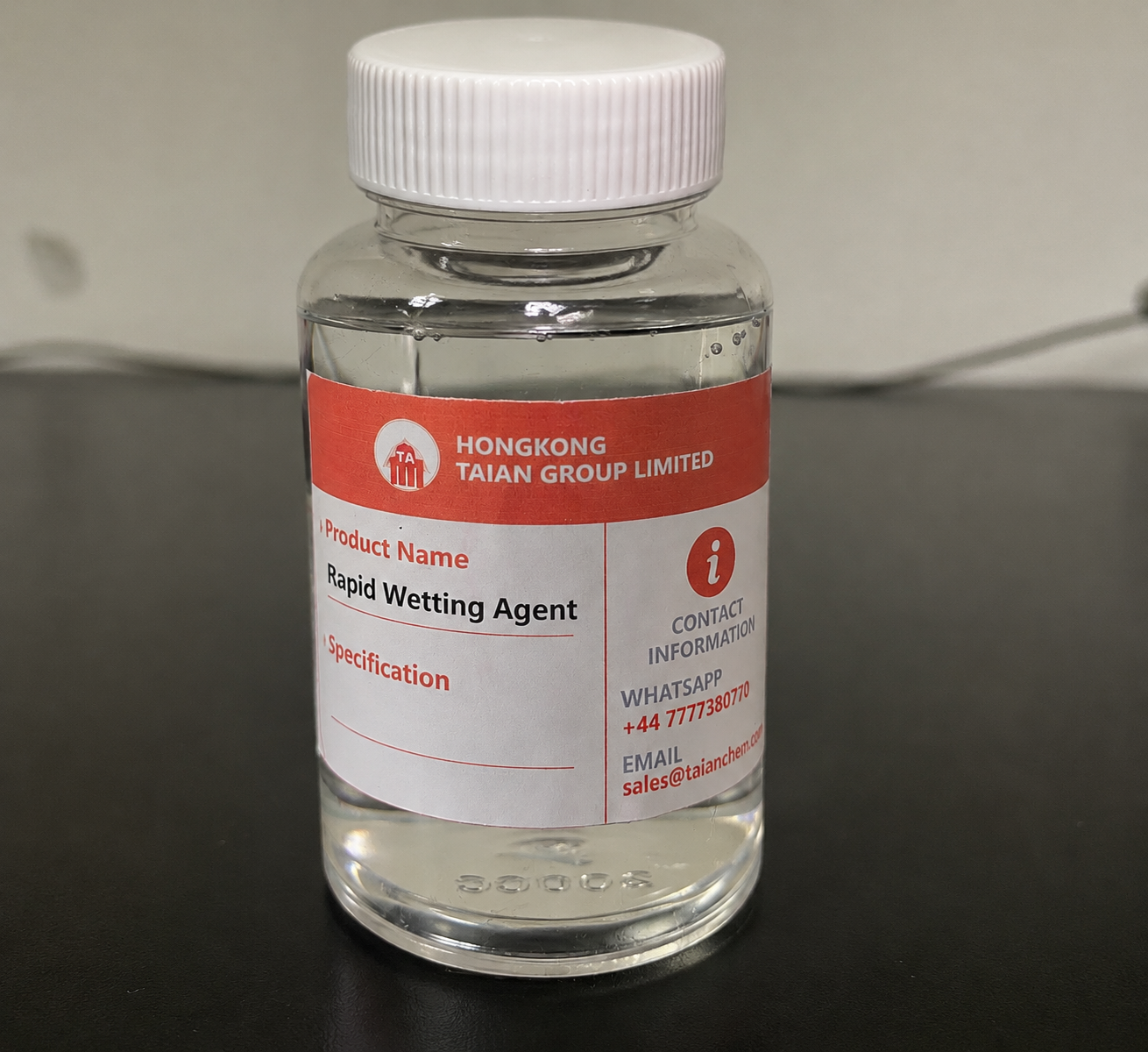
A wetting agent is an essential tool in achieving thorough fiber saturation during pre-treatment. Its primary function is to reduce the surface tension of water-based treatment baths, allowing them to spread and penetrate tightly woven or water-resistant fabrics. Without this step, dense fabrics may resist scouring or bleaching, leading to uneven cleaning or color absorption. High-quality wetting agents ensure that all fibers, even in the thickest yarn bundles, receive adequate exposure to scouring or bleaching solutions.
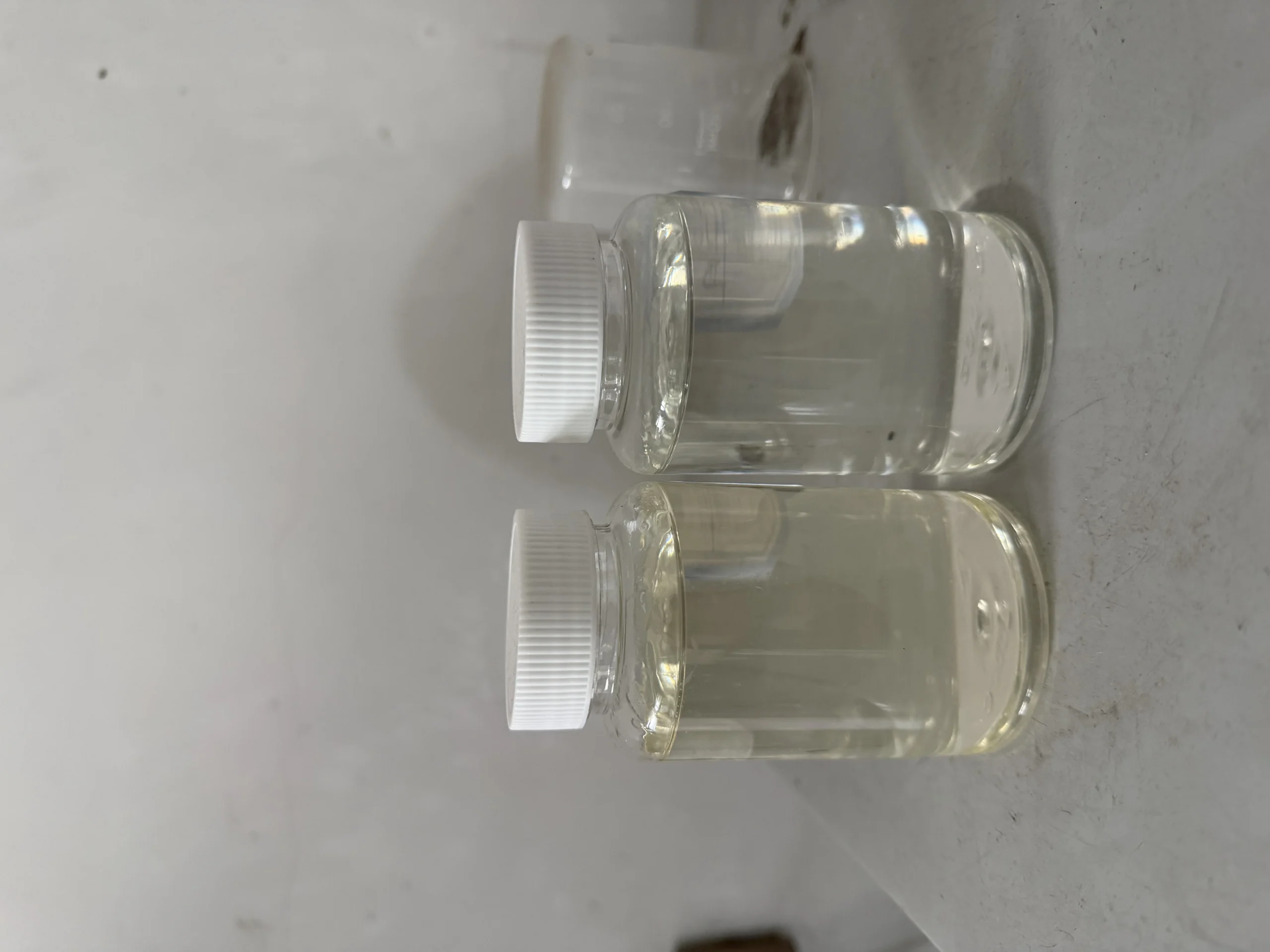
In industrial trials, mills using a standard wetting agent often observed that tightly woven cotton fabrics required longer immersion times for complete penetration. Switching to a high-efficiency wetting agent reduced treatment time by up to 20%, improved uniformity, and minimized chemical waste. Additionally, these agents are compatible with a wide range of fibers, including natural cotton, linen, and synthetic blends, making them versatile solutions for multi-fiber textile operations.
Role of Textile Chemicals in Efficient Fabric Processing
Textile chemicals are not merely additives; they are enablers of high-quality fabric production. Pre-treatment processes such as scouring and bleaching depend heavily on chemicals to remove impurities that interfere with dye uptake. The introduction of a high-efficiency textile chemical, such as a penetrant or wetting agent, ensures that the treatment bath spreads evenly and penetrates fibers quickly, reducing process time while maintaining uniformity. These chemicals also help conserve energy by minimizing the need for prolonged heating or repeated washing cycles.
For instance, in large-scale mills processing thousands of meters of fabric per day, inconsistent pre-treatment can lead to uneven dyeing and costly rework. Using a targeted textile chemical formulation ensures that impurities are fully removed from all fiber layers, resulting in uniform dye uptake and consistent fabric quality. Moreover, these chemicals help reduce water and energy consumption, aligning production with sustainable manufacturing goals.
Enhancing Dye Absorption with Penetrant Wetting Agent
The penetrant wetting agent is particularly valuable when working with complex fabrics. Fabrics with hydrophobic fibers, dense weaves, or high twist yarns often resist water-based chemical treatments. By lowering surface tension and improving bath penetration, the penetrant wetting agent ensures that treatment solutions reach every fiber, enabling uniform scouring, bleaching, and dyeing. This not only improves color consistency but also enhances the fabric’s hand feel, softness, and finish.
For example, in mills producing denim or twill fabrics, untreated areas may repel dye and result in uneven indigo shades. Integrating a high-efficiency penetrant wetting agent in the pre-treatment stage ensures complete penetration and uniform dyeing. This reduces production defects, limits reprocessing, and improves overall efficiency.
Practical Benefits of Textile Auxiliary Wetting Agents
Using a wetting agent in textile pre-treatment provides practical benefits for manufacturers. Improved wetting leads to uniform dye absorption, better color fastness, and smoother fabric hand feel. Fabrics that are properly wetted during scouring or bleaching show fewer defects during dyeing, printing, or finishing. High-quality wetting agents also allow mills to process hydrophobic or blended fabrics more effectively, reducing downtime and chemical waste.
Furthermore, advanced textile auxiliaries support sustainability in the industry by lowering water consumption, reducing energy needs, and minimizing chemical use. By achieving faster and more uniform penetration, mills can produce consistent, high-quality textiles while keeping environmental impact in check.
FAQs about Penetrant Wetting Agents in Textile Industry
What is the main function of a penetrant wetting agent?
It reduces surface tension, allowing pre-treatment baths to penetrate fibers deeply for uniform scouring, bleaching, and dyeing.
Can textile auxiliary products improve dye uniformity?
Yes, by enhancing wetting and penetration, they ensure fibers absorb dye evenly, preventing patchiness and uneven shades.
How does a wetting agent benefit dense or hydrophobic fabrics?
It enables water and chemical solutions to spread and penetrate fibers that are otherwise resistant to treatment, ensuring complete cleaning and dye uptake.
Are there cost benefits to usingtextile chemicals like penetrants?
Absolutely. Faster penetration reduces chemical usage, energy consumption, and process time, lowering overall production costs.
Is a dyeing auxiliary wetting agent suitable for all types of fibers?
Most high-quality formulations work with natural and synthetic fibers, but selection should consider fiber type, weave density, and desired dyeing results.