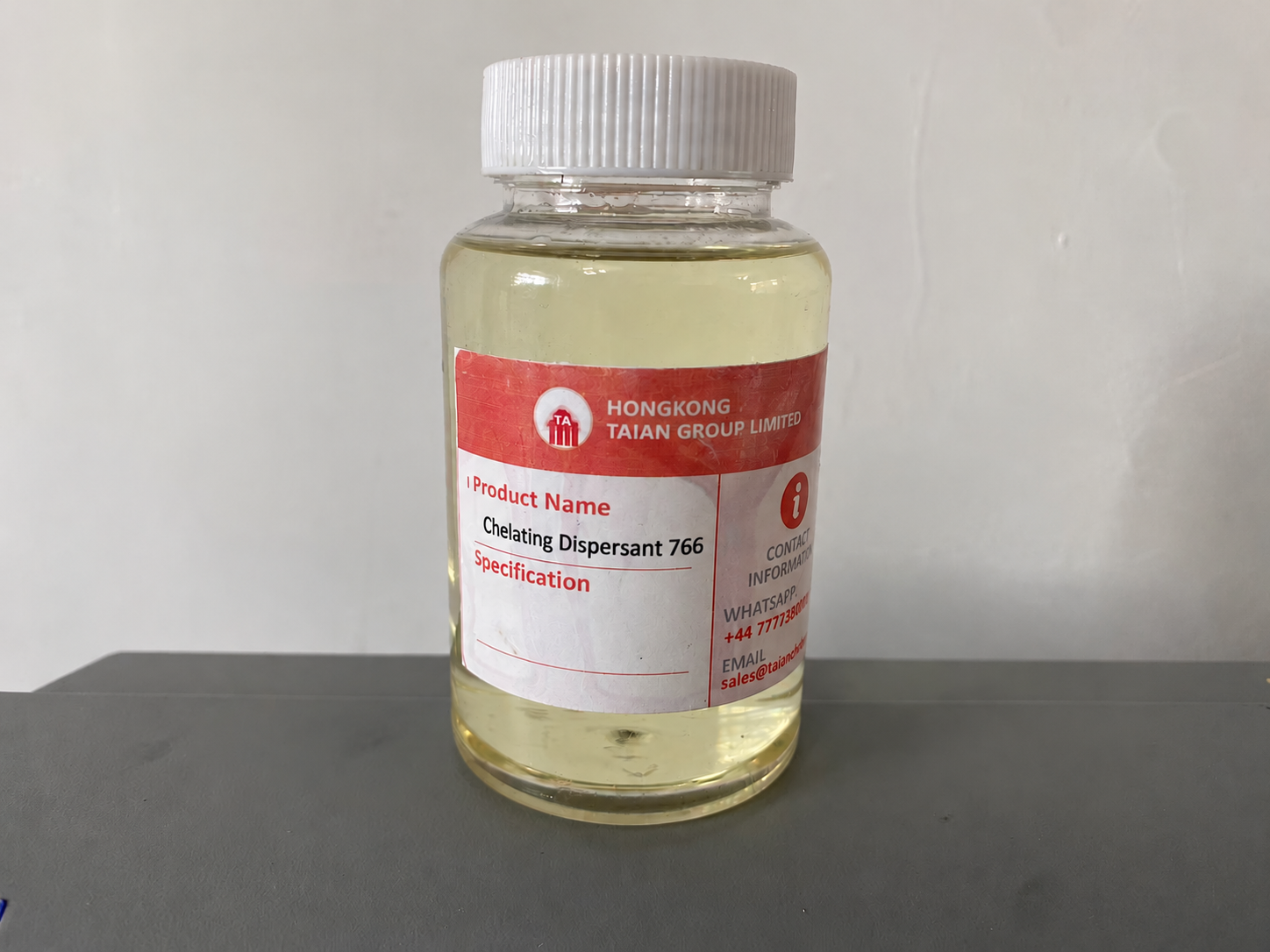
Enzymatic Desizing Process For Daily Pretreatment
Enzymatic Desizing Process For Daily Pretreatment
Enzymatic desizing process is now widely recognized as one of the most practical pretreatment methods in the printing and dyeing auxiliaries industry, especially for cotton and cotton-blended fabrics. In real factory operations, this process focuses on efficiently removing starch-based sizing while keeping fabric strength stable, which directly improves dyeing quality and reduces reprocessing risks.
Enzymatic desizing process begins with proper bath preparation, where thorough agitation ensures the active enzyme components are evenly dispersed. This step is critical for stable production because uneven dispersion often leads to incomplete desizing and visible defects after dyeing. For busy dyeing workshops, a stable process like this saves time and labor.
Enzymatic desizing process requires accurate enzyme dosage control, typically 0.2–0.8% based on fabric weight. This controlled range allows mills to balance cost and performance effectively, which is why enzyme-based solutions are favored over traditional chemical desizing in modern pretreatment lines.
Enzymatic desizing process performance depends heavily on temperature and pH control, with optimal conditions at 60–70℃ and pH 6.5–7.0. These parameters are easy to manage on continuous or batch desizing machines, making the process suitable for both large dyeing plants and smaller workshops.
Enzymatic Desizing Recipe For Stable Production
Enzymatic desizing recipe design is practical and straightforward, making it easy for operators to follow without complex chemical adjustments. This simplicity is one reason why enzyme solutions have become popular hot topics in textile pretreatment discussions.
Enzymatic desizing recipe preparation requires precise measurement of enzyme concentration and sufficient bath circulation. Uniform contact between fabric and enzyme solution ensures consistent starch breakdown, which directly affects dye penetration and final fabric appearance.
Enzymatic desizing recipe processing time is generally controlled between 15–30 minutes, allowing complete desizing without fiber damage. This controlled timeframe fits well into modern dyeing production schedules, where speed and quality must be balanced.
Enzymatic desizing recipe rinsing is equally important, as multiple clean water washes remove residual enzymes and decomposed sizing agents. Proper rinsing prepares fabrics for subsequent dyeing or finishing steps, reducing the risk of uneven shades or surface issues.
Enzyme Desizing Process In Textile Auxiliaries
Enzyme desizing process applications are deeply integrated into the printing and dyeing auxiliaries industry, where reliability and repeatability are critical. Compared with harsh chemical treatments, enzyme-based solutions offer controlled action that protects fiber structure.
Enzyme desizing process efficiency often exceeds traditional chemical methods by more than 30%, which translates directly into higher throughput for dyeing plants. Faster desizing cycles mean more fabric processed per day without increasing labor costs.
Enzyme desizing process compatibility with modern equipment is another major advantage. These enzymes work seamlessly with continuous desizing machines, batch systems, and other pretreatment setups commonly used in textile factories.
Enzyme desizing process versatility extends beyond textiles, as similar enzymatic preparations are widely used in brewing, alcohol production, starch sugar processing, and monosodium glutamate manufacturing, demonstrating strong technical reliability across industries.
Chemistry Of Enzymatic Desizing Explained Simply
Chemistry of enzymatic desizing focuses on the selective breakdown of starch molecules without attacking cellulose fibers. This selective reaction is what makes enzyme desizing safer and more controllable compared to chemical alternatives.
Chemistry of enzymatic desizing operates under mild conditions, reducing fiber strength loss and improving fabric hand-feel. Semi-finished fabrics treated this way are softer and more suitable for high-quality dyeing and finishing.
Chemistry of enzymatic desizing also supports environmental protection goals, as post-treatment wastewater shows excellent biodegradability. This compliance with clean production standards is increasingly important for dyeing plants facing strict discharge regulations.
Chemistry of enzymatic desizing reflects modern bio-enzymatic preparation technology, which is also widely applied in biopharmaceutical fields such as organic acid fermentation and antibiotic production, highlighting its industrial maturity.
Enzymatic Desizing Process FAQs
What Fabrics Are Suitable For Enzymatic Desizing Process?
Enzymatic desizing process is mainly used for cotton and cotton-blended fabrics, especially denim and woven cotton textiles.
How Does Enzymatic Desizing Process Reduce Fabric Damage?
Enzymatic desizing process targets starch sizing specifically, avoiding damage to cellulose fibers and maintaining fabric strength.
Is Enzymatic Desizing Process Environmentally Friendly?
Enzymatic desizing process produces biodegradable wastewater that meets environmental protection standards in the printing and dyeing auxiliaries industry.
Can Enzymatic Desizing Process Be Used On Continuous Machines?
Enzymatic desizing process works well with continuous desizing machines as well as batch processing systems.
Why Choose Professional Enzymatic Desizing Process Products?
Enzymatic desizing process products from professional suppliers ensure stable quality, consistent results, and reliable technical support.
In today’s competitive textile market, choosing a reliable enzymatic desizing process product is a practical decision that directly affects quality, efficiency, and compliance. If you are looking for professional bio-enzymatic preparations designed specifically for the printing and dyeing auxiliaries industry, now is the right time to act. Visit our company website to explore detailed product information, request technical support, or place an order tailored to your production needs. Whether you are upgrading your pretreatment line or optimizing costs, our enzyme solutions are ready to support your success.