Desizing Enzyme: The Eco-Friendly First Step in Textile Processing
Desizing Enzyme: The Eco-Friendly First Step in Textile Processing
The journey to a beautifully dyed and finished fabric starts with a clean slate. The first, most critical step for cotton and other sized fabrics is desizing. Today, we’re exploring the modern solution: desizing enzyme products, the process of enzymatic desizing, and why sourcing desizing enzyme wholesale makes sense for your production. Let’s dive into the efficient world of enzymatic desizing of cotton fabric.
The Essential Starter: Why You Need a Desizing Enzyme
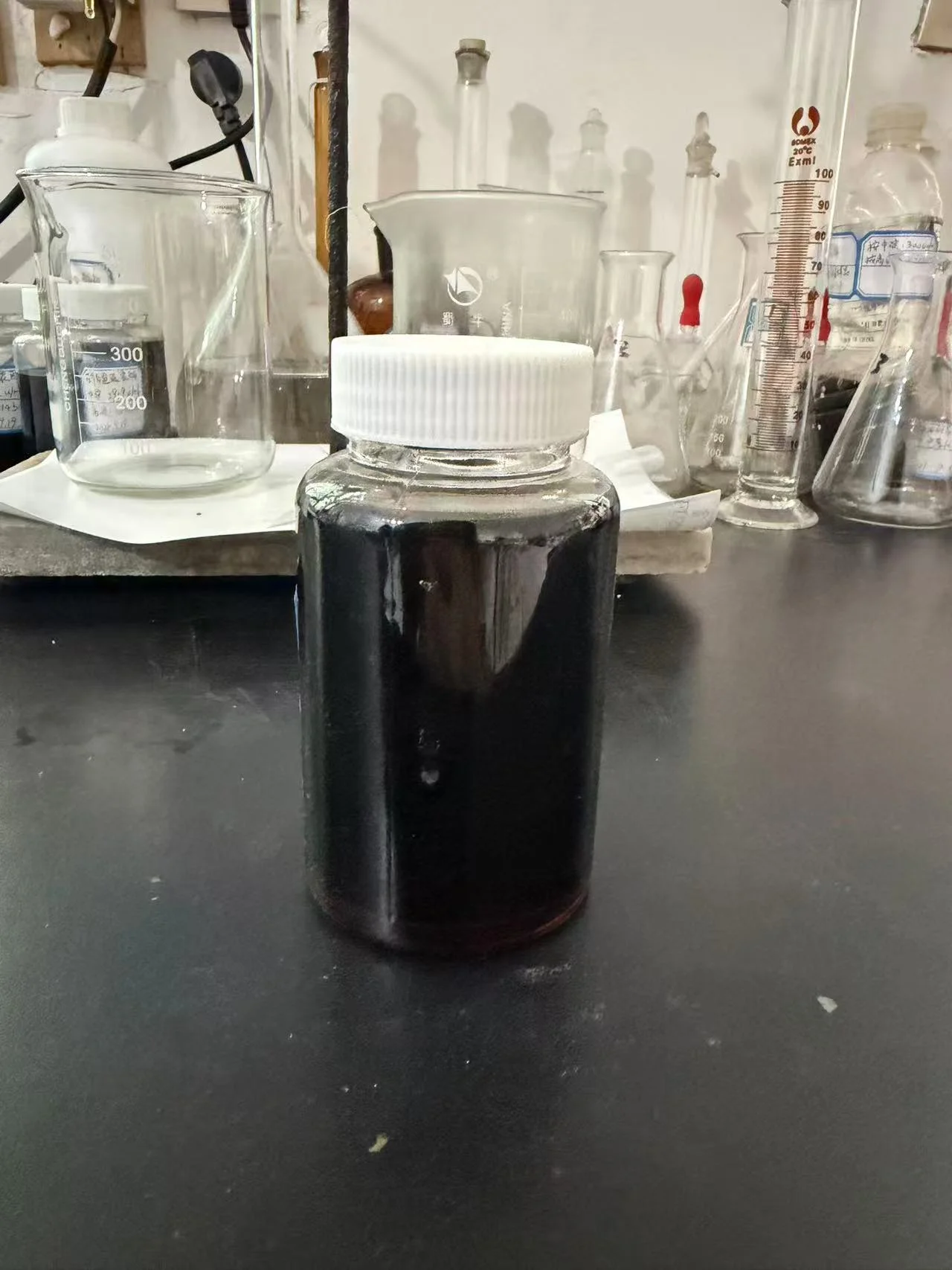
Before cotton fabric can be bleached, dyed, or finished, it must be desized. "Size" is a starch-based coating applied to yarns before weaving to prevent breakage. This size must be completely removed for subsequent processes to work uniformly. This is where a desizing enzyme comes in. A desizing enzyme is a specialized biological catalyst, typically an amylase, that selectively breaks down starch molecules into soluble sugars. Using a desizing enzyme is a targeted approach. Unlike harsh acids or oxidizing agents, the enzyme attacks only the starch, leaving the cotton fibers unharmed. This results in less fiber damage, better fabric strength retention, and a softer hand feel compared to traditional chemical desizing. Choosing the right desizing enzyme—one that is effective at your mill's specific pH and temperature range—is the foundation for a smooth, high-quality textile processing line. It’s the smart, sustainable choice for the first wet processing step.
Bulk Efficiency: The Advantage of Desizing Enzyme Wholesale
For textile mills and large-scale processors, buying chemicals in small quantities is inefficient and costly. This is where sourcing desizing enzyme wholesale provides a significant advantage. Purchasing desizing enzyme wholesale directly from a manufacturer or large distributor offers several key benefits. First, cost savings: The per-unit price is always lower when buying in bulk (drums, totes, or tanker loads). This directly improves your cost per meter of fabric processed. Second, supply consistency: A desizing enzyme wholesale order ensures you have a large, reliable stock of a consistent product. This eliminates process variability caused by switching between different batches or suppliers and prevents production stoppages. Third, logistical simplicity: Fewer, larger deliveries mean less handling, simpler inventory management, and often more flexible shipping terms. For any facility running continuous desizing ranges, establishing a partnership for desizing enzyme wholesale is a strategic decision that enhances operational efficiency, cost control, and production stability.
The Modern Method: Understanding the Enzymatic Desizing Process
Enzymatic desizing is the controlled application of a desizing enzyme to remove size. It is the preferred industrial method for starch-based sizes due to its efficiency and eco-friendliness. The enzymatic desizing process typically involves four stages. Impregnation: The fabric is saturated with a bath containing the desizing enzyme at a specific concentration, pH, and temperature. Incubation: The fabric is held (in a J-box, steamer, or batch) for a controlled time, allowing the enzyme to break down the starch. Washing: High-temperature washing removes the broken-down starch products (dextrins, maltose, glucose) from the fabric. Inactivation: A hot rinse or pH shift is often used to deactivate the enzyme and stop the reaction. The success of enzymatic desizing depends on precise control of parameters like enzyme dosage, pH, temperature, and time. When optimized, it achieves a desizing rate of over 95%, preparing the fabric perfectly for bleaching and dyeing with minimal environmental impact, as the enzyme and its byproducts are biodegradable.
Optimizing for Cotton: A Guide to Enzymatic Desizing of Cotton Fabric
Cotton is the most common fiber that undergoes desizing. The enzymatic desizing of cotton fabric is a well-established science. Because cotton fabric is often sized with potato, corn, or tapioca starch, amylase enzymes are perfectly suited. The process for the enzymatic desizing of cotton fabric must account for the fabric's structure (yarn count, weave density) and the type/amount of size applied. A robust enzymatic desizing of cotton fabric process will: 1) Use a thermostable alpha-amylase that works effectively at 60-95°C, allowing for rapid processing. 2) Maintain the bath in a slightly acidic to neutral pH range (5.5-7.0), which is ideal for most amylases and safe for cotton. 3) Include wetting agents and chelating agents in the bath to ensure even penetration and to sequester metal ions that could inhibit the enzyme. The result of a well-executed enzymatic desizing of cotton fabric is a clean, hydrophilic fabric with no residual starch to interfere with bleaching, no harsh chemical damage, and significantly reduced BOD/COD in the effluent compared to oxidative desizing. It sets the stage for all downstream quality.
Achieving perfect desizing requires more than just any enzyme; it requires a high-performance, reliable product. We specialize in professional bio-enzymatic preparations engineered for textile processing. Our flagship desizing enzyme is specifically designed for the enzymatic desizing of cotton fabric, denim, and other yarns. It delivers rapid, effective action, achieving desizing rates that surpass traditional chemical methods by over 30% while completely eliminating sizing spots. The fabric retains superior strength and emerges with an exceptionally soft hand. Our commitment extends beyond performance to sustainability. The wastewater from our enzymatic desizing process is highly biodegradable, supporting clean production standards and stringent environmental compliance. We are your ideal partner for desizing enzyme wholesale, offering consistent, high-quality product in the volumes that industrial processors need, backed by technical support to optimize your enzymatic desizing process for maximum efficiency and fabric quality.
Upgrade Your Pretreatment: Order Your Desizing Enzymes Today!
Ready to make your pretreatment process more efficient, fabric-friendly, and sustainable? Stop using outdated chemical methods. Switch to high-performance enzymatic desizing with our premium desizing enzyme. Visit our website to access detailed technical data sheets, application guidelines, and case studies for our desizing enzyme. Contact our sales team for a customized desizing enzyme wholesale quote based on your monthly consumption. We can arrange samples for you to test in your facility and provide expert consultation to optimize your specific enzymatic desizing of cotton fabric process parameters for the best results. Choose the biological solution that delivers superior quality and a greener footprint. Make the smart switch to efficient enzymatic desizing. Click to connect with us and place your first bulk order.
Enzymatic Desizing FAQs
What are the main benefits of enzymatic desizing over chemical desizing?
Enzymatic desizing is specific (attacks only starch, not fiber), resulting in less fabric damage, better strength retention, and a softer hand. It is more environmentally friendly, producing biodegradable effluent with lower BOD/COD than oxidant-based processes. It is also generally safer to handle and can be more cost-effective at scale due to lower chemical and water usage.
How do I determine the right dosage for a desizing enzyme?
The correct dosage of a desizing enzyme depends on the fabric weight, the concentration of size on the fabric, the desired processing time, and the specific activity of the enzyme. The supplier should provide a dosage range (e.g., % owf - on weight of fabric). Start with a recommended dosage, then conduct a desizing efficiency test (iodine spot test) and adjust based on results to find the most economical and effective dose for your specific fabric.
What temperature and pH are best for enzymatic desizing of cotton fabric?
Most industrial thermostable alpha-amylases for enzymatic desizing of cotton fabric work optimally in a temperature range of 70-95°C (158-203°F) and a pH range of 5.5 to 7.0 (slightly acidic to neutral). Always follow the specific manufacturer's recommendations for the enzyme you are using, as optimal conditions can vary between products.
Can the same desizing enzyme be used for fabrics with synthetic blends?
Yes, an amylase-based desizing enzyme can be used on cotton/polyester or other cellulose-blend fabrics if the size is starch-based. The enzyme will act on the starch, regardless of the other fibers present. However, process conditions (temperature) must be suitable for the most sensitive fiber in the blend. Always test on a swatch first.
Why is desizing enzyme wholesale a good idea for a textile mill?
Sourcing desizing enzyme wholesale provides significant cost savings per unit, ensures a consistent supply of a uniform product for stable process results, simplifies logistics with fewer deliveries, and often comes with better technical support and terms from the supplier. For continuous production, buying in bulk is the most economical and reliable strategy.