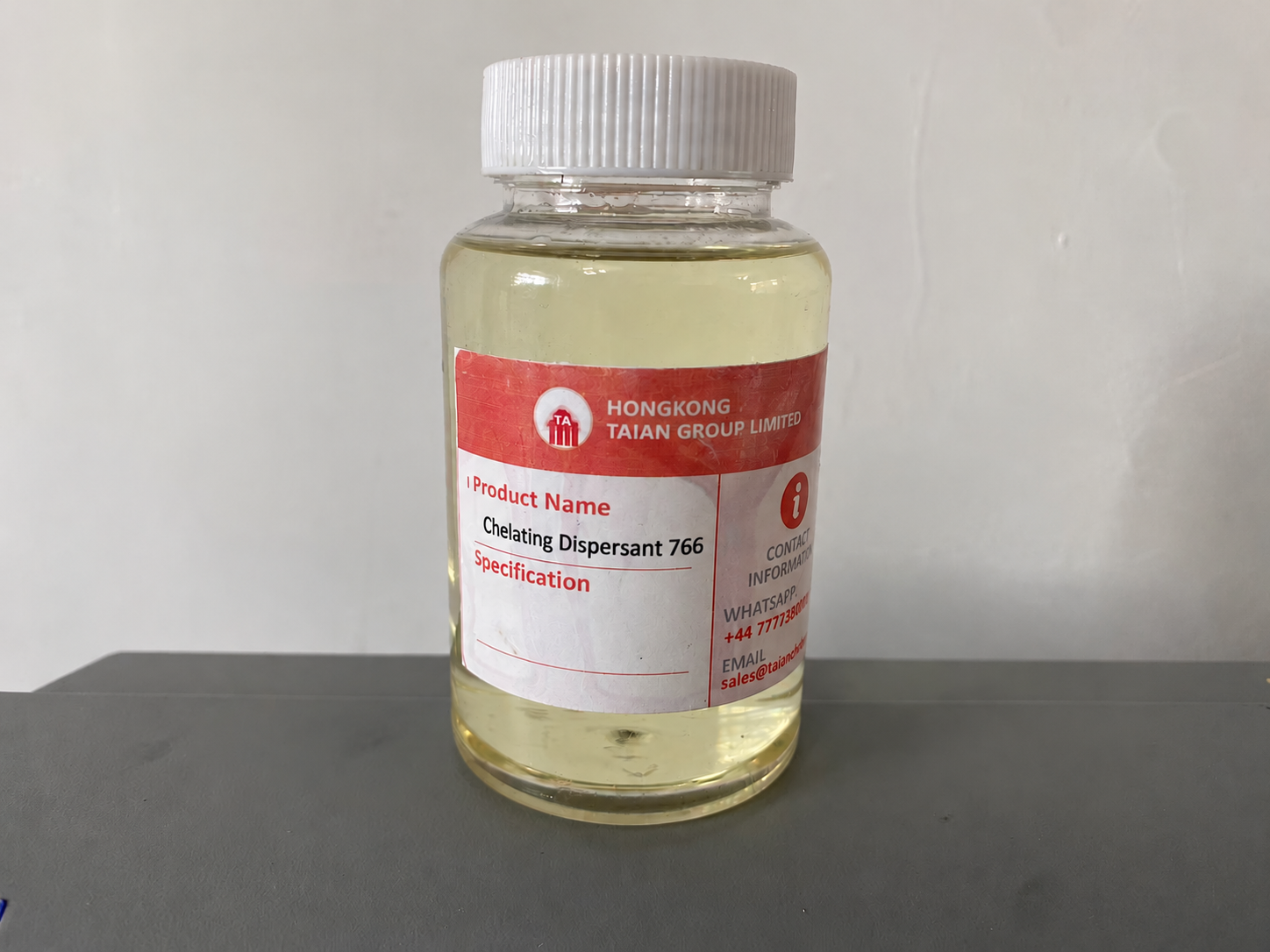
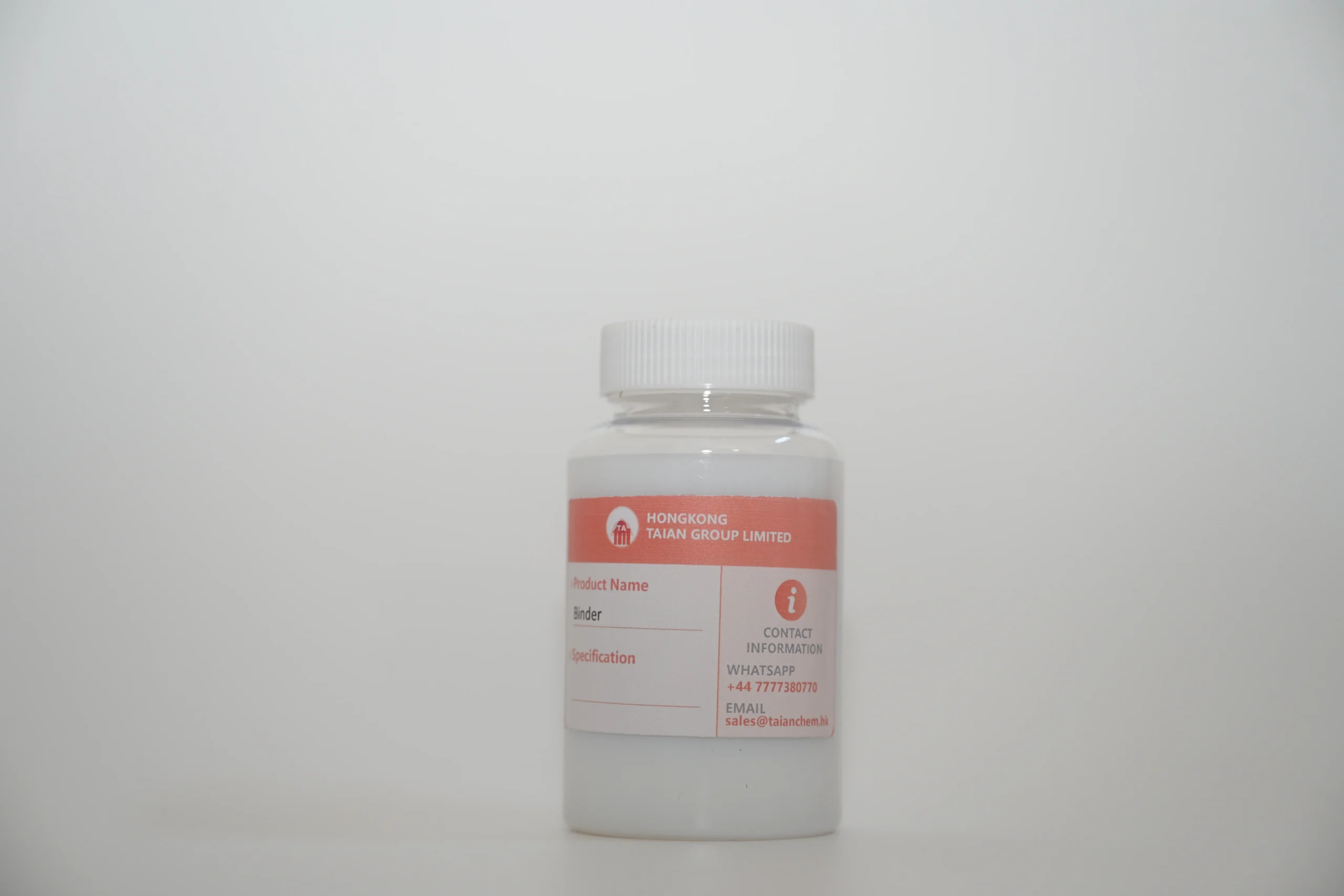

Pigment printing is one of the most versatile and widely used textile printing methods due to its simplicity, environmental advantages, and broad applicability across various fabrics. Because pigments do not chemically react with fibers, their fixation relies entirely on physical adhesion. This makes the quality of the Binder and Cross-linking Agent essential for achieving durable, vibrant, and comfortable prints. These two auxiliaries work hand in hand to enhance film formation, fastness, flexibility, and long-term performance. Together, they ensure that printed textiles meet the high standards required for everyday apparel, fashion fabrics, home furnishings, and high-frequency wash items.
The Binder functions as the backbone of pigment printing. Its primary role is to form a resilient polymer film that securely locks pigment particles onto the fabric surface. The quality of this film directly determines color fastness, hand feel, durability, and overall printing performance.
A high-performance Binder provides several critical advantages:
1. Strong Color Fastness
During washing and rubbing, mechanical forces can dislodge pigment particles if they are not well-bound. A robust Binder forms a uniform polymer network that holds pigments firmly in place, ensuring excellent wash fastness and rub fastness.
2. Soft and Natural Hand Feel
One challenge in pigment printing is avoiding a stiff or plastic-like touch. Modern Binder formulations are engineered with high elasticity and low glass transition temperature (Tg), creating a soft, flexible film that preserves the natural hand feel of the fabric.
3. Stable Film Formation
The Binder must coalesce uniformly at curing temperatures to create a smooth, continuous film. High-quality Binders show excellent self-cross-linking properties, minimizing defects such as cracking, uneven stiffening, or pigment flaking.
4. Enhanced Durability
A well-cured Binder remains stable even after repeated laundering or exposure to physical stress. It resists peeling, powdering, and surface deterioration, ensuring the printed design remains vibrant throughout the lifespan of the textile.
These properties make Binders suitable for cotton, polyester, viscose, blends, and both woven and knitted fabrics. They support a wide range of printing applications—from high-clarity fashion prints to functional textiles requiring resilience and long-term usage.
Modern consumers expect printed textiles to be not only visually appealing but also comfortable to wear. For this reason, Binder softness and breathability are particularly important.
Advanced Binder technologies provide:
High film elasticity, essential for stretchable fabrics such as jersey, rib knits, spandex blends, and activewear
Low stiffness, which keeps fabrics soft and prevents a heavy or rubbery feel
Good breathability, allowing air circulation even after printing
Improved drape, preserving the natural movement and flow of the fabric
These characteristics make the Binder indispensable for T-shirts, children’s clothing, lightweight fashion fabrics, sports garments, and home textile products where comfort is a priority.
While the Binder forms the film, the Cross-linking Agent enhances the strength and stability of that film. It promotes additional molecular bonds within the Binder structure, improving overall durability and fastness.
Key benefits include:
1. Enhanced Bonding Strength
Cross-linking Agents react with functional groups within the Binder, creating a tighter and more cohesive polymer network. This reinforced structure improves adhesion between the pigment film and the fabric.
2. Better Wash and Rub Fastness
With stronger internal molecular bonding, pigments are less likely to detach during home laundry, industrial washing, or mechanical abrasion. This ensures long-lasting print clarity and color stability.
3. Improved Heat and Abrasion Resistance
High-temperature curing and post-processing operations—such as calendering, ironing, or tumble drying—require a stable pigment film. Cross-linking Agents increase thermal resistance and help prevent cracking or chalking.
4. Superior Durability for Heavy-Duty Applications
Fabrics used in uniforms, children’s products, household décor, and frequently washed apparel benefit greatly from enhanced film strength, ensuring the printed design stays intact over time.
Cross-linking Agents are especially valuable in prints requiring high fastness standards, deep pigment loads, or sharply defined patterns.
Binder and Cross-linking Agent are most effective when used together. Their synergy provides a comprehensive solution that enhances both performance and aesthetic quality.
The combined results include:
Crisp, sharp, and well-defined print edges
High color retention and long-lasting vibrancy
Improved elasticity, ideal for stretch fabrics and knitted garments
More stable film formation, reducing manufacturing defects
Balanced softness and durability, ensuring comfort without compromising strength
This synergy ensures reliable printing results even under demanding production conditions such as high-speed printing, multi-color designs, heavy pigment applications, or thick printing layers.
Thanks to their reliability and performance benefits, Binder and Cross-linking Agent are essential in a wide range of textile printing applications.
They are widely used for:
Fashion apparel including printed dresses, shirts, and seasonal collections
Casual wear and knitwear, where comfort and flexibility matter
Children’s clothing, requiring both softness and high fastness
Home textiles such as curtains, cushion covers, bed linens, and upholstery fabrics
Bags, accessories, and decorative fabrics that require durability and vibrant colors
Their versatility enables consistent printing performance across different fibers, fabric constructions, and end-use requirements.
In today’s competitive textile market, manufacturers need printing auxiliaries that combine durability, softness, stability, and efficiency. Binder and Cross-linking Agent provide exactly that. By forming a strong yet flexible pigment film, they ensure that printed textiles maintain their beauty, comfort, and performance over time. Whether producing fashion-forward designs or heavy-duty prints, these auxiliaries are indispensable components of high-quality pigment printing systems.