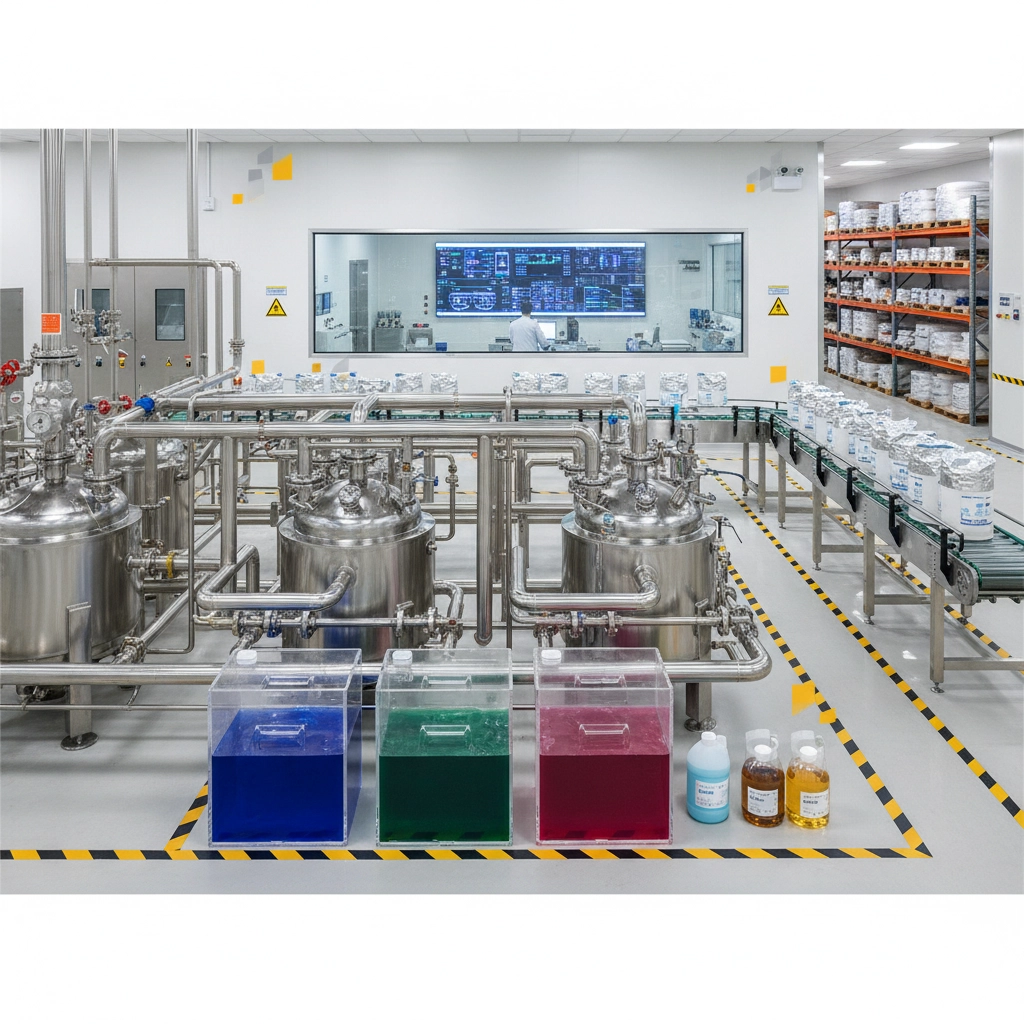
Dyeing Cotton with Sulfur Black Dyes: Techniques and Benefits
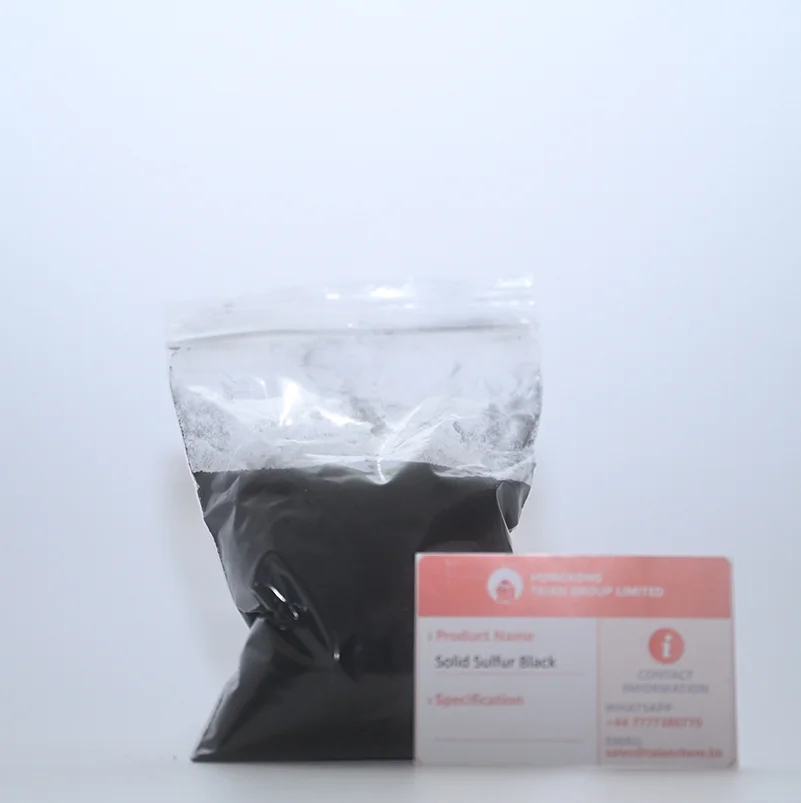
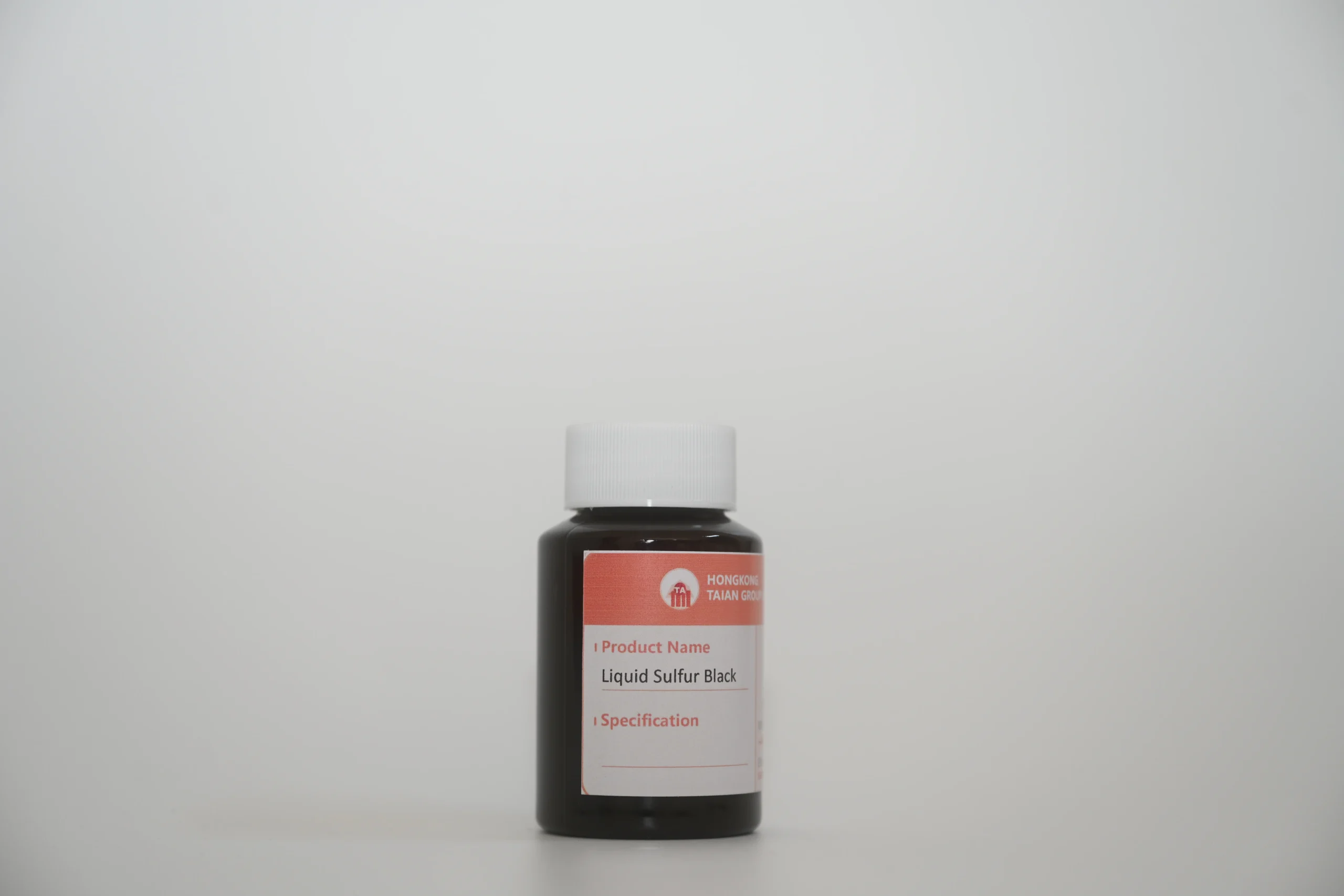
Dyeing cotton with sulfur black dyes is a popular and cost-effective method for achieving deep black and dark shades on cotton textiles. The process centers on the unique chemistry of these dyes, including well-known types such as sulfur black 1 and sulphur black 200.
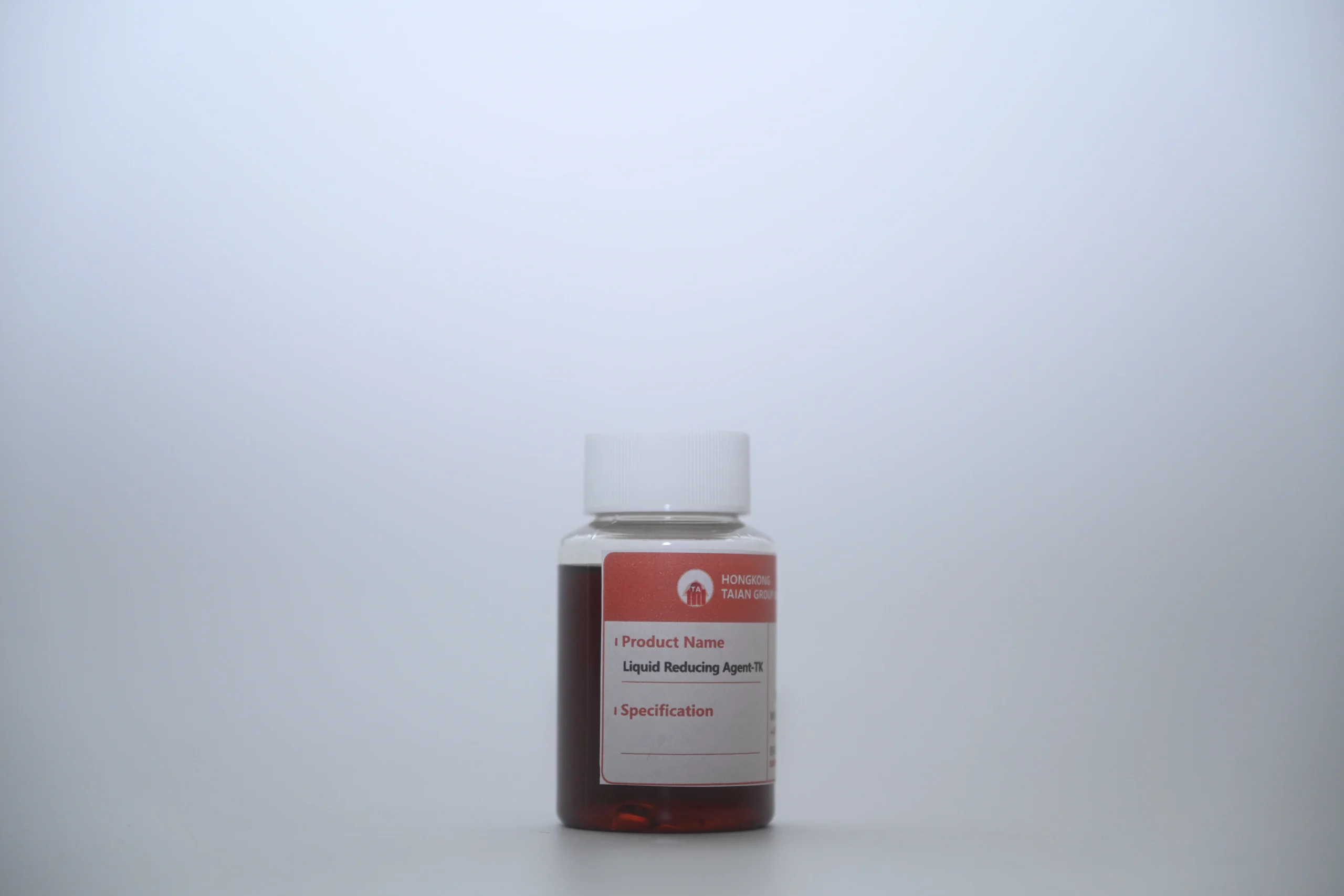
Initially, the sulfur black dye is chemically reduced to a soluble form called the leuco form, which easily penetrates the cotton fibers. Once inside the fabric, exposure to air or an oxidizing agent converts the dye back to its insoluble form. This results in a vibrant, permanent black coloration that is resistant to washing and light exposure.
The advantages of using sulfur black dyes include their low cost, excellent fastness properties, and suitability for large-scale industrial dyeing processes. They are especially favored for producing workwear, denim, and other textiles that demand durability.
While sulfur dyes offer many benefits, careful management of the dyeing process and effluent treatment is essential to mitigate environmental impacts related to sulfur-containing wastewater.
Overall, sulfur black dyes remain a cornerstone in textile dyeing due to their performance, affordability, and adaptability.