Advanced dye auxiliaries Solutions for Canada's Textile Industry

Optimizing fabric processing efficiency and sustainable coloring through high-performance chemical engineering tailored for the Canadian market.

Advanced dye auxiliaries Solutions for Canada's Textile Industry

Providing a comprehensive suite of textile chemical agents designed to enhance color fastness and material durability under Canada's diverse industrial requirements.

The Current Landscape of Textile Chemistry in Canada

Analyzing the synergy between environmental regulations and industrial performance in North American textile manufacturing.

The Canadian textile sector is currently navigating a transition toward "Green Chemistry." With strict federal regulations regarding wastewater discharge, the demand for high-efficiency textile auxiliaries chemicals has surged. Manufacturers are prioritizing agents that reduce water consumption and energy use, particularly in provinces with high water-treatment costs.

Cold-climate logistics in Canada often impact the stability of chemical storage. Consequently, there is a growing need for stable penetrating agent formulations that maintain consistent viscosity and activity despite temperature fluctuations during transport and storage in warehouses across Ontario and Quebec.

Furthermore, the resurgence of high-end technical textiles in Canada requires precise chemical control. The integration of specialized oxidizing agent reducing agent systems is becoming critical for achieving the purity and consistency required for medical and industrial-grade fabrics.
Evolution and Trajectory of Textile Processing Agents

From traditional bulk processing to precision molecular engineering.

Market Development History

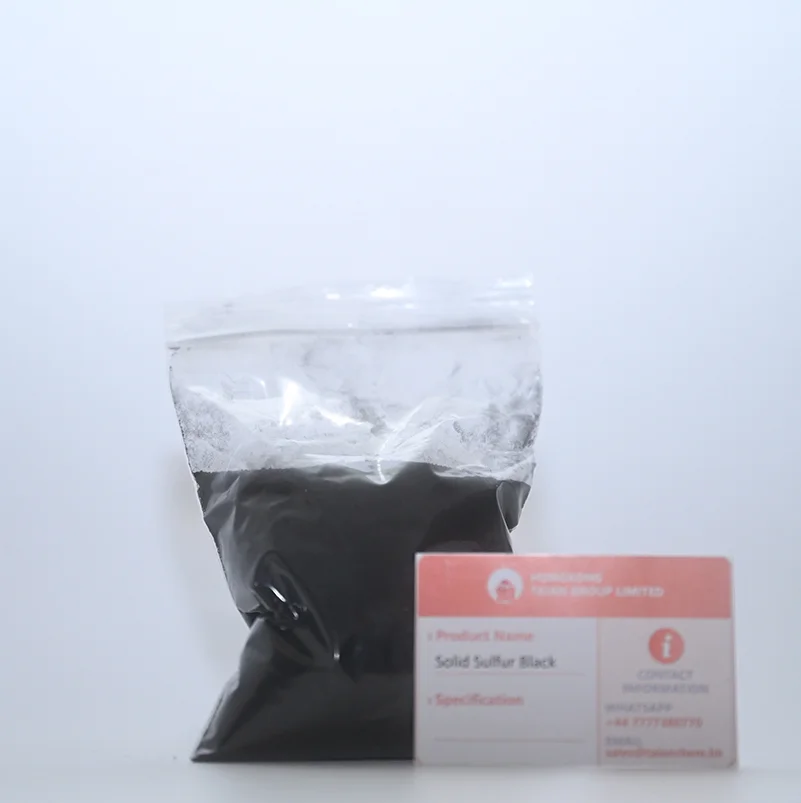
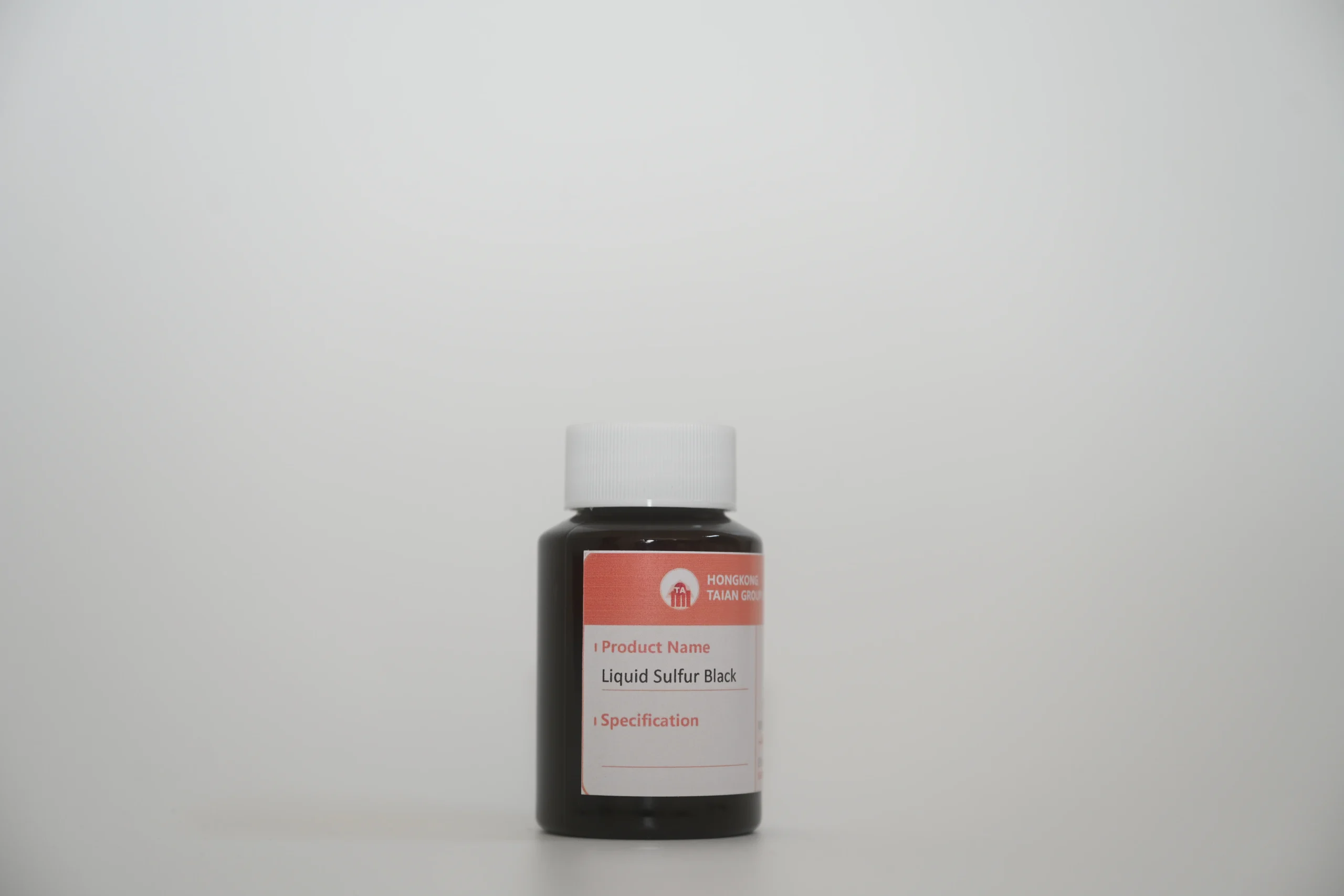
In the late 20th century, the Canadian market relied heavily on basic surfactants and traditional sulfur black dyes, where the focus was primarily on volume and cost-efficiency rather than environmental impact.

Between 2005 and 2015, the industry shifted toward "Compliance-Driven Chemistry." This era saw the introduction of biodegradable auxiliaries and the phasing out of hazardous substances to meet North American safety standards (OEKO-TEX and ZDHC).

From 2016 to the present, the focus has evolved into "Functional Optimization," where chemicals are engineered at the molecular level to provide specific properties, such as antimicrobial finishes or extreme water repellency, integrated during the dyeing process.

Future Development Trends

Bio-based Auxiliaries

A shift toward plant-derived precursors to replace petroleum-based chemicals, reducing the carbon footprint of the Canadian textile supply chain.

Digital Dyeing Integration

Development of chemistry optimized for inkjet and digital printing, requiring ultra-low viscosity and high-purity agents for precision nozzles.

Closed-Loop Water Systems

Engineering auxiliaries that facilitate easier water recycling, allowing factories to reuse dyeing baths without compromising color quality.

Future Trends and Strategic Outlook

Predicting the next wave of innovation in specialty textile chemicals.

Sustainable Enzyme Integration
Replacing harsh chemicals with biocatalysts to reduce energy consumption and water pollution.
AI-Driven Formulation
Using machine learning to predict the optimal mix of auxiliaries for specific fabric blends.
Nano-Chemical Carriers
Developing nano-encapsulation for slower, more precise release of dyes and finishing agents.
Zero-Liquid Discharge
Chemistry specifically designed for complete evaporation and salt recovery systems.

Industry Outlook

Based on Google search trends for "sustainable textiles" in North America, we anticipate a 25% increase in demand for biodegradable auxiliaries. The industry is moving away from traditional bulk chemistry toward highly specialized, low-dosage solutions that offer higher functional value.

The integration of smart textiles will drive the need for conductive auxiliaries and specialty coatings, transforming the textile chemical market into a hybrid of traditional dyeing and advanced materials science.

Localized Application Scenarios in Canada

Real-world implementation of specialty auxiliaries across Canadian textile sectors.

1. Outdoor Apparel for Canadian Winters

Utilizing specialized penetrating agent blends to ensure uniform application of waterproof membranes on heavy-duty synthetic fabrics used in Arctic gear.

2. Industrial Workwear in Ontario Manufacturing

Applying high-stability sulfur black dyeing processes for heavy-duty uniforms that require extreme color fastness and resistance to industrial chemicals.

3. Eco-Friendly Fashion Hubs in Vancouver

Implementing a combination of low-impact dye auxiliaries to meet the high sustainable standards of West Coast boutique clothing brands.

4. Technical Textiles for Medical Use in Quebec

Using precision oxidizing agent reducing agent systems to ensure the sterile purity and precise color coding of medical-grade linens and scrubs.

5. Home Textile Production in the Prairies

Optimizing the use of textile auxiliaries chemicals to improve the soft-hand feel and dye absorption of organic cotton and linen blends.

Brand Story

Global Development Journey of Shijiazhuang Taikun Chemical Co., Ltd.

Foundational Innovation

Established as a pioneer in textile chemistry, focusing on the synthesis of high-purity auxiliaries to solve basic dyeing inconsistencies.

Market Expansion

Expanding our reach beyond regional borders to provide tailored chemical solutions for the diverse North American textile landscape.

Sustainability Pivot

Investing heavily in R&D to create biodegradable and low-emission agents, aligning our mission with global environmental goals.

Technical Leadership

Becoming a trusted partner for high-end technical textile manufacturers by solving complex penetration and fixation challenges.

Future Vision

Striving to lead the industry toward "Zero-Impact" chemistry, ensuring that textile brilliance never comes at the expense of the planet.

Complete Textile Chemical Portfolio for Canada

A one-stop source for all specialty auxiliaries and dyeing agents required for modern Canadian textile production.

Common Questions for Canadian Textile Producers

Expert answers to technical challenges in textile chemical application.

How to choose the right textile auxiliaries chemicals for organic cotton?

For organic cotton, we recommend biodegradable, non-phosphorus agents that maintain the fabric's integrity while ensuring high dye uptake and minimal water waste.

What is the best oxidizing agent reducing agent for denim bleaching?

Our stabilized hydrogen peroxide-based oxidizing agents combined with controlled reducing agents provide precise color removal without damaging the cellulose fibers.

Can dye auxiliaries improve color fastness in high-wash fabrics?

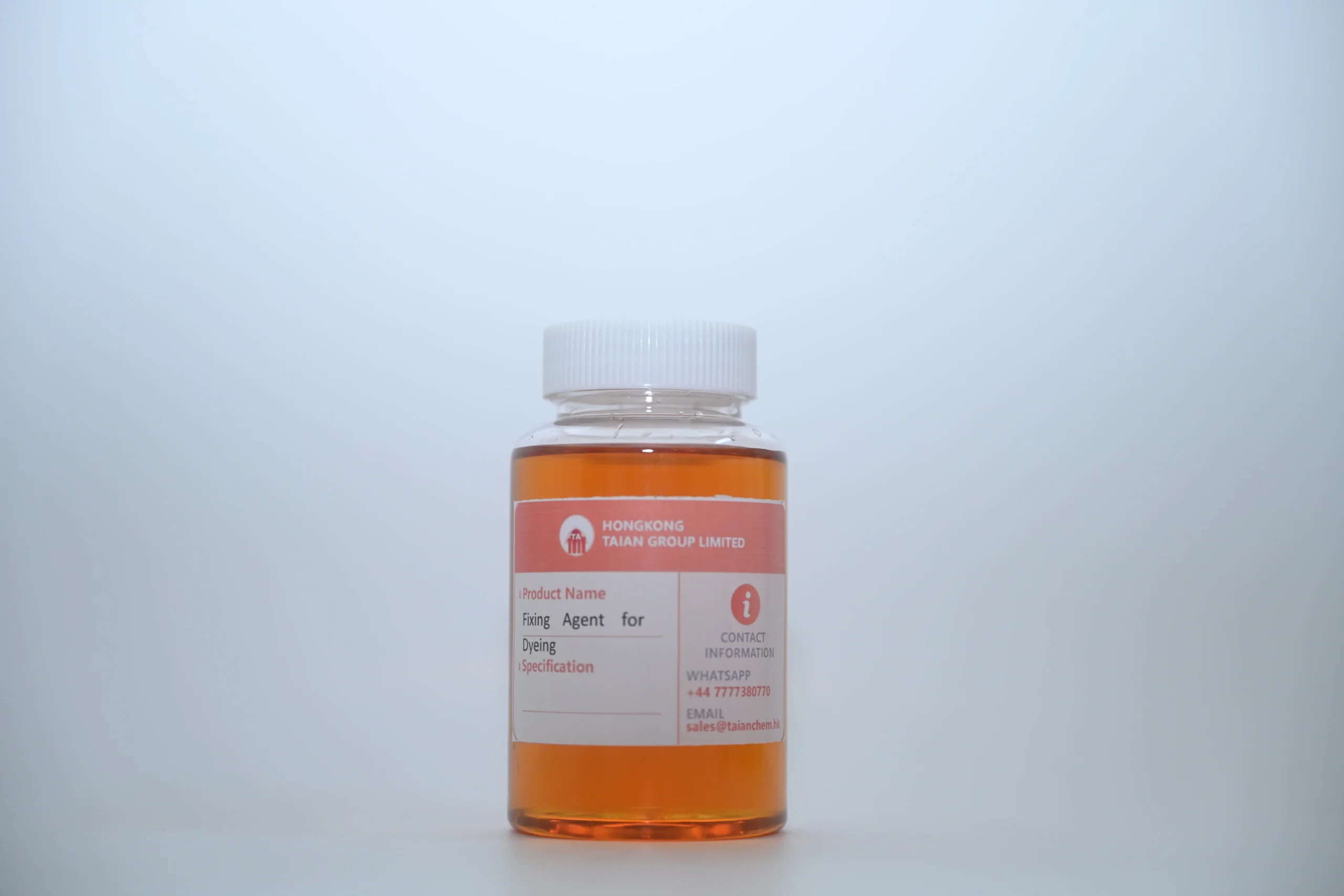
Yes, our specialized fixing agents create a stronger chemical bond between the dye and the fiber, significantly reducing bleeding during repeated industrial washes.

How does sulfur black interact with modern finishing agents?

Sulfur black requires specific reducing conditions. Our compatible finishing agents are designed to maintain the deep black hue without causing oxidation or shade shifting.

Which penetrating agent is most effective for heavy synthetic blends?

We recommend our low-foam, high-wetting penetrating agents that lower surface tension rapidly, ensuring chemicals reach the core of dense synthetic fibers.

Are these chemicals compliant with Canadian environmental laws?

Absolutely. All our products are developed to meet North American environmental standards, focusing on biodegradability and the elimination of hazardous heavy metals.

Ready to Optimize Your Textile Production?

Get expert technical support and customized chemical formulations for your facility in Canada.

Contact Us Now

If you are interested in our products, you can choose to leave your information here, and we will be in touch with you shortly.