High-Performance dye auxiliaries for South African Textile Industry

Optimizing fabric processing with precision chemicals tailored for the diverse climatic and industrial needs of South Africa.

High-Performance dye auxiliaries for South African Textile Industry

Providing a comprehensive range of chemical solutions to enhance color fastness and fabric quality across the South African manufacturing landscape.

Current State of Textile Chemistry in South Africa

Analyzing the synergy between local industrial demands and chemical application.

The South African textile sector faces unique challenges due to varying water hardness levels across regions like Gauteng and KwaZulu-Natal. The demand for high-quality textile auxiliaries chemicals has surged as local manufacturers strive to compete with global imports by improving the hand-feel and durability of fabrics.

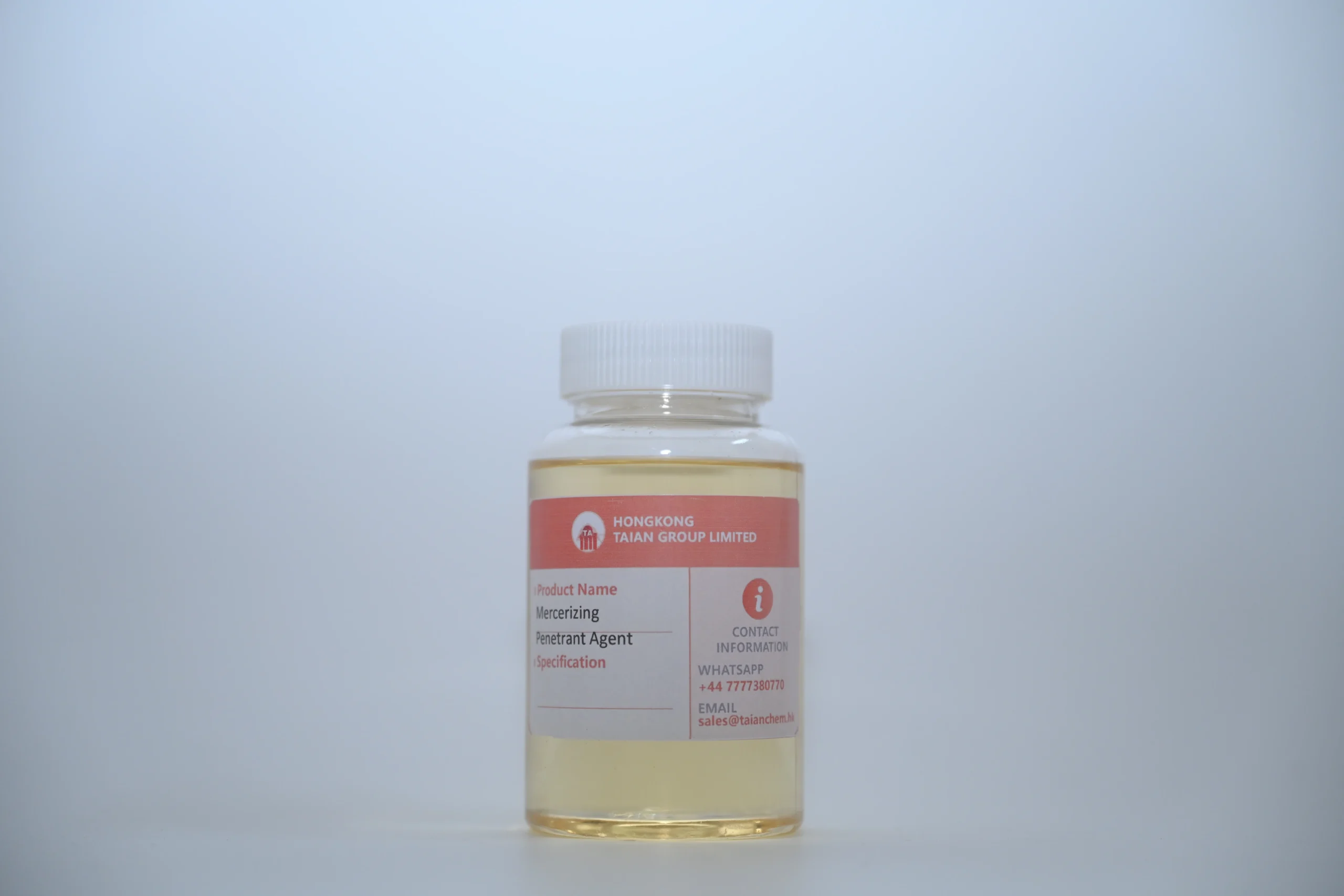
Currently, there is a heavy reliance on specialized penetrating agent solutions to ensure uniform dye uptake in dense cotton and synthetic blends, which are prevalent in the local apparel and home textile markets. Environmental regulations in South Africa are also pushing factories toward biodegradable chemical alternatives.

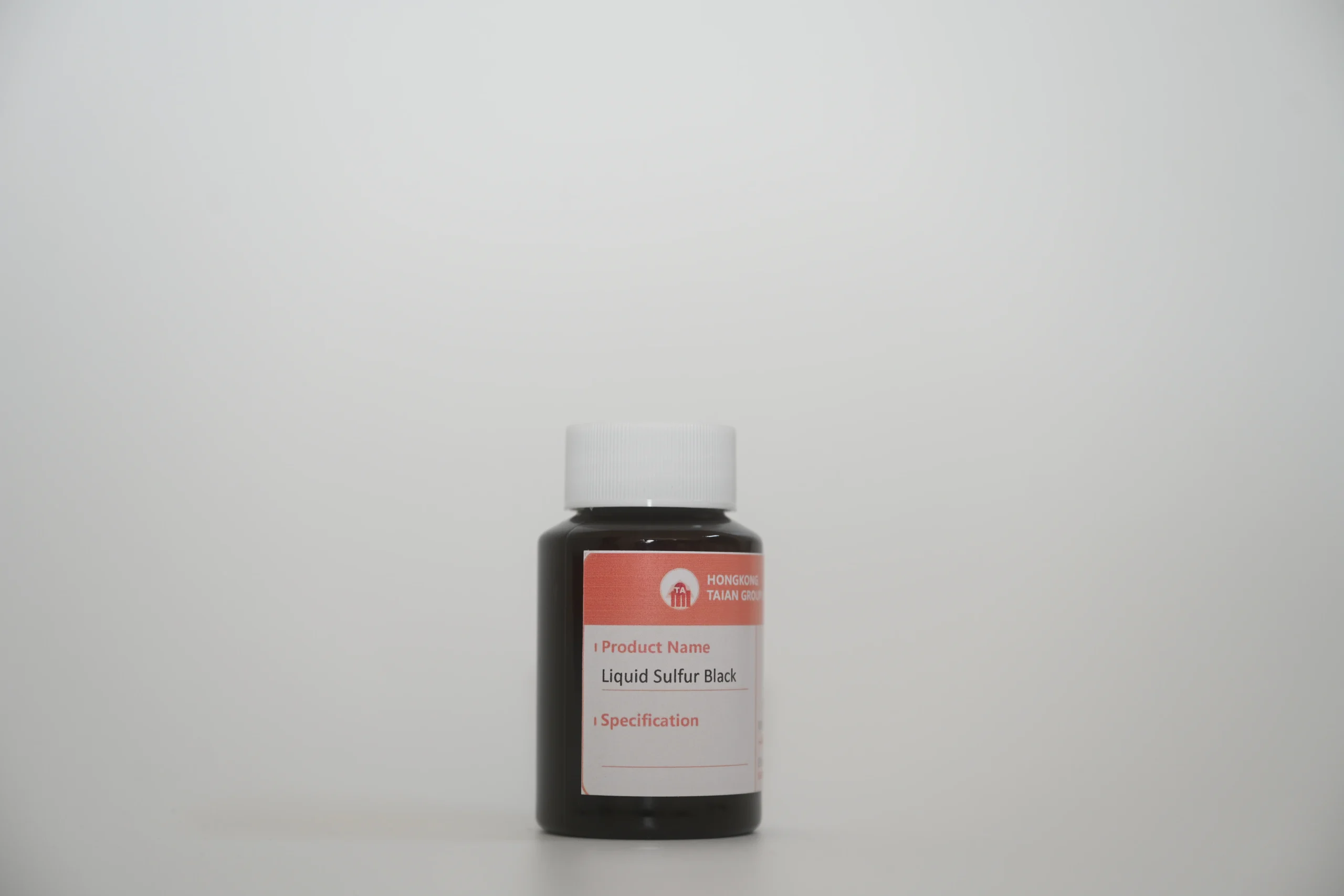
Moreover, the application of sulfur black remains critical for the production of dark-shaded industrial workwear and denim, necessitating precise control agents to prevent bleeding and ensure deep, consistent shades despite the high ambient temperatures of the region.
Evolution and Technical Trajectory

From traditional dyeing methods to sustainable chemical engineering.

Market Development History

In the early 2000s, the South African industry relied heavily on basic alkaline salts and generic soaps. The focus was primarily on volume rather than precision, leading to high water consumption and inconsistent color yields.

Between 2010 and 2020, a shift occurred toward specialized oxidizing agent reducing agent systems. This transition allowed for more sophisticated reduction clearing and bleaching processes, significantly improving the brightness of whites and the purity of deep colors.

From 2021 to the present, the integration of digital dosing and eco-friendly auxiliaries has become the standard. The industry has evolved from simple batch processing to highly controlled, automated chemical applications that minimize waste.

Future Development Trends

Waterless Dyeing Technology

Driven by South Africa's recurring water scarcity, the trend is moving toward CO2 dyeing and low-liquor ratio chemicals to reduce environmental footprints.

Bio-Based Auxiliaries

Replacing petroleum-based surfactants with plant-derived alternatives to meet the growing "Green Textile" demand in the Southern African Development Community (SADC).

Nano-Catalytic Agents

Integrating nanotechnology into finishing agents to provide antimicrobial and hydrophobic properties to technical textiles used in the mining and medical sectors.

Industry Outlook and Future Prospects

Navigating the next wave of textile chemical innovation.

Sustainable Chemistry
Increasing adoption of ZDHC compliant chemicals to eliminate hazardous substances from the supply chain.
Smart Dosing Systems
Implementing IoT-based chemical delivery to reduce waste and ensure batch-to-batch consistency.
Functional Finishing
Developing textiles with UV protection and moisture-wicking properties for the African climate.
Circular Economy
Developing chemicals that facilitate the recycling of blended fabrics, reducing landfill waste.

Industry Outlook

Google Search trends indicate a rising interest in "sustainable textile dyes" and "eco-friendly auxiliaries" within the African region. This suggests that manufacturers are shifting from cost-only models to value-driven, sustainable production to enter European and American export markets.

The convergence of chemical precision and environmental responsibility will define the leaders of the South African textile industry. Companies investing in high-efficiency agents will see a significant reduction in operational costs and a decrease in effluent treatment expenses.

Local Application Scenarios in South Africa

Practical implementation of textile chemicals across regional industries.

1. Industrial Workwear Production in Johannesburg

Applying sulfur black with specialized fixing agents to create durable, fade-resistant uniforms for the mining sector, ensuring stability against harsh chemicals and abrasion.

2. Luxury Linen Processing in Western Cape

Utilizing high-grade penetrating agent to ensure deep and uniform penetration of dyes in high-thread-count linens, catering to the hospitality and tourism industry.

3. Cotton Apparel Manufacturing in Durban

Integrating dye auxiliaries to optimize the dyeing process of local cotton, reducing the number of re-dyeing cycles and improving color yield.

4. Denim Finishing for Urban Fashion

Using precise oxidizing agent reducing agent cycles to achieve the specific "vintage" washed look demanded by the South African youth fashion market.

5. Technical Textile Coating for Agriculture

Implementing specialized textile auxiliaries chemicals to create UV-resistant and waterproof covers for agricultural use in the arid regions of the Northern Cape.

Brand Story

Global Development Journey of Shijiazhuang Taikun Chemical Co., Ltd.

Foundation and Local Expertise

Started as a specialized lab focused on solving core dyeing instabilities, establishing a reputation for technical precision in textile chemistry.

R&D Breakthroughs

Developed a series of high-efficiency auxiliaries that reduced water consumption by 20%, setting a new benchmark for industrial sustainability.

Global Market Expansion

Extended operations to Africa, specifically South Africa, adapting chemical formulas to suit local water conditions and fabric types.

Certification and Quality

Achieved international quality certifications, ensuring every batch of chemicals meets the strictest global safety and performance standards.

Vision for the Future

Committed to leading the transition toward carbon-neutral textile chemistry, empowering factories worldwide with green innovation.

Comprehensive Chemical Portfolio for South Africa

A full suite of specialized auxiliaries designed for maximum efficiency in African textile plants.

Common Questions for South African Textile Manufacturers

Expert answers to technical challenges in the local industry.

How to improve the solubility of sulfur black in hard water regions of South Africa?

We recommend using a specialized chelating agent alongside your sulfur black to sequester calcium and magnesium ions, preventing precipitation and ensuring a level dye depth.

Which penetrating agent is most effective for heavy cotton canvases?

For heavy fabrics, a non-ionic low-foaming penetrating agent is ideal. It lowers surface tension rapidly, allowing the dye liquor to penetrate the core of the fiber quickly.

What is the optimal ratio for oxidizing agent reducing agent in reduction clearing?

The ratio depends on the dye class, but typically, a strong reducing agent is used first to strip unfixed dye, followed by a mild oxidizing agent to restore the fabric's original shade.

How do dye auxiliaries impact the color fastness of synthetic blends?

Advanced auxiliaries act as leveling agents and fixatives, creating a stronger chemical bond between the dye molecule and the synthetic fiber, which prevents bleeding during washing.

Are your textile auxiliaries chemicals compliant with South African environmental laws?

Yes, our products are developed to meet both local regulations and international ZDHC standards, ensuring minimal impact on local water systems.

Can these chemicals be used in small-scale artisanal textile workshops?

Absolutely. Our chemicals are designed for versatility and can be scaled from industrial vats to small-batch dyeing processes without losing efficacy.

Ready to Optimize Your Production?

Our technical team is ready to provide customized chemical solutions for your facility in South Africa.

Contact Us Now

If you are interested in our products, you can choose to leave your information here, and we will be in touch with you shortly.