
Premium dye auxiliaries Solutions for Rwanda's Textile Growth

Empowering Rwanda's textile manufacturers with high-performance chemical agents to achieve international quality standards and sustainable production.

Premium dye auxiliaries Solutions for Rwanda's Textile Growth

We provide a comprehensive range of specialized chemical agents tailored for the Rwandan textile market, focusing on efficiency, color fastness, and eco-friendly processing.

The Current State of Textile Chemical Application in Rwanda

Analyzing the intersection of Rwanda's industrial ambitions and chemical requirements.

Rwanda is currently witnessing a strategic shift toward domestic garment production to reduce import dependency. However, the local industry often struggles with inconsistent fabric quality due to the suboptimal use of textile auxiliaries chemicals, which are essential for stabilizing dyes on varied fabric substrates.

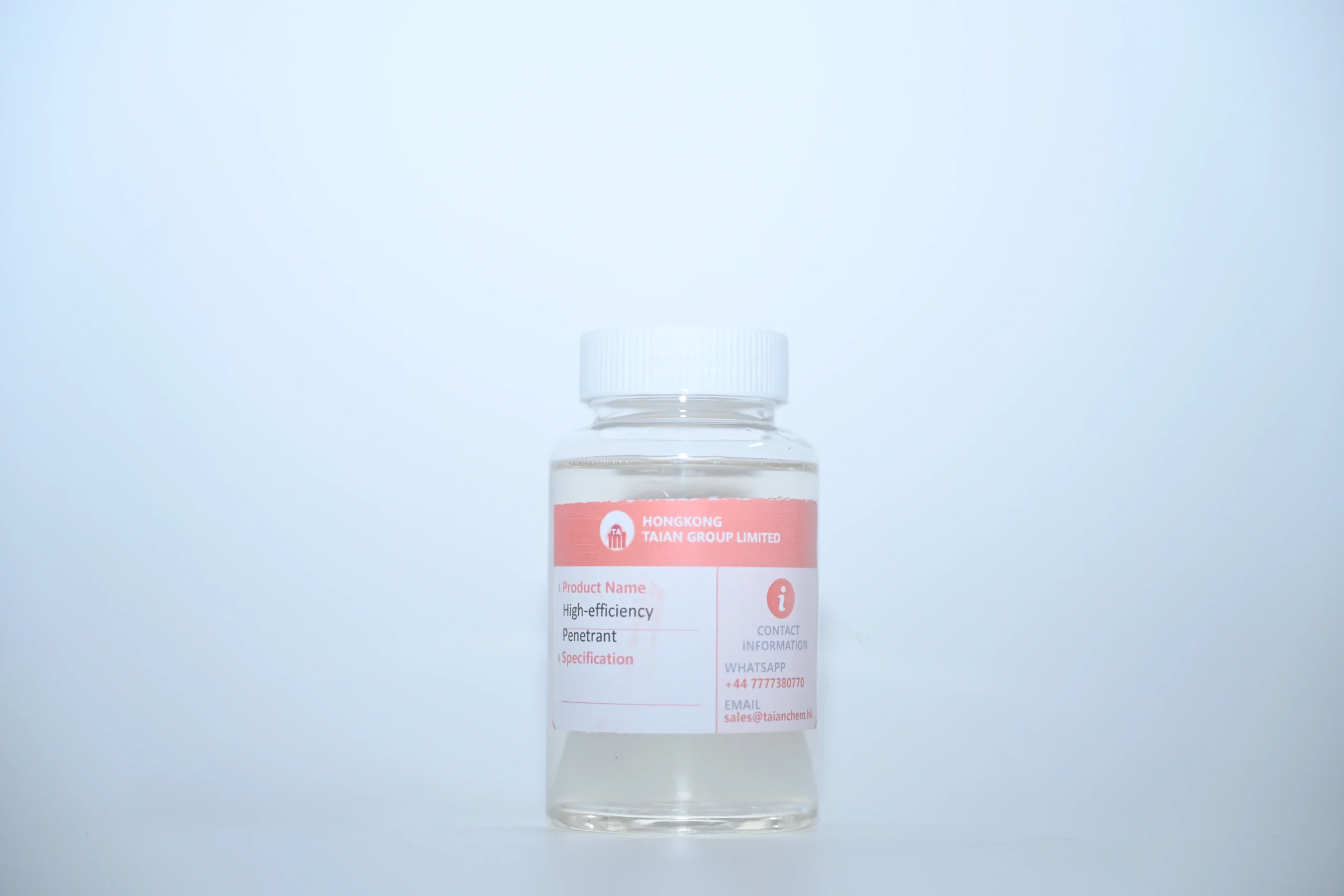
The humid subtropical climate of Rwanda's highlands influences the drying and curing processes of textiles. This makes the selection of an effective penetrating agent critical to ensure that chemicals evenly distribute through the fibers, preventing unsightly streaks and uneven coloring in high-volume production.

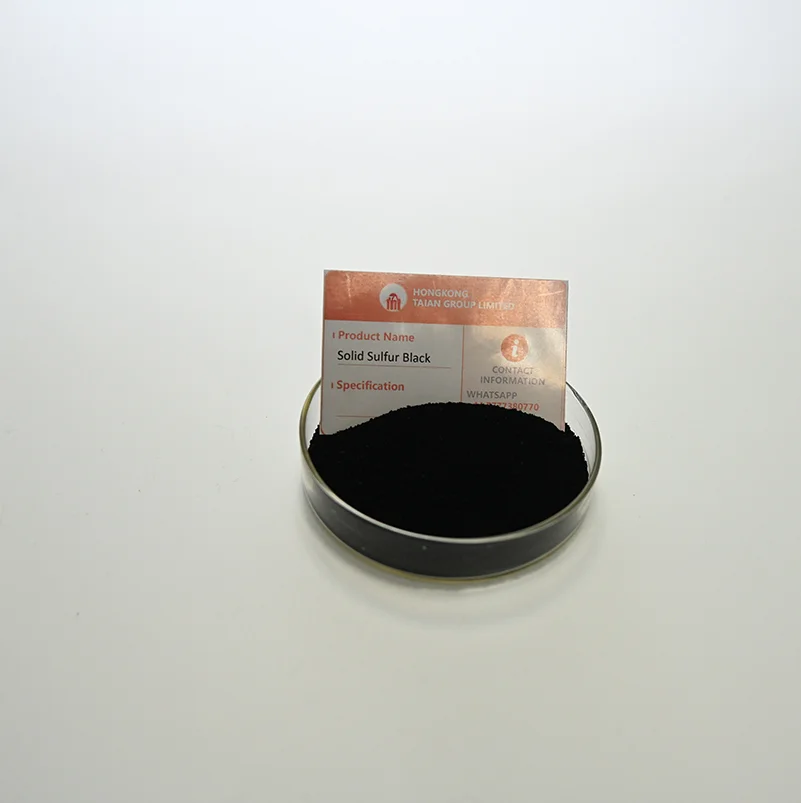
Furthermore, there is a growing demand for deep, durable shades in the local fashion and uniform sector. The reliance on traditional methods for applying sulfur black dyes has created a need for more sophisticated reducing agents to ensure the dye is fully soluble and the final black hue is consistent across batches.
Evolution of Textile Chemistry in the Rwandan Market

From basic dyeing to precision chemical engineering.

Market Development History

In the early 2000s, Rwanda's textile sector relied primarily on basic salts and soap-based processes. The chemistry was rudimentary, focusing on simple color adhesion without the use of advanced stabilizers or specialized agents.

Between 2010 and 2020, the introduction of imported synthetic dyes led to the adoption of specific oxidizing agent reducing agent pairs. This allowed factories to process more complex fabrics, though the lack of local technical support often led to chemical waste.

Since 2021, the "Made in Rwanda" policy has pushed the industry toward professional-grade auxiliaries. There is now a transition toward high-concentration, low-waste chemicals that align with global sustainability standards (ZDHC), reducing the environmental impact on local waterways.

Future Development Trends

Bio-based Auxiliaries

Integrating organic-sourced surfactants to replace petroleum-based chemicals, reducing toxicity in Rwanda's textile effluent.

Digital Dyeing Precision

The shift toward automated dosing systems where chemicals are precisely measured to eliminate human error and maximize dye uptake.

Closed-loop Chemical Recovery

Implementation of technologies that allow the recovery and reuse of reducing agents, lowering the cost per meter of fabric produced.

Future Trends & Strategic Outlook for Rwanda's Textile Chemicals

Predicting the technological trajectory of the next 3-5 years.

Eco-Friendly Synthesis
Moving toward biodegradable agents that comply with strict Rwandan environmental regulations.
Smart Dyeing Agents
Development of temperature-sensitive auxiliaries that optimize dye absorption automatically.
Water-Saving Chemistry
Low-liquor ratio auxiliaries designed to reduce water consumption in Rwandan mills.
High-Fastness Fixatives
Next-gen fixing agents to ensure colors resist the intense African sunlight.

Industry Outlook

Based on current search trends in East Africa, there is a surge in queries regarding "sustainable textile processing." We anticipate that Rwandan factories will move away from bulk generic chemicals toward specialized formulations that offer higher efficiency at lower dosages.

The integration of chemical expertise with local fabric types (such as cotton and blended synthetics) will be the key differentiator for manufacturers. The future lies in the synergy between precision chemistry and green energy.

Localized Application Scenarios in Rwanda

Practical implementations of textile auxiliaries in Rwandan production lines.

1. Uniform Production for Public Services

Applying high-grade sulfur black with optimized reducing agents to create deep, non-fading black uniforms for government and security sectors, ensuring durability under heavy use.

2. Local Cotton Fabric Pre-treatment

Using a high-efficiency penetrating agent to prepare raw Rwandan cotton, ensuring that subsequent dyes penetrate deep into the core of the fiber for uniform coloration.

3. High-Fashion Apparel Dyeing

Utilizing specialized dye auxiliaries to achieve vibrant, trending colors for Kigali's growing fashion industry, maintaining color consistency across different fabric batches.

4. Industrial Workwear Weatherproofing

Combining stabilizing agents with textile chemicals to create water-resistant and durable workwear suited for Rwanda's agricultural and construction sectors.

5. Eco-Friendly Home Textile Finishing

Implementing low-impact textile auxiliaries chemicals for the production of bedsheets and curtains, meeting the demand for hypoallergenic and skin-friendly home textiles.

Brand Story

Global Development Journey of Shijiazhuang Taikun Chemical Co., Ltd.

Founding and Specialization

Started with a vision to solve the inconsistency of dye fixation, focusing on the R&D of high-purity textile auxiliaries.

Technological Breakthroughs

Developed proprietary formulas for oxidizing and reducing agents that significantly reduced water consumption in the dyeing process.

Global Market Expansion

Expanded operations into Africa, providing customized chemical solutions for emerging textile hubs in Rwanda and beyond.

Sustainability Certification

Achieved international environmental standards, ensuring all products are safe for workers and the ecosystem.

Future Vision

Aiming to be the primary partner for African textile industrialization through innovation and technical empowerment.

Comprehensive Product Portfolio for the Rwanda Textile Market

A one-stop source for all your dyeing and finishing chemical needs.

Common Questions regarding Textile Chemicals in Rwanda

Expert answers to technical challenges faced by local manufacturers.

How to choose the right penetrating agent for Rwandan cotton?

Select an agent based on the weave density of the fabric. For high-density cotton, a low-foaming, high-diffusion agent is recommended to ensure deep penetration and avoid surface streaks.

What is the best ratio for oxidizing agent reducing agent in sulfur dyeing?

The ratio depends on the fabric weight and dye concentration. Generally, a precise balance is required to first reduce the dye for solubility and then oxidize it to fix the color permanently.

Why does sulfur black sometimes appear uneven on fabrics?

Unevenness is often caused by poor solubility or insufficient reduction. Using a high-quality reducing agent and ensuring proper agitation during the dyeing cycle resolves this issue.

Can dye auxiliaries improve the color fastness of locally made garments?

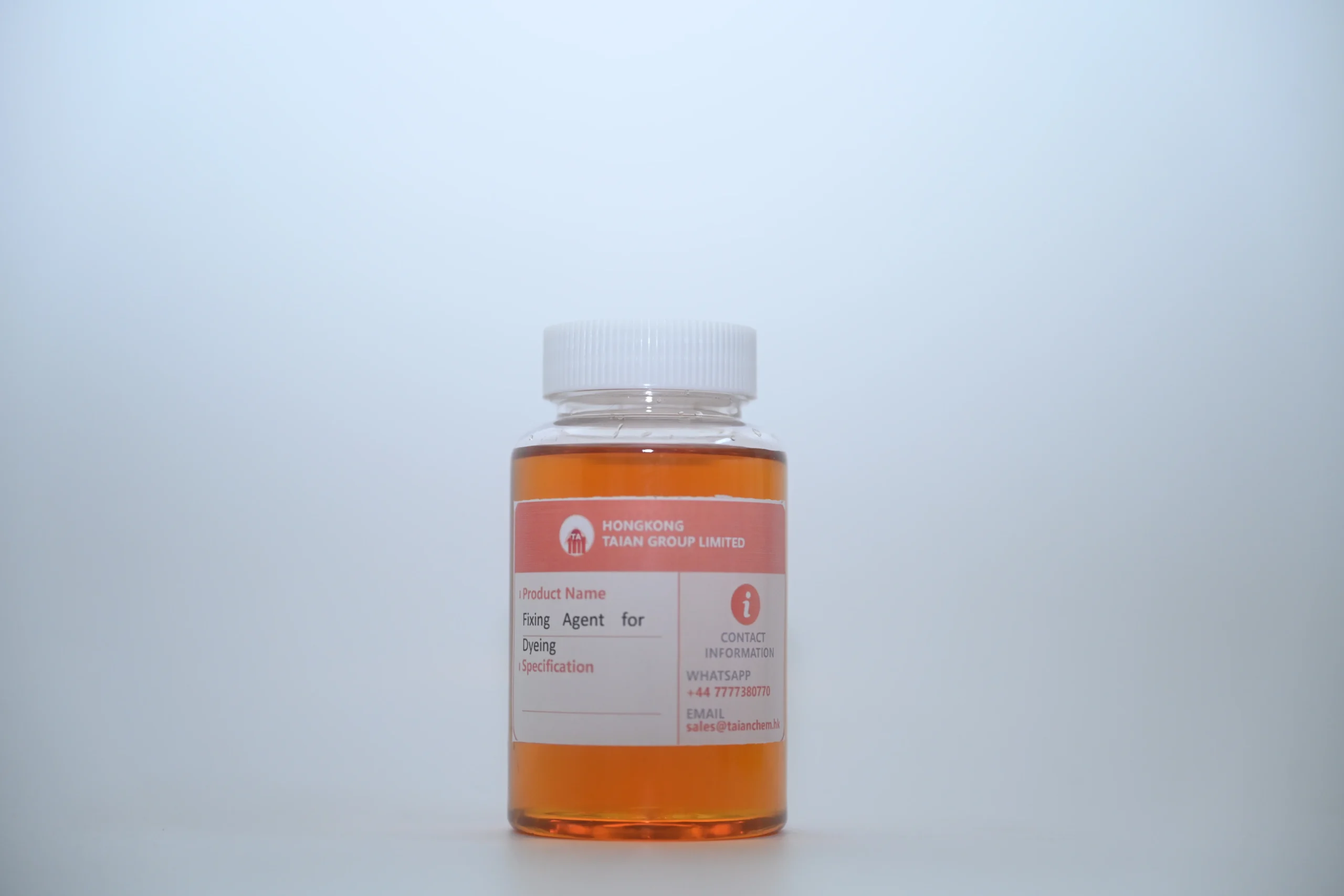
Yes, by using specific fixing agents and stabilizers as part of your dye auxiliaries kit, you can significantly increase resistance to washing and sunlight exposure.

How to reduce water pollution when using textile auxiliaries chemicals?

Switch to biodegradable, APEO-free auxiliaries and implement a controlled neutralization process for your effluent before discharge.

What is the storage requirement for these chemicals in Rwanda's climate?

Store chemicals in a cool, dry, and well-ventilated area. Keep reducing agents away from direct sunlight and moisture to prevent premature degradation.

Get Expert Chemical Consultation

Our technical team is ready to help you optimize your production line in Rwanda. Contact us today for customized formulations.

Contact Us Now

If you are interested in our products, you can choose to leave your information here, and we will be in touch with you shortly.