Advanced dye auxiliaries Solutions for Russian Textile Manufacturing

Optimizing fabric processing efficiency and color consistency across Russia's diverse climatic zones through high-performance chemical engineering.

Advanced dye auxiliaries Solutions for Russian Textile Manufacturing

Integrating cutting-edge chemistry to enhance the dyeing, printing, and finishing processes for the Russian industrial textile sector.

Current State of Textile Chemistry in Russia

Navigating the complexities of industrial chemical applications in Eastern Europe

The Russian textile industry currently faces unique challenges due to extreme temperature fluctuations and the demand for heavy-duty winter fabrics. The reliance on stable textile auxiliaries chemicals is critical to ensure that fabrics maintain their integrity and color fastness despite harsh environmental conditions.

Logistical complexities and the shift toward domestic supply chains have increased the demand for versatile penetrating agent formulations that can operate efficiently in varying water hardness levels common in the Ural and Volga regions.

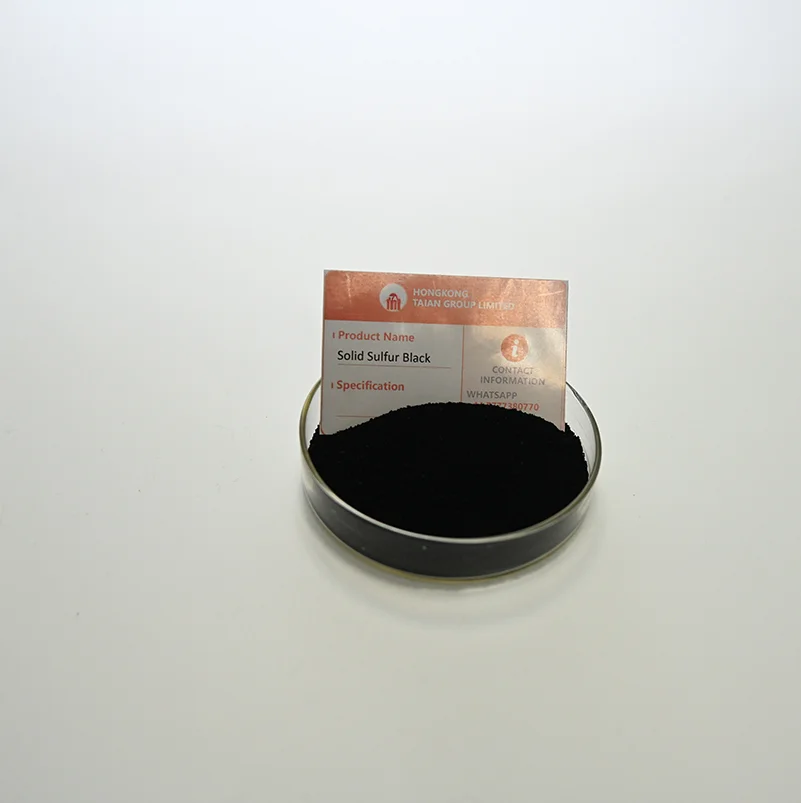
Furthermore, the industry is seeing a transition from traditional heavy-metal based processes to more sustainable chemistry, although the demand for robust dyes like sulfur black remains high for industrial workwear and military textiles.
Evolution of Textile Auxiliary Technology

From traditional bulk processing to precision chemical engineering

Market Development History

During the late 20th century, the Russian textile sector relied heavily on standardized Soviet-era formulations. These were characterized by high chemical loads and basic functionality, focusing primarily on mass production over precision.

Between 2000 and 2015, the integration of European standards led to the adoption of specialized oxidizing agent reducing agent systems, allowing for more controlled bleaching and dyeing cycles, which significantly reduced fabric damage.

From 2016 to the present, the focus has shifted toward "Smart Chemistry," where auxiliaries are engineered at the molecular level to reduce water consumption and energy usage, aligning with global sustainability trends.

Future Development Trends

Bio-based Auxiliary Integration

A transition toward biodegradable surfactants and polymers to meet stricter environmental regulations within the Eurasian Economic Union.

Digital Dyeing Compatibility

Development of chemicals specifically designed for digital inkjet printing, reducing the need for traditional screen-printing auxiliaries.

Low-Temperature Catalysis

Innovation in agents that allow chemical reactions to occur at lower temperatures, reducing the massive energy costs associated with heating water in cold climates.

Industry Trends and Future Outlook

Strategic forecasting for the Russian chemical textile landscape

Eco-Friendly Synthesis
Moving towards zero-discharge chemistry to protect local water basins in the Russian federation.
Resource Optimization
Reducing chemical waste through high-concentration, low-dosage auxiliary formulations.
Precision Application
Integration of AI-driven dosing systems to ensure exact chemical ratios for consistent quality.
Functional Finishing
Expanding auxiliary roles into adding hydrophobic and antimicrobial properties for technical textiles.

Industry Outlook

Looking ahead, the Russian market is expected to pivot toward high-value technical textiles. This will drive a search for more sophisticated textile auxiliaries chemicals that can handle synthetic blends without compromising the structural integrity of the fiber.

Google search trends indicate a growing interest in "Sustainable Dyeing" and "Waterless Finishing" within the region, suggesting that companies adopting green chemistry will gain a significant competitive advantage over the next 3-5 years.

Localized Application Scenarios in Russia

Practical implementations for regional textile challenges

1. Heavy Industrial Workwear Dyeing

Using high-stability sulfur black to produce durable, fade-resistant uniforms for the Siberian mining and oil sectors, ensuring long-term wearability in abrasive environments.

2. Cold-Climate Fabric Pre-treatment

Applying advanced penetrating agent solutions to ensure deep dye penetration in thick wool and synthetic blends used for winter outerwear.

3. Technical Textile Bleaching

Utilizing a balanced oxidizing agent reducing agent system for the precise whitening of medical and sanitary textiles in Moscow's manufacturing hubs.

4. Luxury Silk and Satin Finishing

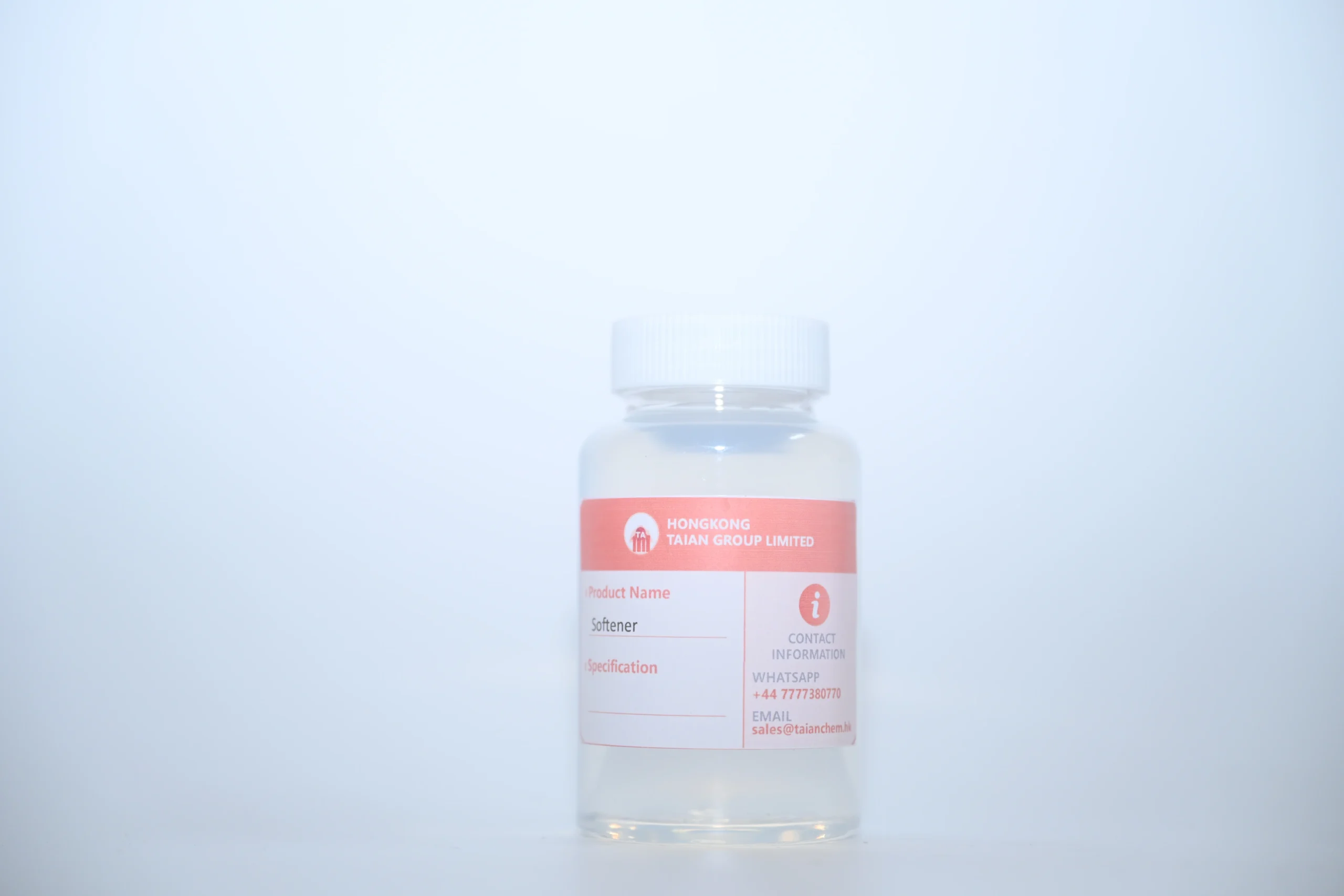
Implementing premium dye auxiliaries for the high-end fashion houses in St. Petersburg to achieve vibrant colors and soft hand-feel.

5. Eco-Textile Production for Export

Employing biodegradable textile auxiliaries chemicals to meet EU organic certifications for Russian linens exported to Western markets.

Brand Story

Global Development Journey of Shijiazhuang Taikun Chemical Co., Ltd.

Foundational Excellence

Established with a vision to revolutionize textile chemistry, we focused on solving the core problem of dye instability in industrial fabrics.

Technological Breakthrough

We pioneered a new series of high-efficiency auxiliaries that reduced water consumption by 20%, setting a new benchmark for the industry.

Global Expansion

Expanding our reach to Europe and Russia, we adapted our formulations to meet the specific needs of diverse climatic and water conditions.

Sustainability Commitment

Launched our Green-Line series, focusing on non-toxic and biodegradable chemistry to protect the global environment.

Future Vision

Striving to become the world leader in precision textile chemistry, empowering manufacturers with smarter, cleaner solutions.

Comprehensive Product Portfolio for the Russian Market

A curated selection of high-performance chemicals for every stage of textile production

Russian Textile Chemistry FAQ

Expert answers to common technical queries in the region

How to maintain the stability of sulfur black in cold-climate dyeing?

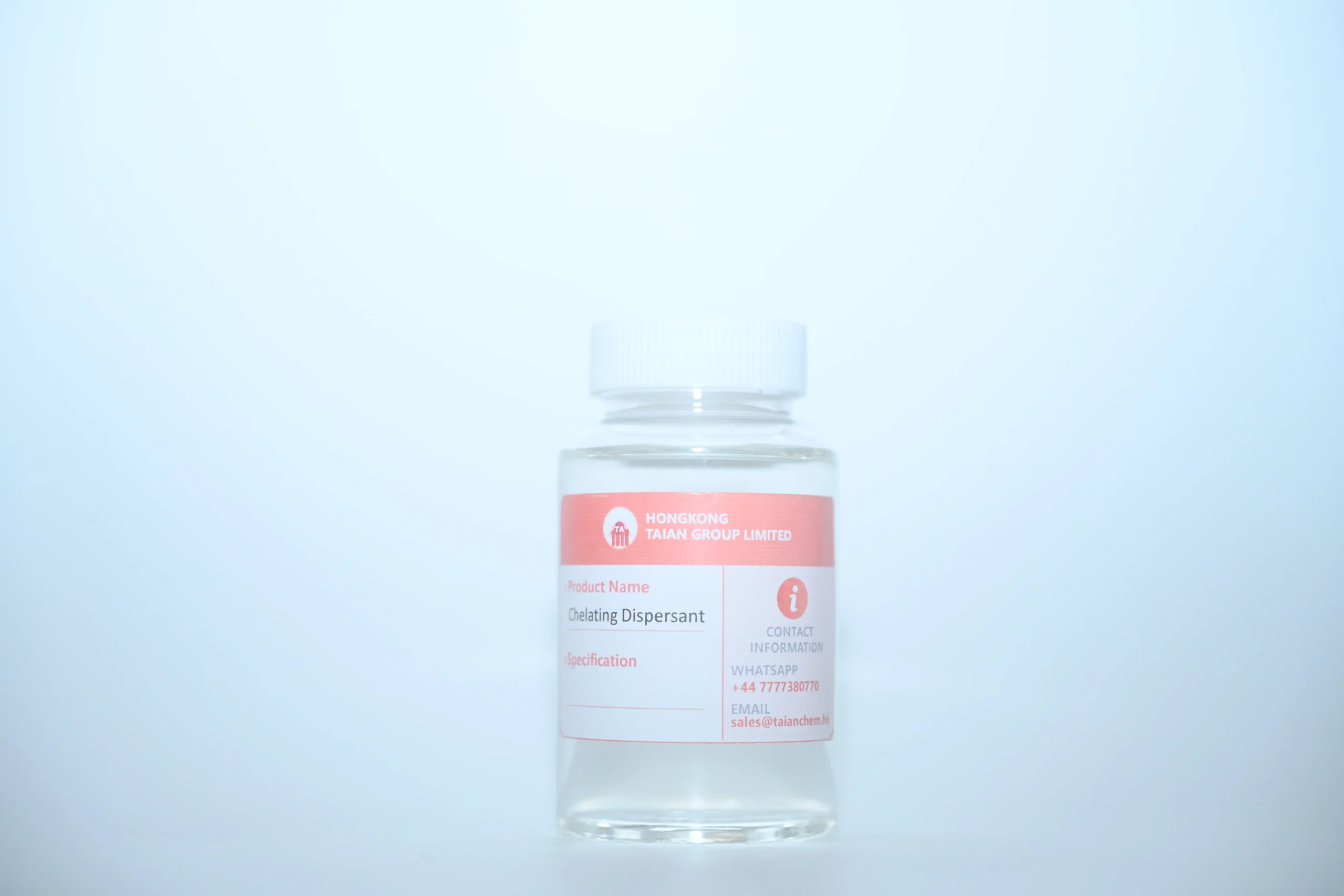
Maintaining stability requires precise temperature control and the use of specialized dispersing agents to prevent agglomeration in cold water baths.

Which penetrating agent is best for high-density winter fabrics?

For heavy fabrics, we recommend a non-ionic penetrating agent with high wetting power that can lower surface tension quickly even at lower temperatures.

What is the role of oxidizing agent reducing agent in fabric preparation?

These agents are used to remove natural impurities and bleach the fabric, creating a clean canvas for subsequent dyeing processes.

Can textile auxiliaries chemicals be adapted for recycled polyester?

Yes, our modern auxiliary range is specifically engineered to handle the varying crystallinity of recycled fibers to ensure uniform color.

How do dye auxiliaries improve color fastness in industrial textiles?

They act as fixing agents and leveling agents that ensure the dye molecules are deeply and evenly bonded to the fiber.

What are the environmental regulations for chemical use in Russia?

Russia follows GOST and increasingly aligns with international REACH standards to limit hazardous substances in textile effluent.

Partner with Textile Experts

Ready to optimize your textile production in Russia? Our technical team is here to provide customized chemical solutions for your specific needs.

Contact Us Now

If you are interested in our products, you can choose to leave your information here, and we will be in touch with you shortly.