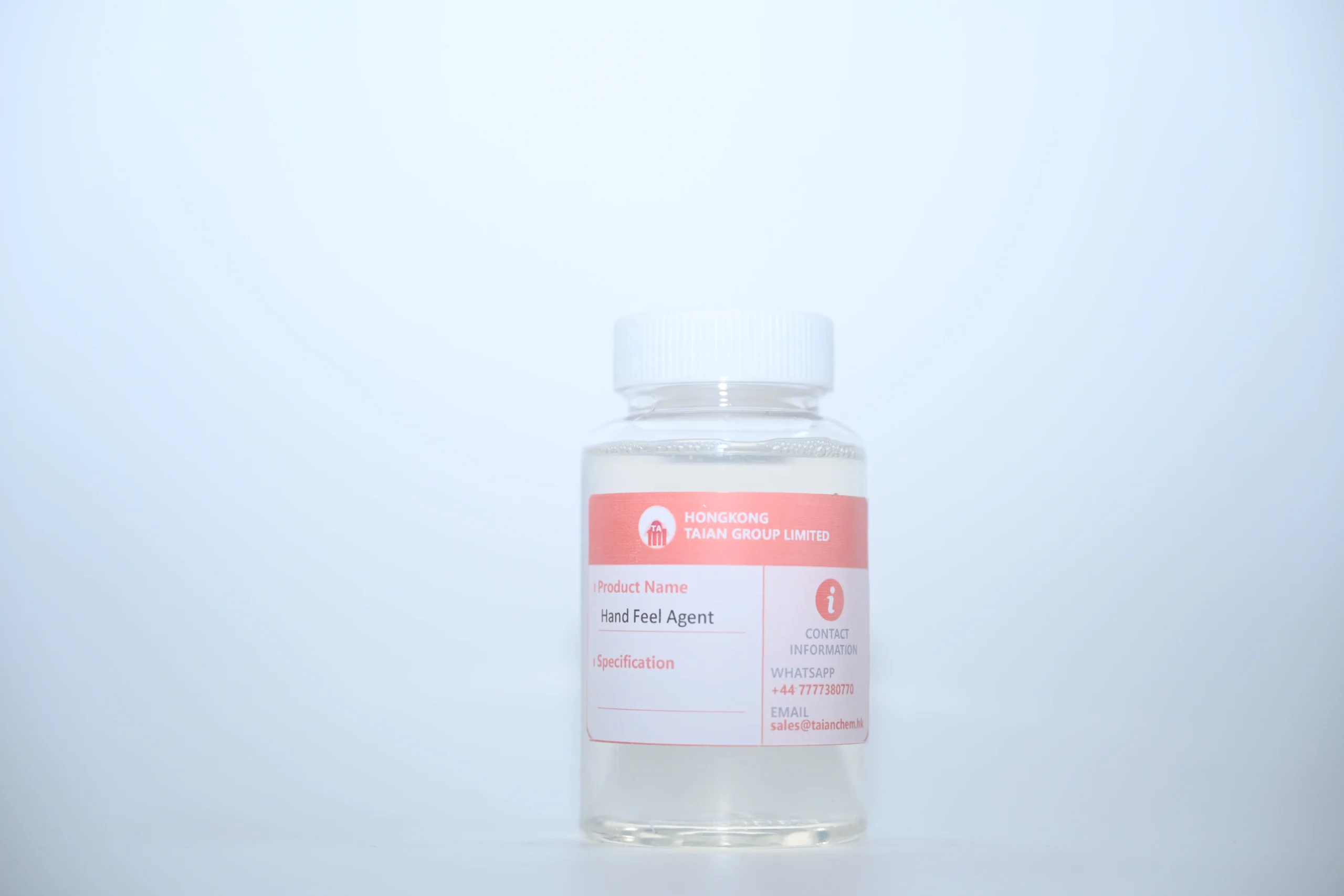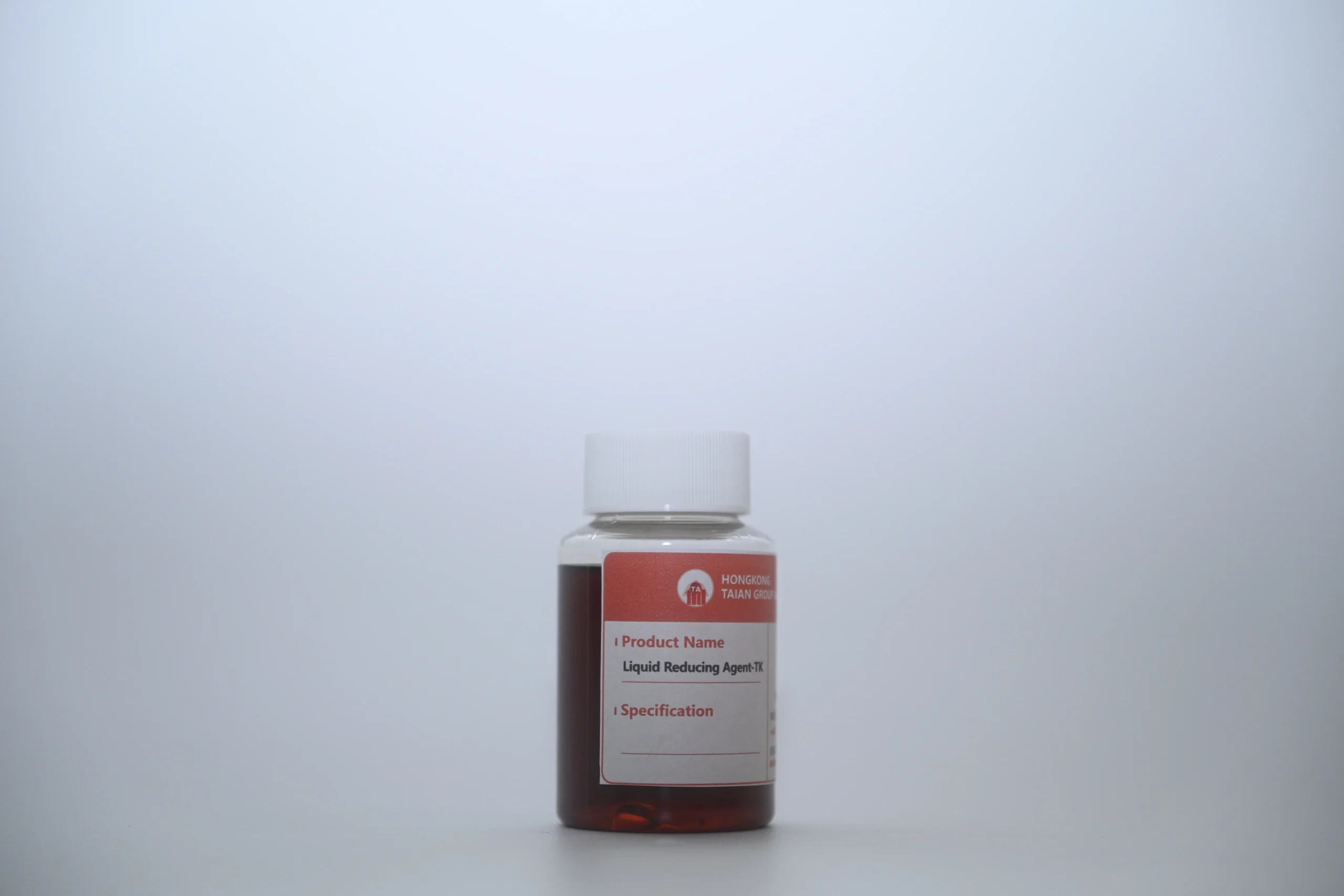
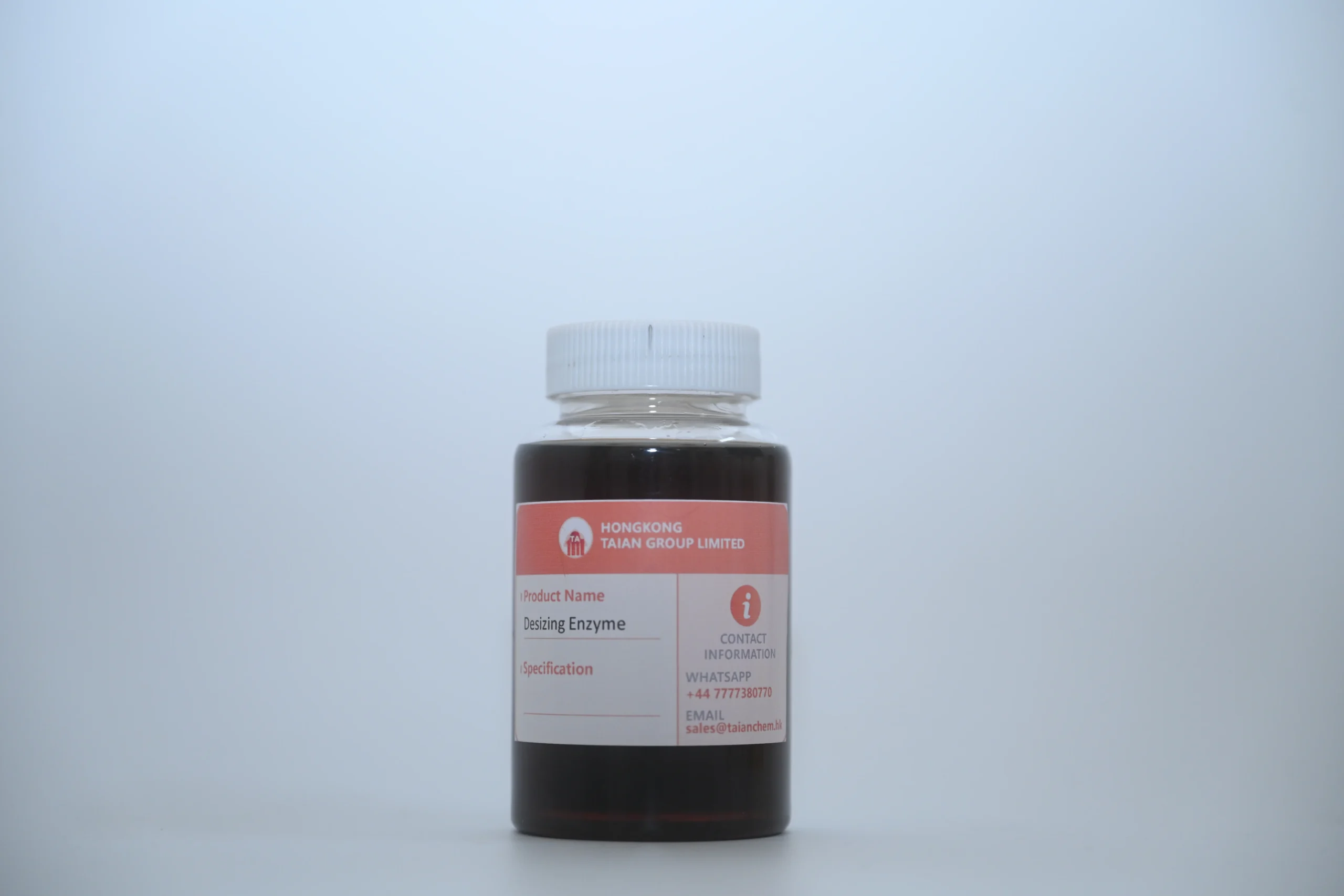
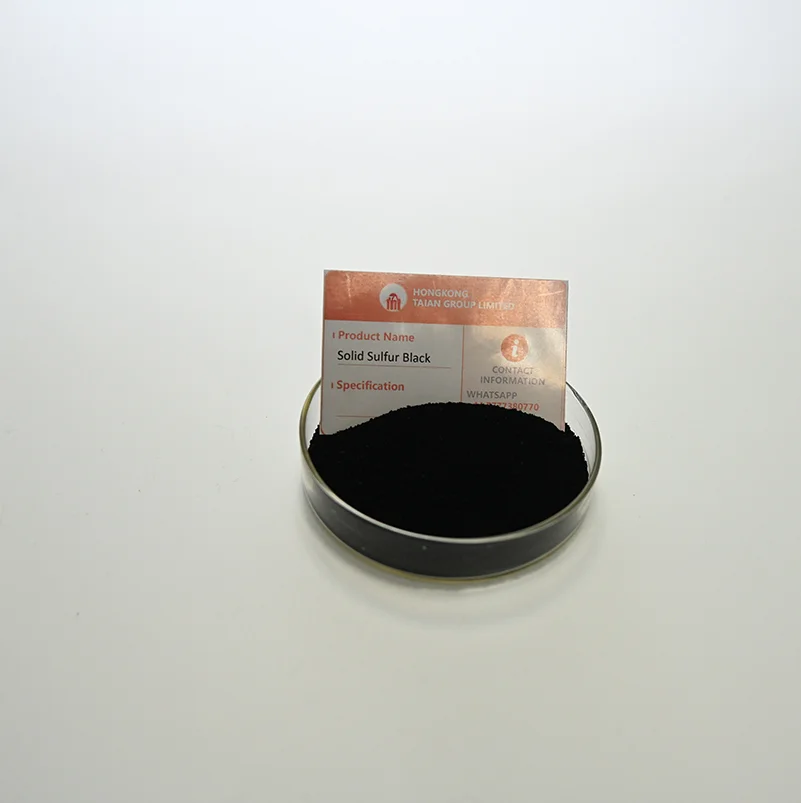
Advanced dye auxiliaries Solutions for Romania's Textile Industry

Optimizing textile processing in Eastern Europe with high-performance chemical agents for superior color fastness and fabric quality.

Advanced dye auxiliaries Solutions for Romania's Textile Industry

Providing the Romanian textile sector with cutting-edge chemical formulations to enhance dyeing efficiency and reduce environmental impact.

Current Landscape of Textile Chemicals in Romania

Analyzing the operational challenges and chemical demands of the Romanian manufacturing hub.

The Romanian textile industry is currently navigating a transition toward EU-compliant sustainability standards. With a strong legacy in garment production, local factories are increasingly demanding high-purity textile auxiliaries chemicals to replace legacy formulations that no longer meet REACH regulations.

Due to the temperate-continental climate of Romania, moisture control during the dyeing process is critical. The integration of advanced penetrating agent solutions has become essential for factories in regions like Cluj and Iași to ensure uniform dye uptake across various fabric densities.

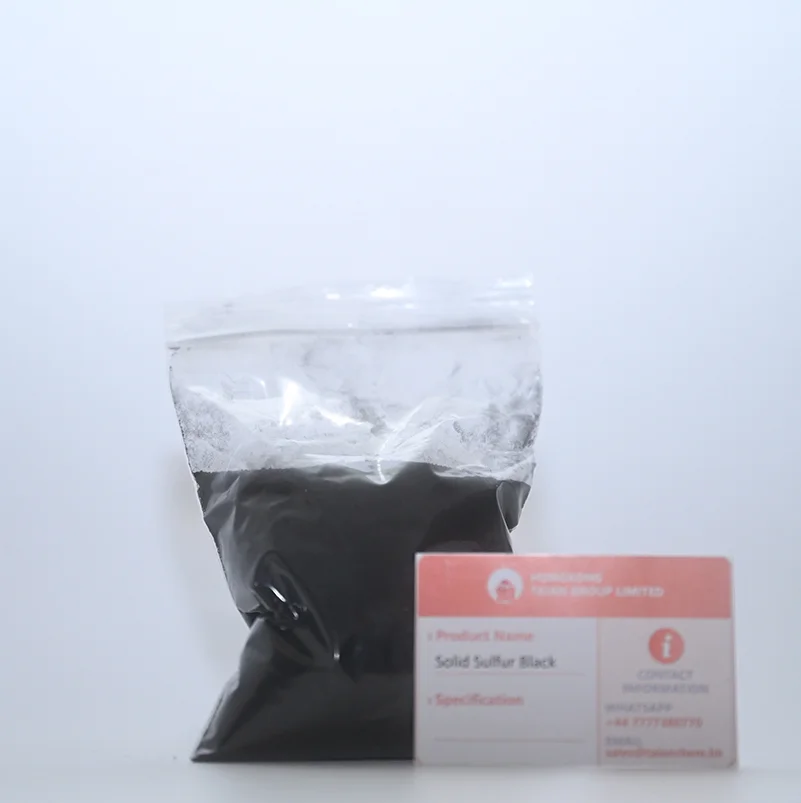
Furthermore, the resurgence of specialized denim and dark-shade garment production has led to a renewed demand for stable sulfur black dyes and accompanying stabilization chemicals to maintain consistent depth of shade across mass production batches.
Evolution and Technical Trajectory of Dyeing Agents

From traditional chemical baths to precision-engineered molecular auxiliaries.

Market Development History

During the late 20th century, Romania's textile chemical sector relied heavily on basic inorganic salts and crude surfactants. The focus was primarily on volume and basic color attachment rather than fabric feel or ecological footprint.

By the 2010s, the shift toward organic synthesis introduced more precise oxidizing agent reducing agent pairs, allowing for better control over vat dyeing and sulfur dyeing processes, reducing the waste generated per ton of fabric.

In the current era (2020-present), the industry has evolved toward "Smart Chemistry," where auxiliaries are designed to work at lower temperatures and pH levels, significantly reducing the energy consumption of Romanian textile mills.

Future Development Trends

Bio-based Surfactants

Moving away from petroleum-derived agents toward biodegradable alternatives that maintain the high efficacy of a traditional penetrating agent.

Digital Dyeing Integration

Developing chemical formulations specifically optimized for inkjet and digital textile printing, reducing water usage by up to 90%.

Closed-Loop Chemical Recovery

Implementing advanced filtering and neutralizing agents that allow the recovery of unused dyes and auxiliaries from the effluent stream.

Industry Trends and Strategic Outlook

Predicting the next 5 years of textile chemical innovation in the European market.

Zero-Discharge Chemistry
Shift toward chemicals that decompose naturally or can be fully recovered from textile wastewater.
Low-Temperature Processing
Development of auxiliaries that trigger reactions at 40°C instead of 80°C to cut energy costs.
Nano-Encapsulation
Using nano-carriers to deliver active chemical agents precisely to the fiber core.
AI-Driven Formulation
Predictive modeling to adjust chemical ratios based on real-time fabric humidity and pH.

Industry Outlook

Based on Google search trends for "sustainable textile chemistry" in Europe, there is a clear pivot toward green chemistry. Romanian manufacturers are expected to integrate more enzyme-based auxiliaries to replace harsh caustic agents.

The strategic focus will shift from mere cost-reduction to "value-added processing," where the use of specialty chemicals creates functional fabrics (anti-microbial, UV-resistant) for the high-end EU fashion market.

Localized Application Scenarios in Romania

Real-world integration of specialized textile chemicals in Romanian production lines.

1. Denim Finishing in Brașov Hubs

Utilizing sulfur black combined with high-efficiency reducing agents to achieve deep, consistent blacks in heavy-duty denim while ensuring zero seepage.

2. Luxury Silk Processing in Cluj-Napoca

Application of ultra-low surface tension penetrating agents to ensure seamless dye penetration in delicate silk fibers without compromising fabric luster.

3. Industrial Workwear Dyeing in Timișoara

Employing heavy-duty oxidizing agent reducing agent systems to ensure color fastness for uniforms exposed to harsh industrial environments.

4. Home Textile Manufacturing in Bucharest

Integrating a comprehensive suite of dye auxiliaries to produce high-brightness white and pastel linens that meet strict EU hypoallergenic standards.

5. Technical Textile Coating in Pitești

Using specialized textile auxiliaries chemicals to modify fiber surface energy, allowing for the application of waterproof and fire-retardant coatings.

Brand Story

Global Development Journey of Shijiazhuang Taikun Chemical Co., Ltd.

Founding Vision

Established with a mission to bridge the gap between complex chemical synthesis and practical textile application, solving the core pain point of inconsistent dye uptake.

R&D Breakthrough

Perfected the stability of sulfur-based dyes, creating a standard for deep-shade consistency that became a benchmark for industrial textile mills worldwide.

European Expansion

Tailored our chemical portfolios to meet the stringent REACH and OEKO-TEX standards, facilitating our entry into the competitive Romanian and EU markets.

Sustainability Pivot

Launched a series of biodegradable auxiliaries, reducing the chemical oxygen demand (COD) in textile wastewater for our global partners.

Industry Leadership

Now recognized as a leading provider of specialty textile chemicals, empowering manufacturers to achieve a balance of quality, cost, and ecology.

Complete Chemical Portfolio for the Romanian Market

A comprehensive range of textile agents designed for maximum efficiency and regulatory compliance.

Textile Chemical FAQs for Romania

Expert answers to the most common technical queries from local textile manufacturers.

How to optimize sulfur black dyeing for high-density cotton?

For high-density fabrics, we recommend using a high-performance penetrating agent prior to the dyeing cycle to ensure the sulfur black molecules reach the core of the fiber, preventing "ring dyeing."

What is the best oxidizing agent reducing agent ratio for vat dyes?

The ratio depends on the dye concentration and fabric type, but maintaining a stable redox potential via calibrated reducing agents is key to preventing premature oxidation.

Are your textile auxiliaries chemicals REACH compliant?

Yes, all products exported to Romania are formulated to meet European REACH regulations, ensuring they are free from banned hazardous substances.

How can I reduce water consumption using dye auxiliaries?

By using concentrated, high-affinity dye auxiliaries, you can reduce the number of rinsing cycles required to remove unfixed dyes, significantly cutting water usage.

Which penetrating agent works best for synthetic blends?

For poly-cotton blends common in Romanian workwear, we recommend non-ionic penetrating agents that provide balanced wetting for both hydrophobic and hydrophilic fibers.

How to prevent color spotting during the oxidation phase?

Ensure a gradual introduction of the oxidizing agent and maintain constant agitation to prevent localized high concentrations of chemicals on the fabric surface.

Get Expert Technical Support

Our specialists are ready to help you optimize your production line with premium chemicals in Romania.

Contact Us Now

If you are interested in our products, you can choose to leave your information here, and we will be in touch with you shortly.