Advanced dye auxiliaries Solutions for Myanmar's Textile Industry

Enhancing fabric quality and processing efficiency through high-performance chemical innovations tailored for the Southeast Asian market.

Advanced dye auxiliaries Solutions for Myanmar's Textile Industry

Providing professional-grade chemical agents to optimize the dyeing and finishing processes for Myanmar's growing garment export sector.

Current State of Chemical Processing in Myanmar

Analyzing the intersection of local manufacturing capacity and chemical requirements.

Myanmar's textile sector is currently characterized by a rapid transition towards high-volume garment exports. However, the local reliance on imported textile auxiliaries chemicals remains high due to the limited domestic production of specialized chemical agents.

The tropical climate of Myanmar, marked by high humidity, significantly affects the stability of chemical baths. This creates a critical need for high-stability penetrating agent formulations that can ensure uniform dye uptake despite varying atmospheric conditions.

Furthermore, as international brands demand stricter environmental compliance, Myanmar's factories are shifting away from hazardous substances toward eco-friendly oxidizing agent reducing agent systems to reduce wastewater toxicity in industrial zones.
Evolution and Technical Trajectory of Dyeing Chemicals

From traditional batch processing to automated precision chemistry.

Market Development History

In the early 2000s, the Myanmar textile market relied heavily on basic commodity chemicals and rudimentary salts for fixing, with limited precision in color matching.

Between 2010 and 2020, the introduction of specialized sulfur black dyes revolutionized the denim and heavy-fabric sectors, allowing for deeper shades and better fastness properties.

From 2021 onwards, the industry has entered the "Precision Era," where synergistic blends of auxiliaries are used to reduce water consumption and energy costs during the dyeing cycle.

Future Development Trends

Bio-based Auxiliaries

The shift towards biodegradable chemical structures to meet global ZDHC (Zero Discharge of Hazardous Chemicals) standards.

Digital Dosing Systems

Integration of automated chemical dispensing to eliminate human error in the ratio of auxiliaries to fabric.

Low-Temperature Processing

Development of catalysts that allow dyeing at lower temperatures, significantly reducing the carbon footprint of Myanmar's factories.

Industry Trends and Future Outlook

Strategic forecasts for the chemical manufacturing landscape in Southeast Asia.

Eco-Certification Drive
Rapid adoption of OEKO-TEX and GOTS certified chemicals to enter EU markets.
Water-Saving Chemistry
Shift toward low-liquor ratio auxiliaries to reduce water consumption per kg of fabric.
Smart Polymerization
Utilization of smart polymers for precise control of dye migration and fixation.
Circular Economy
Chemical recovery systems that allow the reuse of reducing agents in the dye house.

Industry Outlook

Google search trends indicate a rising interest in "sustainable textile chemicals" within the Asia-Pacific region. This suggests that Myanmar's industry will move toward high-efficiency, low-impact chemistry over the next 5 years.

We expect a consolidation of the market where factories adopt integrated chemical management systems rather than purchasing isolated products, favoring suppliers who provide full-process solutions.

Localized Application Scenarios in Myanmar

Real-world implementations of textile chemicals in local manufacturing hubs.

01. Denim Production in Yangon Industrial Zones

Application of high-purity sulfur black to achieve deep, consistent navy and black shades for export-grade denim, ensuring rub-fastness in humid climates.

02. Cotton Fabric Pre-treatment for Hlaing Thar Yar

Utilization of advanced penetrating agent to remove natural waxes from local cotton fibers, ensuring uniform dye penetration and reducing spotting.

03. Synthetic Blend Dyeing for Apparel Exports

Implementation of precision dye auxiliaries to manage the different dyeing rates of polyester-cotton blends, eliminating streaks in high-fashion garments.

04. Industrial Wastewater Treatment for Dye Houses

Using specialized oxidizing agent reducing agent combinations to neutralize dye baths before discharge, meeting local environmental regulations.

05. Finishing Processes for Home Textiles

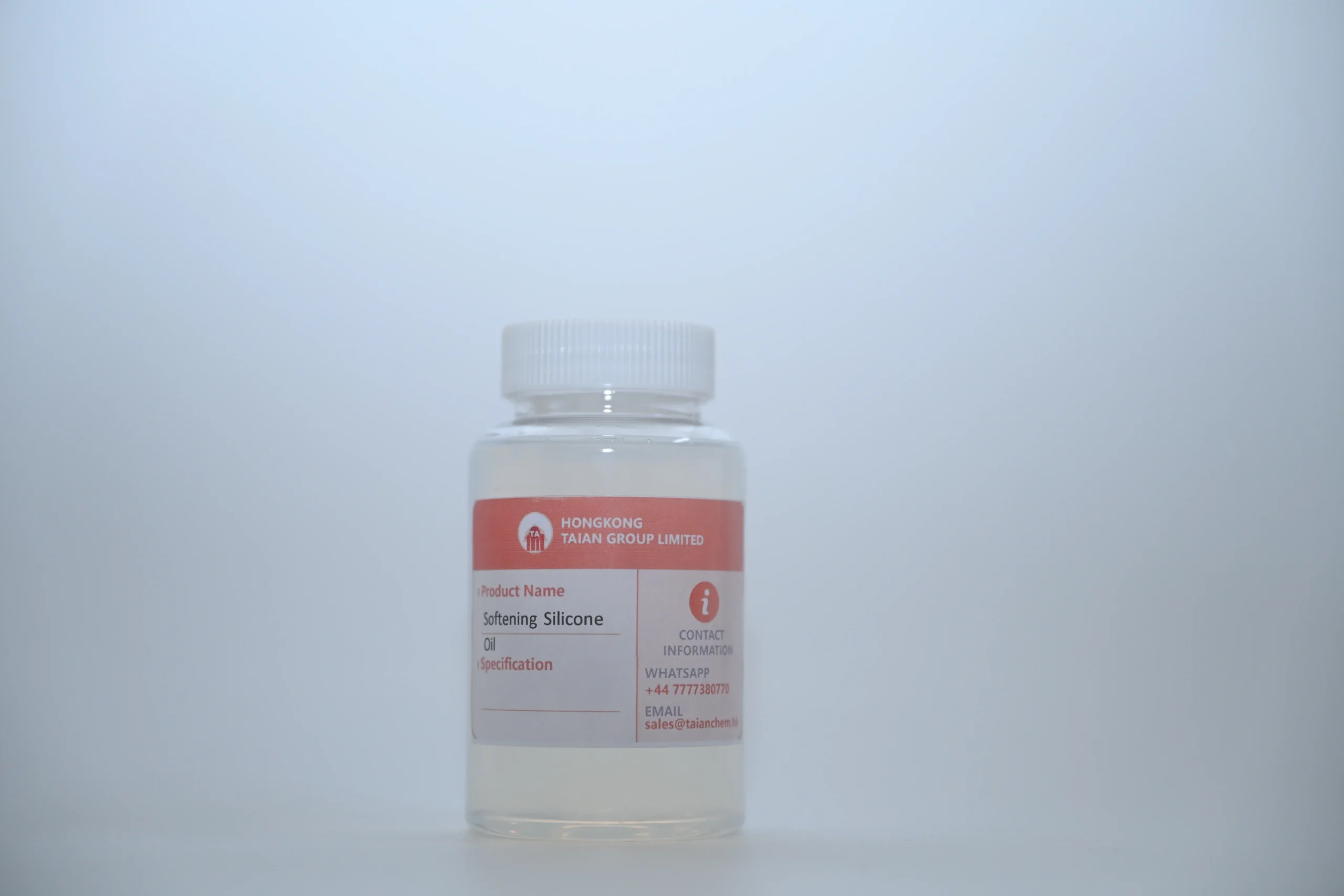
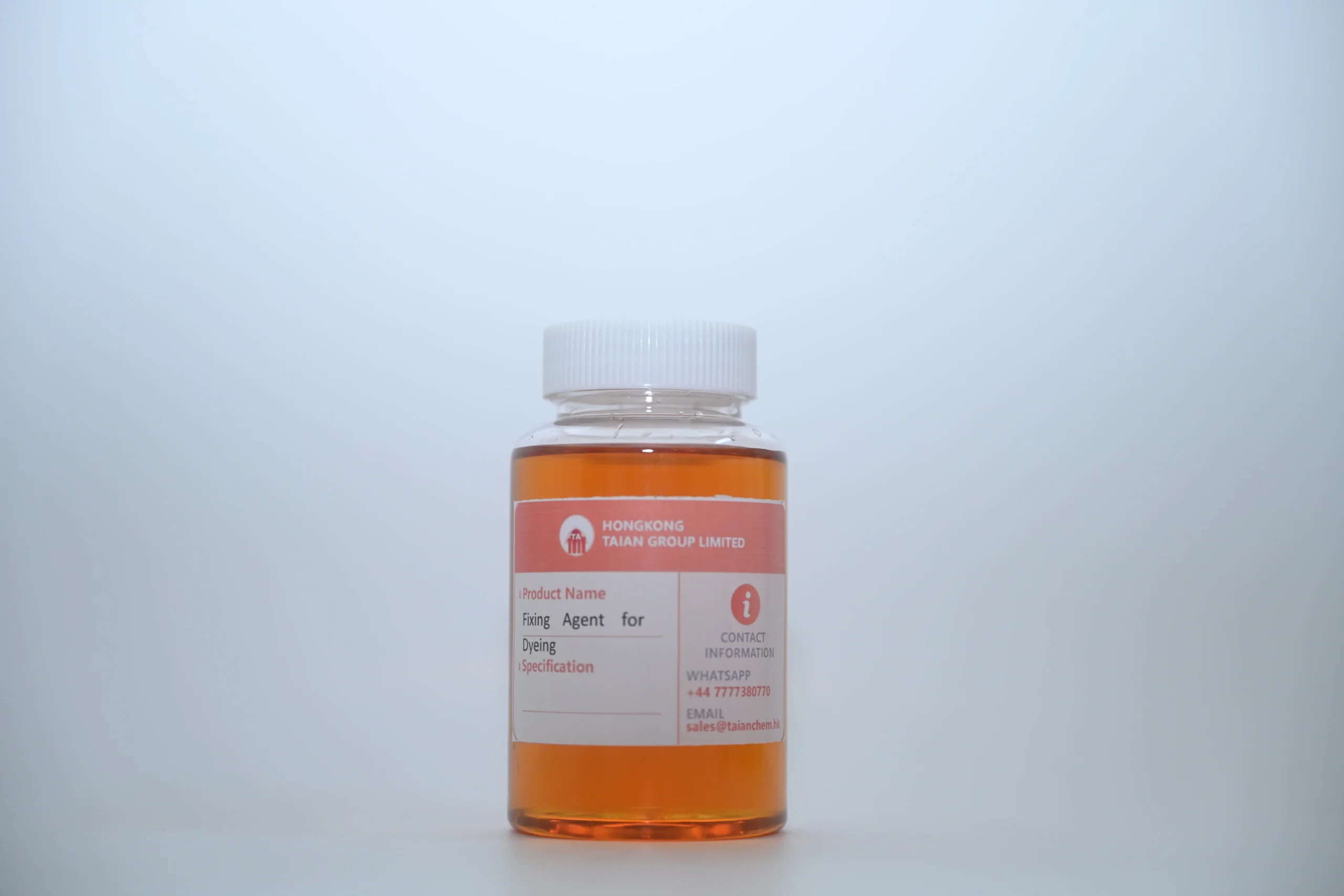
Application of softening auxiliaries and fixing agents to enhance the hand-feel and color durability of Myanmar-made linens and upholstery.

Brand Story

Global Development Journey of Shijiazhuang Taikun Chemicals Co., Ltd.

Founding and Specialization

Established with a focus on high-purity chemical synthesis, solving the core problem of unstable dye fixation in textile manufacturing.

Technical Innovation

Developed proprietary formulas for reducing agents that increased efficiency by 20% while reducing hazardous waste.

Global Market Expansion

Expanded our footprint into Southeast Asia, specifically tailoring products for the unique water hardness and climate of Myanmar.

Sustainability Commitment

Transitioned our entire production line to meet international green chemistry standards, ensuring a safer planet for future generations.

Industry Leadership

Recognized as a leading provider of specialized textile auxiliaries, helping hundreds of factories optimize their production cycles globally.

Complete Chemical Portfolio for the Myanmar Market

A comprehensive range of high-performance agents designed for maximum textile efficiency.

Frequently Asked Questions in Myanmar

Technical guidance and troubleshooting for local textile operators.

How to choose the right textile auxiliaries chemicals for humid climates in Myanmar?

Focus on chemicals with high thermal stability and moisture-resistant properties to prevent premature degradation of the chemical bath.

What is the best way to optimize sulfur black dye uptake?

Combining a high-quality sulfur black dye with a calibrated reducing agent ensures complete reduction and deep penetration into the fiber core.

Can a penetrating agent reduce water spotting in cotton fabrics?

Yes, a professional-grade penetrating agent lowers surface tension, allowing the dye liquor to spread evenly and eliminating water-spot defects.

What is the role of an oxidizing agent reducing agent in color stripping?

These agents break the chemical bonds between the dye and the fiber, allowing for efficient color removal without damaging the fabric structure.

How do dye auxiliaries improve color fastness on synthetic blends?

Dye auxiliaries act as leveling agents and fixatives, ensuring the dye is locked into the synthetic fibers and resisting wash-off.

Are these chemicals compliant with international export standards for Myanmar?

Our product line is developed to align with global standards like ZDHC and OEKO-TEX, ensuring your garments meet all international buyer requirements.

Get Expert Chemical Consultation

Partner with us to optimize your textile production in Myanmar with industry-leading chemical solutions.

Contact Us Now

If you are interested in our products, you can choose to leave your information here, and we will be in touch with you shortly.