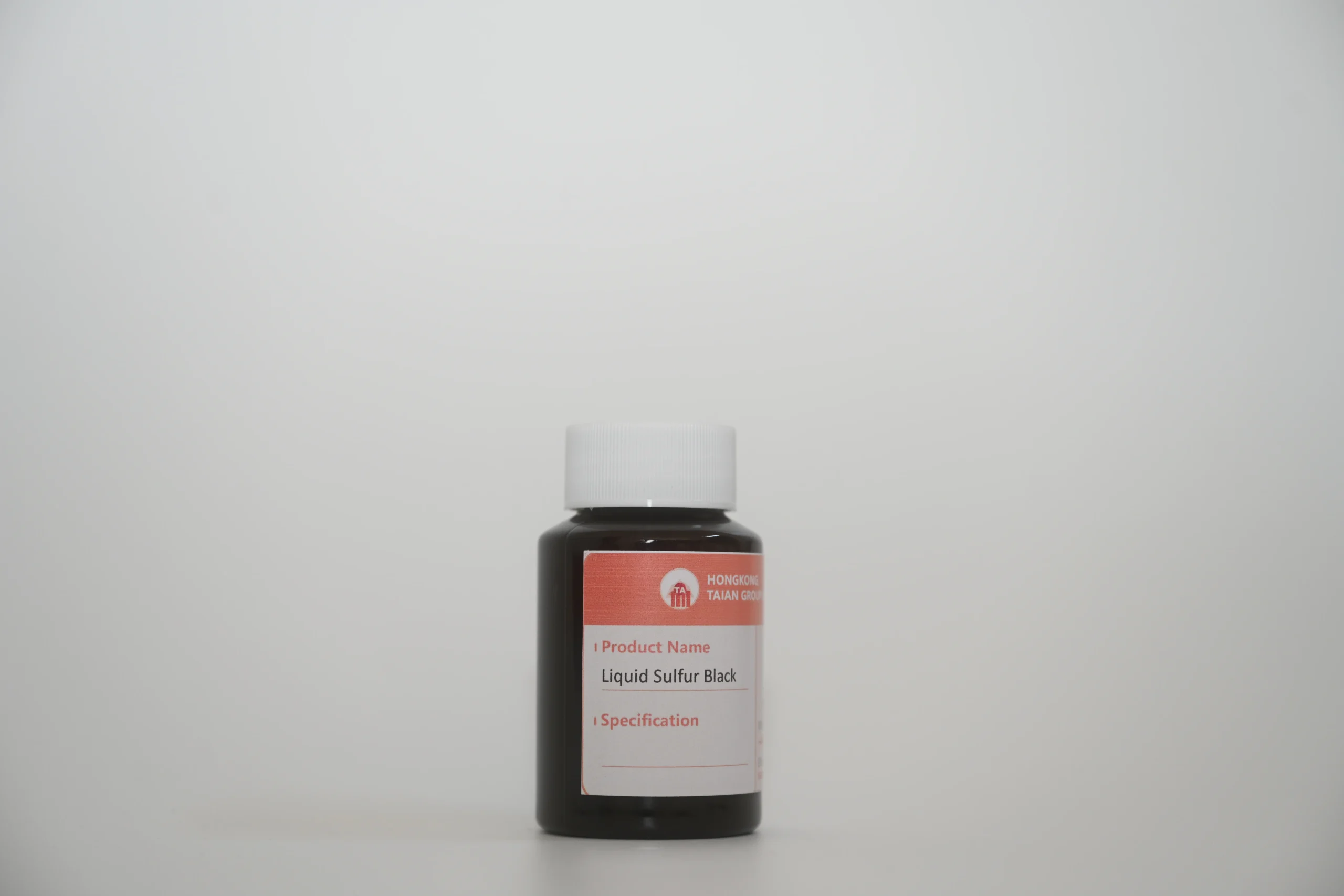

The textile sector in Kazakhstan operates under unique environmental constraints, where extreme seasonal temperature fluctuations affect the viscosity and reaction rates of textile auxiliaries chemicals. Local manufacturers often struggle with water hardness variations across different regions, necessitating specialized chemical formulations to maintain consistent quality.
Economic shifts toward diversifying the industrial base have led to an increased demand for high-stability sulfur black dyes. The market is currently transitioning from basic dyeing processes to sophisticated finishing techniques that require more precise control over chemical interactions.
Furthermore, the logistical position of Kazakhstan as a bridge between China and Europe has introduced a hybrid of technical standards. This has created a critical need for versatile penetrating agent solutions that can work across various fabric blends common in the local garment industry.