High-Performance dye auxiliaries Solutions for Philippines Textile Mills

Optimizing fabric processing in Asia - Philippines with advanced chemical formulations for superior color fastness and material efficiency.

High-Performance dye auxiliaries Solutions for Philippines Textile Mills

Providing the Philippine textile industry with precision-engineered chemical agents to enhance dyeing consistency and fabric quality across various fiber types.

Current State of Textile Chemical Application in Philippines

Analyzing the intersection of tropical climate and chemical efficiency in Southeast Asian manufacturing.

The textile manufacturing landscape in the Philippines is heavily influenced by high humidity and seasonal rainfall, which significantly affect the stability of textile auxiliaries chemicals. Local mills often struggle with moisture-induced inconsistencies during the pretreatment phase, requiring specialized chemical stabilizers to ensure uniform dye uptake.

In the regional hubs of Luzon and Visayas, there is an increasing reliance on high-efficiency penetrating agent solutions to reduce water consumption and energy costs. As the Philippine government tightens environmental regulations regarding wastewater discharge, the demand for biodegradable and low-toxicity auxiliaries has surged.

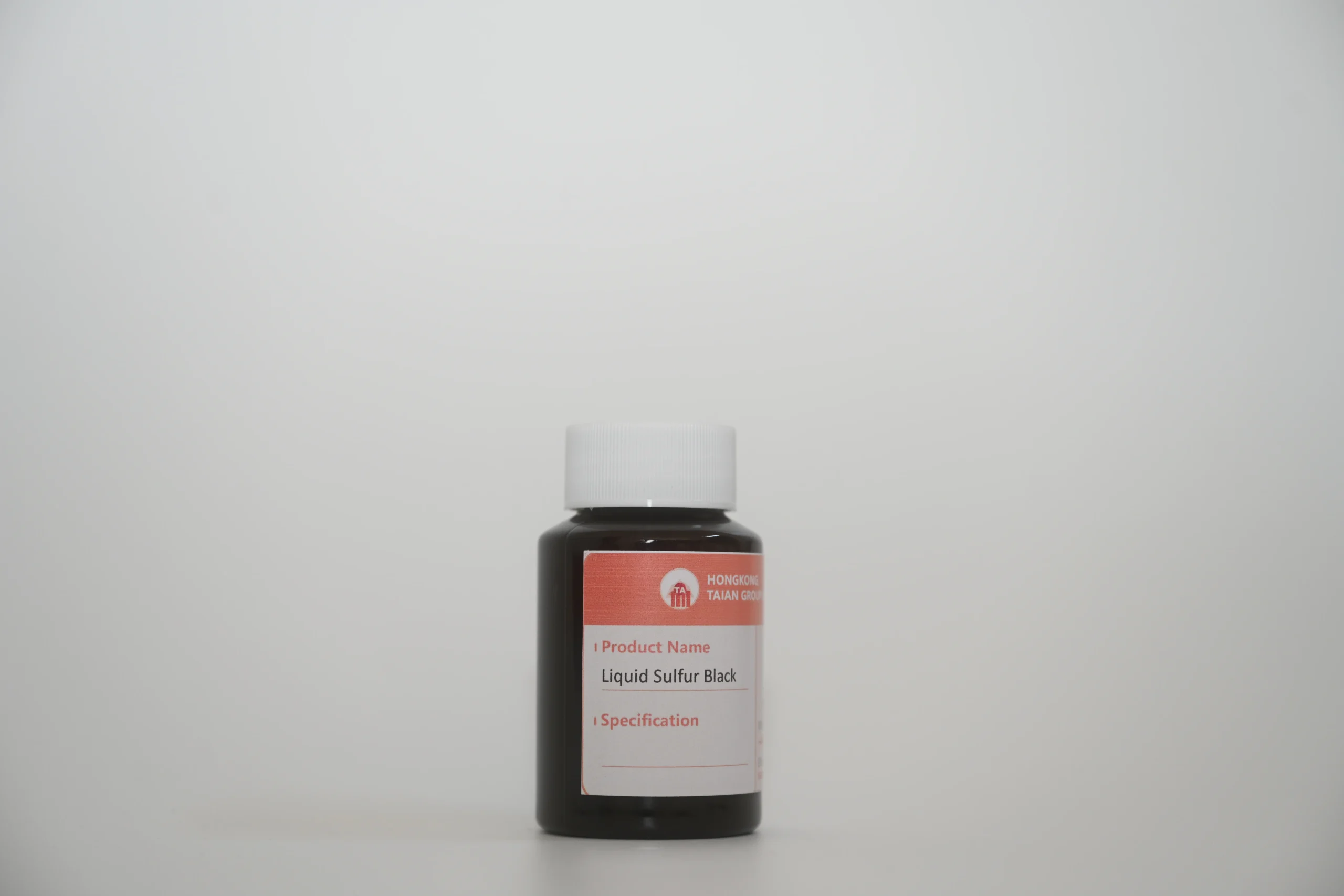
Furthermore, the production of deep-shade fabrics, particularly those utilizing sulfur black, remains a critical segment. However, the challenge lies in managing the reduction process efficiently under local temperature fluctuations to prevent uneven shading and fabric degradation.
Evolution of Textile Chemistry in Asia - Philippines

From traditional batch processing to automated, eco-friendly chemical systems.

Market Development History

Between 1990 and 2005, the Philippine textile sector relied heavily on basic commodity chemicals. The focus was primarily on volume, with minimal optimization of the oxidizing agent reducing agent balance, leading to high waste levels and inconsistent quality in synthetic blends.

From 2006 to 2018, a transition toward "Specialty Chemicals" occurred. Mills began integrating sophisticated surfactants and wetting agents to improve the penetration of dyes into denser fabrics, shifting the market from generic supplies to application-specific formulations.

Since 2019, the industry has entered the era of "Sustainable Chemistry." There is a marked shift toward ZDHC (Zero Discharge of Hazardous Chemicals) compliance, where the focus is on reducing the chemical footprint of the dyeing process without compromising the intensity of the colors.

Future Development Trends

Digital Chemical Dosing

Integration of IoT-enabled dosing systems to precisely control the ratio of auxiliaries, reducing chemical waste by up to 15%.

Bio-based Surfactants

Replacement of petroleum-based agents with plant-derived alternatives to meet the growing demand for "Green Textiles" in the export market.

Closed-Loop Reduction Systems

Advanced recovery systems for sulfur-based dyeing to recapture and reuse chemicals, minimizing the environmental impact on local waterways.

Future Trends and Industry Outlook

Strategic directions for chemical application in the next 3-5 years.

Eco-Certification Shift
Rapid adoption of OEKO-TEX and GOTS standards requiring non-toxic auxiliaries.
Water-less Dyeing
Trend toward supercritical CO2 dyeing and low-liquor ratio machines.
Smart Polymers
Development of polymers that adapt to pH changes for automatic dye release.
Energy Efficient Processing
Low-temperature auxiliaries that reduce boiling requirements in dye baths.

Industry Outlook

The Philippine textile market is moving toward a high-value, low-volume model. We expect a significant increase in the adoption of specialized chemicals that allow for rapid turnaround times and higher precision in color matching, driven by the rise of local fast-fashion brands.

Sustainability will no longer be optional. The integration of advanced oxidizing agent reducing agent cycles that minimize sludge production will define the competitive edge of the leading mills in the region.

Local Application Scenarios in Philippines

Real-world implementations of chemical solutions in Philippine textile manufacturing.

1. High-Humidity Pre-treatment for Cotton

Utilizing a specialized penetrating agent to ensure that raw cotton from local sources is thoroughly wetted and free of impurities, overcoming the challenges of the tropical climate.

2. Sulfur Black Dyeing for Denim Hubs

Implementation of optimized sulfur black processes in regional denim factories to achieve deep, consistent blacks with improved rubbing fastness.

3. Precision Color Matching for Export Garments

Using advanced dye auxiliaries to meet the strict shade tolerances required by international buyers in the US and EU markets.

4. Wastewater Remediation in Luzon Mills

Applying balanced oxidizing agent reducing agent treatments to neutralize effluent streams before they enter local treatment plants.

5. Synthetic Blend Processing for Activewear

Customized textile auxiliaries chemicals tailored for polyester-spandex blends to ensure uniform dye penetration in high-performance athletic wear.

Brand Story

Global Development History of Shijiazhuang Taikun Chemical Co., Ltd.

Foundational Excellence

Established as a specialist in textile chemistry, focusing on solving the most difficult dyeing challenges through rigorous R&D.

Technical Breakthroughs

Developed a proprietary series of auxiliaries that significantly reduced water consumption in the dyeing process.

Global Expansion

Extended our footprint into Asia, providing tailored chemical solutions for the unique needs of the Philippines market.

Sustainability Commitment

Launched the "Green Chemistry" initiative to eliminate harmful substances from the textile supply chain.

Industry Leadership

Now recognized as a premier partner for textile mills seeking a balance between industrial efficiency and environmental ethics.

Complete Chemical Portfolio for Philippines Textile Industry

A comprehensive range of agents designed for maximum efficiency in Southeast Asian manufacturing environments.

Common Questions in Philippines Textile Chemistry

Expert answers to technical challenges faced by local textile manufacturers.

How to improve the efficiency of sulfur black dyeing in humid climates?

Using high-stability reducing agents and maintaining a strict temperature control profile prevents oxidation during the dyeing process, ensuring a deep, consistent black.

Which penetrating agent is best for hard water common in some Philippine regions?

Chelating-enhanced penetrating agents are recommended to neutralize calcium and magnesium ions, allowing the dye to penetrate the fiber uniformly.

What is the role of dye auxiliaries in reducing water consumption?

Modern auxiliaries increase the exhaustion rate of dyes, meaning more dye stays on the fabric and less is washed away, significantly reducing the need for rinsing cycles.

How to balance oxidizing agent reducing agent levels for fabric bleaching?

A precise titration process is necessary to ensure that the oxidizing agent removes impurities without damaging the fiber strength, followed by a neutralizer.

Are these textile auxiliaries chemicals compatible with automated dosing systems?

Yes, our formulations are designed with optimized viscosity and stability to ensure consistent flow and mixing in automated chemical dispensing units.

How can I ensure my chemicals meet Philippine environmental standards?

By choosing APEO-free and biodegradable auxiliaries, mills can meet local DENR standards and improve their overall sustainability rating.

Ready to Optimize Your Textile Production?

Our technical experts are ready to provide custom formulations for your facility in Philippines.

Contact Us Now

If you are interested in our products, you can choose to leave your information here, and we will be in touch with you shortly.