High-Performance dye auxiliaries Solutions for Mauritius Textile Industry

Optimizing fabric processing and color brilliance through advanced chemical engineering tailored for the Mauritian garment sector.

High-Performance dye auxiliaries Solutions for Mauritius Textile Industry

Our comprehensive range of chemical agents ensures superior dye fixation and fabric quality, specifically designed to meet the rigorous standards of the Mauritius textile export market.

Current State of Textile Chemical Application in Mauritius

Analyzing the intersection of island geography and industrial chemical demand.

Mauritius possesses a strategic textile hub serving the EU and US markets, where the humid tropical climate directly impacts the stability of textile auxiliaries chemicals. The high humidity necessitates chemicals that prevent mildew during storage and maintain consistent viscosity during application.

Local manufacturers are increasingly transitioning from basic dyes to high-precision dye auxiliaries to maintain competitiveness. The focus has shifted toward reducing water consumption, which is critical given the island's environmental protection laws and limited freshwater resources.

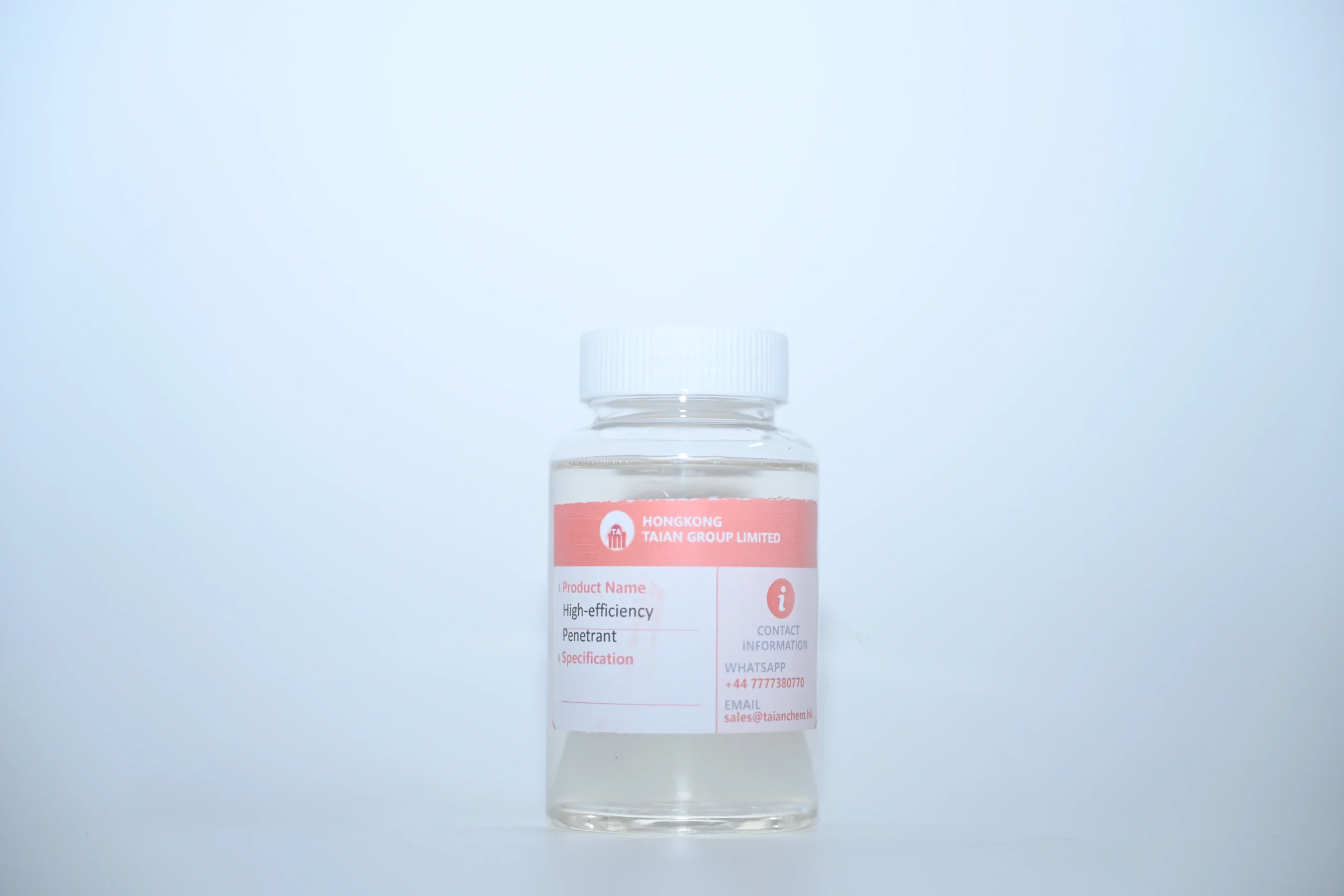
Currently, the reliance on imported penetrating agent products is high. The market demands solutions that can penetrate high-density synthetic blends quickly, reducing the energy cost of heating dye baths in large-scale garment factories.
Evolution and Trajectory of Textile Auxiliaries in Mauritius

From traditional dyeing methods to sustainable chemical engineering.

Market Development History

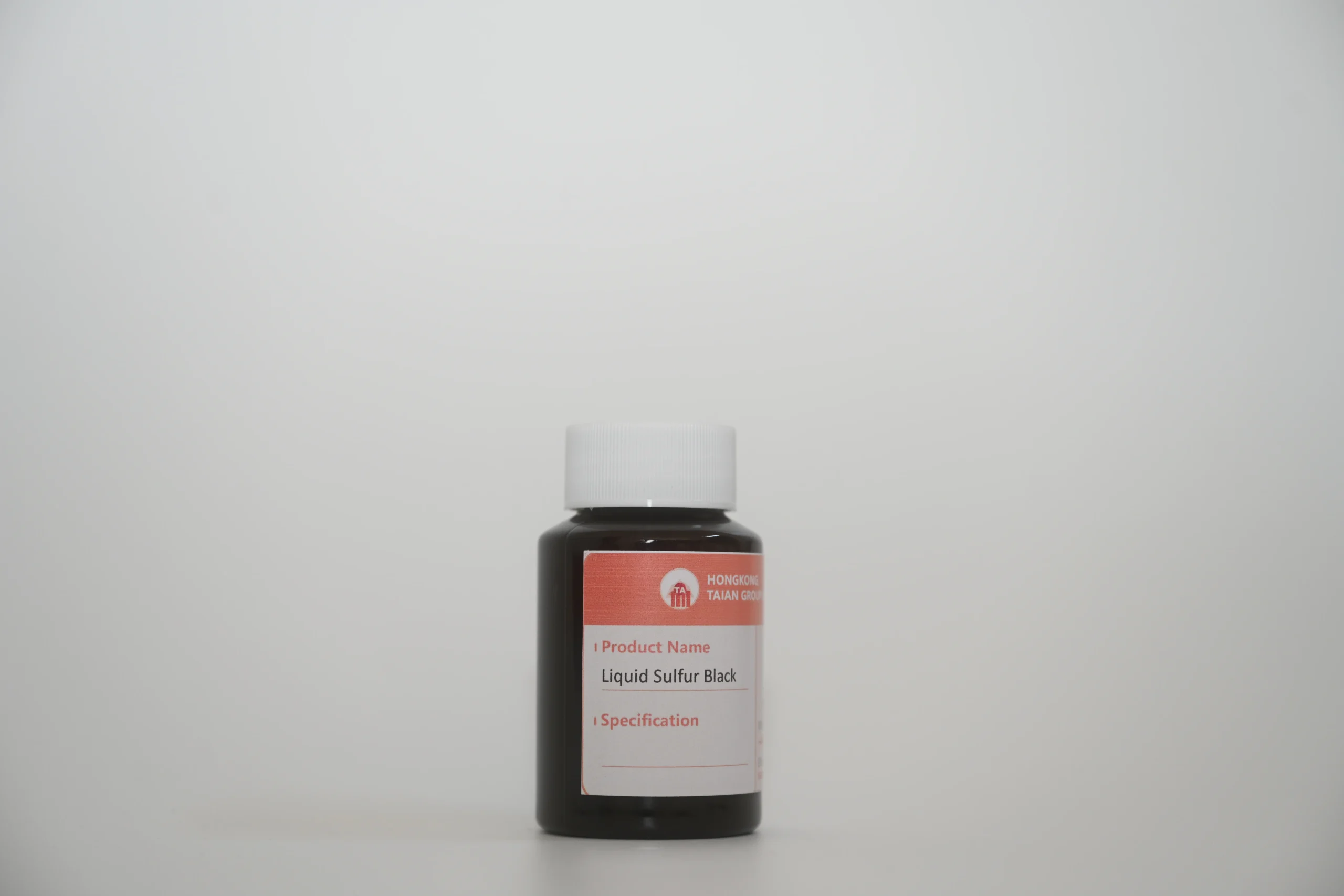
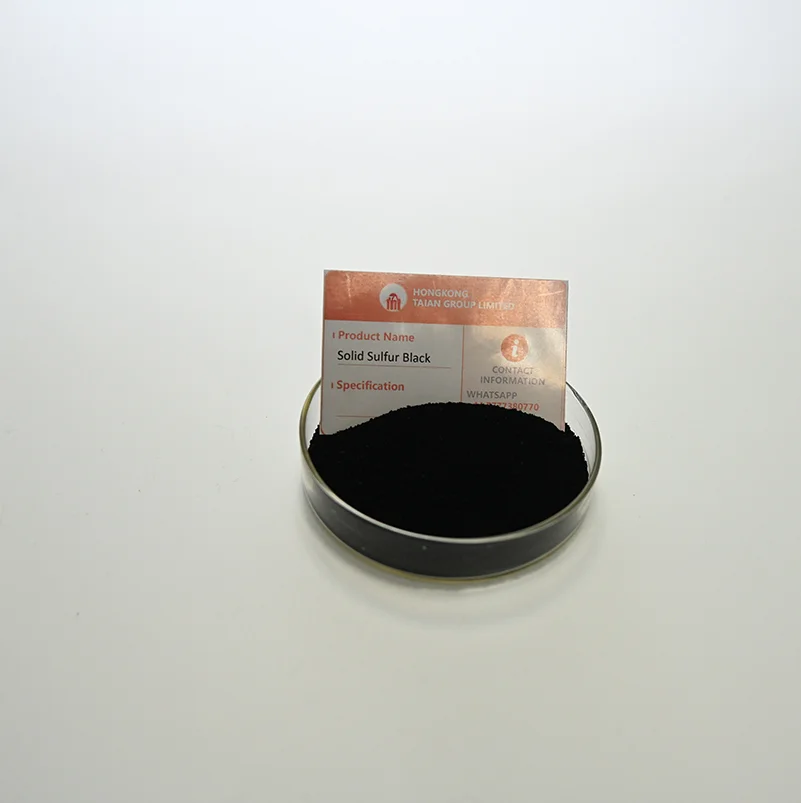
In the 1980s and 90s, the Mauritian textile sector relied on traditional sulfur-based dyeing. The use of sulfur black was dominant for dark apparel, though it often lacked the consistency required for high-end fashion exports.

By the mid-2000s, the industry integrated more complex oxidizing agent reducing agent systems. This transition allowed for better reduction of vat dyes and improved the removal of unfixed dyes, significantly enhancing color fastness.

From 2015 to the present, there has been a massive shift toward "Green Chemistry." The integration of biodegradable surfactants and low-temperature auxiliaries has become the standard to comply with international OEKO-TEX and REACH certifications.

Future Development Trends

Digital Dyeing Integration

The shift toward digital printing will require specialized textile auxiliaries chemicals that optimize ink adhesion and precision on varied fabric substrates.

Waterless Processing

Expect a rise in supercritical CO2 dyeing, which will eliminate the need for traditional penetrating agent formulations in favor of solvent-based delivery.

Bio-based Auxiliaries

The future lies in replacing petroleum-derived chemicals with bio-polymers, reducing the ecological footprint on the Mauritian coral reef ecosystems.

Future Trends and Strategic Outlook

Driving the next generation of textile chemical efficiency.

Eco-Friendly Formulation
Implementing APEO-free and phosphate-free chemicals to protect local water tables.
Energy Cost Reduction
Developing low-temperature dye auxiliaries to lower carbon emissions in heating.
Smart Chemical Dosing
Integrating AI-driven dosing systems for precise oxidizing agent reducing agent application.
Advanced Fiber Synergy
Creating chemicals specifically for recycled polyester blends common in modern fashion.

Industry Outlook

The Mauritian textile sector is shifting from mass production to "boutique" high-value manufacturing. This requires chemicals that can handle small-batch, high-complexity dyeing cycles without wasting raw materials.

Google search trends indicate a surge in "sustainable dyeing agents" and "non-toxic fabric auxiliaries" in the African region. We anticipate that within 3-5 years, certification for zero-liquid discharge (ZLD) will be the primary driver for chemical procurement.

Localized Application Scenarios in Mauritius

Practical solutions for diverse textile substrates in the local industry.

01. High-Density Cotton Denim Processing

Using a specialized penetrating agent to ensure deep indigo penetration in heavy cotton fabrics, preventing "streaky" effects common in humid weather.

02. Deep Black Shade Specialization

Applying high-purity sulfur black for luxury sportswear, ensuring the depth of shade remains consistent across thousands of meters of fabric.

03. Synthetic Blend Color Correction

Implementing a precise oxidizing agent reducing agent sequence to remove residual dyes from polyester-cotton blends during the stripping process.

04. Eco-Friendly Finishing for Export

Utilizing low-foam textile auxiliaries chemicals to prepare fabrics for EU markets, ensuring zero harmful residue and high skin compatibility.

05. Rapid-Cycle Dyeing for Fast Fashion

Applying advanced dye auxiliaries to accelerate the exhaustion rate of the dye bath, reducing water usage by 20% per cycle.

Brand Story

Global Development History of Shijiazhuang Tai Kun Chemical Co., Ltd.

Founding and Technical Roots

Established with a focus on core chemical synthesis, we began by solving the most basic challenges of dye fixation and fabric stability.

Specialization in Auxiliaries

We pivoted to specialize in high-performance auxiliaries, recognizing that the secret to a perfect garment lies not in the dye, but in the chemicals that support it.

Global Expansion Phase

Expanding our footprint into Africa and Asia, we adapted our formulas to suit various climates, including the unique needs of the Mauritian textile sector.

Commitment to Sustainability

Investing heavily in R&D to create biodegradable agents, reducing the toxic load on global waterways and helping clients meet green standards.

The Future of Chemical Synergy

Today, we stand as a leader in specialty chemicals, blending tradition with innovation to empower textile manufacturers worldwide.

Complete Chemical Portfolio for Mauritius Textiles

A one-stop source for all your textile processing and finishing needs.

Frequently Asked Questions in Mauritius Textile Industry

Expert answers to common technical challenges.

How to choose the right penetrating agent for high-humidity environments?

In Mauritius, it is essential to use a penetrating agent with high stability and low volatility to ensure uniform dye absorption despite ambient moisture.

Can sulfur black be used for eco-certified garments?

Yes, provided the sulfur black is processed using advanced purifying auxiliaries that remove residual sulfides, meeting international safety standards.

What is the role of an oxidizing agent reducing agent in dye stripping?

These agents break the chemical bonds between the dye and the fiber, allowing for efficient removal of wrong shades without damaging the fabric's tensile strength.

Which dye auxiliaries are best for reducing water consumption?

High-exhaustion auxiliaries that force more dye into the fiber quickly, reducing the number of rinsing cycles required.

Are your textile auxiliaries chemicals compatible with automatic dosing machines?

Absolutely. Our products are engineered for high solubility and consistent viscosity to prevent clogging in precision dosing equipment.

How do I prevent color bleeding using specialized auxiliaries?

We recommend using a high-grade fixing agent as part of your dye auxiliaries suite to lock the pigments firmly into the textile matrix.

Ready to Optimize Your Production?

Contact our technical team for customized chemical formulations delivered directly to your facility in Mauritius.

Contact Us Now

If you are interested in our products, you can choose to leave your information here, and we will be in touch with you shortly.