Advanced sulfur black Dyeing Solutions for DRC Textiles

Optimizing textile production in the Democratic Republic of the Congo with high-performance chemical agents for superior color fastness and fabric durability.

Advanced sulfur black Dyeing Solutions for DRC Textiles

Providing comprehensive chemical support for the Democratic Republic of the Congo's textile industry, specializing in high-efficiency textile auxiliaries chemicals to ensure precision in every yard of fabric.

Textile Chemical Landscape in Democratic Republic of the Congo

Analyzing the intersection of tropical climate and industrial dyeing requirements.

In the Democratic Republic of the Congo, the textile sector faces unique challenges due to high humidity and fluctuating water quality. The reliance on traditional dye auxiliaries is evolving as local factories strive to meet international export standards while managing the costs of imported raw materials.

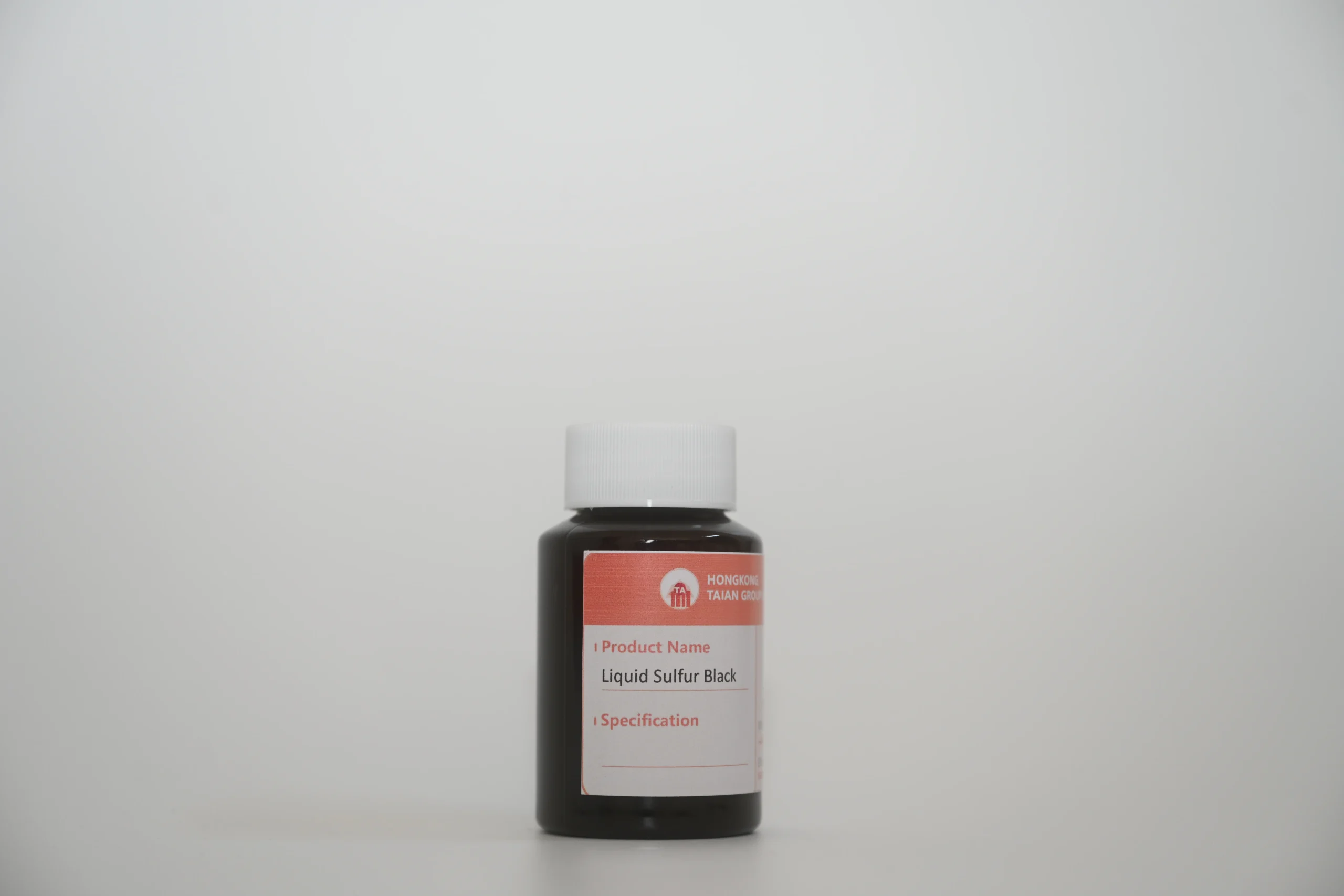
The regional preference for heavy-duty fabrics, particularly in mining and industrial uniforms, has led to a surge in demand for robust coloring agents. The application of sulfur black remains critical for producing durable, deep-toned workwear that withstands the harsh Congolese environment.

However, the inefficiency of outdated machinery often results in uneven dye distribution. This creates a critical need for advanced penetrating agent solutions that can ensure uniform absorption even in suboptimal processing conditions.
Evolution of Dyeing Technology in Central Africa

From manual batch processing to automated chemical precision.

Market Development History

Between 1990 and 2010, the DRC textile industry relied primarily on basic salt-based fixation and rudimentary chemicals. During this phase, the use of dye auxiliaries was limited to simple pH regulators with low stability.

From 2011 to 2020, there was a shift toward specialized chemistry. The introduction of formulated textile auxiliaries chemicals allowed local manufacturers to reduce water consumption and improve the brightness of colored fabrics.

Since 2021, the focus has pivoted toward "Green Chemistry." There is a noticeable transition from harsh mineral acids to balanced oxidizing agent reducing agent systems that minimize environmental runoff into the Congo River basin.

Future Development Trends

Eco-Friendly Reduction Cycles

Integration of biodegradable reducing agents to replace traditional sodium hydrosulfite, aligning with global sustainability goals.

Digital Chemical Dosing

Adoption of IoT-enabled dosing systems to ensure the exact ratio of penetrating agent, reducing waste by up to 15%.

High-Fastness Synthetic Blends

Development of hybrid auxiliaries designed specifically for the polyester-cotton blends increasingly popular in the Kinshasa fashion market.

Industry Trends and Future Outlook

Strategic projections for chemical applications in the DRC textile sector.

Water-Saving Auxiliaries
Developing low-liquor ratio chemicals to preserve local water resources.
Automated Color Control
Implementing precision oxidizing agent reducing agent balance for consistent shades.
Fast-Penetration Tech
Next-gen surfactants reducing dyeing time for high-density cotton fabrics.
Sulfur-Based Innovation
Advanced sulfur black variants with improved rub-fastness.

Industry Outlook

Google search trends indicate a rising interest in "sustainable textile chemicals" across Sub-Saharan Africa. This suggests that DRC manufacturers will soon prioritize biodegradable textile auxiliaries chemicals to attract European and American buyers.

The synergy between improved infrastructure and advanced chemical supply chains will likely lead to a 20% increase in local fabric production capacity by 2028, focusing on high-value industrial textiles.

Localized Application Scenarios in DRC

Practical solutions for the Democratic Republic of the Congo's diverse textile needs.

1. Industrial Mining Workwear

Using concentrated sulfur black combined with heavy-duty fixatives to create uniforms for the Katanga mining region that resist abrasion and fading.

2. Traditional Wax Print Enhancement

Applying specialized dye auxiliaries to Kinshasa's artisan workshops to ensure vibrant color saturation and prevent bleed in traditional patterns.

3. High-Humidity Fabric Pre-treatment

Utilizing high-efficiency penetrating agent to remove natural impurities from cotton in tropical climates, ensuring a smooth base for dyeing.

4. Wastewater Neutralization

Implementing precision oxidizing agent reducing agent protocols to treat dye-house effluent before discharge into local waterways.

5. Rapid-Cycle Commercial Linens

Integrating fast-acting textile auxiliaries chemicals for hotel linens in Goma to reduce wash-cycles and increase fabric longevity.

Brand Story

Global Development Journey of Shijiazhuang Taikun Chemical Co., Ltd.

Foundation of Excellence

Established as a specialized manufacturer, focusing on solving the most difficult stability issues in textile dyeing.

R&D Breakthroughs

Developed proprietary formulas for sulfur dyes that reduced chemical waste while increasing color depth.

Global Expansion

Extending our reach to the African continent, bringing high-grade chemistry to the DRC and neighboring markets.

Sustainability Shift

Pivoting towards eco-certified auxiliaries to lead the industry in environmental responsibility.

Future Vision

Aiming to be the primary chemical partner for the emerging textile hubs across the Democratic Republic of the Congo.

Complete Chemical Portfolio for DRC Textiles

A curated selection of high-performance agents tailored for Congolese manufacturing.

Textile Chemical FAQs for DRC Manufacturers

Expert answers to the most common technical questions in the region.

How to improve sulfur black fastness in high humidity?

Using a high-quality fixing agent after the dyeing process and ensuring proper oxidation with a balanced oxidizing agent reducing agent system can significantly enhance rub-fastness.

What is the best penetrating agent for heavy cotton fabrics?

For heavy cotton used in industrial wear, we recommend a non-ionic penetrating agent that lowers surface tension rapidly, ensuring deep dye penetration.

Can textile auxiliaries chemicals reduce water consumption?

Yes, modern low-foam wetting agents and high-efficiency dye auxiliaries allow for shorter rinse cycles without compromising quality.

How to handle the reduction process for sulfur dyes?

Maintaining a precise pH and temperature while using a stable reducing agent ensures that the dye is fully solubilized for uniform coloring.

Why is color spotting a problem in DRC dyeing plants?

Spotting is often caused by poor fabric preparation. Integrating a professional penetrating agent during the scouring phase prevents these defects.

Are your dye auxiliaries compatible with automated machines?

Absolutely. Our chemicals are formulated for both manual batch processing and modern automated dispensing systems.

Optimize Your Textile Production Today

Get expert technical consultation and high-performance chemical supplies delivered to your facility in the Democratic Republic of the Congo.

Contact Us Now

If you are interested in our products, you can choose to leave your information here, and we will be in touch with you shortly.