Advanced dye auxiliaries Solutions for Turkey's Textile Hubs

Optimizing fabric processing efficiency and color consistency for the Turkish textile industry through high-performance chemical engineering.

Advanced dye auxiliaries Solutions for Turkey's Textile Hubs

Providing a comprehensive portfolio of specialty chemicals designed to meet the rigorous standards of Turkish textile manufacturing, from pretreatment to final finishing.

Chemical Landscape of Turkey's Textile Sector

Analyzing the operational challenges and resource requirements in the Anatolian textile corridor.

Turkey stands as a global powerhouse in textile exports, yet the industry faces mounting pressure from fluctuating water costs and strict EU environmental regulations. The widespread use of textile auxiliaries chemicals is essential for maintaining the competitiveness of hubs like Bursa and Denizli, where high-volume production requires extreme chemical stability.

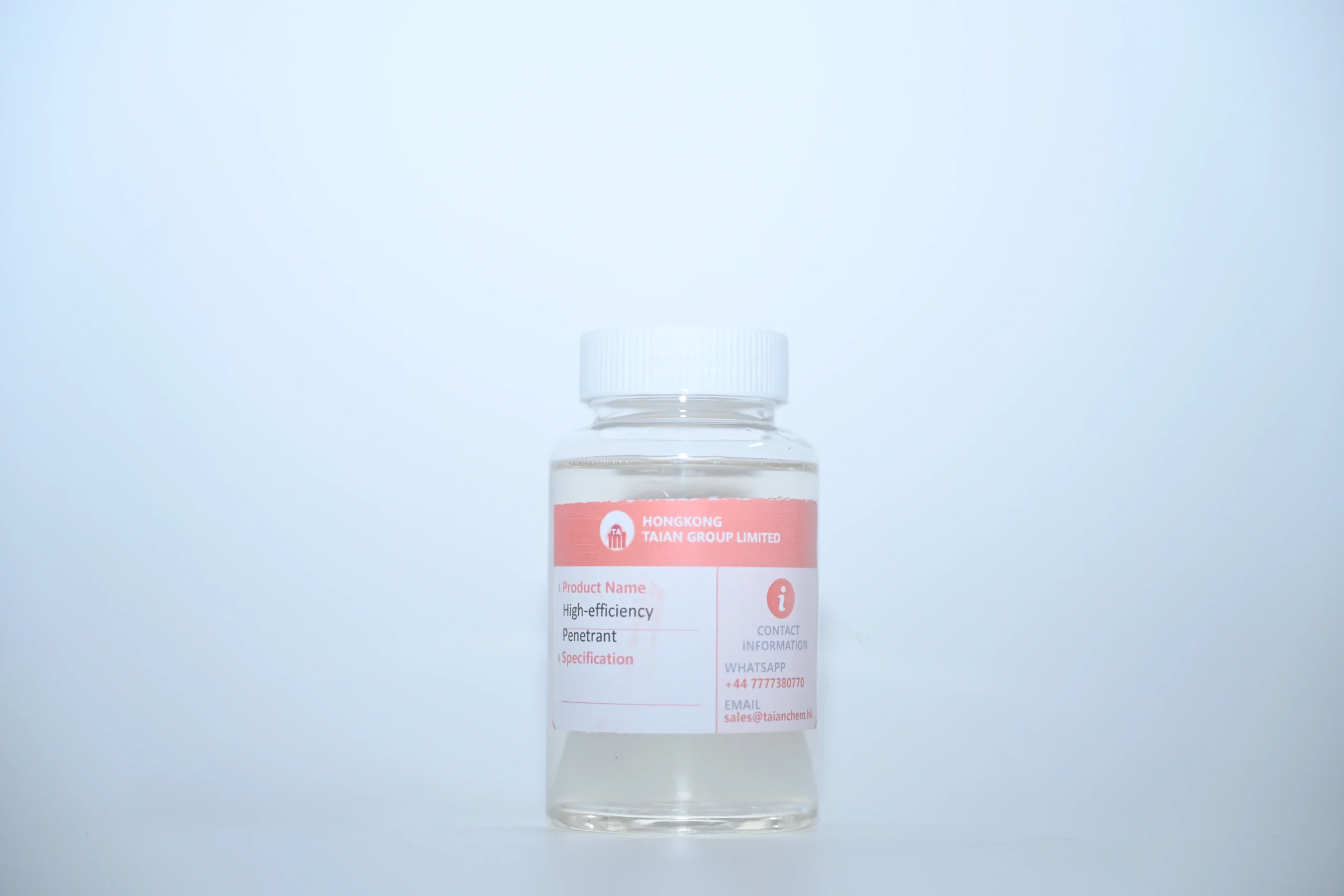
A critical challenge in the local market is the management of hard water typical in certain Turkish regions, which necessitates the use of a high-efficiency penetrating agent to ensure uniform dye uptake and prevent spotting on premium cotton and synthetic blends.

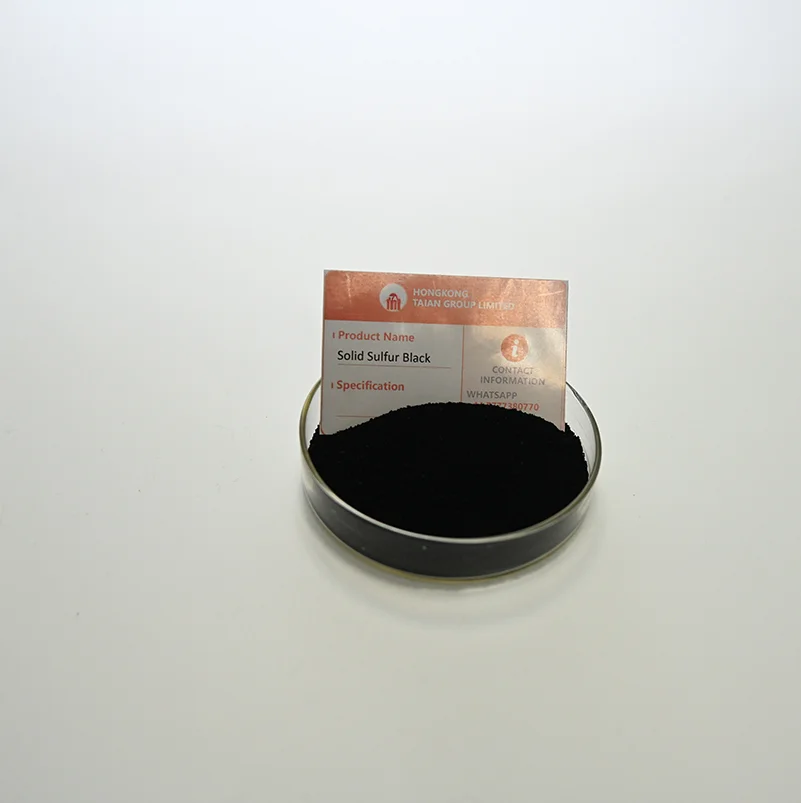
Furthermore, the demand for deep, consistent blacks in the denim and upholstery sectors has led to a specialized reliance on sulfur black, requiring precise chemical control to avoid odor issues and ensure wash-fastness for international shipping.
Evolution of Dyeing Chemistry in Turkey

From traditional batch processing to digitized, sustainable chemical application.

Market Development History

In the 1990s, the Turkish textile industry relied heavily on basic commodity chemicals and high-water-consumption methods, where simple alkalinity was the primary driver for fabric preparation.

Between 2005 and 2015, the shift toward "Fast Fashion" demanded shorter lead times, leading to the adoption of sophisticated oxidizing agent reducing agent systems to accelerate the dyeing and bleaching cycles without compromising fiber integrity.

From 2016 to the present, the focus has pivoted toward ZDHC (Zero Discharge of Hazardous Chemicals) compliance, replacing traditional auxiliaries with biodegradable, low-VOC alternatives to satisfy European export audits.

Future Development Trends

Bio-based Auxiliaries

Transitioning from petroleum-derived surfactants to plant-based alternatives to reduce the carbon footprint of the Turkish textile chain.

Digital Precision Dosing

Integration of AI-driven dosing systems that adjust chemical concentrations in real-time based on fabric weight and water quality.

Waterless Dyeing Technologies

The move toward supercritical CO2 dyeing and low-liquor ratio machines to eliminate the need for massive amounts of rinsing agents.

Industry Trends & Future Outlook

Strategic directions for chemical application in the Mediterranean textile market.

Eco-Compliance Evolution
Rapid adoption of OEKO-TEX and GOTS certified chemicals to maintain access to the EU market.
Energy-Efficient Processing
Developing cold-pad-batch chemicals that reduce the need for high-temperature steam in dyeing.
Smart Chemical Delivery
Implementation of IoT sensors to optimize the concentration of auxiliaries during fabric baths.
Circular Economy Integration
Developing chemistry that allows for easier recovery and reuse of dyes from wastewater.

Industry Outlook

The Turkish market is expected to shift toward high-value functional textiles, necessitating auxiliaries that can impart antimicrobial or hydrophobic properties without sacrificing the fabric's hand-feel.

Google search trends indicate a rising interest in "sustainable textile chemicals Turkey," suggesting that the competitive edge will belong to manufacturers who can prove a measurable reduction in water and chemical toxicity.

Localized Application Scenarios in Turkey

Practical implementations of specialty chemistry across diverse Turkish textile segments.

01. Premium Denim Finishing in Istanbul

Utilizing high-purity sulfur black for authentic deep-shade denim, paired with specialized reducing agents to eliminate sulfur odors for the luxury fashion market.

02. Home Textile Production in Denizli

Applying a high-performance penetrating agent to heavy cotton towels and linens to ensure rapid absorption and flawless color uniformity across large batches.

03. Technical Apparel Manufacturing in Bursa

Integrating specialized dye auxiliaries for polyester-cotton blends used in automotive upholstery, ensuring high light-fastness and abrasion resistance.

04. Industrial Bleaching for Cotton Mills

Implementing controlled oxidizing agent reducing agent cycles to achieve optic white bases while maintaining fiber strength in industrial-grade fabrics.

05. Sustainable Fast-Fashion Dyeing

Deploying concentrated textile auxiliaries chemicals that allow for lower temperature dyeing, reducing energy costs for agile garment factories.

Brand Story

Global Development Journey of Shijiazhuang Taikun Chemical Co., Ltd.

Foundational Excellence

Established with a focus on precision chemical synthesis, we began by solving the most basic stability issues in textile dyeing.

Technological Breakthrough

Developed proprietary formulas for high-efficiency reducing agents that revolutionized the sulfur dyeing process globally.

Global Market Expansion

Extended our footprint into the Middle East and Europe, adapting our chemistry to meet varied water qualities and climate conditions.

Sustainability Pivot

Invested heavily in R&D to create a green line of auxiliaries, aligning with global ZDHC and REACH standards.

Future Vision

Committing to a future of "Intelligent Chemistry," where our products integrate seamlessly with automated textile machinery.

Complete Chemical Portfolio for the Turkish Market

A curated selection of high-performance agents tailored for the specific needs of Anatolian textile manufacturers.

Turkish Textile Chemical FAQ

Addressing common technical queries from local textile engineers and plant managers.

How to optimize sulfur black dyeing for denim in Turkey?

The key is using a high-purity sulfur black dye combined with a stabilized reducing agent to ensure complete reduction and deep penetration without leaving residual odors on the fabric.

Which penetrating agent works best for hard water in Denizli?

We recommend a non-ionic penetrating agent with high calcium and magnesium tolerance to prevent dye precipitation and ensure uniform leveling.

What is the role of an oxidizing agent reducing agent in pretreatment?

These chemicals are used to remove impurities and control the oxidation state of the fiber, ensuring a clean, absorbent surface for subsequent dye auxiliaries.

Are your textile auxiliaries chemicals ZDHC compliant?

Yes, our latest generation of products is designed to meet ZDHC Level 3 requirements, ensuring they are free from harmful substances for EU export.

How can I reduce water consumption using dye auxiliaries?

By using low-liquor ratio auxiliaries and high-efficiency leveling agents, you can reduce the number of rinsing cycles required per batch.

What is the best way to store sulfur black in humid climates?

Store in a cool, dry, and well-ventilated warehouse using moisture-proof packaging to prevent caking and degradation of the active chemical components.

Consult Our Technical Experts

Ready to optimize your production line in Turkey? Contact us for customized chemical formulations and technical support.

Contact Us Now

If you are interested in our products, you can choose to leave your information here, and we will be in touch with you shortly.