Advanced dye auxiliaries Solutions for Nigeria's Textile Hubs

Empowering Nigerian textile manufacturers with high-performance chemical agents to optimize fabric dyeing, finishing, and sustainable production.

Advanced dye auxiliaries Solutions for Nigeria's Textile Hubs

Providing an integrated portfolio of specialized chemicals tailored for the unique water hardness and climatic conditions of the Nigerian textile industry to ensure superior color fastness and material durability.

Current Landscape of Textile Chemistry in Nigeria

Analyzing the operational challenges and chemical requirements of the West African textile market.

The Nigerian textile sector, centered largely around industrial hubs in Lagos and Kano, faces significant challenges due to high ambient temperatures and varying water quality. The reliance on imported textile auxiliaries chemicals has historically created supply chain vulnerabilities, forcing local mills to seek more stable and efficient chemical partners.

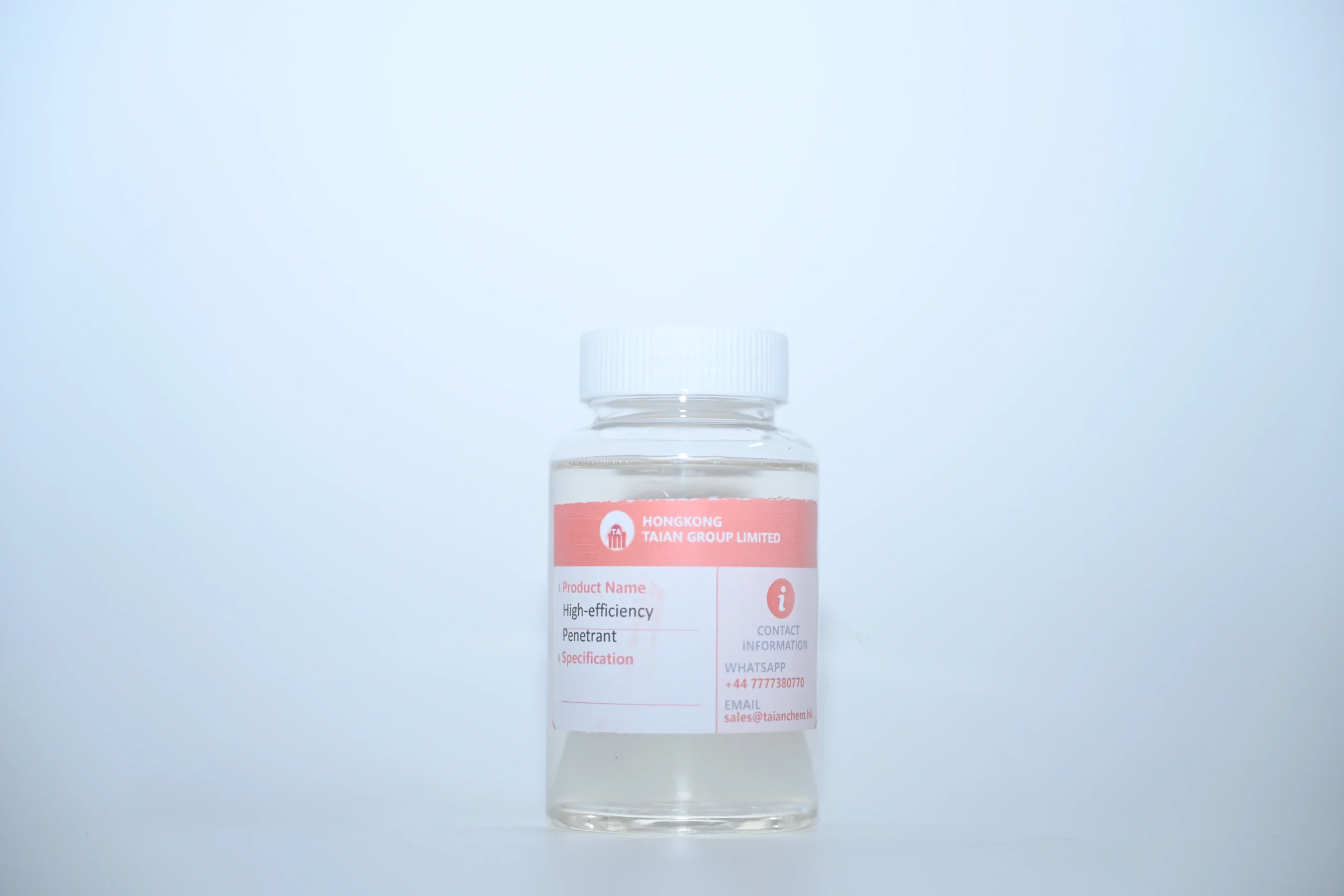
A critical pain point in the local market is the inconsistent application of penetrating agent products. Due to the prevalence of heavy cotton fabrics used in traditional Nigerian attire, achieving uniform dye penetration remains a technical hurdle, often resulting in uneven shading and increased wastage of raw materials.

Furthermore, the demand for deep, intense blacks—essential for corporate and formal wear—has led to a surge in the use of sulfur black. However, the lack of optimized reducing agents often leads to poor solubility and stability issues during the dyeing process, hindering the overall quality of the finished textile.
Evolution and Trajectory of Nigeria's Dyeing Industry

From traditional artisanal methods to automated industrial chemical processing.

Market Development History

During the late 20th century, Nigerian textile production relied heavily on basic salts and crude alkaline agents. The process was labor-intensive with minimal focus on chemical precision, leading to high water consumption and unpredictable color yields.

By the 2010s, a shift toward industrialization saw the introduction of sophisticated oxidizing agent reducing agent systems. This allowed for more controlled vat dyeing and sulfur dyeing processes, significantly improving the scalability of textile mills across the region.

In recent years, the market has transitioned toward "Precision Chemistry." Modern mills now integrate multi-functional auxiliaries that combine wetting, dispersing, and penetrating properties into a single application to reduce processing time and energy costs.

Future Development Trends

Bio-based Auxiliary Integration

Driven by global sustainability trends, Nigerian manufacturers are moving toward biodegradable agents to reduce the chemical oxygen demand (COD) in wastewater discharge.

Digital Color Management

The adoption of AI-driven dosing systems is expected to optimize the ratio of chemicals, ensuring that dye auxiliaries are used with zero waste.

Water-Saving Processing

New low-liquor ratio dyeing technologies are being introduced to combat water scarcity in Northern Nigeria, requiring more concentrated and efficient chemical formulations.

Future Trends and Industry Outlook

Predicting the next 5 years of textile chemical innovation in West Africa.

Eco-Friendly Formulation
Transitioning toward APEO-free and phosphorus-free auxiliaries to meet international export standards for Nigerian textiles.
High-Concentration Agents
Developing low-volume, high-activity chemicals to reduce shipping costs and storage footprints in urban centers like Lagos.
Automated Dosing Systems
Integration of IoT sensors to monitor the concentration of reducing agents in real-time for consistent quality.
Smart Waste Treatment
Advanced oxidizing agents specifically designed to neutralize sulfur dyes in wastewater for environmental compliance.

Industry Outlook

Based on Google search trends in Africa, there is a growing interest in "sustainable dyeing" and "cost-effective textile chemicals." This indicates a market pivot where Nigerian mills are no longer just looking for the cheapest chemicals, but for those that offer the best Total Cost of Ownership (TCO) through efficiency.

We anticipate that the integration of high-stability reducing agents and specialized penetrating agents will become the standard for premium textile exports from Nigeria to the rest of the ECOWAS region, driving a new era of quality excellence.

Localized Application Scenarios in Nigeria

Real-world chemical solutions for Nigerian fabric and climatic demands.

1. Heavy Cotton Traditional Wear Processing

Using high-performance penetrating agent to ensure that deep dyes penetrate the thick fibers of traditional Nigerian fabrics, preventing white streaks and uneven coloration.

2. Industrial Sulfur Black Dyeing for Workwear

Application of optimized sulfur black combined with professional reducing agents to produce deep, wash-fast black uniforms for Nigeria's oil and gas sector.

3. High-Temperature Vat Dyeing for Outdoor Textiles

Utilizing specialized oxidizing agent reducing agent systems to maintain dye stability under the intense heat and humidity of Lagos and Port Harcourt.

4. Fast-Fashion Apparel Finishing

Implementing a streamlined set of dye auxiliaries to accelerate the production cycle for local fashion brands, reducing the "time-to-market" for seasonal collections.

5. Sustainable Effluent Treatment for Textile Mills

Deployment of advanced chemical neutralizers to treat the waste from textile auxiliaries chemicals usage, ensuring compliance with Nigeria's Federal Ministry of Environment standards.

Brand Story

Global Development Journey of Shijiazhuang Taikun Chemical Co., Ltd.

Foundation and Focus

Established as a specialist in textile chemistry, we began with a mission to solve the most complex dyeing challenges through rigorous R&D and molecular engineering.

Technological Breakthrough

We pioneered a series of high-stability reducing agents that revolutionized the application of sulfur dyes, reducing chemical waste by 20%.

Global Market Expansion

Expanding beyond Asia, we tailored our formulations for the African market, specifically addressing the water chemistry and temperature needs of Nigerian mills.

Sustainability Commitment

We integrated green chemistry into our production line, launching a range of biodegradable auxiliaries to support the global move toward sustainable fashion.

Industry Leadership

Today, we stand as a trusted partner for thousands of textile factories worldwide, bridging the gap between chemical innovation and commercial profitability.

Complete Product Portfolio for the Nigerian Textile Market

A comprehensive suite of chemicals designed to optimize every stage of the dyeing and finishing process.

Frequently Asked Questions for Nigeria's Textile Industry

Expert answers to common technical challenges in textile chemical application.

How can I improve the penetration of dye in thick cotton fabrics in Nigeria?

Using a high-performance penetrating agent during the pre-treatment phase reduces surface tension and ensures the dye liquor reaches the core of the fiber, eliminating uneven patches.

What is the best way to stabilize sulfur black during the dyeing process?

The key is using a high-purity reducing agent that maintains a consistent redox potential, preventing the sulfur black from precipitating prematurely.

How do oxidizing agent reducing agent systems affect color fastness?

Balanced redox systems ensure the dye is fully dissolved and then properly oxidized back to its insoluble form inside the fiber, which significantly increases wash and rub fastness.

Are these textile auxiliaries chemicals compatible with hard water?

Yes, our formulations include chelating agents specifically designed to neutralize calcium and magnesium ions common in Nigerian groundwater, ensuring stable chemical reactions.

Which dye auxiliaries are recommended for reducing water consumption?

We recommend low-foam wetting agents and concentrated dispersing agents that allow for higher dye loads in smaller volumes of water without compromising quality.

How to prevent color bleeding in deep-shaded Nigerian textiles?

Utilizing a proper post-dyeing fixing agent as part of your dye auxiliaries routine will lock the pigment into the fiber and prevent bleeding during subsequent washes.

Get Expert Chemical Consultation

Ready to optimize your textile production in Nigeria? Our technical team is here to provide customized formulations for your specific fabric needs.

Contact Us Now

If you are interested in our products, you can choose to leave your information here, and we will be in touch with you shortly.