Advanced dye auxiliaries Solutions for Japanese Textiles

Elevating the precision of Japanese textile manufacturing with high-performance chemical agents designed for sustainability and unmatched color brilliance.

Advanced dye auxiliaries Solutions for Japanese Textiles

Our specialized range of chemical agents optimizes the dyeing process, ensuring consistency and efficiency for Japan's high-end fabric producers.

Current Landscape of Textile Chemicals in Japan

Analyzing the intersection of strict environmental regulations and the demand for ultra-high quality textiles.

The Japanese textile market is currently characterized by a shift toward "Smart Textiles" and sustainable production. With the government's push for carbon neutrality, there is an urgent demand for textile auxiliaries chemicals that reduce water consumption and energy use during the dyeing cycle.

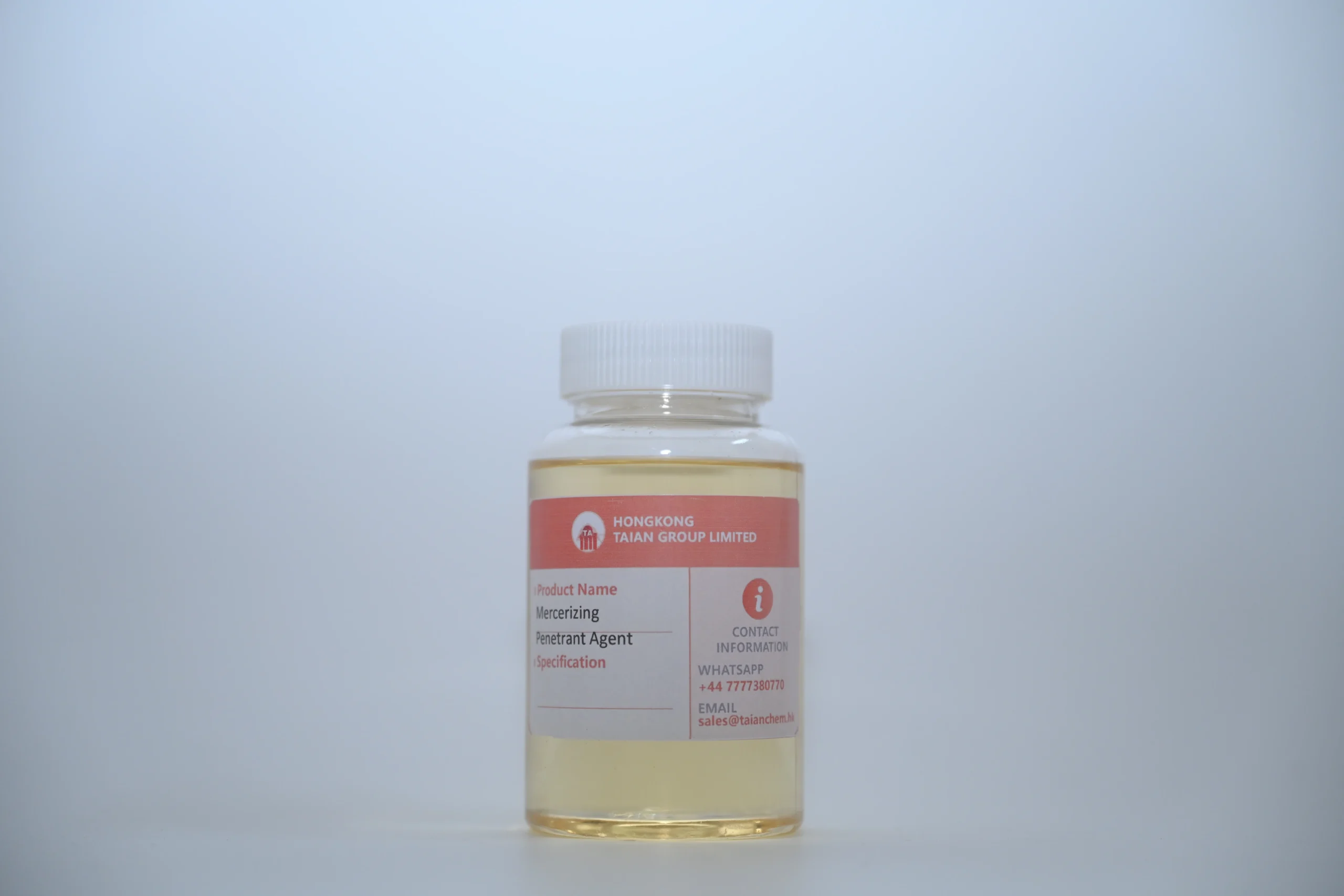
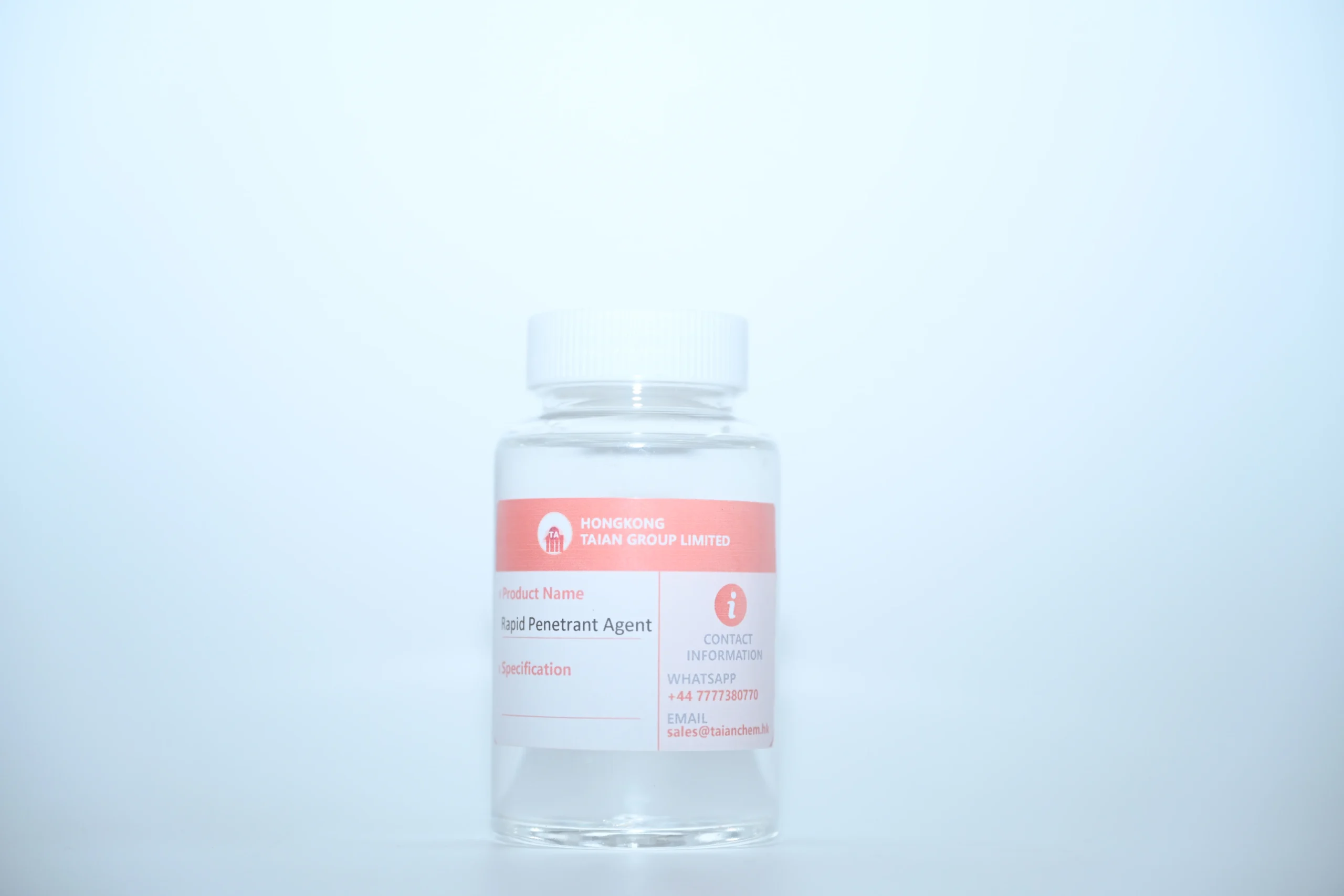
Geography and climate in Japan, particularly the humid summers, necessitate the use of highly stable penetrating agent formulations to ensure uniform dye uptake across diverse fabric blends, ranging from traditional silk to modern synthetic performance wear.

Furthermore, the industry is facing a transition where traditional batch processing is being replaced by continuous dyeing technologies. This requires a more precise balance of oxidizing agent reducing agent systems to maintain strict pH and redox potentials in automated environments.
Evolution and Trajectory of Dyeing Auxiliaries

From traditional craftsmanship to the era of molecular engineering.

Market Development History

In the 1980s and 90s, Japan's textile industry relied heavily on high-volume synthetic chemicals, where the primary goal was color fastness and speed of production. This era saw the widespread use of basic sulfur-based dyes, including the application of sulfur black for deep, durable shades in industrial fabrics.

By the early 2000s, the focus shifted toward "Eco-Friendly Chemistry." The industry began phasing out hazardous substances, leading to the development of biodegradable surfactants and low-temperature auxiliaries to comply with evolving Japanese environmental standards.

From 2015 to the present, the integration of nanotechnology has allowed for the creation of precision-engineered auxiliaries that operate at a molecular level, reducing waste by up to 30% while enhancing the tactile feel of the fabric.

Future Development Trends

Bio-based Chemical Synthesis

The next 3-5 years will see a surge in bio-derived chemicals, replacing petroleum-based precursors to meet Japan's rigorous ESG goals.

Digital Dyeing Integration

Search trends indicate a growing interest in "Digital Textile Printing," which will require new formulations of low-viscosity auxiliaries for inkjet compatibility.

Closed-Loop Water Systems

The development of chemicals that facilitate the complete recycling of dyeing baths will become a standard requirement for Japanese factories.

Industry Trends and Future Outlook

Strategic foresight into the transformation of chemical auxiliaries.

Zero-Liquid Discharge (ZLD)
Implementing chemicals that allow for the total recovery of water, minimizing the environmental footprint in Japanese urban industrial zones.
AI-Driven Dosing
Integration of smart sensors to optimize the real-time concentration of dye auxiliaries based on fabric absorption rates.
Low-Temperature Catalyst
Developing agents that allow high-quality dyeing at temperatures below 60°C to drastically reduce energy costs.
Functional Hybridization
Combining dye auxiliaries with antimicrobial or UV-resistant properties in a single chemical application step.

Industry Outlook

Looking forward, the Japanese textile chemical sector will likely move toward a "Chemicals-as-a-Service" model, where suppliers provide not just the products but the complete optimization of the dyeing process through data analysis.

The adoption of green chemistry will no longer be optional but a prerequisite for market entry. We expect a significant increase in the use of enzyme-based auxiliaries that mimic natural biological processes to achieve superior finishes.

Localized Application Scenarios in Japan

Real-world implementations across the Japanese textile value chain.

01. High-End Kimono Silk Processing

Using specialized dye auxiliaries to maintain the delicate structure of traditional silk while achieving deep, vibrant colors that resist fading under UV exposure.

02. Automotive Interior Fabrics in Toyota-Tier Suppliers

Applying heavy-duty sulfur black variants for durable, wear-resistant black fabrics used in luxury car interiors, ensuring zero color migration.

03. Technical Sportswear for Hokkaido Climate

Implementing high-efficiency penetrating agent systems to ensure moisture-wicking fabrics are evenly dyed without compromising the capillary action of the fibers.

04. Precision Denim Manufacturing in Okayama

Optimizing the use of oxidizing agent reducing agent pairs to create a controlled "vintage" fade effect on premium Japanese selvedge denim.

05. Medical-Grade Textile Sterilization

Integrating antimicrobial auxiliaries during the final rinsing stage to create self-sanitizing linens for Japanese healthcare facilities.

Brand Story

Global Development Journey of Shijiazhuang Taikun Chemical Co., Ltd.

Foundation of Excellence

Established with a vision to solve the core instability of textile dyeing, we focused on the purity of raw chemical components.

Technological Breakthrough

We pioneered a new stabilization method for reducing agents, significantly reducing the waste generated during the dyeing process.

Expansion into Asian Markets

Recognizing the high standards of the Japanese market, we adapted our formulas to meet strict environmental and quality benchmarks.

Sustainability Commitment

We transitioned our R&D toward green chemistry, ensuring all our auxiliaries are compatible with modern eco-certifications.

Global Leadership

Today, we stand as a trusted partner for the world's leading textile mills, delivering precision and sustainability at scale.

Comprehensive Product Portfolio for Japan

A curated selection of chemical agents tailored for the specific requirements of the Japanese textile industry.

Japanese Market FAQ

Addressing common technical challenges and regulatory queries.

How do your textile auxiliaries chemicals comply with Japanese environmental laws?

Our products are formulated to meet the strictest Japanese purity standards, ensuring no banned aromatic amines or hazardous phthalates are present in the final fabric.

Which oxidizing agent reducing agent combination is best for vat dyeing?

For high-end Japanese fabrics, we recommend our stabilized sodium hydrosulfite alternatives which provide a more consistent redox potential and easier effluent treatment.

Can your penetrating agent be used with recycled polyester blends?

Yes, our advanced penetrating agents are specifically engineered to break the surface tension of recycled polymers, ensuring uniform dye penetration.

What is the optimal dosage for sulfur black on cotton twill?

Depending on the required depth, we typically suggest a calibrated dosage guided by our technical data sheet, coupled with a precise reducing agent ratio.

Are your dye auxiliaries compatible with continuous dyeing machines?

Absolutely. Our products are optimized for low-foam and high-stability, making them ideal for the continuous processing lines common in Japanese factories.

How do I prevent spotting when using a high-concentration penetrating agent?

We recommend a pre-mixing stage using our specialized dispersing agents to ensure a homogeneous solution before it reaches the fabric.

Ready to Optimize Your Production?

Our technical experts are ready to provide customized chemical solutions for your facilities in Japan.

Contact Us Now

If you are interested in our products, you can choose to leave your information here, and we will be in touch with you shortly.