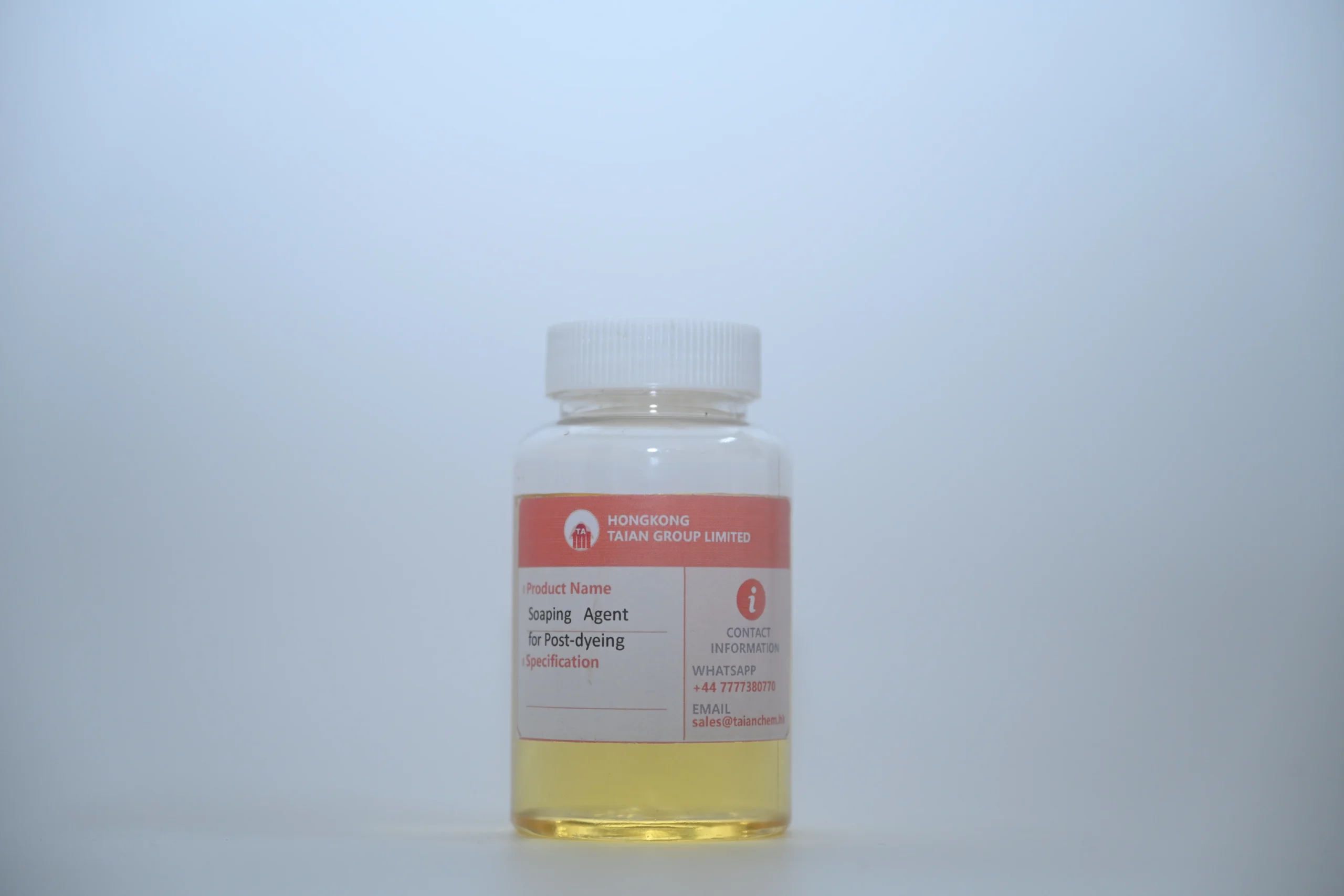
Advanced dye auxiliaries Solutions for Germany's Textile Hubs

Engineered for high-performance dyeing and finishing, meeting the strictest EU environmental standards for the German industrial textile sector.

Advanced dye auxiliaries Solutions for Germany's Textile Hubs

Optimizing fabric quality and color consistency through precision-engineered chemical additives tailored for the German manufacturing landscape.

The State of Textile Chemistry in Germany

Navigating the intersection of high-end textile engineering and stringent environmental regulations.

Germany remains a powerhouse of textile innovation, particularly in technical textiles and automotive upholstery. However, the industry faces immense pressure to reduce water consumption and chemical waste, leading to a surge in demand for high-efficiency textile auxiliaries chemicals that ensure minimal runoff and maximum fiber penetration.

The German market is characterized by a shift toward "Green Chemistry." Manufacturers are increasingly replacing traditional solvents with eco-friendly alternatives. The use of specialized penetrating agent formulations has become critical to maintain the high-speed production cycles required by the regional supply chain while adhering to REACH compliance.

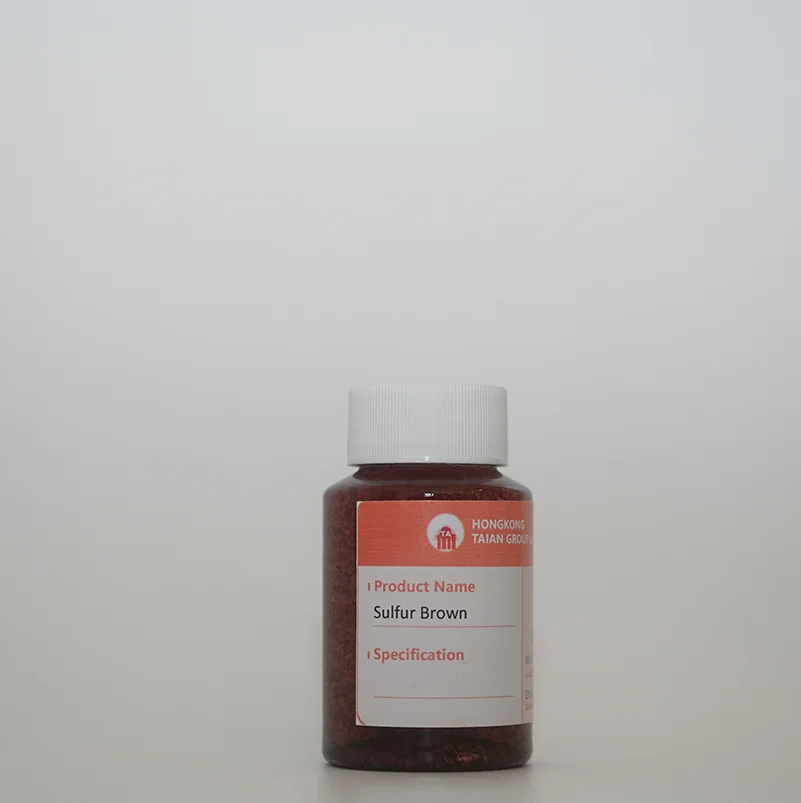
Furthermore, the demand for deep, stable shades in luxury fashion and industrial fabrics has kept the market for sulfur black active, though the focus has shifted toward reducing the odor and increasing the wash-fastness of these dyes through advanced auxiliary stabilization.
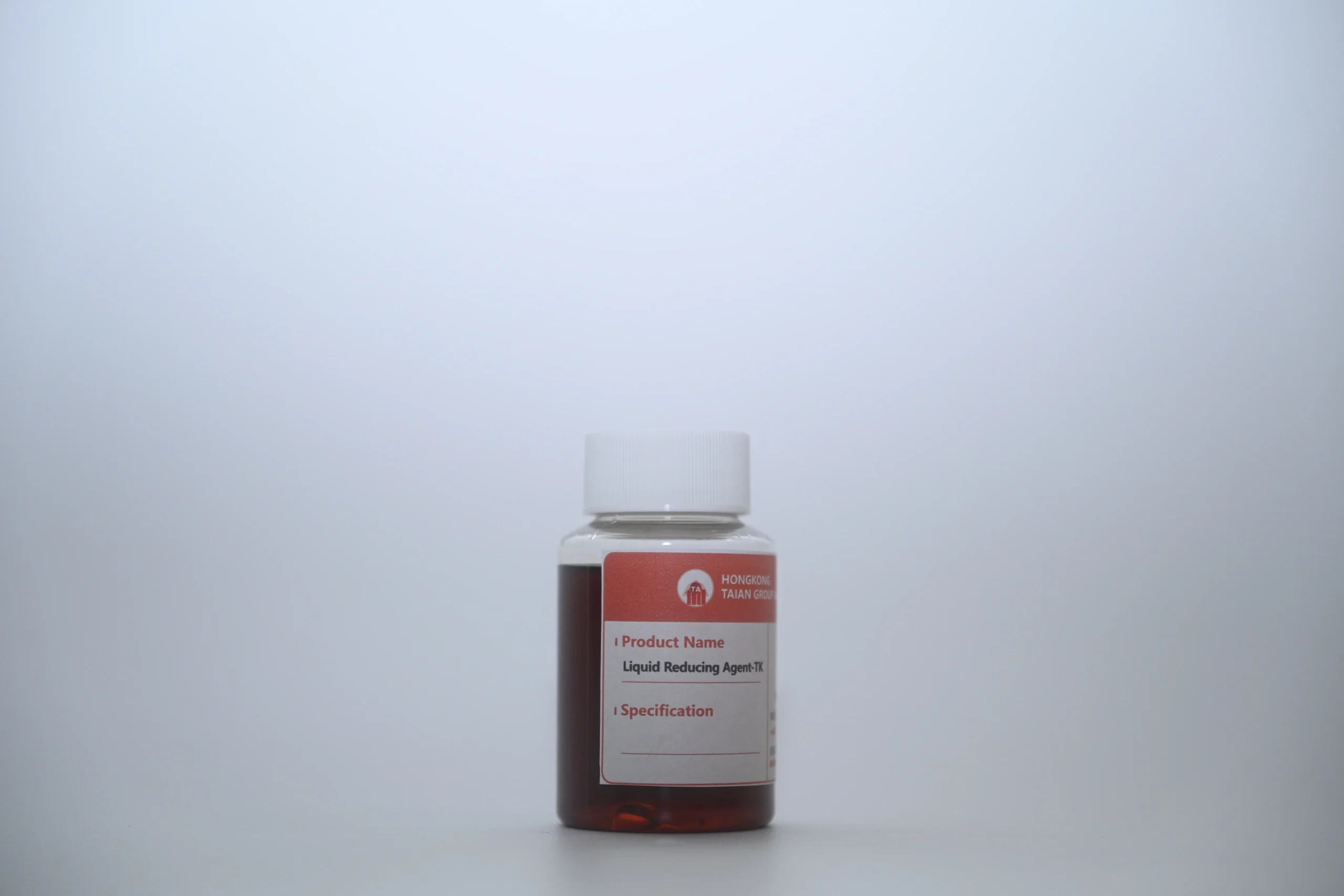
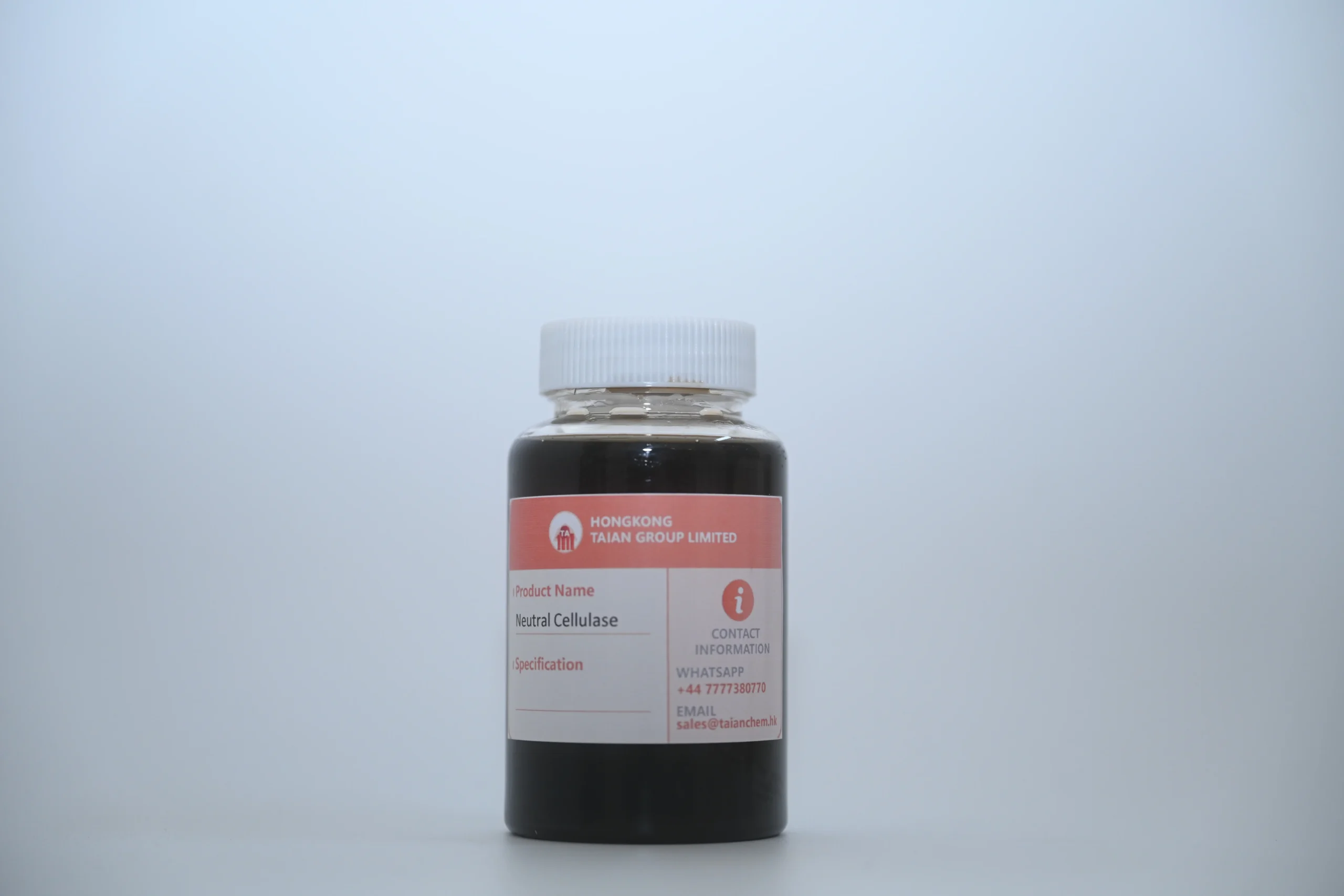
Evolution of Dyeing Auxiliaries in the EU

From traditional bulk processing to precision molecular engineering.

Market Development History

In the late 20th century, the German textile industry relied on heavy-duty chemicals focused solely on yield. The primary objective was saturation, often utilizing aggressive oxidizing agent reducing agent pairs to manage dye baths without regard for ecological footprints.

Between 2000 and 2015, the transition toward the "Sustainable Textile" era began. This period saw the introduction of enzyme-based auxiliaries and a move away from hazardous APEOs, forcing a redesign of the molecular structure of most wetting agents to improve biodegradability.

Since 2016, the focus has evolved into "Digital Dyeing" and "Zero Liquid Discharge" (ZLD) systems. Modern chemistry now emphasizes catalysts that allow for lower temperature processing, drastically reducing the energy consumption of German textile mills.

Future Development Trends

Bio-Based Auxiliary Synthesis

Transitioning from petroleum-based feedstocks to renewable bio-polymers to meet the EU's 2030 climate neutrality goals.

AI-Driven Chemical Dosing

Integration of real-time sensors to adjust the ratio of auxiliaries dynamically based on fabric absorbency and water hardness.

Circular Economy Integration

Development of chemicals that not only facilitate dyeing but also aid in the subsequent recycling of blended fibers.

Future Trends and Industry Outlook

Strategic forecasting for the next 5 years of specialty chemical manufacturing.

Eco-Certification Compliance
Mandatory alignment with OEKO-TEX and BlueSign standards to ensure zero toxic emissions in German plants.
Water-Less Dyeing Technology
Development of supercritical CO2 dyeing auxiliaries to eliminate water usage entirely.
Nano-Encapsulation
Using nano-carriers to deliver active agents deeper into the fiber core for superior durability.
Smart-Polymer Auxiliaries
Developing pH-responsive chemicals that automate the transition from dyeing to fixing stages.

Industry Outlook

Google search trends in the DACH region indicate a sharp increase in queries regarding "sustainable textile processing" and "VOC-free chemicals." This suggests that the market is moving away from traditional chemical intensity toward a value-added, low-impact model.

We predict that the integration of biotech and chemical synthesis will become the standard in Germany by 2028, where enzymes replace traditional oxidizing agent reducing agent systems to achieve the same results with 40% less energy.

Localized Applications in Germany

Real-world deployment of specialty auxiliaries across German industrial sectors.

1. Automotive Interior Textiles (Bavaria/Stuttgart)

Deployment of high-stability auxiliaries to ensure light-fastness and abrasion resistance for premium car upholstery, focusing on deep-black aesthetics using optimized sulfur-based systems.

2. Technical Medical Textiles (Saxony)

Using ultra-pure penetrating agents and hypoallergenic fixatives for medical-grade fabrics used in surgical gowns and bandages.

3. High-Performance Sportswear (Munich)

Application of moisture-wicking and antimicrobial auxiliaries that integrate seamlessly with synthetic fibers without compromising breathability.

4. Luxury Apparel Finishing (North Rhine-Westphalia)

Implementing precision-controlled reducing agents to achieve the perfect "vintage wash" for denim while minimizing chemical discharge into the Rhine river.

5. Industrial Filtration Fabrics (Berlin/Brandenburg)

Using specialty resins and auxiliaries to enhance the chemical resistance of filter cloths used in German heavy industry.

Brand Story

Global Development Journey of Shijiazhuang Taikun Chemical Co., Ltd.

Foundational Excellence

Established with a vision to bridge the gap between raw chemical synthesis and practical textile application, focusing on stability and purity.

Technological Breakthroughs

Developing proprietary formulas for dye auxiliaries that solved the long-standing issue of uneven penetration in heavy fabrics.

European Market Entry

Adapting our product line to meet the rigorous REACH and EU environmental standards, establishing our presence in the German market.

Sustainable Pivot

Investing in R&D for bio-degradable auxiliaries, reducing the carbon footprint of the dyeing process for our global partners.

Future-Ready Leadership

Leading the transition toward AI-integrated chemical solutions, ensuring precision and sustainability for the next generation of textiles.

Comprehensive Product Portfolio for Germany

A full spectrum of chemical solutions designed for European industrial standards.

Common Questions for German Textile Manufacturers

Expert answers regarding the application of specialty chemicals in the EU.

How do your textile auxiliaries chemicals comply with REACH regulations?

All our products are synthesized without banned azo dyes or harmful phthalates, providing full documentation for REACH audits in Germany.

What is the best oxidizing agent reducing agent ratio for cotton blends?

The ratio depends on the dye load; however, our precision-stabilized agents allow for a 15% reduction in chemical volume while maintaining color vibrancy.

Can your dye auxiliaries improve the fastness of sulfur black on denim?

Yes, our specific fixatives create a stronger molecular bond between the fiber and the sulfur black dye, significantly reducing bleeding during washes.

How does your penetrating agent affect the softness of the final fabric?

Unlike traditional detergents, our penetrating agents are designed to be completely removable during the rinsing stage, leaving the fabric hand-feel unchanged.

Do you offer custom auxiliary blends for technical textiles?

Absolutely. We provide tailored formulations specifically for the automotive and medical textile sectors prevalent in Germany.

What is the shelf life of these specialty chemicals under EU storage conditions?

Our products are stabilized for a minimum of 24 months when stored in temperature-controlled environments typical of German warehouses.

Connect With Our Technical Experts

Ready to optimize your production line with sustainable chemistry in Germany?

Contact Us Now

If you are interested in our products, you can choose to leave your information here, and we will be in touch with you shortly.