Advanced dye auxiliaries Solutions for Cuba Textile Industry

Optimizing fabric processing and color consistency for the Caribbean market with high-performance chemical agents.

Advanced dye auxiliaries Solutions for Cuba Textile Industry

We provide a comprehensive range of specialty chemicals designed to enhance the efficiency of textile dyeing and finishing processes in the Cuban manufacturing sector.

Current State of Textile Chemical Manufacturing in Cuba

Analyzing the intersection of Caribbean climate and industrial textile requirements.

The textile industry in Cuba faces unique challenges due to its tropical humidity and saline air, which directly affect the stability of textile auxiliaries chemicals. Local manufacturers often struggle with moisture-induced degradation of raw materials, requiring more robust stabilization technologies.

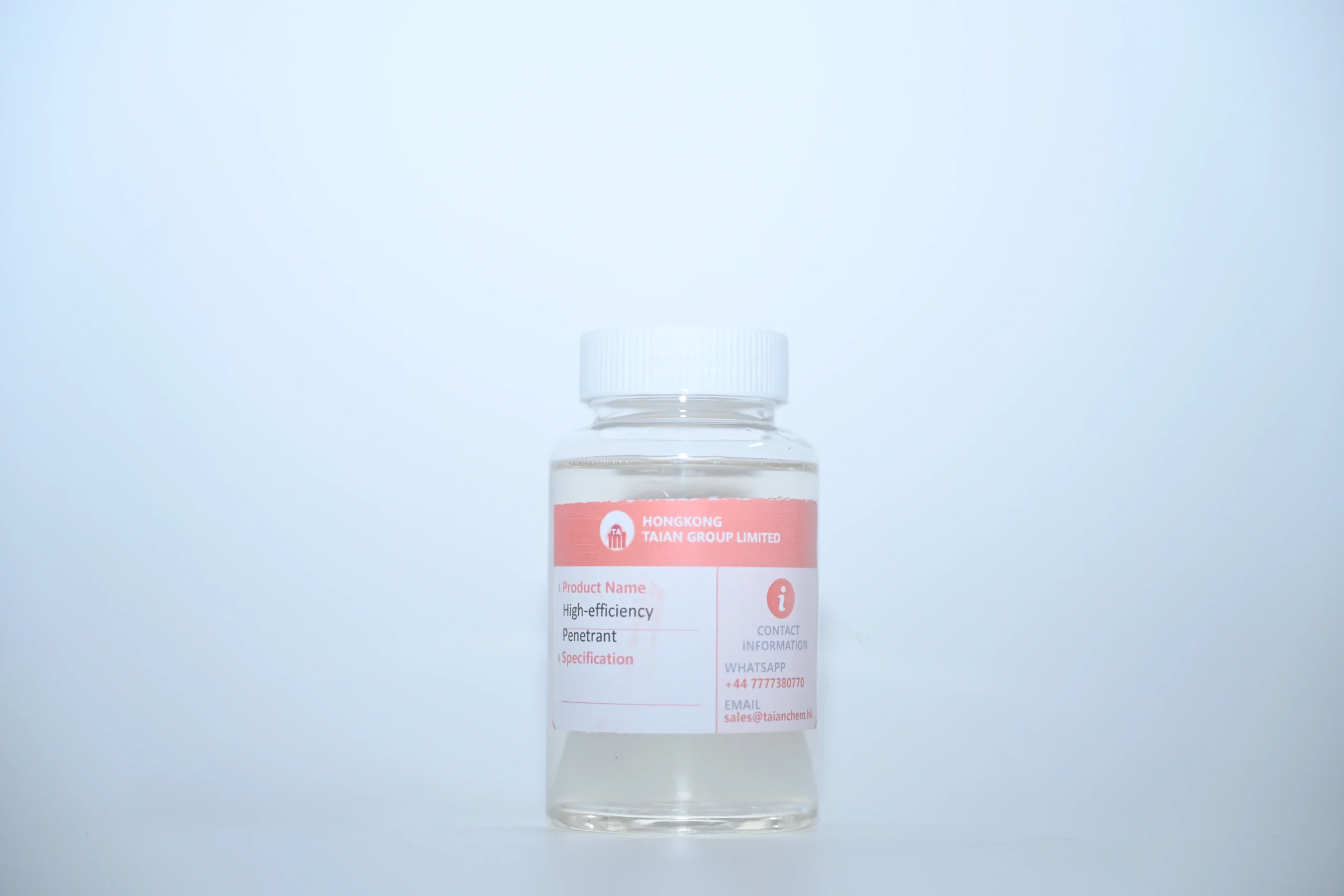
Currently, there is a significant demand for specialized penetrating agent formulations that can handle the specific hardness of local water sources, ensuring that dyes penetrate fibers evenly despite environmental variances.

Furthermore, the Cuban market is transitioning from traditional heavy-metal based dyes to more sustainable alternatives, creating a surge in the need for high-efficiency oxidizing agent reducing agent systems to maintain color fastness without compromising environmental standards.
Evolution and Trajectory of Textile Chemistry in North America - Cuba

From manual batching to precision automated chemical dosing.

Market Development History

In the 1980s and 90s, Cuba's textile sector relied heavily on basic sulfur black and traditional salts, focusing on volume over precision, which often led to significant wastewater challenges.

Between 2000 and 2015, the industry saw a shift toward the adoption of synthetic auxiliaries. This era marked the introduction of targeted surfactants and stabilizers that reduced the overall chemical load per ton of fabric.

Since 2016, the focus has shifted toward "Green Chemistry." The integration of biodegradable agents has become a priority to align with international export standards for Cuban-made garments.

Future Development Trends

Bio-based Auxiliary Integration

Transitioning from petroleum-based surfactants to plant-derived alternatives to reduce the carbon footprint of Caribbean textile plants.

Digital Dosing Precision

Implementing IoT-driven chemical delivery systems to optimize the usage of expensive dye auxiliaries, reducing waste by up to 15%.

Water-less Processing

Exploring supercritical CO2 dyeing and anhydrous chemical applications to mitigate the impact of water scarcity in specific Cuban regions.

Industry Trends and Future Outlook

Strategic forecasting for the specialty chemical sector in the textile domain.

Eco-Friendly Synthesis
Developing non-toxic alternatives to traditionalReducing Agents to meet EU and US import regulations.
Low-Temperature Dyeing
Innovating agents that allow high-fixation at lower temperatures, reducing energy costs for Cuban factories.
Smart Polymer Coatings
Applying nanotechnology to textile auxiliaries for enhanced moisture-wicking and anti-microbial properties.
Zero-Liquid Discharge
Developing chemicals that facilitate easier water recycling and waste recovery in textile plants.

Industry Outlook

Over the next 3-5 years, Google search trends indicate a sharp rise in "sustainable textile chemistry" and "water-saving dye agents." This suggests that the Cuban market will pivot toward high-concentration, low-waste formulations.

The integration of AI in chemical formulation will allow for real-time adjustments to auxiliaries based on the specific textile batch, drastically reducing the failure rate of high-value dyed fabrics.

Localized Application Scenarios in Cuba

Real-world implementations of specialty chemicals in the Cuban textile landscape.

1. High-Humidity Cotton Dyeing in Havana

Utilizing a specialized penetrating agent to ensure uniform dye uptake in cotton fabrics processed during the peak humidity months of the rainy season.

2. Industrial Workwear Sulfur Dyeing

Applying high-stability sulfur black for the production of durable industrial uniforms used in Cuban mining and construction sectors.

3. Export-Grade Silk Finishing

Employing precision dye auxiliaries to achieve the high-luster and softness required for luxury textiles destined for the North American market.

4. Wastewater Neutralization in Textile Parks

Using a balanced oxidizing agent reducing agent cycle to treat effluent water before discharge, ensuring compliance with local Cuban environmental laws.

5. Rapid-Prototyping for Local Fashion

Implementing fast-acting textile auxiliaries chemicals for small-batch artisanal textile producers in Santiago de Cuba.

Brand Story

Global Development History of Shijiazhuang Taikun Chemical Co., Ltd.

Foundational Excellence

Established with a focus on pure chemical synthesis, we began by solving the basic stability issues of textile dyes in regional markets.

Technological Leap

We invested heavily in R&D to develop proprietary auxiliaries that reduced water consumption by 30% during the dyeing process.

Global Expansion

Expanding our reach to North America and the Caribbean, tailoring our chemical formulas to fit diverse climatic conditions like those in Cuba.

Sustainability Commitment

Transitioning our entire product line to meet Oeko-Tex standards, ensuring our chemicals are safe for both workers and the end-user.

Future Innovation

Currently pioneering AI-driven chemical matching to provide the world's most precise textile auxiliary solutions.

Comprehensive Product Portfolio for Cuba

A curated selection of textile chemicals optimized for the Caribbean industrial environment.

Common Questions regarding Textile Chemicals in Cuba

Expert answers to technical challenges faced by Cuban textile manufacturers.

How do I choose the right textile auxiliaries chemicals for high-humidity environments?

For humid climates like Cuba, you should prioritize auxiliaries with high hydrolytic stability and antimicrobial properties to prevent premature degradation during storage.

What is the best way to apply a penetrating agent on hard water sources?

We recommend using a chelating-enhanced penetrating agent that can sequester calcium and magnesium ions, ensuring the dye penetrates the fiber evenly.

Can sulfur black be used for eco-friendly textile production in Cuba?

Yes, by using modern reducing agents and advanced wastewater treatment, sulfur black can be processed sustainably while maintaining its deep black intensity.

How does an oxidizing agent reducing agent system improve color fastness?

These agents control the redox potential of the dye bath, ensuring the dye is fully reduced for penetration and then properly oxidized for permanent fixation.

Which dye auxiliaries are most effective for synthetic blend fabrics?

For blends, we recommend leveling agents and dispersing agents that prevent "streaking" and ensure a uniform shade across different fiber types.

What are the shipping requirements for chemicals sent to Cuba?

All chemicals are shipped in UN-certified hazardous material packaging with full SDS documentation to ensure safe transit and customs clearance in Cuba.

Get Technical Support Today

Our experts are ready to optimize your textile production lines in Cuba with the world's most efficient chemical solutions.

Contact Us Now

If you are interested in our products, you can choose to leave your information here, and we will be in touch with you shortly.