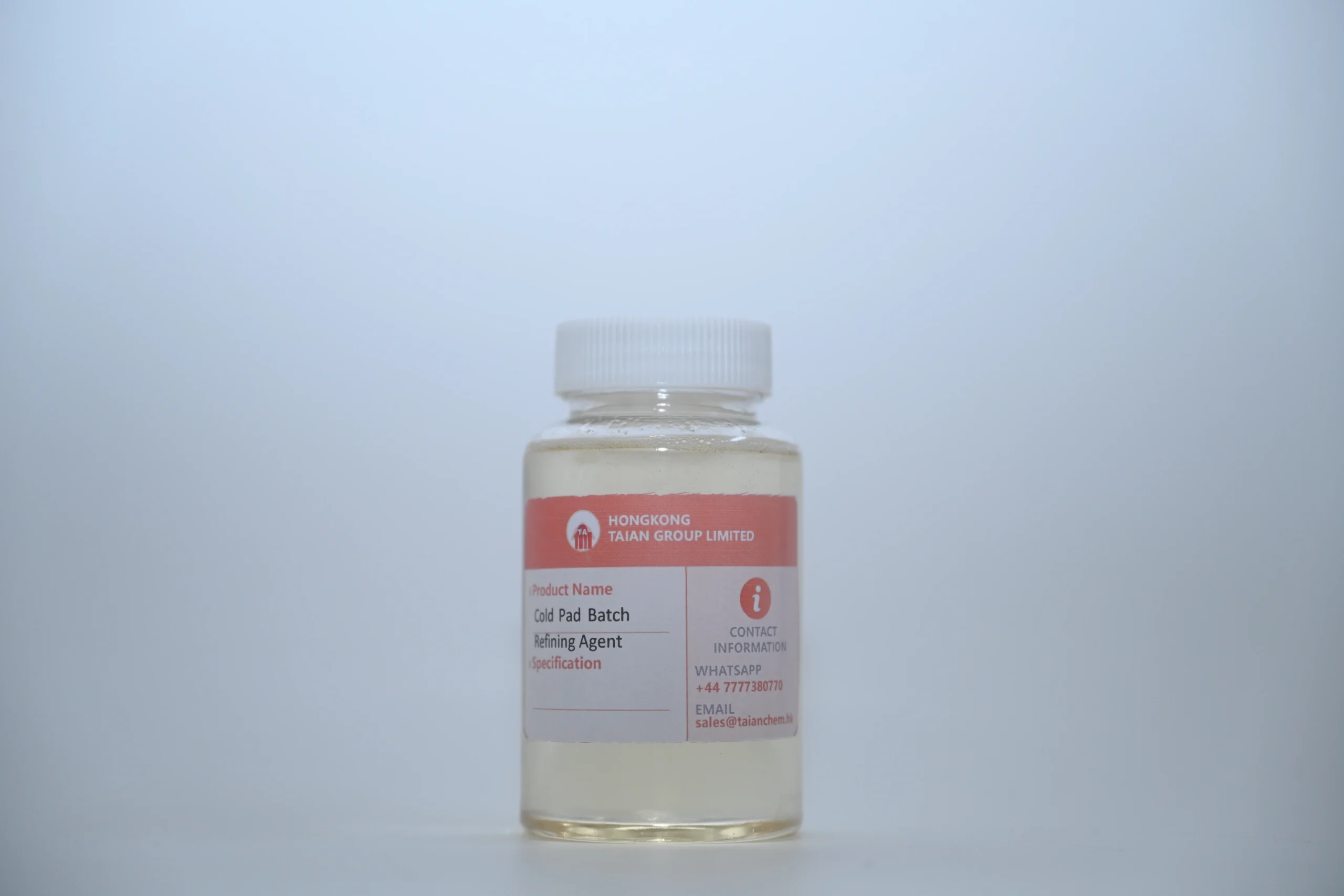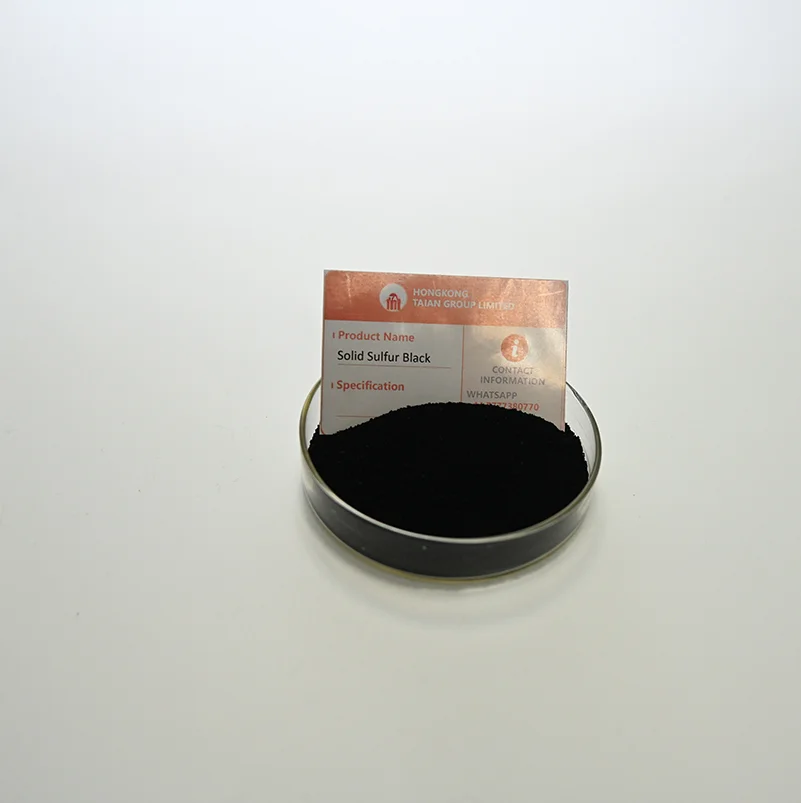
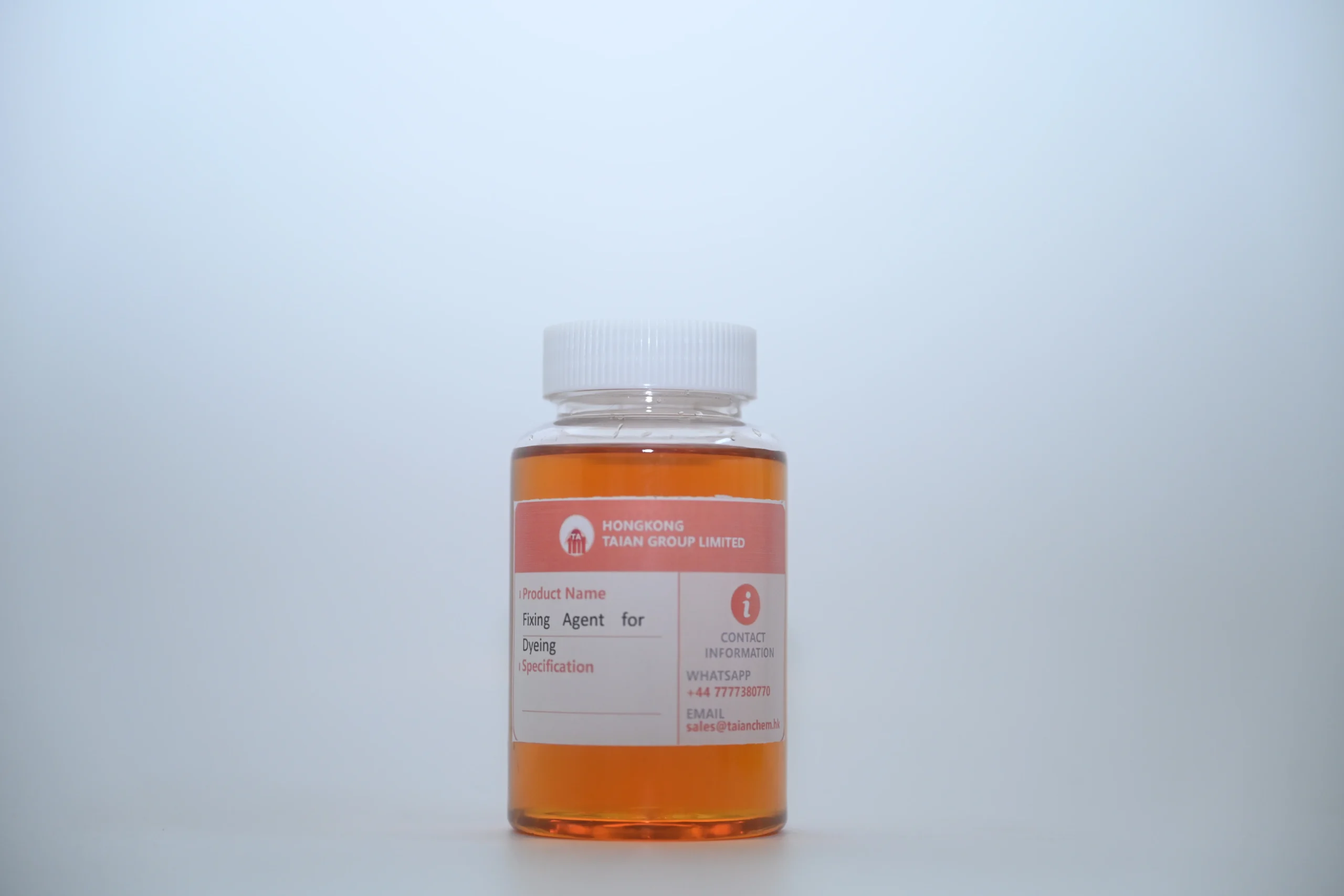
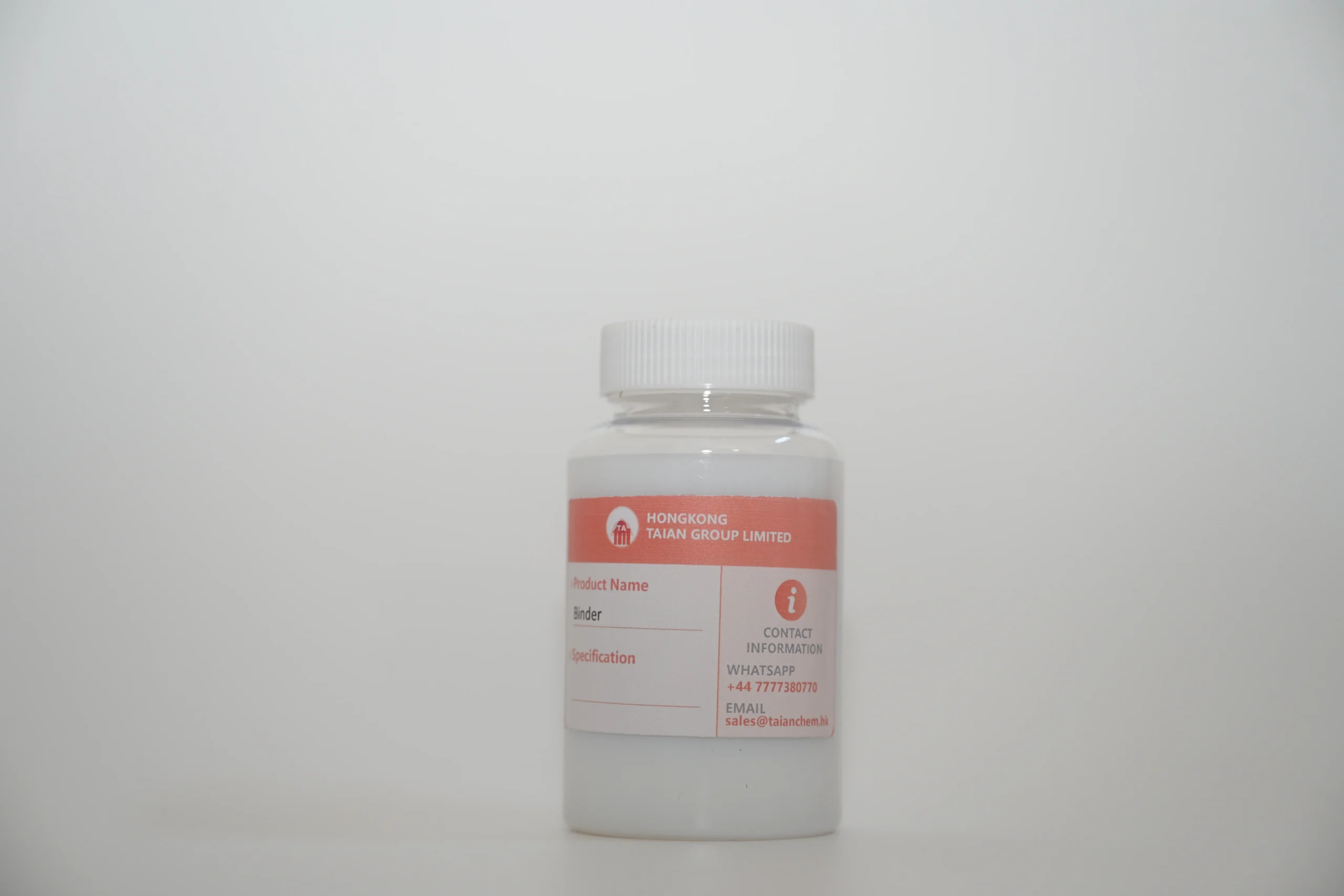
Advanced dye auxiliaries Solutions for Austria's Textile Industry

Precision-engineered chemical agents optimizing fabric processing and color consistency for the European high-end textile market.

Advanced dye auxiliaries Solutions for Austria's Textile Industry

Providing Austrian manufacturers with high-performance chemical additives to ensure superior dye penetration, fixation, and sustainable finishing processes.

Chemical Manufacturing Landscape in Austria

Analyzing the current state of specialty chemical application in the Austrian textile sector.

The Austrian textile industry is characterized by a shift toward high-value technical textiles and luxury fashion. To maintain competitiveness, local factories heavily rely on sophisticated textile auxiliaries chemicals that meet stringent EU environmental regulations and REACH compliance.

Geographically, the industry is concentrated in regions where water quality is strictly monitored. This necessitates the use of high-efficiency penetrating agent formulas that reduce water consumption and minimize chemical runoff, aligning with Austria's commitment to alpine ecosystem preservation.

Current market demand shows a strong preference for low-temperature processing agents. Austrian manufacturers are increasingly replacing traditional heavy-metal based catalysts with organic-synthetic alternatives to achieve the precise shades required for European luxury exports.
Evolution and Technical Trajectory

From traditional dyeing methods to intelligent chemical synthesis.

Market Development History

In the early 2000s, the Austrian textile sector relied on basic bulk chemicals. The primary focus was on volume, utilizing standard sulfur black dyes and simple surfactants for fabric preparation.

Between 2010 and 2020, there was a technical pivot toward "Green Chemistry." The industry integrated precision oxidizing agent reducing agent systems to enable more controlled redox reactions, significantly reducing the carbon footprint of the dyeing cycle.

By 2023, the focus shifted to molecular engineering. Modern auxiliaries are now designed for specific fiber blends, ensuring that chemical bonding occurs at a microscopic level to increase wash-fastness and durability.

Future Development Trends

Bio-based Surfactants

Transitioning from petroleum-based precursors to biodegradable plant-derived chemicals to satisfy EU circular economy mandates.

Digital Chemical Dosing

Integration of AI-driven dosing systems that adjust auxiliary concentrations in real-time based on fabric weight and water hardness.

Waterless Dyeing Auxiliaries

Development of supercritical CO2 compatible chemicals to eliminate water usage entirely in the dyeing process.

Strategic Industry Outlook 2025-2030

Predicting the next wave of innovation in textile chemical manufacturing.

Zero-Discharge Chemicals
Developing auxiliaries that allow for 100% closed-loop water recycling in Austrian plants.
Smart Molecule Fixation
Using nano-scale auxiliaries to increase dye exhaustion rates and reduce chemical waste.
Energy-Efficient Processing
Catalysts that enable high-quality dyeing at 40°C instead of 80°C, reducing energy costs.
Regulatory Compliance Automation
Digital certification of every chemical batch to ensure instant audit readiness.

Industry Outlook

Google Search trends indicate a significant rise in "Sustainable Dyeing" and "Non-toxic Auxiliaries" within the DACH region. This suggests that the future of the Austrian market lies in the intersection of high-performance chemistry and extreme ecological safety.

We expect a transition toward modular chemical systems where manufacturers can customize their auxiliaries for small-batch, high-frequency production runs, mirroring the "Fast Fashion" but with "Slow Production" quality standards.

Localized Applications in Austria

Real-world implementation of specialty chemicals across Austrian textile sectors.

01. Alpine Sportswear Performance Finishing

Applying high-grade penetrating agents to synthetic moisture-wicking fabrics used in skiing and hiking apparel to ensure uniform hydrophobic coating.

02. Luxury Viennese Silk Dyeing

Utilizing precision dye auxiliaries to achieve deep, saturated hues in high-end silk scarves while maintaining fabric softness and luster.

03. Technical Industrial Fabrics

Implementation of heavy-duty sulfur black applications for industrial-grade canvases and protective clothing used in Austrian manufacturing plants.

04. Eco-certified Home Textiles

Using biodegradable oxidizing agent reducing agent systems for organic cotton linens, meeting the "OEKO-TEX" standards required by European retailers.

05. High-Precision Automotive Upholstery

Specialized chemical treatments for leather and synthetic blends used in Austrian automotive interiors to prevent fading and increase UV resistance.

Brand Story

Global Development Journey of Shijiazhuang Taikun Chemicals Co., Ltd.

Foundation and Local Mastery

Established with a vision to revolutionize textile chemistry, we began by perfecting the purity of basic dyeing agents for the domestic market.

Technological Breakthroughs

Invested heavily in R&D to develop high-efficiency auxiliaries that solve the chronic problem of dye unevenness in complex synthetic blends.

European Expansion

Entered the European market by aligning our production standards with REACH and EU environmental directives, focusing on the Austrian and German sectors.

Sustainability Pivot

Launched a comprehensive line of green auxiliaries, reducing the toxic load of textile wastewater by 40% for our global clients.

Global Leadership Vision

Today, we strive to be the primary partner for textile manufacturers worldwide, blending chemical precision with ecological responsibility.

Comprehensive Product Portfolio for Austria

A complete range of specialty chemicals tailored for the European textile manufacturing standard.

Frequently Asked Questions - Austria Region

Expert answers to common technical queries regarding textile chemical applications.

How do textile auxiliaries chemicals improve color fastness in Austrian luxury fabrics?

Our auxiliaries enhance the chemical bond between the dye molecule and the fiber, preventing leaching and fading during repeated washing cycles, which is critical for high-end European garments.

What is the best oxidizing agent reducing agent for eco-friendly bleaching?

We recommend our stabilized peroxide-based systems which offer high reactivity at lower temperatures, reducing energy consumption while ensuring fabric integrity.

Can dye auxiliaries reduce water consumption in industrial dyeing?

Yes, by increasing dye exhaustion rates, our auxiliaries allow for fewer rinse cycles, significantly decreasing the total water volume required per kg of fabric.

Is sulfur black compatible with modern sustainable textile standards?

Our refined sulfur black dyes are processed to minimize impurities and odors, making them compatible with modern wastewater treatment plants in the EU.

How does a penetrating agent affect the dyeing of dense synthetic blends?

Our penetrating agents reduce the surface tension of the dye liquor, allowing the chemicals to enter the innermost core of dense fibers, eliminating "white spots" or uneven coloring.

Are your textile chemicals compliant with Austrian environmental laws?

All our products are formulated to meet or exceed REACH regulations and the specific environmental requirements of the Austrian textile manufacturing sector.

Partner with a Chemical Expert

Optimize your production line with world-class textile auxiliaries. Contact our specialist team for tailored solutions in Austria.

Contact Us Now

If you are interested in our products, you can choose to leave your information here, and we will be in touch with you shortly.